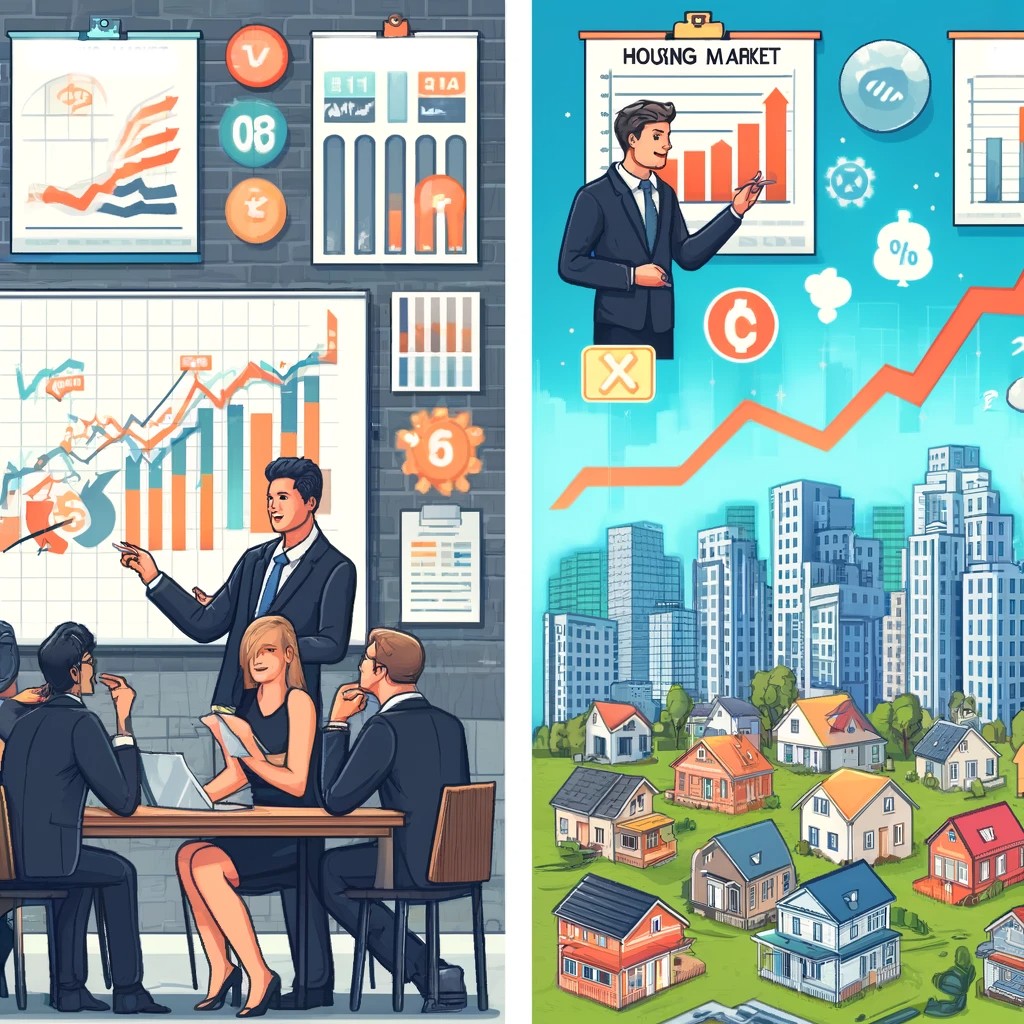
The real estate market is an ever-changing landscape defined by economic conditions, technology, and consumer behavior. Staying ahead of the curve in marketing and sales strategies is crucial for real estate professionals who aim to thrive in a highly competitive environment. This article will delve into current trends, explore innovations, and examine emerging strategies that are shaping the way we buy and sell properties today.
Introduction
The housing market is a pivotal aspect of the economy, influencing areas from employment to financial stability. In recent decades, technological advancements and evolving consumer expectations have dramatically transformed the way real estate transactions are conducted. The COVID-19 pandemic has only accelerated these changes, forcing industry players to adapt to a new digital-first world.
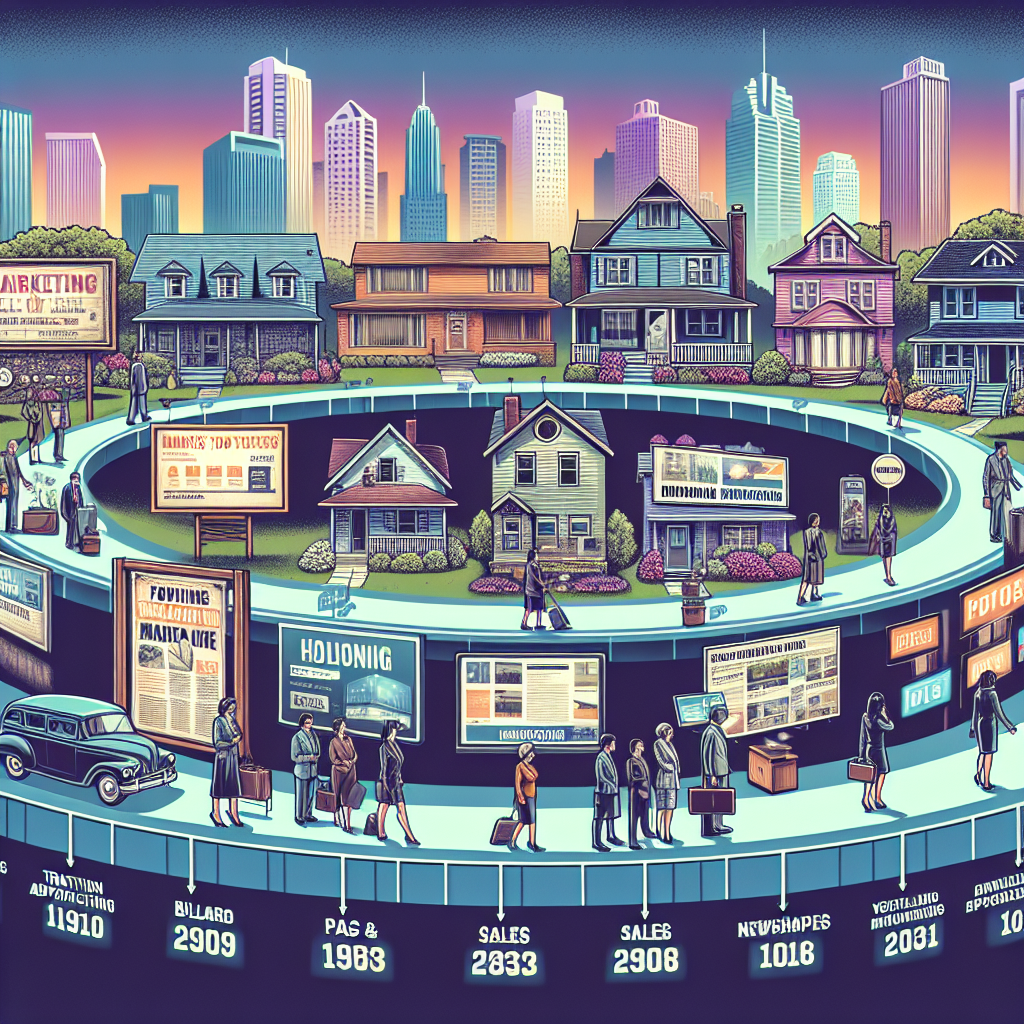
Historically, real estate marketing predominantly relied on traditional methods like print ads, open houses, and word-of-mouth endorsements. Today, however, digital platforms, data analytics, and innovative sales techniques are reshaping how properties are marketed and sold. The emergence of social media, virtual tours, and online marketplaces has revolutionized the industry, enabling buyers and sellers to interact more efficiently, transparently, and seamlessly.
In this article, we will outline the significant trends impacting the real estate market and explore how agents and brokers can leverage these trends to enhance their marketing and sales operations. From harnessing the power of social media to adopting advanced analytics, these strategies are setting the trajectory for the future of real estate.
The Digital Transformation of Real Estate Marketing
One of the most notable trends in real estate marketing is the shift towards digitalization. This transformation is driven by the overwhelming presence of the internet in our daily lives, making digital platforms essential for reaching potential buyers and sellers.
Firstly, social media has become a powerful tool for real estate professionals. Platforms like Facebook, Instagram, and LinkedIn offer targeted advertising capabilities, allowing agents to reach specific demographics based on age, location, and interests. Live video tours and virtual open houses on these platforms provide a convenient and engaging way for buyers to view properties without leaving their homes.
Furthermore, websites and mobile apps dedicated to real estate listings, such as Zillow, Redfin, and Realtor.com, have made property searches easier and more accessible. These platforms provide comprehensive information, including property details, market trends, and price comparisons, which empower buyers to make informed decisions.
In addition to social media and listing websites, content marketing has emerged as a crucial strategy. By creating valuable content such as blog posts, videos, and infographics, real estate professionals can attract and engage potential clients. This content not only showcases expertise but also helps improve search engine rankings, increasing visibility in a crowded market.
Leveraging Data Analytics for Better Insights
Data analytics is another trend that is revolutionizing real estate marketing and sales strategies. With access to vast amounts of data, real estate professionals can gain insights into market trends, consumer behavior, and property values, enabling them to make more informed decisions.
Predictive analytics, for instance, allows agents to anticipate market movements and identify potential buyers and sellers before they even enter the market. By analyzing historical data and trends, predictive models can forecast future property values, rental rates, and demand levels. This information can be used to tailor marketing efforts and pricing strategies to maximize returns.
Moreover, customer relationship management (CRM) systems have become indispensable tools for real estate professionals. These platforms help manage and analyze client interactions, track leads, and monitor sales progress. By leveraging data from CRM systems, agents can personalize their marketing efforts, nurture leads more effectively, and ultimately close more deals.
Additionally, geographic information systems (GIS) are being used to create detailed maps and visualizations of market data. These tools help agents understand spatial patterns and trends, such as neighborhood growth, property values, and demographic shifts. By incorporating GIS into their strategies, real estate professionals can make data-driven decisions and provide clients with valuable insights.
Virtual and Augmented Reality in Property Tours
The adoption of virtual and augmented reality (VR and AR) technologies is another significant trend in the real estate market. These technologies offer immersive experiences that can enhance property tours and give buyers a realistic sense of a property without physically visiting it.
Virtual reality tours, for example, allow buyers to explore properties in a 360-degree environment, providing a comprehensive view of the space and its features. This technology is particularly beneficial for out-of-town buyers or those with busy schedules who cannot attend in-person viewings. VR tours can be accessed from any device, offering convenience and flexibility.
Augmented reality, on the other hand, combines digital elements with the real world. With AR, buyers can use their smartphones or tablets to overlay virtual furniture and decor onto a property, helping them visualize how the space can be personalized. This technology can also highlight key features and provide additional information, making the property tour more informative and engaging.
Moreover, VR and AR technologies can be used for staging properties. Virtual staging allows agents to furnish and decorate a property digitally, saving costs and time associated with physical staging. This approach can make properties more appealing and help buyers envision their potential.
Sustainable and Smart Homes: The Future of Housing
As environmental concerns continue to rise, the demand for sustainable and smart homes is becoming a prominent trend in the real estate market. Buyers are increasingly seeking properties that offer energy efficiency, eco-friendly features, and smart home technologies.
Sustainable homes are designed to reduce environmental impact and lower energy consumption. Features such as solar panels, energy-efficient appliances, and sustainable building materials are becoming key selling points. Buyers are also interested in homes with green spaces, water-saving fixtures, and efficient insulation.
Smart home technologies, on the other hand, enhance convenience, security, and energy management. Devices such as smart thermostats, lighting systems, and security cameras can be controlled remotely via smartphones or voice assistants. These technologies not only provide added comfort but also contribute to energy savings and increased property value.
Moreover, smart home integration is becoming a competitive advantage for real estate professionals. Homes equipped with the latest technologies appeal to tech-savvy buyers and can differentiate a property in a crowded market. Highlighting these features in marketing materials and property listings can attract potential buyers who prioritize modern living solutions.
The Importance of Customer Experience in Real Estate
In today’s competitive real estate market, providing an exceptional customer experience is more important than ever. Buyers and sellers expect personalized and seamless interactions, and real estate professionals must prioritize customer satisfaction to build trust and loyalty.
One way to enhance customer experience is by offering transparent communication and responsiveness. Keeping clients informed throughout the buying or selling process is crucial, as it helps manage expectations and reduces uncertainties. Regular updates, prompt responses to inquiries, and clear explanations of procedures can foster a positive relationship.
Additionally, real estate professionals should focus on understanding their clients’ needs and preferences. This can be achieved through personalized marketing efforts, such as sending tailored property recommendations or providing customized market reports. By demonstrating a deep understanding of their clients’ goals, agents can build stronger connections and increase the likelihood of repeat business and referrals.
Furthermore, technology can play a significant role in enhancing customer experience. Tools such as virtual tours, CRM systems, and AI-powered chatbots can streamline interactions and provide instant support. Leveraging these technologies can improve efficiency, reduce response times, and deliver a more convenient and satisfying experience for clients.
Conclusion
In conclusion, the real estate market is undergoing significant transformations driven by digitalization, data analytics, VR and AR technologies, sustainable living solutions, and a heightened focus on customer experience. These trends are reshaping the way properties are marketed and sold, offering new opportunities and challenges for real estate professionals.
By embracing digital marketing strategies, harnessing data analytics, and adopting innovative technologies, agents and brokers can gain a competitive edge and meet the evolving demands of buyers and sellers. The integration of sustainable and smart home features is also becoming a crucial aspect of marketing efforts, catering to environmentally conscious and tech-savvy consumers.
Ultimately, the key to success in the real estate market lies in staying informed about emerging trends, continuously adapting to changes, and prioritizing customer satisfaction. As the industry continues to evolve, those who can navigate these shifts and leverage new strategies will be well-positioned to thrive in a dynamic and competitive market.
Frequently Asked Questions
1. What are some current trends in real estate marketing?
Real estate marketing is constantly evolving with the advent of new technology and changes in consumer behavior. A prevalent trend is the use of digital platforms for marketing real estate. This includes leveraging social media channels like Instagram, Facebook, and LinkedIn to reach potential buyers where they spend a significant amount of their time. Properties are now being showcased through virtual tours and drone footage, which allows potential buyers to get a comprehensive view of the property from the comfort of their homes. Content marketing, including video and blog posts that provide valuable insights and tips about the home buying process, neighborhood insights, and real estate investment advice, has also gained traction. Additionally, personalized marketing through customer relationship management (CRM) systems that segment audiences based on their needs and preferences helps tailor the selling approach to each potential buyer’s unique requirements.
2. How has technology influenced sales strategies in real estate?
Technology has undoubtedly revolutionized sales strategies in the real estate sector. Agents are now using artificial intelligence (AI) to analyze buyer behavior and predict market trends, enabling a more data-driven approach to sales. Customer relationship management (CRM) software helps streamline communication and organize leads efficiently, ensuring follow-ups are timely and personalized. Virtual reality (VR) and augmented reality (AR) provide immersive experiences for potential buyers, allowing them to visualize themselves in the space without physically being present. Machine learning can identify properties that match clients’ preferences with greater precision, while smart home technologies are becoming selling points as they add value and appeal to tech-savvy consumers. Moreover, blockchain technology is starting to offer a more secure and transparent way of facilitating property transactions.
3. How do economic conditions affect real estate marketing and sales strategies?
Economic conditions play a critical role in shaping real estate marketing and sales strategies. When the economy is booming, interest rates generally remain lower, encouraging more people to buy homes, thus necessitating competitive marketing to capture potential buyers’ attention. During economic downturns or rising interest rates, the focus shifts to convincing buyers that it is a good time to invest, possibly by highlighting value investments or emphasizing the long-term benefits of homeownership. Real estate professionals must stay informed and adaptable, ready to shift strategies to respond to economic changes. They might focus on cost-saving aspects, promote affordable housing, or highlight incentives for buyers during tougher economic times. Marketing campaigns might also pivot to underscore the stability of real estate as a long-term investment or spotlighting properties with lower maintenance and operational costs.
4. What are some emerging strategies that real estate professionals are using today?
Emerging strategies among real estate professionals take into account both technological advancements and consumer expectations. A growing focus is on creating a personalized customer experience. This can be achieved through targeted content and tailored communications based on detailed customer data and insights. Geo-targeting and hyperlocal marketing are being used to attract buyers in specific neighborhoods or regions, capitalizing on localized data and area-specific narratives. Social proof, through client testimonials and reviews posted online, is becoming more influential, helping to build trust with potential buyers. Additionally, more agents are creating educational content, such as webinars and informative videos, to establish themselves as market experts, helping nurture client trust and potentially shortening the sales cycle. Networking and community engagement have also taken on a more strategic approach through digital and in-person meet-ups, promoting properties as part of a broader lifestyle pitch.
5. How can social media be effectively used in real estate marketing?
Social media has emerged as a powerful tool for real estate marketing, offering an unprecedented level of interaction with potential homebuyers. Key steps include identifying the right platforms for your target audience—Instagram for visually-driven content, Facebook for community engagement, and LinkedIn for professional connections. Good content is king, meaning high-quality images and video tours, informative posts featuring market trends, and neighborhood highlights engage users. Consistency in posting helps keep your audience engaged, while interactive elements such as polls and live Q&A sessions can increase engagement and offer direct channels for addressing potential buyers’ questions or concerns. Leveraging social media analytics tools can help measure the success of marketing efforts, allowing for fine-tuning of strategies to improve reach and engagement. Sponsored posts and strategically crafted ad campaigns can also expand reach beyond organic followers, effectively narrowing in on demographics most likely to convert into clients.