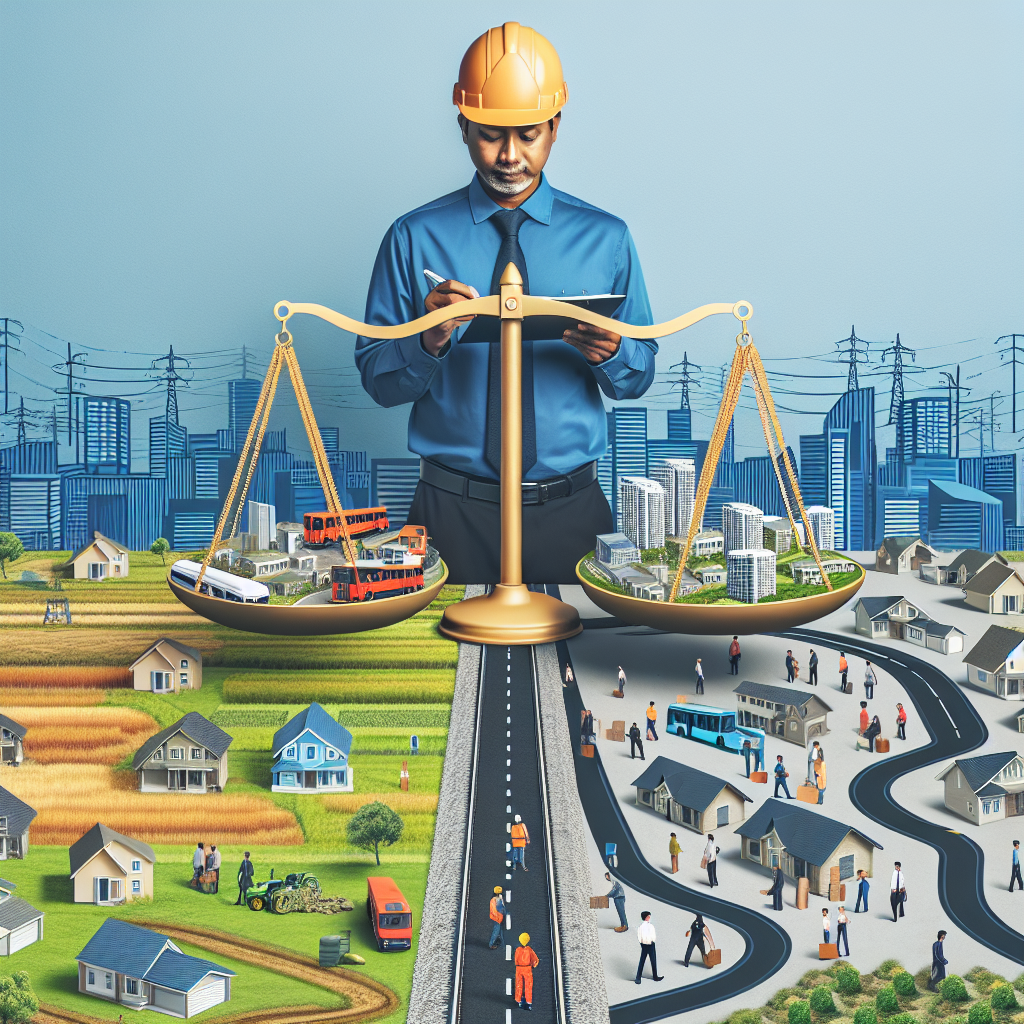
The relationship between transportation developments and housing markets is a complex, yet fundamentally intuitive, interplay that significantly shapes urban landscapes. Since the days of horse-drawn carriages to the contemporary era of bullet trains, advancements in transportation have invariably influenced where and how people live. This article dives into the effects of these developments on housing markets, analyzing historical precedents, current trends, and potential future outcomes.
Historical Perspective: Transportation Driving Urban Growth
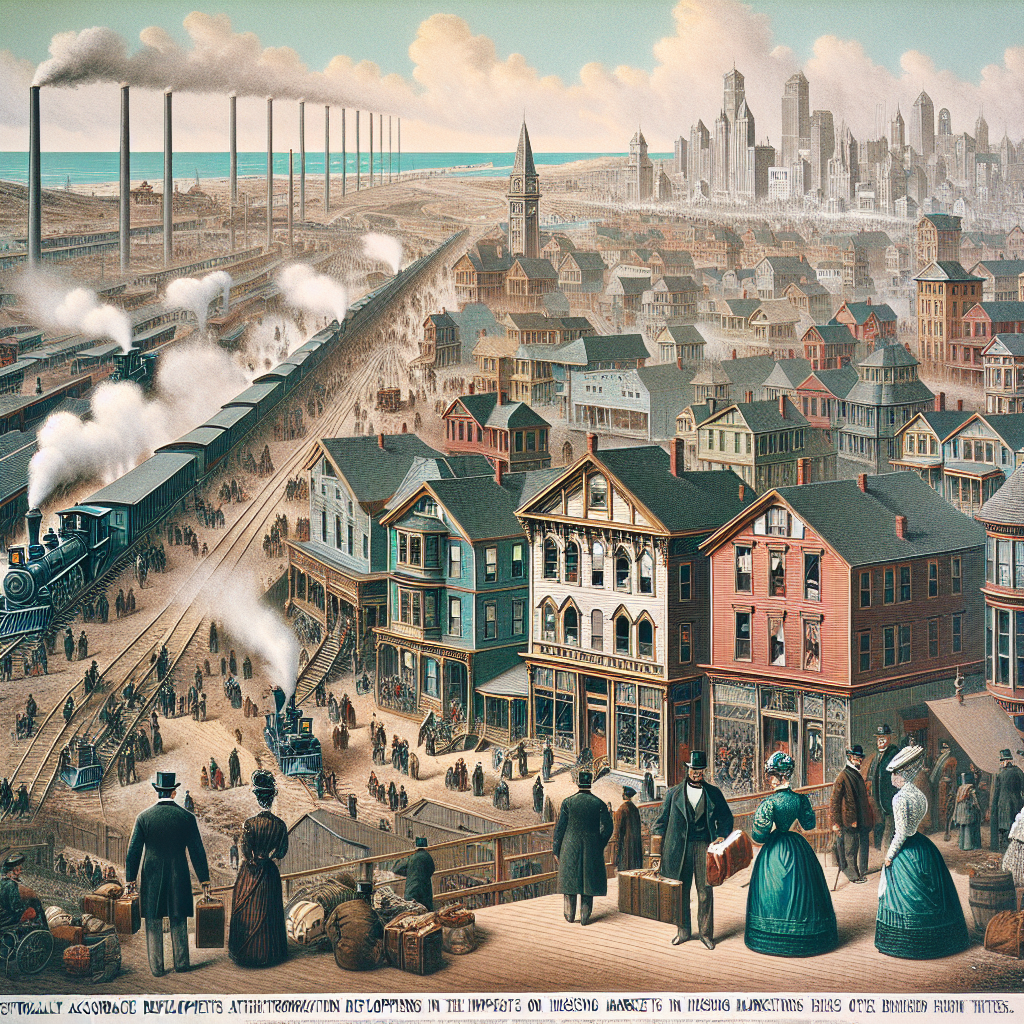
To understand how transportation impacts housing markets today, it’s essential to take a historical glance back at how previous advancements set the stage. From the late 19th century, railroads revolutionized urban development. Cities like Chicago and New York expanded dramatically as rail connections facilitated the efficient movement of goods and people. This growth led to spikes in property values and intensified urbanization.
Similarly, the advent of the automobile industry in the 20th century precipitated a new paradigm of suburban expansion. The construction of highways allowed middle-class families to move away from congested city centers to more spacious suburban areas. This shift allocated commercial and residential value geographically, leading to the first suburban housing booms.
Public transportation, such as streetcars and subways, also played a crucial role. By offering reliable and rapid transit options, these systems made adjacent areas more desirable for residential development. The investment in these transportation infrastructures resulted in increased demand for nearby properties, reflecting a rise in their market values.
Modern Trends: Public Transit and Sustainable Development
The 21st century has ushered in a renewed focus on public transit as a catalyst for sustainable urban development. Today’s urban planners and policy makers recognize that efficient public transportation systems are not just about mobility but also about social equity, environmental sustainability, and economic prosperity.
Cities that invest in robust bus and rail networks often see a ripple effect on their housing markets. Transit-oriented development (TOD) has become a significant trend, where residential and commercial zones are strategically planned around transit hubs. These areas are particularly appealing to younger demographics who prioritize convenience and eco-friendly living options.
Moreover, TOD projects often lead to gentrification — a double-edged sword. While they can rejuvenate declining neighborhoods and increase property values, they may also contribute to the displacement of long-term, lower-income residents. Policies aiming to create inclusive growth thus become imperative.
The Rise of Ride-Sharing and Micro-Mobility
The introduction of ride-sharing services like Uber and Lyft has nuanced the relationship between transportation and housing markets. These services offer a flexible alternative to traditional public transit, enabling residents to live further from employment centers without suffering from lengthy commutes. This flexibility has softened the delineation between prime and peripheral real estate areas, as even distant neighborhoods become more accessible.
Equally noteworthy is the rise of micro-mobility options — electric scooters and bikes positioned throughout urban areas. These instruments of transit offer last-mile solutions that make areas previously deemed less accessible more attractive for residential development. By shortening commuting times and increasing ease of access, these alternatives can bolster housing demand in underdeveloped areas.
Technological Innovations: The Future of Commuting
While current transportation systems already exert substantial influence on housing markets, emerging technologies promise further evolution. Autonomous vehicles (AVs) are one of the most hyped developments in this sphere. These driverless cars could reduce the stress and time associated with commuting, making suburban and even rural living more attractive.
Similarly, Hyperloop systems, conceptualized by Elon Musk, aim to reduce travel times between cities dramatically. If realized, such technology could transform distant locations into viable residential options, as proximity becomes less critical.
On a smaller scale, advancements in traffic management technology, such as smart traffic lights and integrated urban planning software, can enhance the efficiency of existing transportation infrastructure. This could lead to reduced congestion and more consistent travel times, further stabilizing or increasing property values in urban areas.
The Role of Policy and Planning
Transportation developments do not exist in a vacuum; they occur within complex regulatory and policy frameworks that can significantly influence their impact on housing markets. Policies favoring extensive public transit investments, affordable housing initiatives near transit hubs, and mixed-use zoning can create synergistic effects that amplify the benefits of transportation improvements.
Conversely, insufficient planning or neglect can lead to adverse effects, such as increased traffic congestion, air pollution, and uneven development. Policymakers must balance various interests and considerations to ensure that transportation advancements yield equitable and sustainable housing market outcomes.
Economic Considerations: Cost and Funding
Economic factors also play a crucial role in shaping transportation developments and their impact on housing markets. The cost of building and maintaining transportation infrastructure can be substantial, often requiring innovative funding mechanisms, private-public partnerships, or government subsidies.
These investments can yield significant returns by stimulating local economies, creating jobs, and enhancing property values. However, they also carry risks, particularly if anticipated benefits do not materialize as expected. A misalignment between transportation developments and housing market needs can lead to underused infrastructure and missed opportunities for urban revitalization.
Conclusion: A Dynamic Interplay
The relationship between transportation developments and housing markets is a multifaceted interplay that continues to evolve with technological advancements, shifting demographics, and changing urban priorities. Whether through the expansion of public transit, the rise of ride-sharing and micro-mobility, or the potential of future innovations like autonomous vehicles and Hyperloop systems, transportation developments invariably shape where and how people live.
Urban planners, policymakers, and stakeholders must adopt a holistic approach to ensure that transportation investments not only enhance mobility but also foster equitable and sustainable housing market growth. By recognizing the interconnectedness of these elements and planning accordingly, we can build cities that better serve the needs of all their residents.
Frequently Asked Questions
1. How do transportation developments historically affect housing markets?
Historically, transportation developments have had a profound impact on housing markets by reshaping urban and suburban environments. In the times of horse-drawn carriages, cities were compact, necessitating proximity to work. Consequently, housing markets were constrained within small radii of commercial centers. As railways emerged, they expanded the possibility for commuting, allowing people to live farther from their workplaces. This gave rise to the first suburban neighborhoods, as rail lines conveniently connected these areas to city centers. The invention of cars further revolutionized housing markets by providing personal mobility. Highways created more freedom in choosing living locations, thereby dispersing populations across broader distances and enriching suburban and eventually exurban developments.
2. What are the current trends in transportation and housing markets?
Contemporary transportation developments include advancements in public transit systems, increased urban walkability, and the planning of high-speed rail projects. These have led to an invigorated interest in urban living. Many cities are investing in light rail and subway expansions, which, in turn, have made properties closely situated to transit stops more attractive and valuable. There’s a growing demand for housing in urban centers or transit-oriented developments (TODs), where residents can easily commute using public transit, reducing reliance on cars. This trend is promoting a resurgence in urban cores where densely populated and mixed-use developments are thriving.
3. How do future transportation developments stand to influence housing markets?
Future transportation innovations, such as autonomous vehicles, electric cars, and hyperloops, hold the potential to once again transform housing markets. Autonomous vehicles could reduce the importance of proximity to transit stops since travelers could use transit time more effectively. This might lead to increased interest in areas previously considered too far or inconvenient to commute from. Electric vehicles reduce environmental concerns associated with suburban sprawl and make longer commutes more sustainable. Hyperloop technology, which promises extremely fast and efficient travel, could dramatically broaden commuter belts, linking distant cities seamlessly and potentially revitalizing rural areas as residential options.
4. How do transportation infrastructure projects impact real estate prices?
Transportation infrastructure projects often have a significant impact on real estate prices. When new transit lines, highways, or transit hubs are announced, real estate values typically increase in anticipation of improved accessibility and convenience. The actual completion of these projects generally results in further price hikes as properties become more desirable due to enhanced connectivity. Conversely, properties that suffer from increased noise, pollution, or traffic congestion due to new transportation developments may experience depreciation. Therefore, infrastructure projects can both positively and negatively affect housing markets, depending on the specific impacts of said developments.
5. How do transportation developments influence urban planning and housing policy?
Transportation developments heavily influence urban planning and housing policy by dictating where expansion and development are feasible and desirable. Urban planners use transportation routes to structure growth, with housing policies often tailored to support transit-oriented development. These policies encourage higher-density housing near transit hubs and aim to reduce the sprawl that can accompany unchecked development. Additionally, by enhancing accessibility to underdeveloped areas, transportation developments can prompt housing policies focused on affordable housing projects or revitalization efforts in less popular neighborhoods. Inversely, the lack of adequate transportation options can lead to consideration of housing policies that safeguard local housing markets against overdevelopment and congestion.