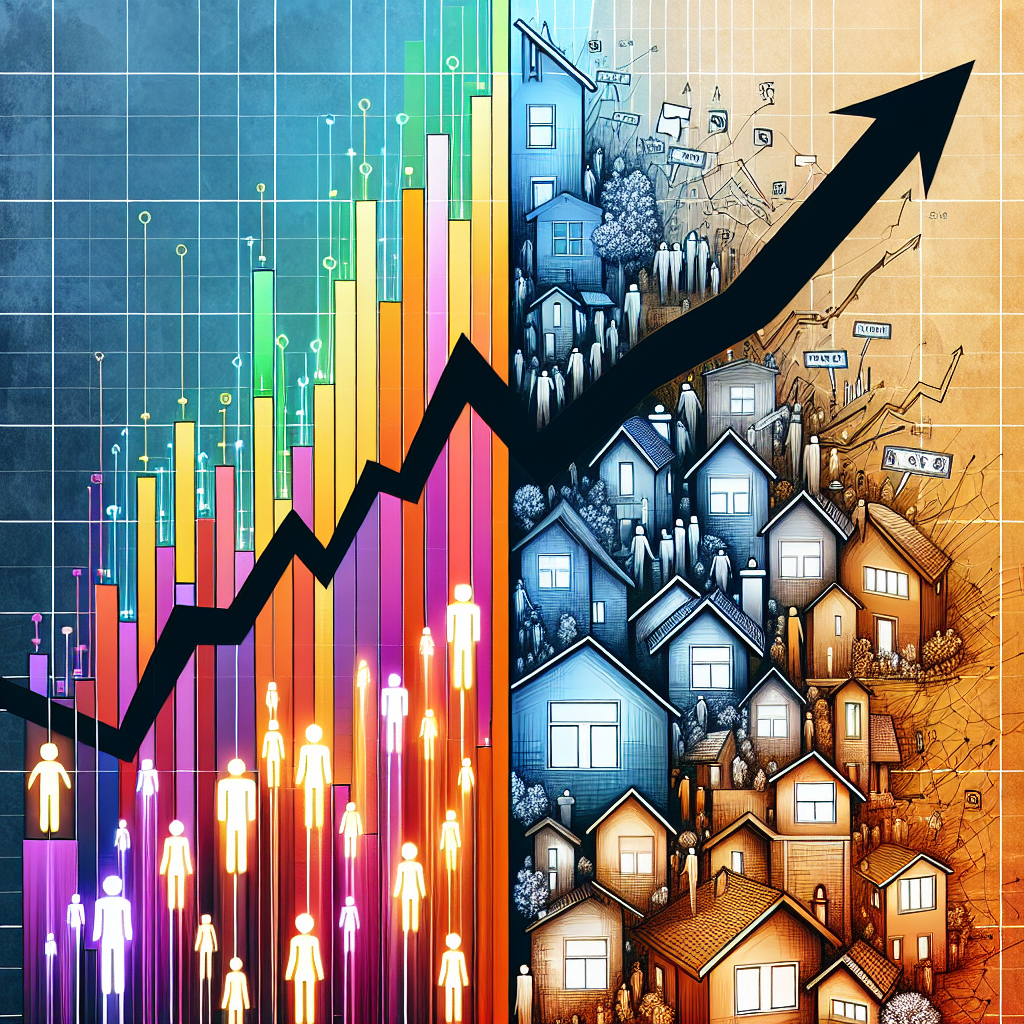
The housing market is an ever-evolving entity influenced by various factors, both predictable and unpredictable. Among the myriad of elements that shape the housing market, population growth stands out as one of the most influential. As more people inhabit an area, the demand for housing naturally increases, setting off a cascade of effects that ripple through the economy, affecting everything from property prices to architectural trends. In this article, we shall delve deep into the impact of population growth on housing market trends, unraveling the complexities behind how and why population changes can significantly alter the landscape of real estate.
Population growth is not a monolithic force; it can stem from different sources such as natural growth (birth rates exceeding death rates), migration (both international and domestic), and economic factors attracting individuals to new opportunities. Each of these sources can independently affect the housing market, but often they intersect, creating multilayered effects. For instance, a booming tech city might attract young professionals from across the globe, leading to increased demand for urban housing and, consequently, soaring property prices.
Another critical aspect to consider is that population growth does not uniformly impact all areas. Urban centers might experience rapid growth due to economic opportunities, while rural areas may see slower growth or even decline as younger populations move towards cities. Therefore, the impact on housing markets can vary significantly depending on the region in question. Additionally, government policies and infrastructure development play crucial roles in mitigating or exacerbating these effects.
As we navigate through this article, we will explore several key subtopics including urbanization trends, housing affordability, changes in housing supply and demand, and the role of government regulation. By understanding these aspects, we gain a holistic view of how population growth influences housing market trends and what this means for buyers, sellers, and policymakers in the ever-dynamic housing landscape.
Urbanization Trends: Shifting the Geographic Focus
Urbanization is one of the most visible and immediate effects of population growth on housing market trends. As people flock to cities in search of better employment opportunities, education, and lifestyle amenities, urban centers expand both horizontally and vertically. This influx drives up the demand for housing, compressing available space and pushing property prices upward.
One of the significant trends associated with urbanization is the densification of housing. With limited horizontal expansion possibilities in established cities, developers and planners often turn towards high-density residential projects. Skyscrapers and multi-unit apartment complexes become the norm, as single-family homes become scarcer and more expensive. This shift not only alters the architectural landscape but also influences the socio-economic fabric of urban areas.
In conjunction with densification comes the phenomenon of gentrification. As urban areas become more desirable, older, and often lower-income neighborhoods undergo revitalization, making them attractive to wealthier populations. This process can significantly impact the original residents, sometimes displacing long-time locals due to rising costs. Gentrification thus introduces both opportunities and challenges, reshaping the socio-economic and cultural makeup of cities.
Suburban and exurban growth is another critical aspect of urbanization trends. As central urban areas become saturated and expensive, populations start migrating towards the suburbs. This movement often leads to the expansion of metropolitan areas, incorporating previously rural regions into the urban fold. These newly urbanized areas must adapt by developing housing infrastructure rapidly to meet the growing demands, often spurring new residential complexes, schools, and commercial spaces.
Housing Affordability: Striving for Equilibrium
As population growth drives up demand for housing, challenges around affordability inevitably come to the fore. Housing affordability, defined as the extent to which housing is within the financial reach of households, can be significantly strained under conditions of rapid population growth. When demand outpaces supply, property prices escalate, making it increasingly difficult for average-income families to find affordable housing.
In many thriving urban areas, a considerable portion of the population finds itself dedicating a disproportionally large share of income towards housing costs. This imbalance not only affects the quality of life for residents but also has broader economic implications. Consumers left with less disposable income tend to spend less on other goods and services, which can inhibit overall economic growth.
Government intervention through affordable housing policies and development incentives is crucial in mitigating these affordability issues. Initiatives such as rent controls, subsidy programs, and the promotion of mixed-income developments aim to ensure that a broader segment of the population can access decent housing. Additionally, public-private partnerships can play a pivotal role in developing affordable housing projects, leveraging both public funding and private sector expertise.
Moreover, innovative housing solutions like micro-apartments, co-living spaces, and modular homes are gaining traction as viable alternatives in high-demand areas. These solutions aim to optimize space usage and reduce construction costs, making it possible to offer affordable housing without sacrificing quality. However, such innovations also require supportive zoning laws and regulatory frameworks to be effectively implemented.

Supply and Demand Dynamics: Balancing the Scales
The principles of supply and demand are fundamental to understanding housing market trends, especially under the influence of population growth. When an area’s population increases, the immediate effect is heightened demand for housing. If the supply does not match this burgeoning demand, prices inevitably rise, leading to a seller’s market where fewer properties are available, and competitive bidding becomes the norm.
Construction and development activities must scale up to address these imbalances, yet several challenges can impede swift expansion. Regulatory hurdles, land availability, and rising construction costs are common obstacles that developers face. Even when developers can navigate these hurdles, the lead time involved in planning and constructing new housing units means that supply often lags behind demand. This lag can exacerbate affordability issues and strain existing infrastructure.
Conversely, if a market experiences a population outflow or slower growth, housing supply may exceed demand, leading to a buyer’s market. Property prices may stagnate or even decline, affecting investment returns and leading to potential oversupply issues. Policymakers and developers must remain agile, continually assessing market trends to avoid such imbalances and ensure sustainable growth.
Addressing supply constraints also involves innovative land-use practices and efficient urban planning. Redeveloping underutilized urban spaces, implementing mixed-use developments, and supporting transit-oriented development are strategies that can help optimize land and housing supply. Additionally, fostering a transparent and efficient regulatory environment can facilitate quicker approval processes, enabling timely responses to market needs.
The Role of Government Regulation: Guiding the Market
Government policies and regulations play an instrumental role in shaping housing market trends, particularly in the context of population growth. Zoning laws, building codes, and land-use regulations directly influence how cities can expand and accommodate growing populations. Effective regulatory frameworks are pivotal in ensuring that growth is managed sustainably, balancing the needs of various stakeholders.
One critical aspect of regulation is zoning, which determines how land can be used for residential, commercial, and industrial purposes. Flexible and adaptive zoning laws can facilitate the development of diverse housing types, fostering inclusive communities. Conversely, restrictive zoning can stymie growth, leading to shortages and high property prices.
Building codes and standards also ensure that new constructions are safe, sustainable, and energy-efficient. As population growth drives the expansion of housing, adhering to stringent building standards helps ensure long-term resilience and quality. Moreover, these standards can incorporate environmentally sustainable practices, promoting green building initiatives that contribute to broader environmental goals.
Government incentives and subsidies are also vital tools in promoting affordable housing. By providing financial support to developers who build affordable units, or offering tax credits to homeowners and renters, governments can make significant strides in addressing affordability challenges. Additionally, public-private partnerships offer a collaborative approach to solving complex housing issues, leveraging the strengths and resources of both sectors.
Shifting Demographics: The New Age of Housing Demands
Population growth often accompanies changes in demographics, which can have profound implications for housing market trends. Factors such as age distribution, household composition, and cultural shifts all play pivotal roles in shaping housing demands and preferences.
The aging population, for example, prompts demand for age-friendly housing options. Baby boomers entering retirement might prefer smaller, accessible homes, often seeking single-story layouts with proximity to healthcare and recreational facilities. The rise of senior living communities and assisted living facilities reflects this demographic shift, catering to the needs of older adults.
Younger generations, including Millennials and Gen Z, exhibit distinct housing preferences compared to their predecessors. These groups typically prioritize affordability, flexibility, and access to urban amenities. The growing trend of renting over homeownership among younger populations has spurred the development of rental properties, co-living spaces, and micro-apartments, catering to their transient lifestyles and budget constraints.
Changes in household composition also impact housing demands. Increasing trends of smaller households, single-person dwellings, and unmarried individuals influence the types of housing required. Developers are responding with diverse housing solutions, such as studio apartments, shared-living arrangements, and dual key setups, accommodating these evolving needs.
Cultural shifts and preferences, driven by a more diverse population, further diversify housing demands. A multicultural populace might seek housing that blends elements from various traditions, requiring flexibility in design. Additionally, the growing emphasis on sustainability and eco-conscious living is shaping housing markets, with an increasing demand for green buildings, energy-efficient homes, and developments that prioritize environmental considerations.
Conclusion: Navigating the Future
As we explore the impact of population growth on housing market trends, it becomes evident that a complex and interconnected web of factors guides the dynamics of real estate. Urbanization, affordability, supply and demand, government regulation, and shifting demographics all play integral roles in shaping how housing markets respond to population changes. Understanding these elements provides invaluable insights into anticipating and navigating the future of housing.
Effective urban planning and policy interventions are crucial in ensuring that housing markets remain resilient, equitable, and responsive to population growth. Governments, developers, and communities must collaborate to create environments that are inclusive, sustainable, and economically vibrant. Innovative housing solutions, flexible regulations, and an unwavering commitment to affordability and environmental stewardship are essential components in crafting a housing market that can adapt to the pressures of growing populations.
As we move forward, continuous monitoring of trends and proactive adaptability will be key in addressing the challenges and opportunities presented by population growth. By fostering a housing market that accommodates diverse needs and supports economic growth, we pave the way for thriving, dynamic, and sustainable communities.
Frequently Asked Questions
1. How does population growth directly affect the housing market?
Population growth has a direct and potent effect on the housing market. When the number of people in a given area increases, there is a corresponding rise in the demand for housing. More individuals and families need homes, whether to buy or rent, which in turn puts pressure on the existing housing stock. This heightened demand often leads to an increase in housing prices, as the demand can outpace the current supply. Additionally, the sheer need for more housing can stimulate new construction efforts and developments.
Beyond just affecting prices and availability, population growth can drive changes in the types of housing that are most commonly sought. For example, younger populations might increase the demand for smaller, more affordable apartments or modern, eco-friendly developments. Conversely, areas experiencing growth among families might see a need for larger homes with more bedrooms. Overall, population growth can act as a catalyst for dynamic shifts in the housing market landscape.
2. What are some challenges faced by cities experiencing rapid population growth?
Rapid population growth presents numerous challenges for urban areas. One of the foremost issues is the strain on existing housing resources, which can lead to overcrowding and inadequacies in housing availability. This places both economic and social pressures on the city, as residents may struggle to find affordable and suitable living situations.
Moreover, rapid population growth can exacerbate infrastructure issues. Cities might see increased traffic congestion, greater public transportation needs, pressure on utilities like water and electricity, and a demand for expanded services such as schools and healthcare facilities. This, in turn, requires careful urban planning and significant investment to accommodate the larger population and maintain quality of life.
The housing market needs to evolve quickly to meet these challenges, requiring not just new constructions but also renovations and upgrades to existing infrastructure. The need for balanced, strategic urban development becomes paramount to manage these challenges effectively.
3. How can population growth influence property prices and rental rates?
Population growth is a significant driver of property prices and rental rates in any region. With an influx of people comes increased demand for available housing options. When this demand exceeds supply, property prices often increase, as potential homeowners are willing to pay more to secure a place to live. This is the basic principle of supply and demand affecting market dynamics.
Rental markets are similarly impacted. A growing population means more competition for rental properties, leading landlords to raise prices. In some cases, this may result in a higher prevalence of bidding wars or renters offering above the listed price to secure a rental property. Additionally, a competitive rental market can lead to stricter lease terms and less flexibility in negotiations for tenants.
Alongside these financial implications, rising prices and rental rates can affect broader economic conditions by possibly driving residents to seek housing further from city centers, influencing commuting patterns, and altering the economic diversity within neighborhoods.
4. What impact does population growth have on the architectural trends in the housing market?
The surge in population growth often pushes the evolution of architectural trends in the housing market. As cities grow, there is a necessity to maximize space efficiently, leading many developers to adopt innovative architectural designs. High-density living solutions, such as apartment complexes and mixed-use development projects, often become more prevalent in urban planning schemes.
Additionally, the environmental impact of housing becomes a significant consideration with population growth. There is an increased focus on sustainable and green architecture as cities work to accommodate more residents while minimizing ecological footprints. This has given rise to trends like passive solar design, the use of sustainable materials, and energy-efficient buildings.
Moreover, in response to a growing and diversifying populace, architecture also often incorporates various cultural influences, leading to designs that are more inclusive and reflective of a multi-cultural society. Thus, population growth can catalyze a more innovative, culturally diverse, and environmentally conscious architectural landscape within the housing market.
5. Can government policies effectively manage the impact of population growth on the housing market?
Yes, government policies play a crucial role in managing the effects of population growth on the housing market. Policymakers can implement strategic zoning regulations to ensure sufficient land is allocated for residential development, accommodating the growing demand for housing. Such policies can also encourage the development of affordable housing units to maintain housing accessibility across different income levels.
Incentives for developers to build sustainable and high-density housing can also help manage burgeoning populations. Tax breaks or subsidies can facilitate the construction of environmentally-friendly buildings that address the dual needs of shelter and sustainability. Moreover, policies aimed at improving public transportation can extend the livability of suburbs, reducing the pressure on urban centers.
Government intervention can also come in the form of rent control measures to stabilize housing costs and protect tenants from exorbitant increases. Ultimately, an integrated approach, that combines economic incentives, regulatory oversight, and long-term urban planning, is necessary to effectively manage population growth’s impact on the housing market. Ideally, these measures should aim to stabilize housing market trends while ensuring the overall well-being of the population remains a priority.