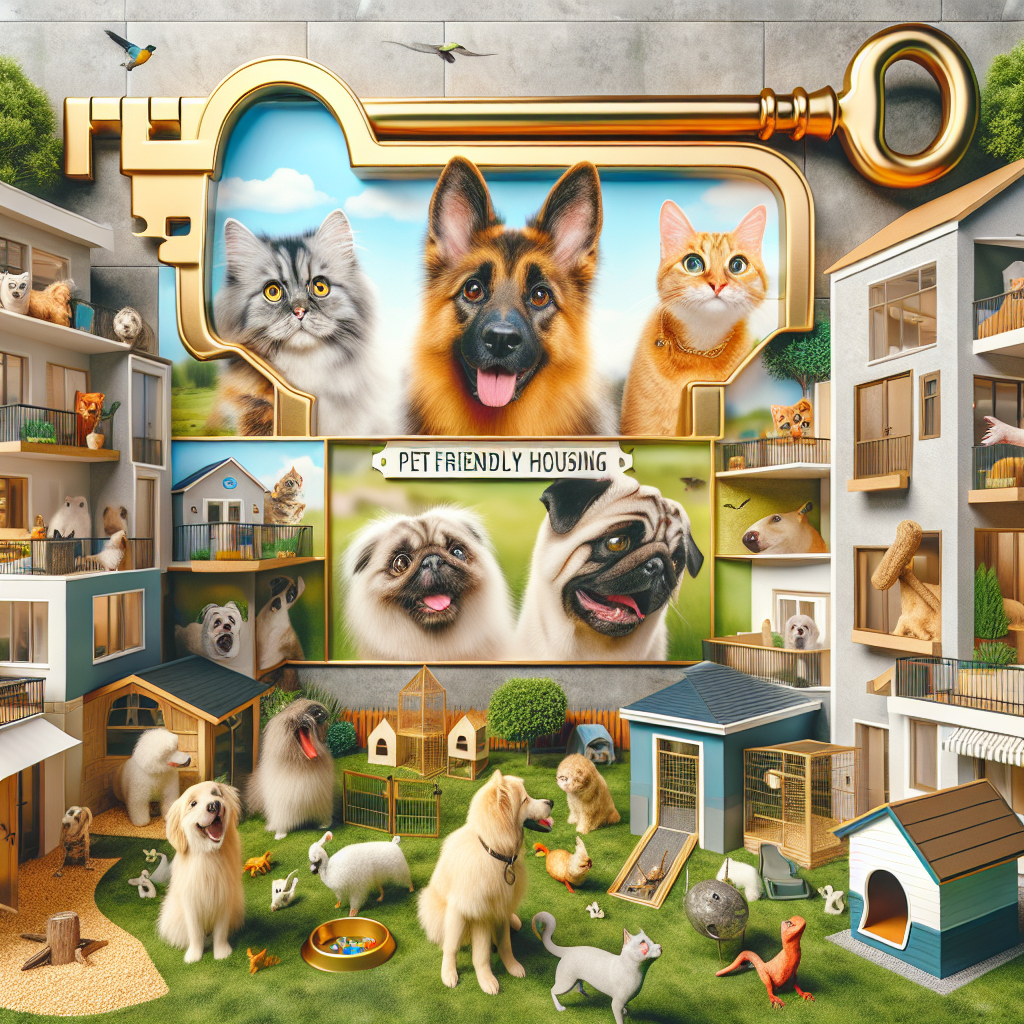
The bond between humans and their pets is a deep-rooted and evolving relationship that has led to substantial changes in various aspects of life, including housing preferences. Over the past decade, there has been a significant increase in the demand for pet-friendly housing across the United States. This shift is not merely a passing trend but a reflection of a broader societal change where pets are increasingly viewed as integral members of the family. As the number of pet owners continues to rise, so does the need for housing that accommodates the needs of both residents and their furry companions. This article explores the factors driving the demand for pet-friendly housing, its impact on the housing market, and how property developers are responding to these new consumer preferences.
The American Pet Products Association (APPA) reports that 67% of U.S. households, or about 85 million families, own a pet. With such a significant portion of the population owning pets, it’s no surprise that pet-friendly amenities have become a priority for many home seekers. Whether it’s renting an apartment or purchasing a home, the presence of pet amenities is often a critical deciding factor. Tenants and buyers are no longer satisfied with basic acceptance of pets; they now look for properties that offer specialized amenities such as pet washing stations, on-site dog parks, and convenient access to walking trails. These features not only enhance the quality of life for pets but also for their owners, contributing to their overall satisfaction with their living situation.
Factors Driving the Demand for Pet-Friendly Housing
Several factors contribute to the growing demand for pet-friendly housing. One of the primary reasons is the significant rise in pet ownership. Changes in family structures, such as an increase in single-person households and child-free couples, have led to more people adopting pets for companionship. Pets provide emotional support, reduce stress, and help combat loneliness, making them invaluable companions, especially in urban environments where social interactions can be limited.
Furthermore, the demographic shift towards younger generations, particularly Millennials and Generation Z, has also played a crucial role. These generations are not just more likely to own pets but also place a high value on their pets’ well-being and quality of life. For many in these age groups, finding a pet-friendly residence is non-negotiable. Younger renters and buyers are increasingly vocal about their expectations and preferences, pushing property developers to meet these demands.
Additionally, the ongoing COVID-19 pandemic has significantly influenced housing preferences. With more people working from home, the presence of a pet has provided essential emotional support during isolating times. The pandemic led to a surge in pet adoptions, further amplifying the demand for pet-friendly housing. Remote work has also enabled more flexible living arrangements, allowing people to move from congested urban areas to suburban or rural locations where pet-friendly properties are more accessible.
The Impact on the Housing Market
The rising demand for pet-friendly housing has had a noticeable impact on the housing market. In the rental market, landlords who embrace pet-friendly policies are likely to experience higher occupancy rates and reduced turnover. Research indicates that pet-friendly rentals tend to have lower vacancy rates because they appeal to a broader audience. Moreover, landlords can often charge premium rents for pet-friendly properties, reflecting the value added by pet amenities and policies.
On the sales side, real estate agents have observed that homes with features like fenced yards, proximity to parks, and pet-friendly neighborhoods are more attractive to potential buyers. Listings that highlight such amenities tend to sell faster and often at higher prices. This trend is reshaping how real estate is marketed, with a growing emphasis on showcasing pet-friendly features.
Beyond residential properties, the commercial real estate market is also adapting to these changes. Mixed-use developments that combine living spaces with pet-friendly retail and services, such as pet grooming salons, veterinary clinics, and pet supply stores, are becoming increasingly popular. These integrated communities cater to the needs of pet owners, creating a more convenient and cohesive living experience.

Property Developers Respond
Recognizing the growing demand for pet-friendly housing, property developers are incorporating pet amenities into their projects from the outset. Modern apartment complexes and housing developments now often include dedicated dog parks, pet washing stations, and even pet spas as part of their standard offerings. These amenities not only attract pet owners but also enhance community engagement and social interaction among residents.
Some developers are going a step further by integrating pet-friendly features into the design of homes and apartments. For instance, built-in pet nooks, hidden litter box compartments, and pet feeding stations are becoming common in new builds. These thoughtful touches demonstrate a commitment to accommodating pets and acknowledging their importance in the lives of residents.
Property developers are also exploring ways to make existing buildings more pet-friendly. Retrofit projects might include the addition of pet waste stations, pet-friendly flooring materials, and improved ventilation systems to reduce allergens. Such upgrades can significantly enhance the appeal of older buildings to pet owners, making them competitive with newer developments.
Challenges and Considerations
While the trend towards pet-friendly housing is promising, it also presents certain challenges and considerations for property owners and developers. One of the primary concerns is managing potential damage caused by pets. To mitigate this risk, many landlords and property managers implement pet policies that include pet deposits, additional monthly pet rent, and specific breed or size restrictions.
Additionally, ensuring a comfortable and harmonious living environment for all residents requires careful planning and design. Noise control measures, such as soundproofing and strategic placement of pet amenities, can help minimize disturbances. Providing designated pet relief areas and waste disposal stations is essential to maintain cleanliness and hygiene in shared spaces.
Education and clear communication with residents about pet policies and expectations are also crucial. Establishing guidelines for pet behavior and promoting responsible pet ownership can prevent conflicts and ensure a positive living experience for all residents, whether they own pets or not. Community initiatives, such as pet etiquette workshops and resident newsletters, can foster a sense of community and mutual respect.
The Future of Pet-Friendly Housing
Looking ahead, the demand for pet-friendly housing is expected to continue growing. As pets increasingly become an integral part of families, the housing market will need to adapt to meet the evolving needs of pet owners. Technological advancements and innovative solutions will likely play a significant role in shaping the future of pet-friendly housing.
Smart home technology, for instance, can enhance the living experience for both pets and their owners. Automated pet feeders, remote monitoring systems, and smart pet doors are just a few examples of how technology can provide convenience and peace of mind. Additionally, sustainable and eco-friendly design practices can benefit pets and the environment, promoting healthy living spaces for all residents.
The integration of pet-friendly services within residential communities is another trend that is likely to grow. On-site veterinary clinics, pet daycare facilities, and pet grooming services can provide added value and convenience for pet owners. These amenities not only cater to the needs of pets but also create a sense of community and belonging for their owners.
Conclusion
The growing demand for pet-friendly housing is a testament to the deep bond between humans and their pets. As pets become increasingly valued members of the family, their needs and well-being are driving changes in the housing market. Property developers and landlords who recognize and respond to this trend are likely to reap the benefits of higher occupancy rates, increased tenant satisfaction, and greater property value.
From specialized pet amenities to innovative design solutions, the housing market is evolving to accommodate the needs of pet owners. As this trend continues, it presents opportunities for creative and forward-thinking approaches to residential living. By prioritizing the needs of pets and their owners, the housing market can create more inclusive, enjoyable, and vibrant communities for all residents.
Ultimately, the future of pet-friendly housing looks promising, with pet owners playing a crucial role in shaping the way we live. As we continue to embrace pets as integral members of our families, the housing market will undoubtedly evolve to reflect this important societal shift, leading to better living experiences for both humans and their beloved pets.
Frequently Asked Questions
1. Why is there a growing demand for pet-friendly housing?
The demand for pet-friendly housing has been on the rise due to the evolving relationship between humans and their pets. In recent years, pets have become more than just companions; they are seen as integral members of the family. This shift means that when people are looking for a place to live, they prioritize the needs and well-being of their pets just as they would for any family member. Additionally, the increase in pet ownership, particularly among millennials and Gen Z who are increasingly choosing pets over traditional families, has driven landlords and property developers to accommodate this demand. More people working remotely also prefer to share their living space with pets, which further amplifies the need for pet-inclusive housing.
2. What features make a housing unit pet-friendly?
Pet-friendly housing typically offers a range of features and amenities that cater to both the pets and their owners. Common features include dedicated pet areas such as dog parks or pet-friendly walking trails, pet-washing stations, and a pet concierge service. In-unit features might include pet-friendly flooring, balcony safety nets, and built-in feeding stations. Beyond physical amenities, pet-friendly communities often have policies that accommodate pets, such as allowing multiple pets per unit, having fewer breed and size restrictions, or providing resources like pet-sitting services. These attributes not only make it easier for pet owners to manage their daily routines but also enhance the overall quality of life for both pets and owners.
3. How do landlords benefit from offering pet-friendly housing?
Landlords can reap significant benefits from offering pet-friendly housing. First and foremost, it opens up a larger market, attracting a broader range of potential tenants who might otherwise be excluded. This can lead to lower vacancy rates and potentially higher rent prices, as tenants are often willing to pay a premium for accommodations that cater to their pets. Furthermore, tenants with pets tend to stay longer as finding suitable pet-friendly options can be challenging, thereby increasing tenant retention. Additionally, pet-friendly communities often enjoy a stronger sense of community as pets can help break the ice among neighbors and build a friendly atmosphere.
4. What challenges do landlords face with pet-friendly housing, and how can they address them?
While the benefits are numerous, landlords might face challenges such as potential property damage or noise complaints related to pets. To address these concerns, property managers can implement measures such as requiring pet deposits or additional pet rent to cover any potential damages. Regular maintenance checks and clear policies on pet behavior can also help mitigate issues. Moreover, providing training sessions or informing tenants about local pet care resources can further reduce the chance of disturbances and enhance the livability for everyone in the community. It’s also important for landlords to have clear, consistent pet rules that are communicated effectively to maintain a pet-friendly yet orderly environment.
5. Are there any legal considerations for landlords regarding pet-friendly housing?
Yes, there are several legal considerations that landlords should keep in mind when offering pet-friendly housing. Local and federal laws, such as the Americans with Disabilities Act (ADA), require landlords to accommodate service animals. This means landlords cannot charge pet fees or impose breed restrictions on service or emotional support animals, as these animals are not considered pets under the law. It’s crucial for landlords to stay informed about these regulations and to differentiate service animals from pets to avoid legal pitfalls. Additionally, crafting a well-defined pet policy that complies with legal standards and is consistently applied to all tenants can help landlords manage their properties effectively and avoid potential disputes.