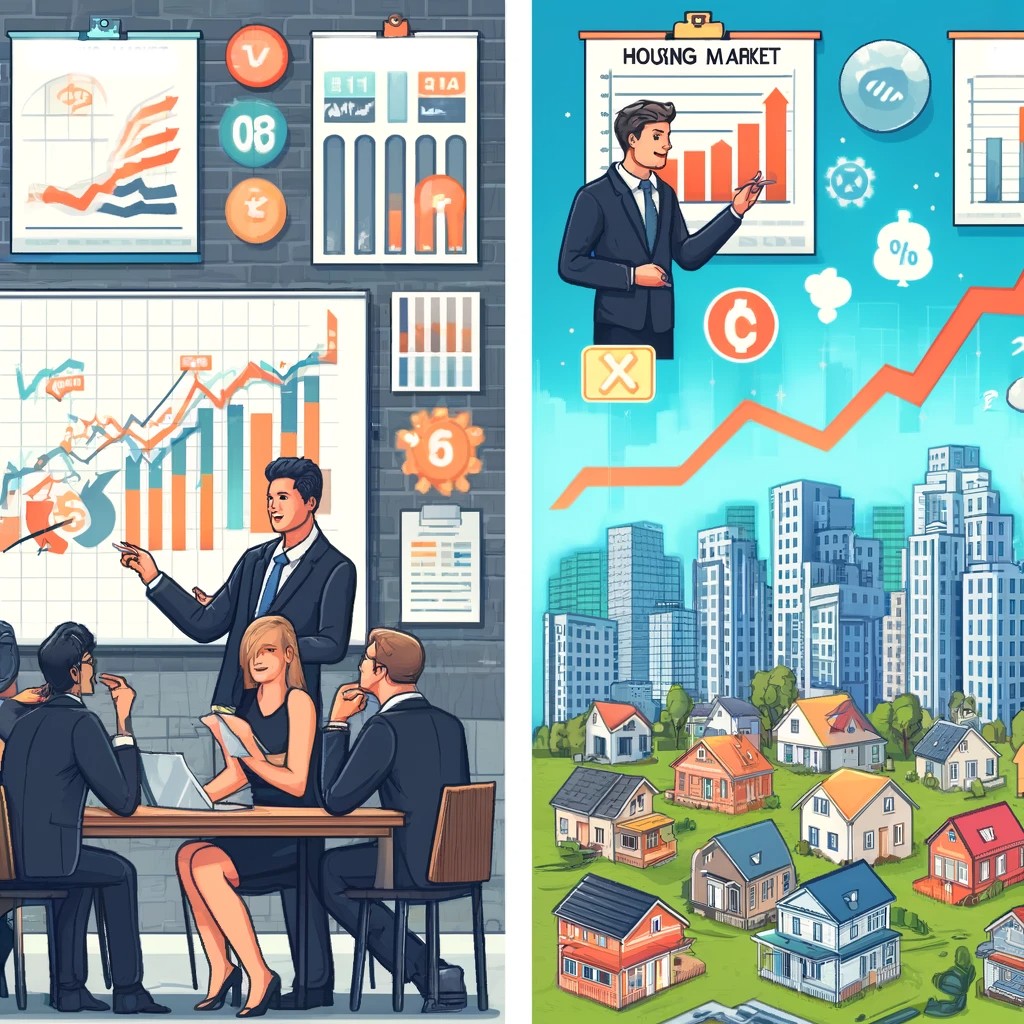
The design of urban areas plays a significant role in shaping the preferences and behaviors of homebuyers. Recent trends in the housing market indicate that a well-thought-out urban design can influence homebuyers’ decisions, convenience, and even lifestyle choices. As cities around the world continue to grow and evolve, urban designers and planners are considering how factors such as walkability, accessibility, amenities, and aesthetics affect public preferences in the housing market. This article explores the intricate relationship between urban design and housing market preferences, highlighting key trends that developers and planners must address to appeal to modern homeowners.
In today’s dynamic world, where consumer preferences are continually shifting, it becomes imperative to understand the underlying factors driving these changes. Urban design is no longer solely about constructing buildings and infrastructure; it’s about creating spaces that foster community, sustainability, and overall well-being. With increasing attention on sustainable living and quality of life, urban planning is tasked with addressing these demands by integrating open spaces, green infrastructure, and efficient transit systems.
Additionally, technological advancements have introduced new dimensions to urban planning, such as the concept of smart cities, where connectivity and digital innovation are paramount. As homeowners become more discerning, influenced by lifestyle trends and a desire for improved living standards, urban design must adapt to meet these evolving needs. Through a closer examination of these elements, this article provides detailed insights into how urban design is shaping housing market preferences today.
Walkability and Accessibility
One of the most influential factors in determining housing market preferences is the walkability and accessibility of urban areas. In recent years, there has been a growing trend toward pedestrian-friendly neighborhoods where residents can easily access work, schools, shopping, and recreational options without relying heavily on cars. Walkable communities not only reduce the dependence on automobiles but also encourage a healthier, more active lifestyle.
Areas with high walkability scores often command a premium in the housing market. Homebuyers are willing to pay more for properties that offer convenience, reduced commuting times, and a vibrant street life. Neighborhoods that are well-connected through public transit options further enhance the appeal, attracting a diverse pool of residents who prioritize sustainability and ease of mobility.
Urban planners are responding to this trend by designing cities that cater to pedestrian and transit-oriented lifestyles. Incorporating bike lanes, pedestrian paths, and efficient transit systems into urban design not only addresses environmental concerns but also increases the attractiveness of the area to potential homebuyers. As consumer awareness around environmental sustainability grows, these aspects become critical in shaping housing market preferences.
Amenities and Public Spaces
The availability and quality of amenities also play a crucial role in influencing housing market preferences. Modern urban planning emphasizes the importance of integrating public spaces such as parks, playgrounds, community centers, and cultural hubs into residential areas. These amenities enhance the quality of life for residents, providing spaces for relaxation, socialization, and community engagement.
Homebuyers today seek neighborhoods that offer a high standard of living, which includes access to essential services like healthcare, education, and recreation. The presence of well-maintained parks, libraries, sports facilities, and entertainment options significantly impacts the desirability of an area. As a result, properties located near such amenities often see higher demand and increased property values.
In addition to physical amenities, urban design that promotes a sense of community and belonging is highly valued. Efficient use of public spaces can foster social interactions and community activities, which are essential for building strong, vibrant neighborhoods. Urban planners must consider these aspects to create environments that attract and retain residents, thereby influencing housing market trends positively.
Environmental Sustainability
Environmental sustainability is increasingly becoming a priority for homebuyers and urban planners alike. As awareness around climate change and environmental issues grows, there is a significant shift towards eco-friendly living. Urban design that incorporates green infrastructure, sustainable building practices, and energy-efficient technologies is highly attractive to potential homeowners.
Features such as green roofs, rainwater harvesting systems, solar panels, and community gardens not only reduce environmental impact but also offer cost savings through energy efficiency. Homebuyers are more inclined to invest in properties that align with their values of sustainability and environmental responsibility.
Urban planners are responding to this demand by designing cities that prioritize green spaces, reduce carbon footprints, and promote sustainable transportation methods. The inclusion of trees, parks, and green belts within urban areas not only improves air quality but also enhances the aesthetic appeal, making such localities more desirable in the housing market.
Technological Integration and Smart Cities
The advent of smart city technology has revolutionized urban design and housing market preferences. Smart cities leverage digital technologies to enhance the living standards, efficiency, and sustainability of urban areas. Features such as smart grids, IoT-enabled devices, and intelligent transportation systems offer residents convenience, safety, and improved quality of life.
Homebuyers are increasingly drawn to properties that incorporate smart home technologies, providing automation, security, and energy management solutions. Urban areas that promote digital connectivity and innovation are seen as forward-thinking and progressive, attracting tech-savvy residents who seek modern living environments.
Urban planners need to consider the integration of smart technologies in their designs, ensuring that infrastructure can support and adapt to future advancements. By fostering a tech-friendly environment, cities can attract a diverse population interested in leveraging these innovations for a better living experience.
Aesthetic and Architectural Appeal
The aesthetic and architectural appeal of urban areas significantly influences housing market preferences. Attractive, well-designed buildings and streetscapes can create a sense of pride and satisfaction among residents. Unique architectural styles, well-maintained historical sites, and visually appealing public spaces add to the charm and desirability of a neighborhood.
Urban planners and architects strive to blend functionality with beauty, ensuring that the city’s design is not only practical but also visually pleasing. Innovative designs that incorporate artistic elements, harmonious color schemes, and thoughtful landscaping enhance the overall living experience for residents.
Moreover, preserving the cultural and historical heritage within urban areas can create a unique identity and character, making these places stand out in the housing market. Combining modern architectural practices with respect for local traditions and history results in aesthetically appealing and culturally rich urban environments that attract homebuyers seeking distinctive living spaces.
Conclusion
Urban design plays a pivotal role in shaping housing market preferences. The trends discussed, including walkability and accessibility, amenities, environmental sustainability, technological integration, and aesthetic appeal, reveal the multifaceted nature of urban planning’s influence on homebuyer decisions. As cities continue to evolve, urban planners and developers must adapt to these emerging trends to create desirable, vibrant, and sustainable living environments.
By prioritizing pedestrian-friendly designs, integrating valuable amenities, embracing sustainable practices, leveraging smart technologies, and enhancing aesthetic appeal, urban design can cater to the diverse preferences of modern homebuyers. Understanding these dynamics allows planners to create urban spaces that not only meet the practical needs of residents but also contribute to their overall well-being and satisfaction.
The relationship between urban design and housing market preferences is complex and continually evolving. As consumer awareness and demands shift towards sustainability, convenience, and quality of life, urban planners must stay ahead of these trends to ensure that cities remain attractive and competitive in the housing market. The insights provided in this article serve as a valuable guide for those involved in urban planning and housing development, offering a comprehensive understanding of how design choices influence market preferences.
Frequently Asked Questions
1. How does urban design influence housing market preferences?
Urban design can have a profound impact on housing market preferences by affecting the overall quality of life in a particular area. When a city or neighborhood is well-designed, it can make the area more attractive to potential homebuyers. Features such as walkable streets, accessible public transit, parks, green spaces, and a variety of amenities can enhance the livability of an area, appealing to different demographic groups from young professionals to families. Additionally, a well-planned urban environment can promote social interaction, reduce traffic congestion and pollution, and contribute to a healthier lifestyle. For many homebuyers, these factors are crucial when selecting where to live, boosting the desirability of homes in well-designed urban areas.
2. What role does walkability play in shaping homebuyer preferences?
Walkability is a key factor in modern urban design that significantly influences homebuyer preferences. Homebuyers are increasingly prioritizing the ability to live in places where they can walk to retail stores, restaurants, entertainment venues, and workplaces. Walkability not only provides convenience but also fosters community engagement and offers environmental benefits by reducing the reliance on car travel. In areas with high walkability, residents often enjoy higher property values due to the demand for such convenient and vibrant living conditions. Furthermore, walkable areas tend to have lower crime rates and better access to services, which are appealing characteristics for homebuyers.
3. How do amenities impact the housing market in urban areas?
Amenities play a significant role in attracting potential homebuyers to urban areas. Amenities can range from basic needs like grocery stores and schools to leisure facilities like gyms, cafes, and cultural centers. The presence and quality of amenities can considerably affect the desirability of a neighborhood, influencing property values and overall market demand. When a community is rich in diverse amenities, it can cater to a wide range of lifestyles and preferences, from singles enjoying night entertainment to families looking for child-friendly activities. This not only increases the appeal of an area but also tends to build stronger, more cohesive communities, making neighborhoods more attractive to live in.
4. What importance does accessibility have in urban housing markets?
Accessibility is increasingly becoming a critical aspect of urban design due to its impact on the housing market. Accessibility in urban contexts refers to the ease with which residents can access public transportation, essential services, and employment centers. Good accessibility minimizes travel time and cost, enhances connectivity, and substantially improves quality of life. Housing markets adjacent to well-connected transit systems and major roads or proximate to significant employment hubs tend to be more appealing, thus driving up demand and prices. Urban designs that prioritize accessibility can effectively entice a diverse range of homebuyers, including those seeking sustainable ways of commuting and individuals seeking more time-efficient lifestyles.
5. How do aesthetics shape homebuyer preferences in urban design?
Aesthetics, or the visual appeal and design quality of an area, can significantly shape homebuyer preferences. Urban areas that prioritize aesthetics through well-maintained streetscapes, cohesive architectural styles, and the integration of natural elements such as trees and water features often create desirable environments to live in. People typically prefer environments that are not only functional but also pleasing to the eye; this can lead to enhanced emotional well-being and greater community pride. Engaging public spaces, thoughtfully designed public art, and attention to detail in building forms can contribute to the character of a neighborhood, ultimately influencing homebuyers’ decisions and property values positively.