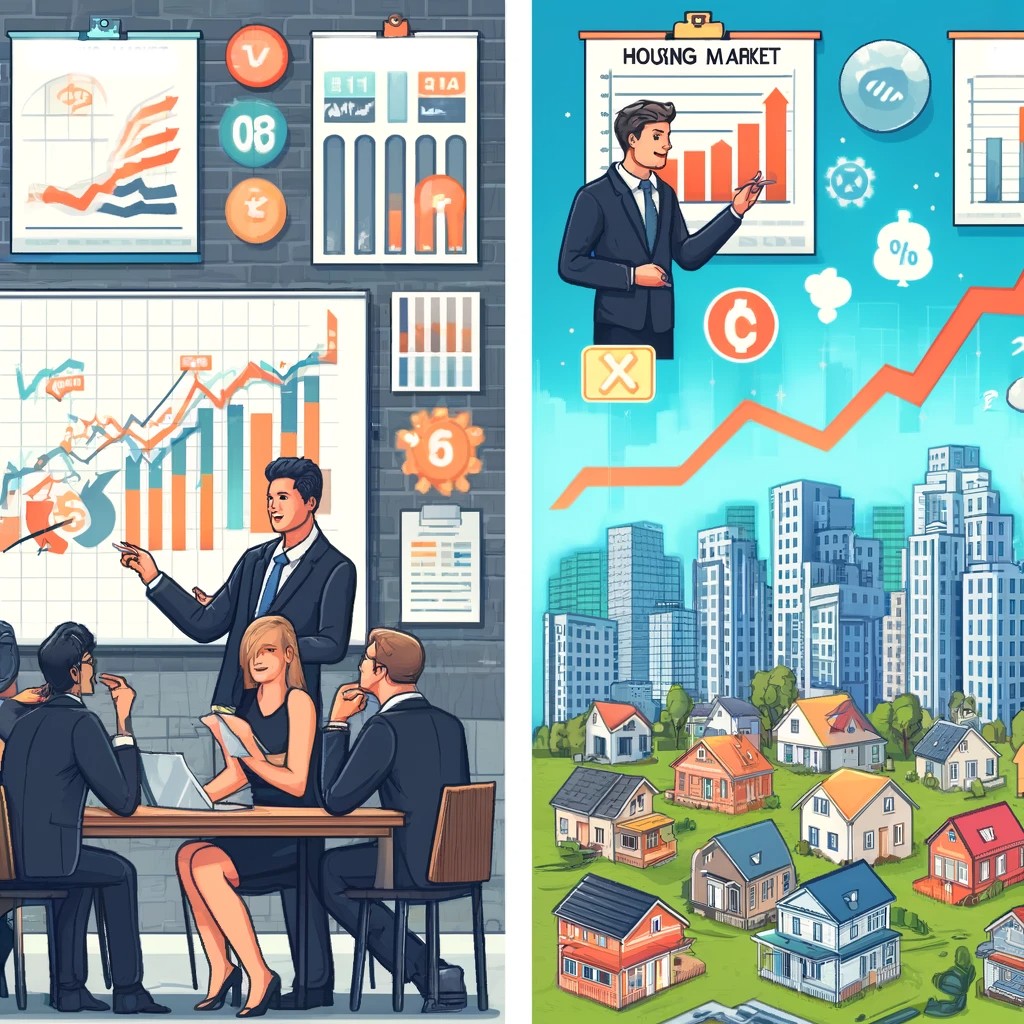
In recent years, the housing market has undergone significant transformations, driven by evolving consumer preferences and regulatory mandates. Among the most notable trends is the burgeoning demand for energy-efficient homes. According to industry experts, this shift is not a fleeting fad but a substantial movement toward sustainability and cost-effectiveness. Homebuyers today are more informed and conscientious about environmental impacts and energy consumption.
The growing interest in green architecture and energy-efficient home solutions is shaping the future of housing. These types of homes are not only better for the environment but also offer long-term financial benefits. Lower utility bills and improved indoor air quality make energy-efficient homes an attractive investment. Moreover, technological advancements have made it easier and more cost-effective to build these homes, further cementing their place in the market.
The trend transcends beyond individual homes, influencing urban planning and development strategies. Cities are increasingly advocating for energy conservation measures and green building codes. Policy changes at both local and national levels are encouraging developers to incorporate energy-efficient practices and materials. This article delves into the factors fueling the demand for energy-efficient homes, the benefits they offer, the challenges associated with them, and the future outlook of this growing trend.
Factors Fueling the Demand
The rising demand for energy-efficient homes can be attributed to several key factors. Perhaps the most influential is the growing environmental awareness among consumers. Climate change concerns and the depletion of natural resources have made individuals more conscious about their ecological footprint. As a result, many are opting for homes that minimize energy usage and reduce carbon emissions.
Another significant factor is the financial incentives associated with energy-efficient homes. Governments and local authorities offer various tax credits, rebates, and incentives for homeowners who invest in energy-saving measures. These financial benefits make energy-efficient homes more accessible and appealing to a broader range of buyers.
Technological advancements have also played a crucial role. Innovations in insulation materials, energy-efficient appliances, and renewable energy solutions such as solar panels have made it easier to build and retrofit homes for better efficiency. Additionally, smart home technologies that allow homeowners to monitor and control energy usage are becoming more common and affordable.
The real estate market is also responding to these trends. Developers recognize that energy-efficient homes have higher resale values and market appeal. Consequently, more builders are incorporating sustainable practices and materials into their projects. Additionally, real estate agents are better equipped to highlight the benefits of energy-efficient homes to potential buyers, contributing to the increasing demand.
Benefits of Energy-Efficient Homes
One of the most significant benefits of energy-efficient homes is the reduction in energy consumption and utility costs. By incorporating better insulation, energy-efficient windows, and high-efficiency heating and cooling systems, these homes require less energy to maintain comfortable living conditions. Over time, the savings on energy bills can be substantial, providing homeowners with a strong financial incentive.
Improved indoor air quality is another crucial benefit. Energy-efficient homes often include advanced ventilation systems and the use of non-toxic building materials, which contribute to healthier indoor environments. This is particularly important for individuals with respiratory issues or allergies, as it can significantly improve their quality of life.
Energy-efficient homes also offer increased comfort and durability. High-quality insulation, windows, and construction materials maintain consistent indoor temperatures, reducing drafts and cold spots. Moreover, these homes are typically built to last, with durable materials that require less maintenance over time.
On a broader scale, energy-efficient homes contribute to environmental sustainability. By reducing energy consumption, they help decrease greenhouse gas emissions and reliance on non-renewable energy sources. This benefits the environment and supports global efforts to combat climate change.
Challenges in Adopting Energy-Efficient Homes
Despite the numerous benefits, there are challenges in adopting energy-efficient homes. One of the primary obstacles is the initial cost. Although long-term savings are significant, the upfront investment in energy-efficient technologies and materials can be a deterrent for some buyers. However, this barrier is gradually diminishing as technology advances and costs decrease.
Lack of awareness and education is another challenge. Many potential homeowners are not fully aware of the benefits of energy-efficient homes or how to determine the energy efficiency of a property. This is where real estate agents and builders play a crucial role in educating buyers.
Regulatory hurdles can also pose challenges. Building codes and regulations vary widely between regions, and navigating them can be complex. While some areas have embraced energy-efficient standards, others may lag, creating inconsistencies in the market.
Finally, retrofitting older homes to become energy-efficient can be more challenging and costly than building new ones. Existing structures may require extensive modifications to meet modern energy efficiency standards, which can be prohibitive in terms of both cost and practicality.
Technological Innovations Driving the Market
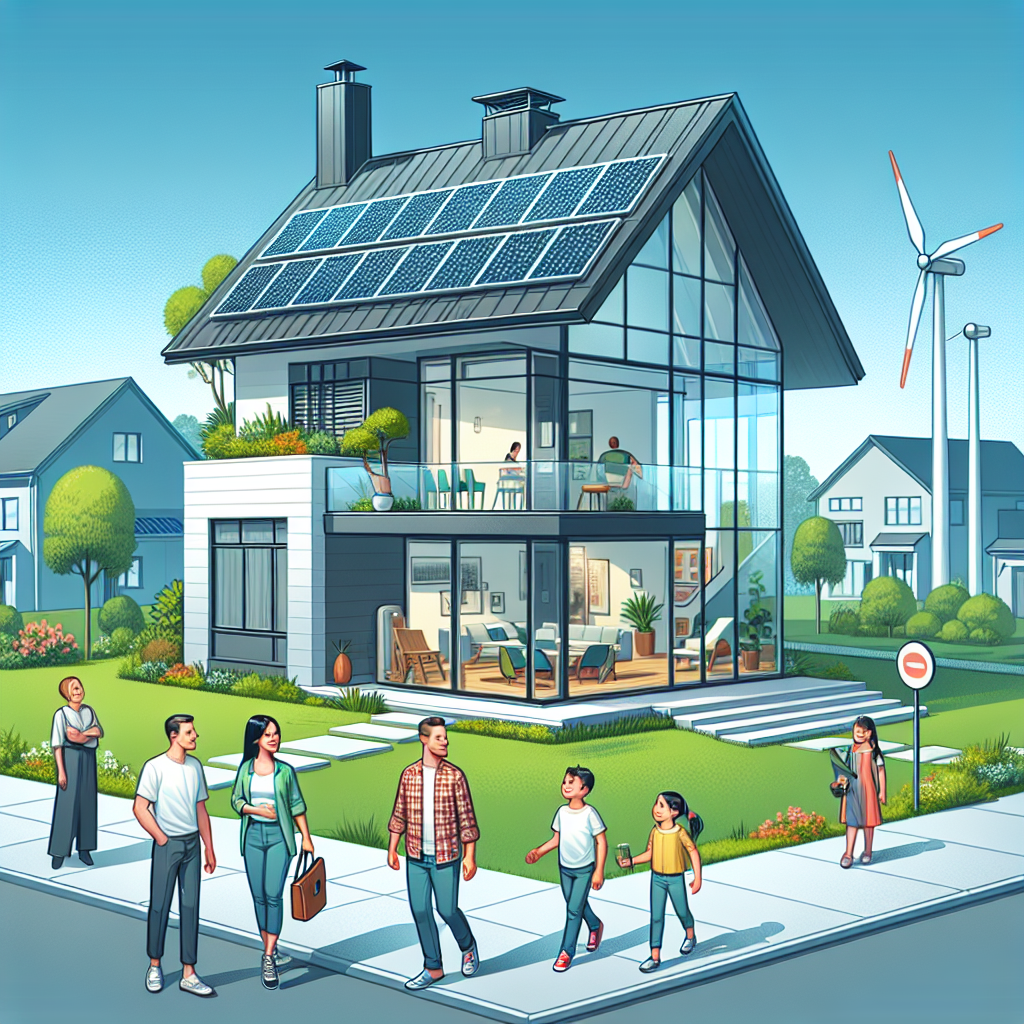
Advancements in technology are pivotal in the rise of energy-efficient homes. Innovations in building materials, such as high-performance insulation and energy-efficient windows, have dramatically improved the energy performance of homes.
Renewable energy technologies, such as solar panels and wind turbines, have become more affordable and accessible. These technologies allow homeowners to generate their energy, further reducing reliance on non-renewable sources and lowering utility bills.
Smart home systems are another game-changer. These systems allow homeowners to monitor and control energy usage remotely through their smartphones or other devices. Smart thermostats, lighting systems, and appliances can optimize energy consumption, enhancing the overall efficiency of the home.
Additionally, advancements in construction techniques, such as modular and prefabricated homes, are making it easier and more cost-effective to build energy-efficient homes. These methods often result in less waste and quicker construction times, furthering the appeal of energy-efficient housing.
Future Outlook
The demand for energy-efficient homes is expected to continue growing. As environmental concerns and energy costs rise, more consumers will seek sustainable living solutions. Moreover, governments worldwide are likely to implement stricter regulations and incentives to promote energy-efficient building practices, further driving the market.
The integration of renewable energy solutions and smart home technologies will become increasingly common, making energy-efficient homes more accessible and affordable. Continued advancements in technology and construction methods will also play a vital role in meeting the growing demand.
The real estate market will continue to adapt to these trends, with more builders and developers incorporating energy-efficient practices into their projects. Education and awareness efforts will also be crucial in helping potential buyers understand the benefits of energy-efficient homes and making informed choices.
In conclusion, the growing demand for energy-efficient homes represents a significant shift in the housing market. This trend offers numerous benefits, including lower energy costs, improved indoor air quality, and environmental sustainability. While challenges remain, technological advancements and increased awareness are paving the way for a more sustainable future in housing and urban planning.
Frequently Asked Questions
1. What is driving the increased demand for energy-efficient homes?
The growing demand for energy-efficient homes is fueled by a combination of factors reflecting changes in consumer behavior and regulatory landscapes. First and foremost, consumers are more environmentally conscious than ever, realizing that residential energy consumption significantly impacts the planet. Homebuyers are seeking to minimize their carbon footprints and are eager to invest in homes that support a sustainable lifestyle. Additionally, governments have introduced stringent energy efficiency standards and incentives, making it increasingly practical and financially viable for builders and buyers to prioritize energy efficiency. There is also an overarching acknowledgment that energy-efficient homes are cost-effective in the long run: they drastically reduce utility bills, thus offering homeowners substantial savings over time. This appeal to cost-conscious buyers, coupled with a growing awareness of the urgency of climate change, has solidified this transition as a very substantial and lasting movement.
2. What features make a home energy-efficient?
Various features and technologies contribute to a home’s energy efficiency. Among the most significant are high-quality insulation materials, such as spray foam and cellulose insulation, which prevent heat loss and maintain indoor temperatures. Energy-efficient windows, often double or triple-glazed, reduce heat exchange and are crucial in managing a home’s energy demands. Moreover, energy-efficient homes typically incorporate sustainable heating, ventilation, and air conditioning (HVAC) systems that adjust to the climatic needs efficiently. Another essential feature is the integration of energy-conscious appliances labeled with the Energy Star rating, which ensures they consume less power. Solar panels or other renewable energy installations are increasingly common, allowing homeowners not only to draw energy from sustainable sources but also to benefit from potential tax rebates and incentives. Smart home technologies, including programmable thermostats and lighting systems, allow for optimized energy usage, further enhancing the home’s overall efficiency.
3. How do energy-efficient homes impact property values?
Energy-efficient homes have a favorable impact on property values, as they align with the growing trend among buyers who prioritize sustainability. Homes with energy-efficient features often command higher prices on the market because they promise lower operational costs, which translates to immediate and long-term savings for the homeowners. The presence of features like solar panels and advanced HVAC systems can increase a property’s resale value and marketability, as buyers often prefer homes that offer reduced utility costs and a smaller environmental footprint. Moreover, these homes may benefit from quicker sales given the competitive advantage of energy efficiency in areas where such features are increasingly norm and expected. Furthermore, homes complying with updated and emerging energy codes and benchmarks will likely retain their value over a more extended period as regulatory environments tighten and consumer demand for sustainable living expands.
4. Are there any financial incentives for purchasing an energy-efficient home?
Yes, there are numerous financial incentives designed to encourage the purchase of energy-efficient homes and retrofits aimed at improving home energy efficiency. Many governments offer tax credits and rebates for homeowners implementing specific energy-efficient measures like installing solar panels, upgrading to energy-efficient HVAC systems, or replacing old windows with new, double-glazed ones. In the United States, several states offer property tax exemptions for the value added by renewable energy installations. Additionally, some utility companies provide rebates for the use of Energy Star-rated appliances and offer incentive programs for participating in demand-response programs. There are also special mortgage programs available, known as energy-efficient mortgages (EEMs), which allow homeowners to finance energy-efficient improvements by increasing their borrowing power based on the energy savings projected from those improvements. These financial incentives significantly reduce the upfront costs for homebuyers and make investing in energy-efficient homes more achievable and appealing.
5. How does living in an energy-efficient home contribute to sustainability?
Living in an energy-efficient home contributes substantially to sustainability by curtailing energy consumption and reducing greenhouse gas emissions. These homes lower the demand for fossil fuels, which are a significant source of global warming pollution, thus playing a critical role in mitigating climate change. Energy-efficient homes are designed to minimize waste through better resource management and employing renewable sources, such as solar and wind energy, whenever possible. These practices collectively assist in preserving the environment for future generations. Lifestyle changes encouraged by living in such homes, like conscientious energy usage and sustainable habits, further embed sustainability into daily living. Beyond individual contributions, these homes also influence community sustainability goals by lowering local demand on energy infrastructure, reducing the need for expanded power generation capabilities, and optimizing resource allocation, ultimately fostering a broader cultural shift towards more sustainable living standards nationwide.