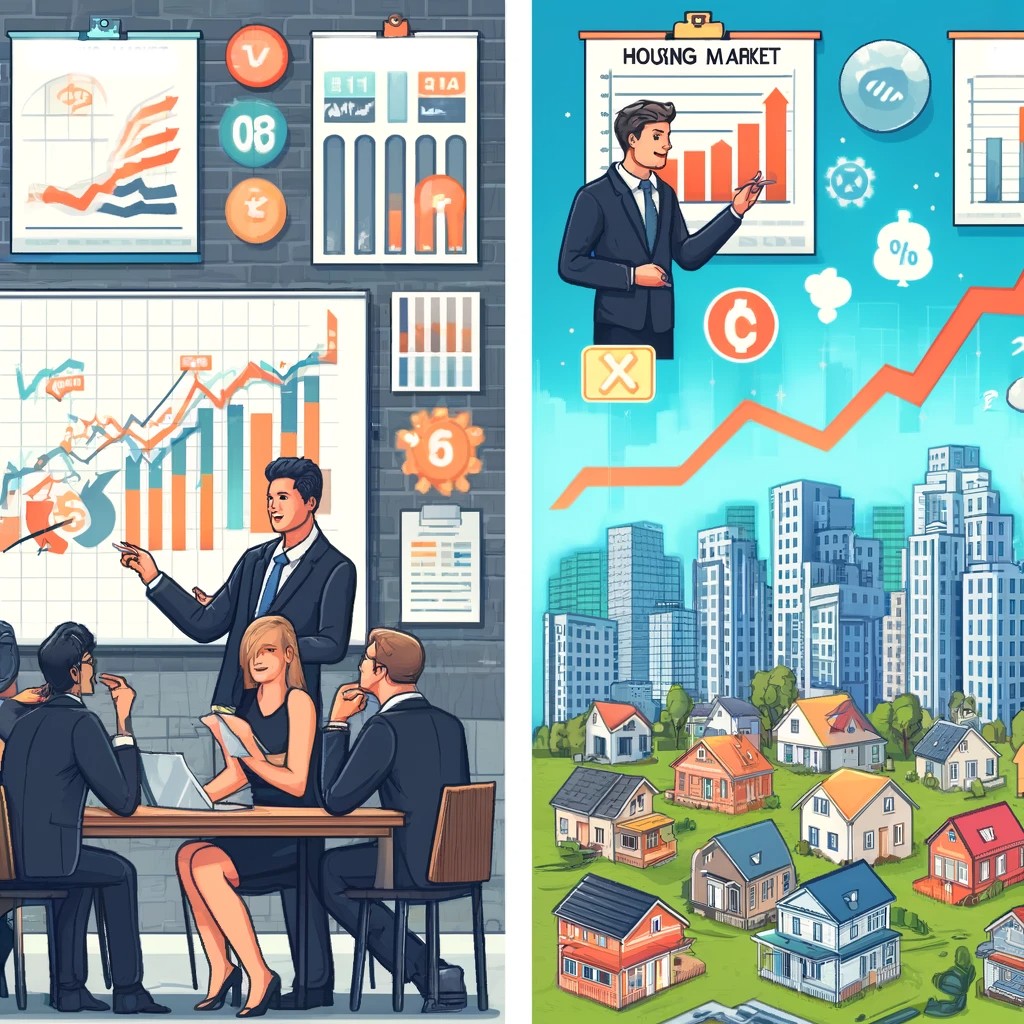
The dynamics of the housing market are in a constant state of flux, influenced by a myriad of factors including economic conditions, government policies, and demographic shifts. An increasingly significant driver of these changes is the evolving lifestyles of individuals and families. Traditionally, factors such as income and population growth have been the primary determinants of housing market trends. However, in recent years, lifestyle changes have emerged as a potent force shaping the demand and supply dynamics of the housing market.
The COVID-19 pandemic has accelerated some of these lifestyle changes, creating seismic shifts in the way people live and work. Remote work, for instance, has become a permanent feature of the professional landscape for many, leading to an increased demand for larger homes with dedicated office spaces. Additionally, the growing emphasis on health and wellness has led people to seek homes in less densely populated areas, favoring rural and suburban locations over urban centers.
Another noteworthy trend is the shift in preferences among younger generations. Millennials and Gen Z, who now represent a substantial portion of prospective homebuyers, have different priorities compared to their predecessors. They value convenience, sustainability, and community, which in turn influences the types of homes and neighborhoods they find appealing. As these emerging generations continue to enter the housing market, their preferences are expected to profoundly impact housing trends.
This article delves into the various lifestyle changes shaping the housing market today. By understanding these trends, real estate professionals, investors, and prospective homebuyers can make more informed decisions and better anticipate future market movements.
Remote Work and Its Impact
The shift towards remote work is arguably one of the most consequential lifestyle changes affecting the housing market. With businesses adapting to flexible work arrangements, many employees now have the liberty to work from locations that were previously impractical due to long commutes. As a result, there’s been a noticeable migration from city centers to suburban and even rural areas.
This shift has led to increased demand for homes that offer more space, allowing for home offices and multifunctional rooms. Larger homes, which may have been less popular in urban markets due to high costs, are now being sought after in more affordable suburban and rural markets. This migration has also led to rising real estate prices in these areas, as demand outstrips supply.
Furthermore, the shift towards remote work has encouraged homeowners to invest in their properties. Home improvements and renovations are on the rise, with people seeking to create environments that accommodate both work and leisure. This trend has implications for the types of homes being built and sold, as developers and real estate agents look to cater to the preferences of remote workers.
The Rise of Health and Wellness Considerations
The health and wellness movement has gained significant traction, particularly in the wake of the COVID-19 pandemic. Homebuyers are increasingly prioritizing features that contribute to physical and mental well-being. This includes everything from home gyms and outdoor spaces to proximity to parks, trails, and other recreational amenities.
The desire for healthier living environments has led to a surge in demand for homes with ample natural light, good air quality, and access to green spaces. Consequently, areas that offer these amenities are experiencing a boom in popularity. Suburban and rural locations, which tend to have less pollution and more open space, are particularly attractive to health-conscious buyers.
Moreover, integrated wellness features, such as water filtration systems, energy-efficient appliances, and smart home technology, are becoming key selling points. Developers and real estate agents are increasingly marketing properties with these features to cater to the growing segment of health-focused consumers.
Environmental Sustainability and Eco-Friendly Homes
Environmental concerns are increasingly influencing housing market trends. As awareness of climate change and its impacts grows, more homebuyers are seeking eco-friendly properties. This trend is especially prevalent among younger generations, who place a high value on sustainability.
Energy-efficient homes, equipped with solar panels, energy-saving appliances, and sustainable building materials, are in high demand. Features like rainwater harvesting systems and green roofs are also becoming more popular. These homes not only reduce environmental impact but also offer lower utility costs, making them attractive to cost-conscious buyers.
The shift towards sustainability is also driving changes in urban planning and development. Cities and towns are implementing green infrastructure, such as bike lanes and public transport systems, to cater to eco-conscious residents. This has led to the development of more sustainable communities, where residents can live, work, and play in an environmentally friendly manner.
Technological Advancements and Smart Homes
Technological advancements are revolutionizing the housing market. Smart home technology, which includes devices like smart thermostats, lighting systems, and security cameras, is becoming increasingly mainstream. These technologies offer enhanced convenience, security, and energy efficiency, making them highly desirable to modern homebuyers.
The integration of technology in homes is not limited to high-end properties. Affordable smart home devices are making it possible for a broader spectrum of buyers to enjoy the benefits of a connected home. This trend is expected to continue as technology becomes more accessible and affordable.
Moreover, technology is transforming the home buying and selling process itself. Virtual tours, online listings, and digital transactions are becoming the norm, making it easier for buyers to explore properties from the comfort of their homes. This has made the real estate market more efficient and accessible, particularly in the wake of the COVID-19 pandemic.
Changing Family Dynamics and Housing Preferences
Family dynamics are evolving, and so are housing preferences. The traditional nuclear family is no longer the only model, with multi-generational living arrangements becoming more common. This shift is influencing the type and size of homes being sought after.
Multi-generational homes, which include separate living spaces for different family members, are growing in popularity. These homes offer the flexibility to accommodate aging parents, adult children, and other relatives, providing both privacy and proximity.
Additionally, there’s a growing preference for homes that can adapt to changing family needs. Open floor plans, flexible living spaces, and homes with room for future expansion are highly sought after. This trend underscores the importance of versatility in home design, as families seek properties that can evolve with their needs over time.
Conclusion
The housing market is undergoing significant transformations driven by changes in lifestyle preferences. From the rise of remote work and health and wellness considerations to the growing emphasis on sustainability and smart home technology, these trends are reshaping the way people choose and invest in homes. Understanding these trends is crucial for real estate professionals, investors, and homebuyers alike.
As lifestyle preferences continue to evolve, the housing market will need to adapt. Developers and builders must stay attuned to these changes to meet the demands of modern homebuyers. Real estate agents and investors, too, must recognize and capitalize on these trends to stay ahead in the competitive market.
Looking ahead, it is clear that lifestyle changes will remain a significant influence on housing market trends. By keeping a finger on the pulse of these shifts, stakeholders in the housing market can navigate the uncertainties and seize opportunities that arise from these evolving preferences.
Frequently Asked Questions
1. How are lifestyle changes influencing housing market trends?
In recent years, lifestyle changes have become a major factor influencing housing market trends, sometimes outweighing traditional drivers like income levels and population growth. More people are adopting remote work, resulting in a surge in demand for larger homes that can accommodate office spaces. This shift has led many to seek properties in suburban and rural areas where larger living spaces are more affordable. Additionally, the rising trend of multigenerational living—where extended family members live together under one roof—has increased the demand for homes with flexible layouts and additional rooms. Sustainable living preferences are also on the uptick, with homebuyers looking for properties that feature eco-friendly and energy-efficient solutions, prompting builders to incorporate green technologies into new developments.
2. What role has remote work played in shaping the current housing market?
Remote work has revolutionized the housing market by making location less of a constraint and flexibility more critical for homebuyers. The necessity of being close to urban centers has diminished for many, resulting in a migration trend where individuals and families move away from expensive city cores to suburban or even rural areas where they can get more space for less money. This trend has not only heightened demand in these regions but has also spurred urban depopulation to some extent. Home offices have become a non-negotiable feature in many house hunts, leading builders and home sellers to market extra bedrooms or even small sections of living areas as potential office spaces. As remote work continues to become a permanent fixture of professional life for many, its influence on the housing market is likely to remain significant.
3. How is sustainability impacting home-buying decisions?
Modern homebuyers are increasingly considering sustainability as a significant factor when purchasing property. This shift is largely driven by greater environmental awareness and a growing sense of responsibility toward reducing one’s carbon footprint. As a result, homes that offer energy-efficient solutions, such as solar panels, high-quality insulation, and energy-saving appliances, are highly sought after. Moreover, communities that emphasize green spaces, recycling programs, and the use of sustainable materials in construction are becoming particularly attractive. This trend has urged developers to adopt greener construction practices and integrate sustainable features into both new builds and renovations more regularly. This focus on sustainability not only helps the environment but also results in lower utility bills, a compelling aspect for modern-day buyers.
4. Are there any changes in demographic trends affecting the housing market?
Demographics are playing a crucial role in shaping today’s housing market, influenced significantly by lifestyle changes across various age groups. Millennials, who are now entering their prime homebuying years, are looking for homes that provide flexibility for family and work life, often prioritizing multi-functionality over size. Their preference for more sustainable and technologically integrated homes is also setting new standards in home design and construction. Conversely, Baby Boomers are downsizing or moving to age-friendly communities, seeking to simplify life and often opting for convenience and accessibility over sprawling properties. These changing demographics are influencing the types of properties in demand and have altered the focus of developers and real estate markets toward more varied offerings to cater to diverse age-related needs and lifestyle preferences.
5. How are technological advancements influencing housing market trends?
Technology is significantly transforming the housing market by altering how individuals buy, sell, and experience their homes. Virtual tours and online listings have become standard expectations, streamlining the buying process and expanding the potential buyer pool beyond local regions. Tech-savvy buyers are also interested in homes equipped with smart technology, from automated lighting and thermostat systems to advanced security features. These technologies improve convenience and energy efficiency, aligning with the lifestyle priorities of modern consumers. Homes that incorporate IoT (Internet of Things) devices are increasingly popular, and developers and sellers are responding by emphasizing these features in marketing materials. Moreover, tech innovations are influencing the construction process itself, with new materials and methods making buildings more sustainable, efficient, and resilient against environmental impacts—factors that resonate deeply with contemporary homebuyers looking to future-proof their investments.