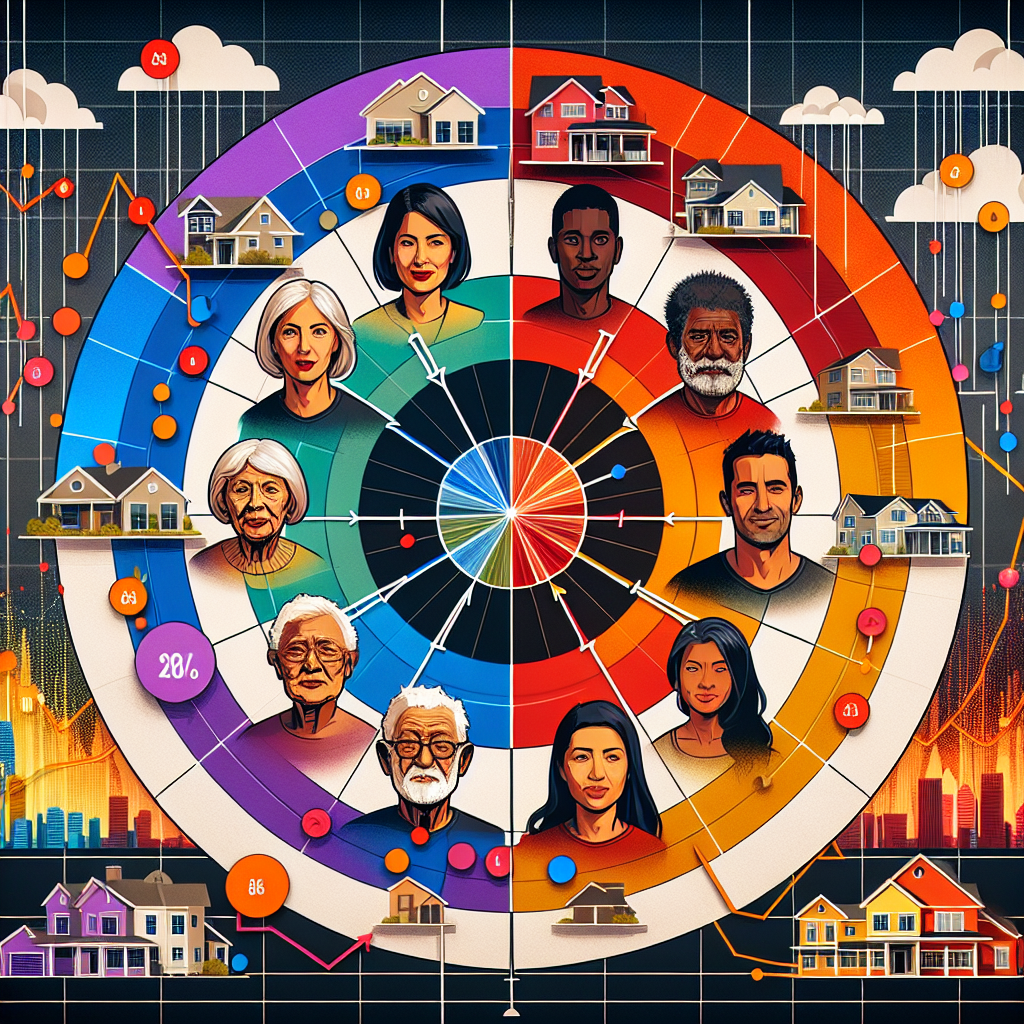
The housing market, like any other market, is not isolated from broader societal changes. As demographics evolve, so too do the demands and trends within housing. Understanding these demographic changes can provide valuable insights into current and future housing market trends. Whether you are a real estate investor, a homebuyer, or a city planner, staying informed about these shifts can be the key to making sound decisions.
One of the most significant demographic changes affecting the housing market today is the aging of the population. Baby boomers, the large cohort born between 1946 and 1964, are reaching retirement age. This group has different housing needs compared to younger generations. Many are downsizing or relocating to age-friendly communities, driving demand in these markets.
On the other end of the spectrum, millennials and Generation Z are becoming prominent players in the housing market. These groups, ranging in age from their late teens to early 40s, are now reaching key life stages where buying a home becomes a priority. However, their preferences differ from those of previous generations, with a notable shift towards urban living, sustainability, and flexibility.
In this article, we will explore how these and other demographic changes are shaping the housing market. We’ll examine where demand is growing, what types of housing are becoming more popular, and what these trends mean for the future of urban and suburban living.
The Aging Population
As previously mentioned, the aging of the baby boomer generation is one of the most significant demographic shifts impacting the housing market. This age group has been a major driver of the housing market for decades, and their needs and preferences continue to shape it today.
One growing trend among older adults is the desire to “age in place.” This term refers to the wish to live in one’s own home and community safely, independently, and comfortably, regardless of age or ability level. This trend is leading to an increased demand for single-story homes, homes with accessibility features, and homes located in areas with convenient access to healthcare and other essential services.
Another trend is the rise in popularity of senior living communities. These communities offer a range of living arrangements, from independent living to assisted living and nursing care, catering to the varying needs of older adults. The demand for such communities is expected to grow as the population continues to age.
Furthermore, the aging population is also driving changes in home design. Features such as wide hallways and doorways, step-free entrances, and bathroom safety modifications are becoming increasingly important. Homebuilders and remodelers are responding to this demand by incorporating these features into their projects.
Millennials Entering the Housing Market
Millennials, defined as those born between 1981 and 1996, are now the largest group of homebuyers. This cohort brings with them unique preferences and challenges that are reshaping the housing market. While previous generations typically moved to the suburbs to buy their first home, many millennials are choosing to stay in urban areas.
This preference for urban living is driven by several factors. Millennials value proximity to work, entertainment, and amenities. They are also more likely to prioritize shorter commutes and access to public transportation. As a result, there is a growing demand for housing in city centers and well-connected neighborhoods.
Millennials also tend to favor smaller, more affordable housing options. Many are first-time homebuyers who are still paying off student loans or saving for a down payment. This has led to an increase in demand for townhomes, condos, and starter homes. In response, developers are focusing on building more affordable, multi-family housing units in desirable locations.
Additionally, sustainability is a key consideration for millennial homebuyers. They are more likely to seek out energy-efficient homes and value sustainable building practices. This has led to a rise in the popularity of green homes and environmentally friendly features, such as solar panels and energy-efficient appliances.

Generation Z and Changing Preferences
Generation Z, the group born from the late 1990s to early 2010s, is just beginning to enter the housing market. While it’s still early to predict all their preferences, initial trends suggest that they will continue to value urban living and sustainability, much like millennials. However, there are some differences that are starting to emerge.
Gen Z is more likely to prioritize flexibility and mobility in their living arrangements. This has led to a growing interest in rental properties and co-living spaces. Co-living involves renting a private bedroom while sharing common areas with other residents, offering a sense of community and affordability.
Technology also plays a significant role in the housing preferences of Generation Z. They have grown up in a digital world and expect smart home features as standard. Homes with integrated technology, from smart thermostats to security systems, are particularly appealing to this tech-savvy generation.
Gen Z also places a high value on authenticity and unique experiences. This is reflected in a preference for homes with character, historical significance, or distinctive design elements. As a result, there may be a growing market for eclectic and customized housing solutions that cater to this desire for individuality.
The Impact of Immigration
Immigration is another key demographic factor influencing the housing market. Immigrants contribute to population growth, which in turn drives demand for housing. In many regions, immigrants have been a significant source of new household formation, particularly in urban areas.
Immigrant households often have different housing needs and preferences compared to native-born households. For example, multi-generational living is more common among immigrant families, leading to a demand for larger homes or homes with flexible living arrangements.
Additionally, immigrants often initially settle in rental housing before transitioning to homeownership. This creates a sustained demand for rental properties, particularly in cities with large immigrant populations. Over time, as immigrants achieve greater economic stability, they contribute to the demand for homeownership, further stimulating the housing market.
The geographic distribution of immigrants also influences housing markets in specific regions. Cities and regions with high levels of immigration, such as New York, Los Angeles, and Miami, experience greater housing demand and higher prices. Understanding these patterns is crucial for urban planners and developers looking to address housing needs in diverse communities.
Suburban Revival and Remote Work
The COVID-19 pandemic brought about significant changes in work arrangements, with remote work becoming more prevalent. This shift has had a profound impact on the housing market, particularly in suburban areas.
As more people work from home, the importance of living close to the office has diminished. This has led to a renewed interest in suburban living, where people can find more space, larger homes, and a higher quality of life. Suburban areas have seen a surge in demand as remote workers seek out properties with home offices, outdoor spaces, and access to nature.
However, this trend is not just about escaping the city. Many remote workers are looking for “best of both worlds” locations—suburbs that offer urban-like amenities and conveniences. This has led to the revitalization of suburban downtowns, with an emphasis on walkability, dining, shopping, and cultural activities.
The rise of remote work has also fueled interest in secondary cities and regions that were previously less popular. Cities like Austin, Nashville, and Raleigh have seen increased demand as remote workers seek out affordable housing and a vibrant lifestyle.
Future Housing Market Trends
Looking ahead, several key trends are likely to shape the housing market in the coming years. Understanding these trends can help stakeholders make informed decisions and adapt to changing demands.
First, the trend towards urbanization is expected to continue. Despite the temporary shift towards suburban living during the pandemic, cities remain attractive for their job opportunities, amenities, and lifestyle. Urban areas will likely see ongoing demand for housing, particularly in well-connected and vibrant neighborhoods.
Second, sustainability and energy efficiency will become increasingly important. As awareness of environmental issues grows, homebuyers and renters will continue to prioritize green homes and sustainable living options. Developers and builders who incorporate eco-friendly practices and features will be well-positioned to meet this demand.
Third, technological advancements will continue to influence housing preferences. Smart home technology, digital real estate transactions, and virtual tours have already transformed the market. Future innovations are likely to further streamline the buying, selling, and renting processes, making them more convenient and efficient.
Finally, demographic diversity will remain a key driver of housing trends. As the population becomes more diverse, housing markets will need to adapt to the varying needs and preferences of different demographic groups. This includes recognizing the importance of multi-generational living, co-living arrangements, and culturally sensitive housing solutions.
Conclusion
The housing market is inextricably linked to demographic changes. From the aging of the baby boomers to the rising influence of millennials and Generation Z, understanding these shifts is crucial for anyone involved in housing and urban planning. As preferences evolve, so too will the demand for different types of housing and living arrangements.
For real estate investors, staying informed about demographic trends can provide a competitive edge. By anticipating shifts in demand, investors can make strategic decisions about where to buy, what types of properties to develop, and how to meet the needs of future homebuyers and renters.
For homebuyers and renters, understanding demographic trends can help guide decisions about where to live and what type of home to choose. Recognizing the importance of factors such as accessibility, urban amenities, sustainability, and technology can lead to more informed choices and a better quality of life.
For city planners and policymakers, addressing the housing needs of a changing population is a complex but essential task. Creating inclusive, sustainable, and adaptable housing solutions will be key to meeting the demands of diverse demographic groups and ensuring vibrant, livable communities.
As we look to the future, one thing is clear: the housing market will continue to evolve in response to demographic changes. By staying informed and proactive, stakeholders at all levels can navigate these changes successfully and seize the opportunities they present.
Frequently Asked Questions
1. How are demographic changes influencing the demand in the housing market?
Demographic changes significantly shape housing market demand by altering the preferences and needs of homebuyers and renters. For instance, as the population ages, there’s an increased demand for accessible, age-friendly housing options designed with the needs of seniors in mind, such as single-story homes or properties in retirement communities. Additionally, the influx of millennials into the housing market is boosting demand for urban living spaces and homes that accommodate flexible work environments, reflecting their preferences for city life and remote work opportunities. Cultural shifts, such as the increasing trend of multi-generational living, also play a role, creating a push for homes with larger shared spaces or separate living areas to accommodate extended family members. Understanding these trends allows investors and real estate professionals to predict market shifts and adjust their offerings accordingly.
2. What impact does the aging population have on the housing market?
An aging population has profound implications on the housing market dynamics. As more individuals transition into their senior years, there is a growing demand for housing that accommodates their specific needs. This includes homes with features that support mobility, such as wide doorways, step-free access, and proximity to essential services like healthcare. Moreover, there’s a burgeoning interest in smaller, more manageable living environments, which drives the market for condominium developments and assisted living communities. This demographic trend also influences housing supply; with fewer seniors moving or downsizing, housing turnover rates may slow, potentially exacerbating inventory shortages. For developers and planners, acknowledging these needs is crucial in creating housing solutions that are both attractive and functional for older adults.
3. How do migration patterns affect regional housing markets?
Migration patterns are a powerful force in shaping regional housing markets, as they directly impact supply and demand dynamics. In areas experiencing an influx of newcomers — often driven by economic opportunities, climate, or lifestyle attractions — the demand for housing can quickly outpace supply, leading to increased property prices and rental rates. Conversely, regions facing out-migration may struggle with an oversupply of housing, resulting in lower prices and less competition among buyers. These shifts in population can also influence the type of housing in demand; for example, cities attracting young professionals might see a surge in demand for rental properties or upscale apartments. Staying attuned to migration trends can help agents, investors, and developers strategically focus their efforts to capitalize on growth opportunities or mitigate potential risks.
4. In what ways are the preferences of millennials shaping the housing market?
Millennials, now a dominant force in the homebuying world, have unique preferences that are reshaping the housing market landscape. With a penchant for technology, this generation values smart home features, energy efficiency, and connectivity with a focus on sustainability. Their preference for convenience and lifestyle integration is evident in the increasing popularity of urban living spaces close to amenities such as public transportation, restaurants, and shops. Flexibility is also key, as many millennials prefer adaptable spaces that accommodate remote work or potential roommates. Furthermore, financial constraints like student debt influence their buying decisions, often leading to a preference for smaller, low-maintenance homes or looking for affordable housing alternatives such as shared or co-op living arrangements. As millennials continue to mature and enter different life stages, their evolving demands will be pivotal in directing the future of housing market trends.
5. How are multi-generational living trends affecting housing development?
Multi-generational living is a growing trend that reflects both cultural shifts and economic realities, significantly influencing housing development. This lifestyle choice often brings about a need for homes that offer larger shared spaces, multiple bedrooms, and sometimes even separate entrances or living quarters to provide privacy while fostering family togetherness. Developers are increasingly incorporating these features into new builds to cater to families looking to accommodate aging parents, young adults returning home, or extended family members. Such homes often include separate suites or additional units, known as “in-law” or “granny” apartments, and may also feature common areas for gatherings, ensuring everyone can live comfortably under one roof. Recognizing the rising demand for such flexible housing options allows real estate professionals to cater to families seeking arrangements that balance togetherness with personal space.