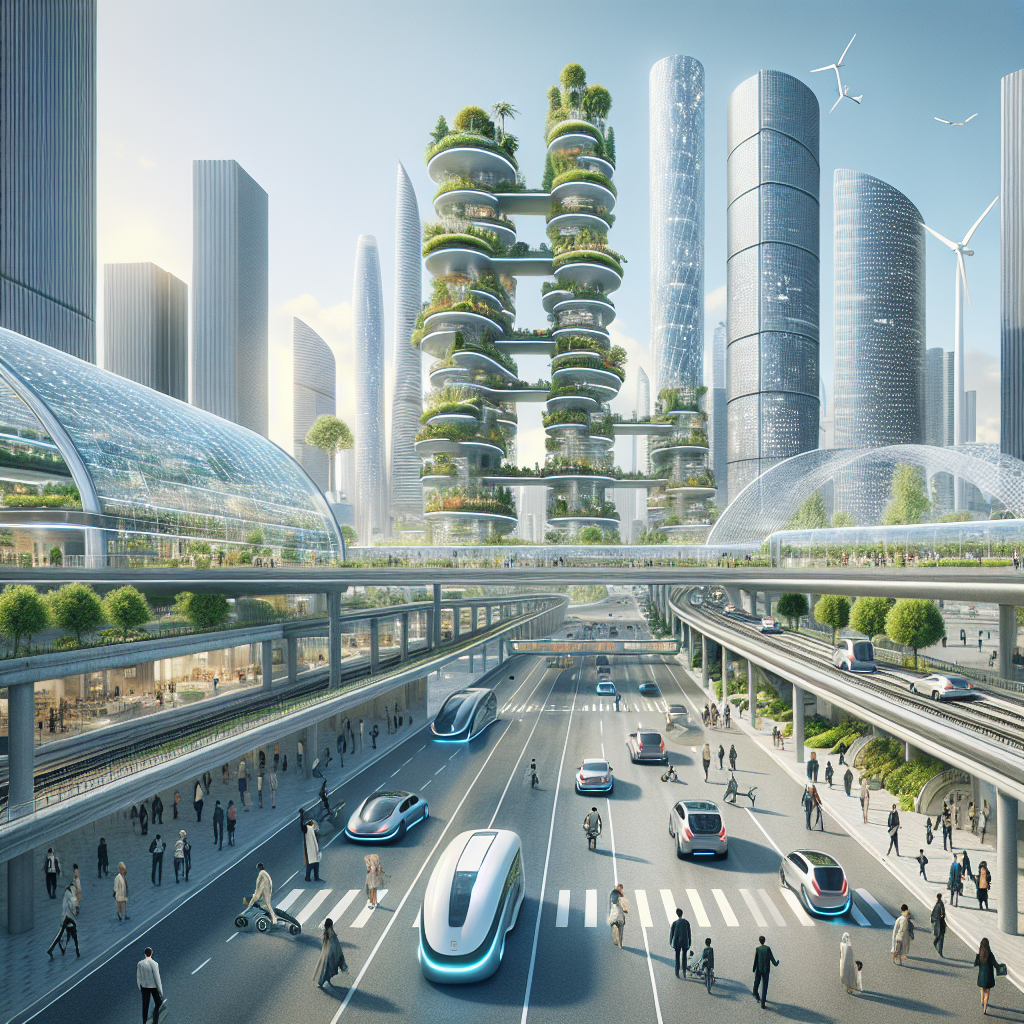
The housing market is undergoing a significant transformation fueled by factors such as technological advancements, population growth, and changing consumer preferences. Urban development is being reshaped with an increased emphasis on sustainability, smart technologies, and new design concepts aimed at improving the quality of urban living. The demand for housing in cities continues to rise, but so does the challenge of managing limited space and resources. Understanding these emerging trends is crucial for developers, city planners, and investors looking to navigate the future of urban development. In this article, we will explore key trends that are shaping the future of the housing market, provide insights into how they will impact urban living, and discuss what stakeholders can do to stay ahead of the curve.
Sustainable Development
Sustainability has become a cornerstone in urban development. With the increasing awareness of environmental issues, there is a growing demand for eco-friendly housing solutions. Developers are incorporating green building materials, energy-efficient systems, and renewable energy sources to create sustainable living spaces. Moreover, urban planners are designing cities with greener landscapes, promoting public transportation, and enhancing walkability to reduce the carbon footprint. Innovations such as green roofs, solar panels, and rainwater harvesting systems are becoming mainstream. This trend is not only beneficial for the environment but also for residents as it can lead to significant cost savings in the long run through reduced energy bills and maintenance costs. Additionally, cities that champion sustainability attract forward-thinking residents and businesses, driving further economic growth and innovation.
Smart Cities and Technology Integration
The advent of smart technology is revolutionizing urban living. Smart cities integrate information and communication technologies to manage assets and resources efficiently. This encompasses everything from traffic management, energy distribution, and waste removal to enhancing the overall quality of life for residents. For instance, IoT (Internet of Things) devices are used to monitor water usage, control lighting, and regulate heating systems to optimize energy consumption. Smart buildings equipped with automation systems offer convenience and efficiency, allowing residents to control home appliances through their smartphones. Additionally, advancements in AI and big data analytics are providing city planners with invaluable insights to make informed decisions, enhance public services, and ensure urban areas can adapt to the changing needs of their inhabitants. The integration of smart technologies is creating more responsive and sustainable urban environments.
Mixed-Use Developments
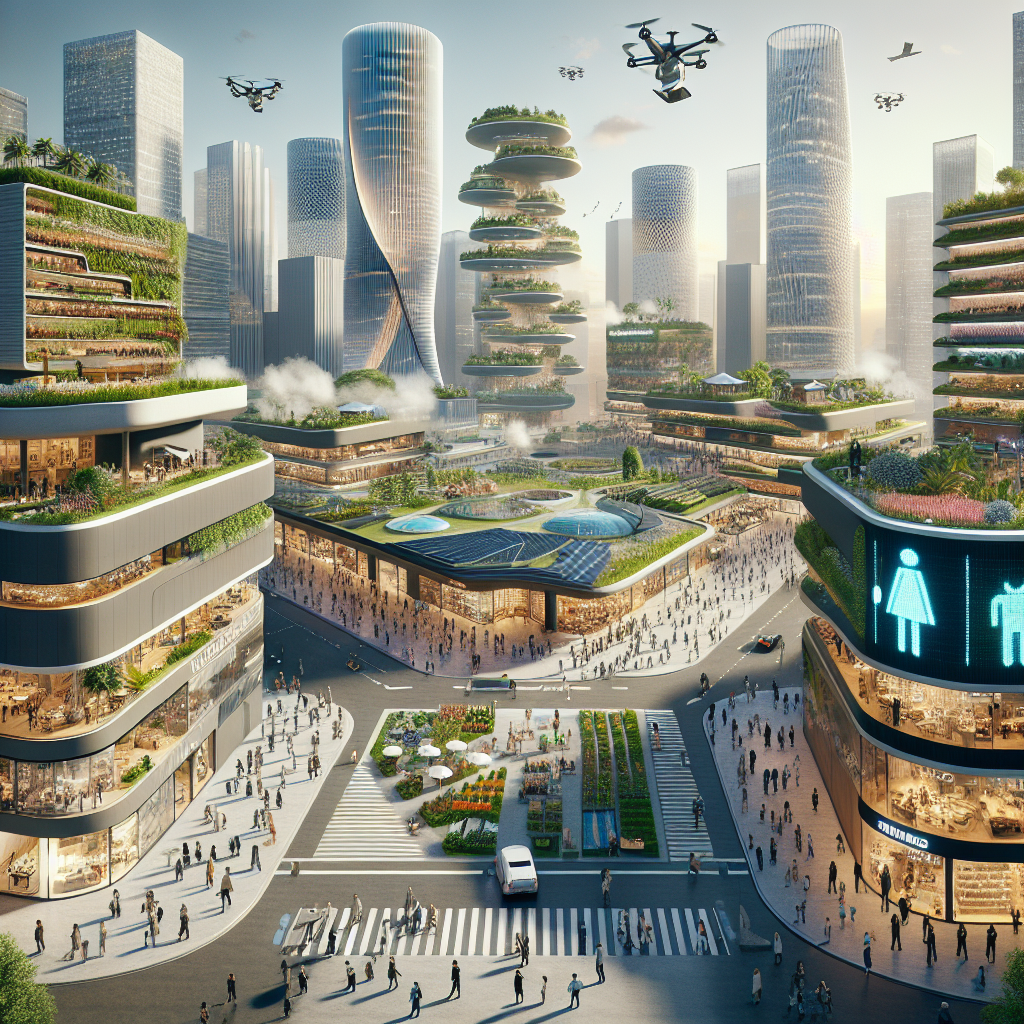
Mixed-use developments are proving to be another significant trend in urban planning. These projects combine residential, commercial, and recreational spaces into one cohesive community. This approach not only maximizes the use of space but also fosters vibrant neighborhoods where people can live, work, and play without the need to travel long distances. The convenience of having amenities such as shops, restaurants, and parks within walking distance improves the quality of life for residents and encourages local economic growth. Mixed-use developments also promote social interaction and community building, which are essential components of urban living. As cities continue to grow and space becomes a premium, the demand for such versatile urban environments will likely increase.
Affordable Housing
The affordability crisis is one of the most pressing issues in urban development. As property prices soar, finding affordable housing becomes increasingly difficult for many city dwellers. To address this challenge, governments and developers are looking at innovative solutions such as modular construction and micro-housing. Modular construction, which involves building sections of a home in a factory setting before assembling them on-site, reduces construction time and costs significantly. Micro-housing offers compact yet functional living spaces designed to make urban living more accessible and affordable. Additionally, policies promoting inclusive zoning and subsidies for low-income households are being implemented to ensure a wider range of housing options. The aim is to provide housing solutions that cater to a diverse population, preventing displacement and ensuring that cities remain inclusive and vibrant.
Community-Focused Design
Urban development is now placing a greater emphasis on community-focused design. This trend involves creating spaces that foster social interaction, inclusivity, and well-being. Placemaking, a concept that promotes the creation of quality public spaces that contribute to people’s health, happiness, and well-being, is becoming increasingly popular. Developers are incorporating communal areas such as parks, plazas, and community centers into their projects to encourage residents to engage and connect. Additionally, the design of residential buildings is shifting towards creating shared spaces such as co-working areas, rooftop gardens, and shared kitchens to enhance the sense of community. By prioritizing community-focused design, urban planners aim to create more resilient and interconnected neighborhoods.
Adaptive Reuse and Urban Regeneration
Adaptive reuse and urban regeneration are gaining momentum as effective strategies to revitalize aging urban areas. Rather than demolishing old structures, adaptive reuse involves repurposing them for new uses while preserving their historical and architectural value. This approach not only reduces construction waste and conserves resources but also adds unique character to urban settings. Urban regeneration projects focus on revamping underutilized or derelict areas to stimulate economic activity and improve the quality of life for residents. By transforming obsolete industrial sites, abandoned buildings, and neglected neighborhoods into thriving hubs of activity, cities can address both housing shortages and urban decay. Such projects often involve collaboration between public and private sectors, ensuring sustainable and inclusive growth.
Conclusion:
The future of urban development is being shaped by a multitude of innovative trends that aim to create more sustainable, efficient, and livable cities. As the urban population continues to grow, so does the need for forward-thinking solutions that address the challenges of space, resources, and inclusivity. From sustainable development and smart cities to mixed-use developments and affordable housing, these trends are redefining the housing market. Community-focused design and adaptive reuse further emphasize the importance of creating connected and resilient urban environments. For developers, city planners, and investors, staying abreast of these trends is essential to navigate the evolving landscape of urban development successfully. By embracing these trends, stakeholders can contribute to building cities that not only meet the current demands but are also prepared for the future challenges of urban living.
Frequently Asked Questions
What are the key trends shaping the future of urban development?
Urban development is being profoundly influenced by a mix of technological, demographic, and environmental factors. Key trends include the integration of sustainable practices, such as the use of eco-friendly materials and energy-efficient building systems. Additionally, Smart City Technologies are rapidly being adopted, including IoT systems that enhance connectivity and data analytics to optimize urban infrastructure and services. The growing trend towards mixed-use developments is reshaping cities into more livable, multifunctional environments, reflecting a shift towards communities where people can live, work, and play within a compact area. There’s also an increasing emphasis on residential flexibility, with innovations like modular housing and adaptive reuse of existing structures to address the demand for housing within constrained spaces. Moreover, the incorporation of green spaces and biophilic design elements demonstrates an awareness of the need for urban nature, which improves well-being and promotes healthier living. All of these point towards a future urban landscape that is greener, smarter, and more adaptable to the changing needs of its residents.
How is technology influencing urban development?
Technology is revolutionizing urban development in multiple dimensions. With the rise of IoT and Big Data, cities are becoming increasingly “smart.” Sensors throughout urban areas collect data that can be used to manage traffic flows, control energy use, and provide real-time updates on public transportation, significantly enhancing city efficiency and resident convenience. The construction industry, often seen as lagging in tech adoption, is also benefiting rapidly from innovative technologies. 3D printing and prefabrication are being used to construct buildings faster and more efficiently, while drones and virtual reality are enhancing site assessments and design planning. Moreover, the development of apps and digital platforms connect residents with city services, allowing for more participation in urban planning and ensuring that development is aligned with citizen needs. All these technological advancements contribute to creating smarter, more efficient urban environments designed to meet the increasing demands of urban populations.
Why is sustainability such a critical focus in urban development?
Sustainability has become a cornerstone of urban development due to various pressing environmental and social factors. The world is witnessing unprecedented urbanization, with a significant portion of the global population living in cities. This concentration exerts immense pressure on resources and infrastructure, requiring cities to adopt sustainable practices to ensure environmental and human health. Urban sustainability focuses on reducing carbon footprints by decreasing energy consumption and emissions through the use of renewable energy sources and green building techniques. Water conservation and waste reduction strategies are crucial components as well, aiming to ensure resources are used efficiently. Social sustainability, another significant aspect, includes creating inclusive communities where diverse populations can thrive, with equal access to public services and amenities. Cities that invest in sustainability are not only protecting the environment but are also making themselves more attractive and competitive, as responsible and resilient urban planning becomes a key factor for residents and businesses when choosing where to live and operate.
How do urban development trends address housing demand?
Addressing the rising need for housing remains one of the most complex challenges faced by urban developers today. In response, several innovative trends are emerging. High-density development is becoming more prevalent, as it makes use of vertical space in densely populated areas. This approach is supplemented by the embrace of mixed-use projects, combining residential, commercial, and recreational spaces, often within the same building. The concept of micro-living, offering smaller, more affordable units with shared communal areas, is gaining traction, particularly among younger generations and singles. Adaptive reuse is another promising trend, where disused industrial sites or offices are converted into residential spaces, preserving historical architecture while creating new homes. Furthermore, public-private partnerships and government incentives are instrumental in incentivizing affordable housing developments and ensuring that new projects meet the needs of a broad spectrum of the population. By leveraging these trends, cities can better meet housing demands efficiently and equitably.
What role do changing consumer preferences play in urban development?
Consumer preferences play a crucial and transformative role in shaping urban development. Today’s city dwellers are seeking more engagement in their urban environments, favoring spaces that offer diverse amenities and support vibrant, active lifestyles. As a result, there’s a move towards creating more pedestrian-friendly and bikeable cities, reducing the reliance on cars and encouraging healthier forms of mobility. The demand for transparency in construction practices and product sourcing reflects a generation that values sustainability and ethical considerations in their purchase decisions. Developers must also cater to the technological needs of modern occupants by providing smart home features that offer convenience, efficiency, and enhanced connectivity. Residents increasingly prioritize access to leisure and green spaces, influencing developers to include parks, gardens, rooftop amenities, and recreational facilities in their plans. The shift towards remote working has impacted urban development, prompting a need for homes with dedicated office spaces and greater digital infrastructure. Urban development must continuously adapt to these shifts in consumer expectations to provide environments that are not only functional but also aligned with the values and lifestyles of their inhabitants.