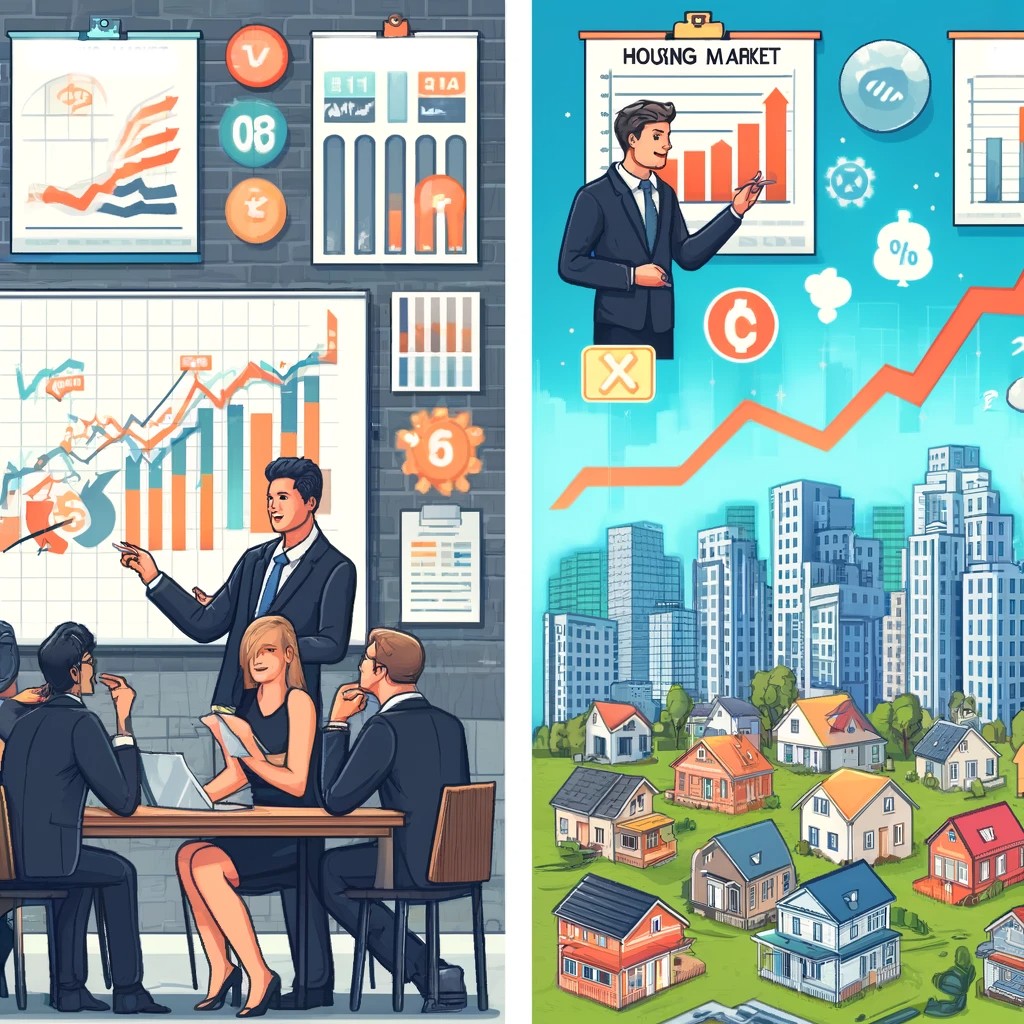
The evolving dynamics of the housing market exhibit a significant shift, with multi-generational living gaining momentum across various demographics. This transformation is driven by multiple economic, social, and cultural factors that are redefining traditional living arrangements. In what follows, we delve into the core reasons behind this trend, its impacts, and the future implications for housing and urban planning professionals.
Introduction
In recent years, the housing market has seen a noticeable trend toward multi-generational living. Traditionally, standalone nuclear families have dominated housing preferences. However, an increasing number of families are now opting to live under one roof, with multiple generations cohabiting. This change is not merely incidental; it reflects broader economic pressures, demographic shifts, and evolving social norms.
The concept of multi-generational living is not new. Before the industrial revolution, it was common for extended families to live together. Fast forward to the 21st century, and we see a resurgence of this model. Economic factors like housing affordability have become a critical influencer, making multi-generational living an attractive option. As the cost of living continues to rise, sharing housing expenses among multiple generations offers a viable financial solution for many families.
Moreover, demographic changes play a pivotal role. An aging population means more elderly family members require support but prefer to avoid nursing homes. Multi-generational living provides a comfortable and familial environment for elders, allowing them to age in place while receiving the care they need. On the other end of the spectrum, young adults who are burdened with student debt and facing a challenging job market find solace and practicality in living with their parents for longer periods.
Economic Pressures Driving the Shift
The economic landscape isn’t what it used to be, and various pressures have pushed families to reconsider their living arrangements. Housing affordability is at the forefront of these economic challenges. Home prices and rent have skyrocketed, particularly in urban centers where employment opportunities are most abundant. This financial strain makes it difficult for younger generations to purchase homes or even afford rental rates, propelling them to consider alternative living solutions.
Combining financial resources to support one household can substantially alleviate individual economic burdens. Sharing mortgage or rent payments, utility bills, and other living expenses can make a significant difference. In multi-generational homes, the financial contributions are spread across more income earners, thus creating a more sustainable financial environment for all involved.
Additionally, the rise in the gig economy and remote work has shifted how people view their living spaces. Many now require home offices and more flexible living environments to adapt to their work-from-home needs. Multi-generational households can pool resources to create an environment that meets everyone’s changing requirements without the added stress of financial overextension.
The economic benefits are clear, from shared utility costs to consolidated food expenses, making multi-generational living both a strategic and practical plan for many families facing contemporary economic pressures.
Demographic Shifts and Aging Population
The demographic makeup of many countries is evolving, notably with an aging population becoming a more prominent part of society. This change directly impacts housing trends, as more elderly individuals require housing solutions that offer both comfort and accessibility. Multi-generational homes provide an ideal setting for aging family members, who can benefit from the support of younger household members while maintaining a degree of independence.
Moreover, the close-knit nature of multi-generational living arrangements fosters better social and emotional support systems. Elders often have a more active role in family dynamics, enriching their lives and those of their younger relatives. Grandparents, for example, can pass down wisdom and cultural traditions, strengthening family bonds across generations.
The phenomenon isn’t limited to just developed countries. In many cultures globally, multi-generational homes have long been the norm due to traditional family values that emphasize the importance of supporting elders. As such practices gain recognition, there is increased acceptance and appreciation for multi-generational living in regions where nuclear family units were previously standard.
Coupled with advances in healthcare and longer life expectancies, the need for multi-generational living solutions will likely grow, requiring urban planners to consider incorporating designs that accommodate diverse age groups and their specific needs.
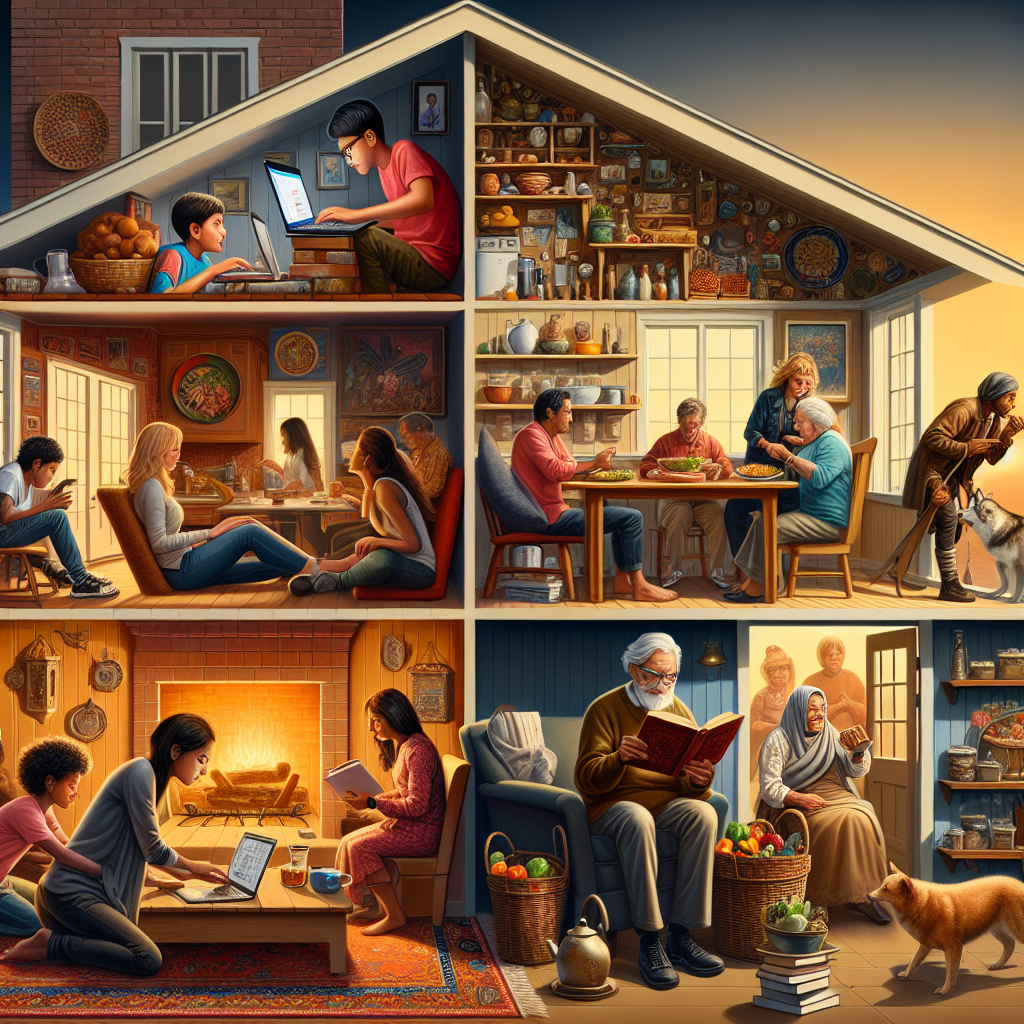
Impact on Housing Design and Urban Planning
The trend towards multi-generational living has substantial implications for housing design and urban planning. Traditional housing models are being rethought to accommodate the unique requirements of multi-generational households. Larger living spaces with multiple master bedrooms, more bathrooms, and adaptable living areas are becoming increasingly sought after.
Moreover, the need for legal and permissible accessory dwelling units (ADUs) has risen. ADUs provide a separate living space within the same property, offering privacy while still benefitting from proximity to family members. Urban planners and community developers are starting to adapt zoning laws to facilitate the integration of ADUs, acknowledging their role in future housing solutions.
The sustainable and efficient use of land is another area impacted by this shift. Multi-generational homes can optimize land use by consolidating family units into fewer properties, which can help alleviate housing shortages in densely populated regions. This concept also aligns with environmentally friendly building practices, as shared resources in multi-generational households can decrease the overall ecological footprint.
Embracing these changes, architects and urban planners must innovate to create flexible living arrangements that can cater to the evolving demands of diverse family structures. Housing developments that incorporate communal spaces and shared amenities will likely become more prevalent as society continues to adapt to multi-generational living.
Social and Cultural Benefits
Beyond the economic and practical benefits, multi-generational living offers numerous social and cultural advantages. One of the most significant is the strengthening of family bonds. Living close to family members facilitates more frequent interactions and deeper relationships, enriching the lives of everyone involved.
For children, growing up in a multi-generational household can provide a sense of stability and a broader support network. Grandparents and other relatives can offer mentorship, impart wisdom, and share cultural traditions, fostering a sense of identity and heritage that might otherwise be lost in a more isolated nuclear family setup.
Furthermore, multi-generational living can enhance the emotional wellbeing of all family members. The companionship and support that come from living with loved ones can mitigate feelings of loneliness and isolation, which are particularly prevalent among the elderly. Being surrounded by family helps promote mental health and a higher quality of life.
The cultural exchange that occurs in multi-generational homes is invaluable. It allows different generations to learn from each other and adapt to changing societal norms while maintaining a strong sense of cultural identity. These benefits contribute not only to the wellbeing of individual families but also to the social fabric of communities and society at large.
Challenges and Considerations
While multi-generational living presents many benefits, it also comes with its set of challenges. One of the primary concerns is the potential for conflict arising from differing lifestyles, habits, and expectations among family members. Managing these differences requires effective communication and compromise from all parties involved.
Privacy can also be a concern in multi-generational households. Ensuring that each family member has their own space to retreat to is crucial for harmonious living. This necessitates thoughtful home design that balances communal and private areas to cater to everyone’s needs.
Legal and logistical issues can also be a hurdle. For instance, zoning laws may restrict the development of ADUs or multi-generational homes in certain areas. Navigating these regulations requires meticulous planning and sometimes advocacy at the community or municipal level to bring about necessary changes.
Caregiving responsibilities can also place a significant burden on family members, particularly the primary caregivers. Providing support for elderly relatives or young children can be emotionally and physically taxing, highlighting the need for additional external support systems and services to ease the burden on family caregivers.
Despite these challenges, the shift towards multi-generational living continues to gain traction. Addressing these concerns through innovative housing solutions and supportive community policies can pave the way for a more sustainable and inclusive approach to future housing development.
Conclusion
The resurgence of multi-generational living reflects a broader evolution in housing trends driven by economic, demographic, social, and cultural factors. As we navigate the complexities of modern life, multi-generational households present a promising solution to many of the challenges we face. From financial stability and improved quality of life for elderly family members to stronger family bonds and cultural continuity, the benefits are manifold.
Addressing the requirements of multi-generational living necessitates a collaborative approach involving housing professionals, urban planners, and policymakers. By embracing flexible and innovative housing designs and supportive policies, we can create living environments that cater to the diverse needs of multi-generational families.
As we look to the future, it is essential to recognize and adapt to these trends to ensure that housing solutions are sustainable, inclusive, and beneficial for all. Multi-generational living is not just a temporary trend but a transformative shift that holds the potential to reshape our communities and enhance the way we live together.
Frequently Asked Questions
1. What is multi-generational living, and why is it becoming more popular?
Multi-generational living refers to a household in which more than one generation of a family lives together under one roof. This could mean grandparents, parents, and children, among others, living collaboratively in a single dwelling. This living arrangement is gaining popularity for several reasons. One major factor is economic: pooling resources among family members can help to mitigate the high costs of real estate and living expenses, particularly in urban areas where housing prices are skyrocketing. Moreover, the growing need for elder care, the desire for stronger family bonds, and cultural traditions among various ethnic groups that prioritize family closeness all contribute to this trend. As our social fabric continues to evolve, families are increasingly prioritizing collective well-being and shared responsibilities, making multi-generational living a practical and appealing option.
2. How does multi-generational living impact family dynamics and relationships?
Multi-generational living can significantly affect family dynamics, often in positive ways. When multiple generations live under one roof, it fosters closer relationships and provides opportunities for intergenerational bonding. Grandparents can share life experiences and wisdom with younger family members, while parents benefit from additional support in caregiving and household responsibilities. However, it is not without its challenges. Differences in lifestyle, privacy concerns, and potential for conflicts are issues that families need to manage. Establishing clear communication channels and setting boundaries are crucial to maintaining harmony. As families experience these shifts in dynamics, many find that their relationships become richer and more fulfilling, reinforcing a sense of unity and shared purpose.
3. In which demographics is multi-generational living most prevalent?
While multi-generational living is becoming more widespread, certain demographics are particularly inclined towards this lifestyle. In general, immigrant families and certain cultural groups, such as those from Asian, Hispanic, and African backgrounds, have traditionally embraced multi-generational living as part of their cultural values. Younger generations, including Millennials and Gen Z, are increasingly adopting this arrangement, both out of necessity, due to economic constraints, and from a preference for familial support systems. The aging population, especially Baby Boomers, are sometimes living with their adult children as a way to age in place with familiar support systems readily available. Overall, as economic, social, and cultural factors continue to influence living preferences, multi-generational living becomes a feasible and attractive option across a wide array of demographics.
4. What are the economic advantages and challenges of multi-generational living?
Economically, multi-generational living provides numerous benefits. By sharing household expenses, families can significantly reduce their financial burdens. This arrangement often allows for more prudent management of resources, such as energy and food costs, leading to greater financial savings over time. Additionally, multi-generational households may increase the purchasing power of the family unit, making major investments, such as home upgrades or vacations, more achievable. However, this setup also presents formidable challenges. Potential drawbacks include the need for a larger home that can accommodate everyone’s space requirements, which may necessitate expensive renovations. Conflicts over financial responsibilities and disparities in spending habits can also arise. Successfully navigating these challenges requires careful planning and open communication about financial expectations and budgeting.
5. How is the trend towards multi-generational living influencing urban planning and housing development?
The shift towards multi-generational living is having a profound impact on urban planning and housing development. As demand for homes that cater to more than just nuclear families increases, architects and developers are beginning to design residential spaces that offer greater flexibility and privacy. This includes the creation of homes with multiple master suites, adaptable floor plans, and features like in-law units or separate entrances for increased privacy. Moreover, the development of community-centric neighborhoods that provide shared amenities such as parks, community centers, and healthcare facilities is becoming a priority. Planners are increasingly considering the needs of multi-generational households in their designs to create inclusive environments that support these living arrangements. As the trend continues to gain traction, innovative design solutions that accommodate multi-generational living will likely become more prevalent and refined.