In recent years, the housing market has undergone substantial shifts, with one of the most notable trends being the rise in popularity of tiny homes. These small, often portable dwellings typically occupy fewer than 400 square feet and offer a minimalist lifestyle that contrasts sharply with the traditional, larger American household. Tiny homes have captivated the attention of various demographics, including millennials, retirees, and environmental advocates, all of whom are drawn to the affordability, sustainability, and simplicity these homes provide. This emerging trend represents a significant movement in the housing market, challenging conventional ideas about what a home should be while addressing contemporary issues such as financial instability and environmental concerns.
Several factors have contributed to the increased interest in tiny homes. Economic instability and the rising cost of living have made traditional homeownership less attainable for many, prompting a search for affordable alternatives. Tiny homes offer a solution, allowing people to own property without the burden of a large mortgage. Additionally, changing lifestyle preferences, with a shift toward minimalism and sustainable living, have also played a crucial role. As people become more conscious of their environmental footprint and seek to declutter their lives, the appeal of tiny homes continues to grow.
This comprehensive article explores the multifaceted aspects of the tiny home movement, examining its origins, benefits, challenges, and future prospects. By delving into various dimensions of this phenomenon, we aim to provide a thorough understanding of why tiny homes have become a compelling option in today’s housing market.
Origins of the Tiny Home Movement
To truly grasp the growing popularity of tiny homes, one must explore the roots of the movement. The concept is not entirely new; throughout history, people have lived in small, efficient spaces out of necessity or choice. However, the modern tiny home movement, as we recognize it today, began gaining traction in the early 2000s. Fueled by rising housing costs, the financial crisis of 2008, and a growing desire for simpler, more sustainable living, tiny homes started to gain mainstream attention.
Key figures such as Jay Shafer and his Tumbleweed Tiny House Company played pivotal roles in popularizing the concept. In 1999, Shafer built his first tiny home and later authored several books on the topic. His work emphasized not just the practicality but also the aesthetic and philosophical aspects of tiny living. The media soon picked up on these ideas, leading to widespread coverage through television shows, documentaries, and social media platforms.
The movement was further propelled by the rise of the minimalist lifestyle trend, which gained momentum as more people began to question the consumerism and materialism prevalent in modern society. The minimalist philosophy, which advocates for a more intentional way of living with fewer possessions, aligns perfectly with the principles of tiny home living. As such, the tiny home movement has continued to grow, with an increasing number of people inspired to downsize and embrace this way of life.
Benefits of Tiny Homes
The allure of tiny homes can be attributed to a range of benefits that appeal to diverse groups of people. One of the most significant advantages is affordability. In many parts of the world, housing prices have soared to levels that make traditional homeownership an unattainable dream for many. Tiny homes, by contrast, offer an affordable alternative, with many costing as little as $20,000 to $40,000. This lower price point enables more people to own a home without incurring substantial debt.
Sustainability is another key driver behind the tiny home movement. These homes typically have a much smaller environmental footprint compared to conventional houses. They require fewer resources to build and maintain, and many are designed with eco-friendly materials and energy-efficient systems. Additionally, living in a tiny home encourages individuals to adopt a more sustainable lifestyle, reducing waste and consumption.
Tiny homes also promote a simpler way of life, which can lead to greater mental and emotional well-being. With limited space for possessions, residents are encouraged to prioritize what truly matters to them and let go of unnecessary clutter. This minimalist approach can reduce stress, as there is less to maintain and manage, resulting in a more focused and intentional lifestyle.
Furthermore, the flexibility and mobility of many tiny homes can be an attractive feature. Some tiny homes are built on wheels, allowing owners to move their home easily and explore different locations. This nomadic lifestyle can be appealing to those who crave adventure and variety, offering the freedom to live in diverse environments without the need for long-term commitments.
Challenges Faced by Tiny Home Owners
Despite the many benefits, tiny home living is not without its challenges. One of the primary obstacles is finding suitable land to place a tiny home. Zoning regulations and building codes vary significantly by region and can be restrictive for tiny home owners. In some areas, tiny homes may not meet the minimum size requirements for residential dwellings, or they may face restrictions on where they can be parked or built. Navigating these legal and regulatory hurdles can be both time-consuming and costly.
Additionally, living in a tiny home requires a significant adjustment, especially for those accustomed to larger living spaces. The limited square footage can be challenging for families or individuals who require more space for their belongings, hobbies, or work. Privacy can also be an issue, as tiny homes often lack separate rooms and soundproofing, making it difficult for occupants to have personal space.
Another challenge is access to utilities and services. While some tiny homes are designed to be off-grid, relying on solar power, composting toilets, and rainwater collection, others may need to be connected to traditional utility systems. Finding suitable locations with the necessary infrastructure or installing these systems can be complex and costly.
Financial considerations also come into play, as obtaining financing for a tiny home can be more challenging than for a traditional home. Many lenders do not have specific loan products for tiny homes, and those that do may require higher interest rates or shorter loan terms. Insurance can also be an issue, with limited options available and potentially higher premiums.
Finally, societal perceptions and stigma can be a barrier for some prospective tiny home owners. While the movement has gained popularity, tiny homes are still seen by some as unconventional or even substandard. Overcoming these biases and securing support from family, friends, and the community can be an additional hurdle.
The Tiny Home Movement and Urban Planning
The growing popularity of tiny homes has significant implications for urban planning and development. As cities grapple with housing shortages and increasing population densities, tiny homes present a potential solution to these challenges. By integrating tiny homes into urban environments, cities can increase affordable housing options, reduce urban sprawl, and promote more sustainable living.
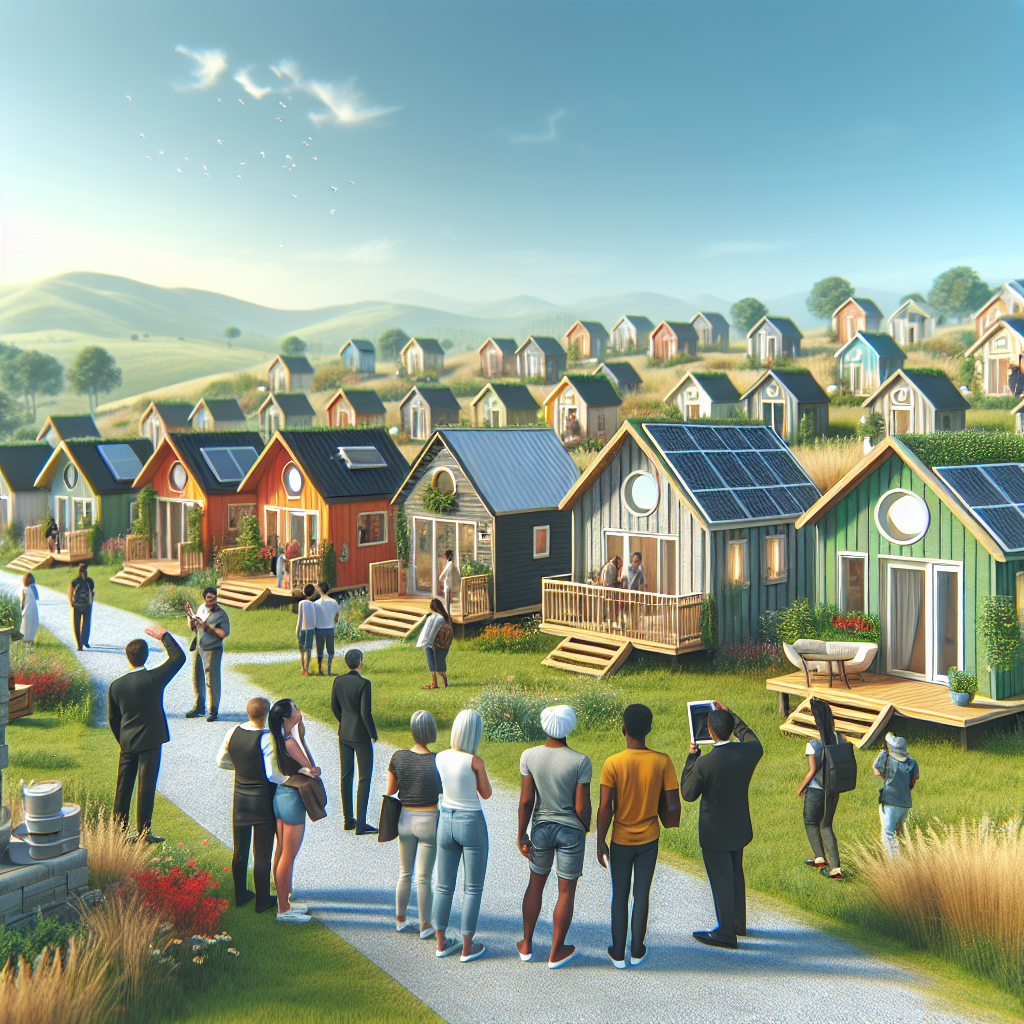
One approach to incorporating tiny homes into urban areas is through the development of tiny home communities or villages. These planned communities can provide residents with access to shared amenities, such as communal gardens, recreation areas, and laundry facilities, while also fostering a sense of community and support. Cities like Portland, Oregon, and Austin, Texas, have already implemented successful tiny home village projects to address homelessness and provide affordable housing solutions.
Additionally, urban planners can explore the potential of infill development, where tiny homes are built on underutilized or vacant lots within existing neighborhoods. This approach can help revitalize communities, increase housing density, and make better use of available land. By developing policies and incentives that support infill development, cities can promote the growth of tiny homes while addressing housing shortages.
Changes to zoning laws and building codes will also be necessary to accommodate the unique characteristics of tiny homes. Cities and municipalities must work to create more flexible regulations that allow for the inclusion of tiny homes in a variety of settings, from urban lots to rural properties. This may involve updating minimum size requirements, allowing for accessory dwelling units (ADUs), and creating specific ordinances for tiny home communities.
Collaboration between policymakers, developers, and community organizations will be essential to the successful integration of tiny homes into urban planning efforts. By working together, these stakeholders can develop innovative solutions that address housing affordability, sustainability, and quality of life for residents.
The Future of Tiny Homes
The future of tiny homes looks promising, as the movement continues to gain momentum and evolve. Advances in technology and design are likely to play a significant role in the continued growth and diversification of the tiny home market. Innovations in building materials, energy-efficient systems, and smart home technology can make tiny homes even more sustainable, comfortable, and adaptable to various living needs.
Additionally, societal attitudes towards tiny homes are expected to continue shifting as more people become aware of the benefits and possibilities they offer. As the movement gains acceptance and mainstream appeal, the stigma associated with tiny homes is likely to diminish, making them a more viable option for a wider range of individuals and families.
The growth of the sharing economy and the increasing popularity of alternative housing arrangements, such as co-housing and communal living, may also contribute to the rise of tiny homes. These arrangements can help address some of the challenges associated with tiny home living, such as limited space and access to amenities, by providing shared resources and fostering supportive communities.
Furthermore, the tiny home movement is likely to inspire broader changes in housing policy and urban planning. As cities and governments recognize the potential of tiny homes to address housing shortages, promote sustainability, and enhance quality of life, they may implement more supportive policies and initiatives. This could include incentives for developers, streamlined permitting processes, and investment in infrastructure to accommodate tiny home communities.
Ultimately, the future of tiny homes will be shaped by the ongoing efforts of advocates, designers, policymakers, and residents to promote and support this innovative housing option. As the movement continues to evolve and grow, it has the potential to redefine traditional notions of home and create more sustainable, affordable, and fulfilling living environments for people around the world.
Conclusion
The growing popularity of tiny homes represents a significant shift in the housing market, driven by a combination of economic, environmental, and lifestyle factors. As more people seek affordable, sustainable, and simpler living options, tiny homes provide a compelling alternative to traditional housing. By understanding the origins, benefits, challenges, and potential of the tiny home movement, we can better appreciate its impact on the housing market and urban planning.
The tiny home movement has the potential to address critical issues such as housing affordability, environmental sustainability, and urban density. By embracing this innovative housing solution, cities and communities can create more diverse and resilient living environments that cater to a wide range of needs and preferences.
As the movement continues to grow, ongoing efforts from advocates, policymakers, and residents will be essential in overcoming challenges and promoting the benefits of tiny homes. By working together, we can create a more inclusive and sustainable housing market that offers opportunities for everyone, regardless of their financial or lifestyle circumstances.
Ultimately, the rise of tiny homes is a testament to the power of innovation and adaptability in addressing contemporary housing issues. As we look to the future, the continued growth and evolution of the tiny home movement have the potential to reshape our understanding of what it means to have a home, paving the way for more sustainable, affordable, and fulfilling living experiences.
Frequently Asked Questions
1. What defines a tiny home, and why are they becoming so popular?
You might be wondering what exactly qualifies as a tiny home. Generally, these are compact dwellings with less than 400 square feet of space. But what’s truly fascinating is that tiny homes are much more than just their size. They represent a shift towards minimalistic living, showcasing a clear departure from the traditional large American houses we’ve grown accustomed to. So what’s fueling this trend? Well, the appeal is multifaceted. Many people, particularly millennials, are drawn to the affordability that tiny homes offer. In an era where housing costs are skyrocketing, having an alternative that doesn’t break the bank is enticing. Additionally, for retirees, tiny homes present an opportunity to downsize, minimize maintenance, and maximize leisure time. Moreover, environmental advocates are enthusiastic about tiny homes because they have a lower environmental impact, often incorporating sustainable materials and energy-efficient solutions.
2. How do tiny homes address affordability concerns in today’s housing market?
One of the key reasons tiny homes have gained traction is their affordability. With conventional homes skyrocketing in price, many people find it difficult to enter the housing market. Tiny homes offer a much lower price point, sometimes a fraction of the cost of traditional homes, making them accessible to a broader range of people. Because tiny homes are smaller, the cost of land, materials, and utilities is significantly less. Additionally, tiny homes often have lower ongoing expenses, such as property taxes and utility bills due to their size. When you consider the financial freedom that comes with owning a tiny home, it’s no surprise that with their minimal cost, tiny homes make it feasible for individuals to own a home without carrying a huge financial burden. This aspect certainly attracts first-time homebuyers and those who are looking to reduce their living expenses.
3. Are tiny homes really eco-friendly, and if so, how?
The environmental benefits of tiny homes are certainly a driving factor in their rising popularity. First, the smaller size inherently means that fewer building materials are needed, which reduces the demand for resources. Many tiny homes are also built with sustainable materials, such as reclaimed wood or recycled metals, which further minimizes their environmental footprint. Additionally, because the size and layout of tiny homes encourage minimizing possessions, this lifestyle choice promotes less waste and consumerism. Another major advantage is that many tiny homes incorporate green technology—think solar panels, composting toilets, and rainwater harvesting systems. These sustainable features greatly reduce the home’s energy consumption and water usage, making tiny homes an environmentally responsible housing choice. All of these elements appeal to those who are eco-conscious and looking for ways to live more sustainably.
4. What are some challenges that come with living in a tiny home?
While there’s a lot to love about tiny homes, they aren’t without their challenges. Space is the most obvious hurdle, as adapting to such a small living area can require a significant lifestyle adjustment. Many folks have to get creative with storage solutions and be diligent about keeping clutter at bay. For some, the lack of personal space can be a downside, particularly for families or individuals who are used to having larger homes. Another potential challenge is zoning laws and building codes, which vary significantly by location and can be restrictive for tiny home placement. Financing can also be tricky since tiny homes may not qualify for traditional mortgages, requiring alternative financing options. Finally, while tiny homes can be mobile, transporting them can be an additional logistical and financial consideration. Despite these challenges, many express that the trade-offs are worth it for the financial, environmental, and lifestyle benefits.
5. Who typically chooses to live in a tiny home, and why?
You might think there’s a specific demographic for tiny home living, but the reality is that a wide variety of people are drawn to this lifestyle for different reasons. Millennials, facing high real estate prices, are attracted to the affordability and flexibility. Retirees often choose tiny homes to simplify their lives, reduce their cost of living, and sometimes to live closer to nature. This demographic is looking for less house maintenance so that they can spend time enjoying their communities and pursuing hobbies. Environmental advocates and those passionate about sustainability are often eager to adopt tiny home living to reduce their carbon footprint and make a positive impact on the planet. Another group includes those seeking a nomadic lifestyle, adventurers who appreciate the portability of some tiny homes, allowing them to live spontaneously and engage in new experiences without being tied down. In essence, the appeal of tiny home living spans a broad spectrum of people, each finding unique benefits in a smaller, simpler way of living.