The housing market is a faithful barometer of economic health and consumer behavior. It is a dynamic entity that evolves in response to various factors, including economic conditions, demographic shifts, and changes in lifestyle preferences. For both buyers and sellers, understanding the intricacies of housing market pricing strategies can make all the difference in realizing financial goals. Pricing a property is not as straightforward as it might seem; it involves a delicate balance of market analysis, timing, and psychology. Over the past few years, several notable trends have emerged that are shaping the way properties are priced. These trends are important for anyone involved in real estate, whether they are buying their first home, selling a property, or working as a real estate professional.
Market-Driven Pricing
One of the most significant trends in housing market pricing strategies is market-driven pricing. This approach relies heavily on data analytics and market trends to set prices that reflect current conditions. Gone are the days when pricing was determined solely based on the cost of construction and a target profit margin. Today, savvy sellers and real estate agents use comprehensive market analyses to determine a property’s price. These analyses consider recent sales of comparable properties (comps), current inventory levels, and the overall economic outlook. This data-driven methodology helps ensure that properties are priced competitively, which can lead to quicker sales and better returns. Market-driven pricing has become particularly important in markets with high volatility, where prices can fluctuate significantly over short periods.
Psychological Pricing
Psychological pricing is another trend gaining traction in the housing market. This strategy involves setting prices that have a psychological impact on potential buyers. For example, pricing a home at $399,000 instead of $400,000 can make the property seem more affordable, even though the difference is minimal. This approach taps into the cognitive biases of consumers, potentially making a property more appealing. The goal is to create a perception of value that encourages buyers to take action. Psychological pricing can also involve the use of price anchors, such as listing a property at a higher price initially, then reducing it to make the new price seem like a bargain. This strategy can be particularly effective in competitive markets where buyers are on the lookout for deals.
Dynamic Pricing
With the advent of advanced technology and big data, dynamic pricing has become a viable strategy in the housing market. Similar to pricing methods used in airlines and hospitality industries, dynamic pricing adjusts property prices based on real-time supply and demand fluctuations. This approach allows sellers to optimize their pricing strategies to maximize returns. For example, if there is a surge in demand for homes in a particular area, prices can be adjusted upward. Conversely, if demand drops, prices can be lowered to attract buyers. Dynamic pricing is especially useful in fast-moving markets where conditions can change rapidly. It provides a flexible and responsive pricing mechanism that can better align with market realities.
Impact of Technology
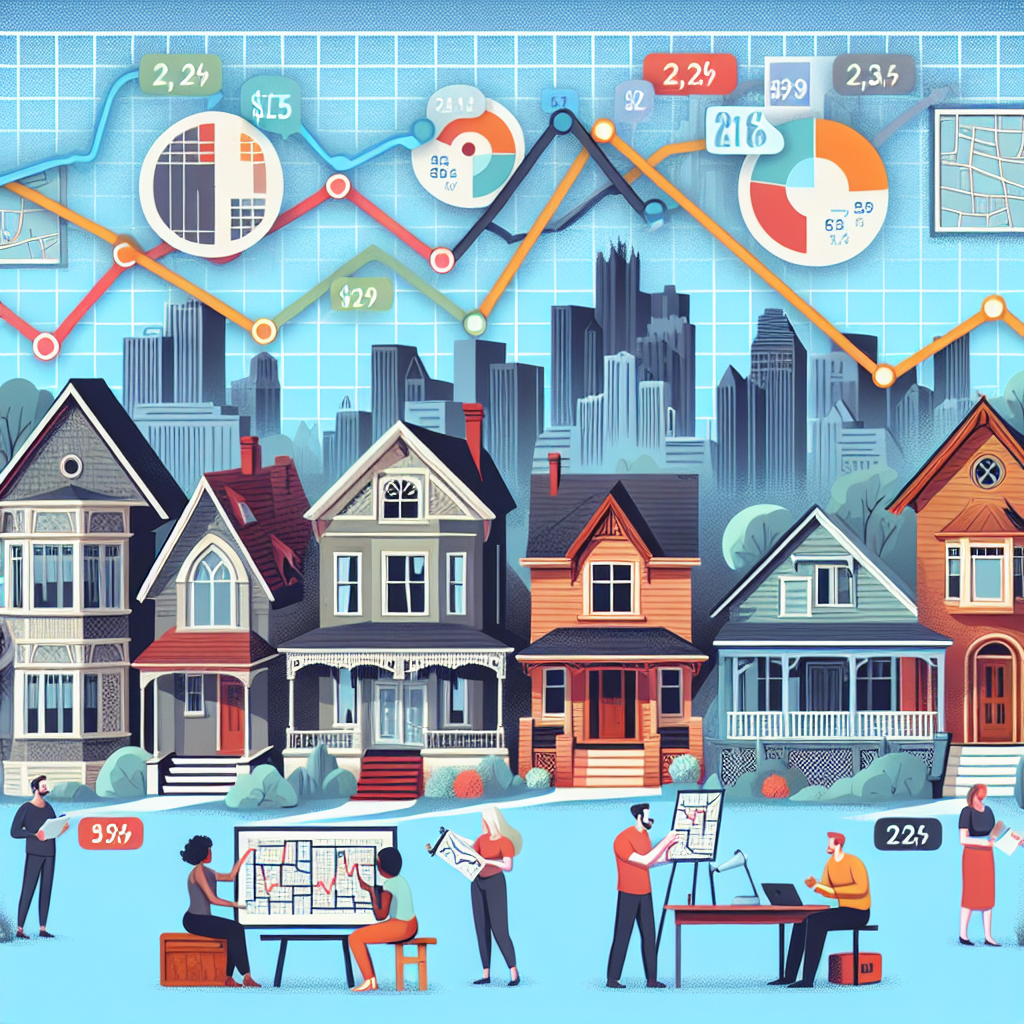
Technology has had a profound impact on housing market pricing strategies. Online real estate platforms, big data analytics, and artificial intelligence are transforming the way prices are set. These technologies provide real-time data on market trends, buyer behavior, and property values, enabling more accurate and timely pricing decisions. Machine learning algorithms can analyze vast amounts of data to predict future market trends, helping sellers and real estate agents make informed pricing decisions. Additionally, online real estate platforms have increased market transparency, allowing buyers to compare prices and make more informed decisions. This increased transparency puts pressure on sellers to price their properties competitively, driving more precise and data-driven pricing strategies.
Influence of External Factors
External factors such as economic conditions, social trends, and governmental policies also play a significant role in shaping housing market pricing strategies. For instance, interest rate changes by the Federal Reserve can have a direct impact on housing affordability and demand. Higher interest rates typically lead to higher mortgage costs, which can dampen buyer demand and put downward pressure on prices. Conversely, lower interest rates can boost demand and drive prices up. Social trends, such as the increasing demand for remote work-friendly homes, can also influence pricing. Properties with home offices or conducive work environments may command higher prices. Governmental policies, such as tax incentives for homebuyers or changes in zoning laws, can also affect pricing strategies. Sellers and real estate agents must stay attuned to these external factors to adjust their pricing strategies accordingly.
Conclusion
Understanding the various trends in housing market pricing strategies is essential for anyone involved in the real estate market. From market-driven pricing and psychological pricing to dynamic pricing and the impact of technology, these trends offer valuable insights into how properties are valued and sold. External factors such as economic conditions, social trends, and governmental policies further complicate the pricing landscape, making it crucial for sellers and real estate agents to stay informed and adaptable. As the housing market continues to evolve, staying abreast of these trends will be key to making informed and strategic decisions. Whether you’re a buyer, seller, or real estate professional, a deep understanding of pricing strategies can help you navigate the complexities of the market and achieve your financial goals.
Frequently Asked Questions
1. What are some of the current trends in the housing market pricing strategies?
In today’s rapidly evolving housing market, pricing strategies are adapting to a variety of new trends. One major trend is dynamic pricing, where prices fluctuate based on market demand and supply fluctuations. This strategy, inspired by airline and hotel industries, has been gaining traction as data-driven technologies become more sophisticated. It’s about timing the market and adjusting the price in real-time or near real-time to match current market conditions. Another prominent trend is using technology and analytics. Sellers and real estate professionals are increasingly relying on big data analytics to determine optimal pricing. This involves analyzing market trends, comparable sales, and even social media insights to make informed decisions. Moreover, pricing strategies are also influenced by consumer behavior changes, such as the rise in remote work leading to shifts in desired home features and location preferences. As more people seek homes with office spaces or move from urban to suburban areas due to remote work flexibility, pricing strategies have adapted to account for these new buyer preferences.
2. How do economic conditions impact housing market pricing strategies?
Economic conditions play a pivotal role in shaping housing market pricing strategies. In times of economic growth and stability, consumer confidence rises, leading to increased demand for homes and, consequently, higher prices. Sellers can afford to set higher asking prices, capitalizing on the heightened competition among buyers. Conversely, during economic downturns, buyers become more cautious, and demand may decrease. In such times, sellers often need to lower their prices or offer incentives to attract buyers. Interest rates are another critical economic factor. Lower interest rates make mortgages more affordable, boosting demand and allowing for higher pricing. On the other hand, when interest rates rise, affordability drops, and pricing strategies may need to be adjusted downward to ensure properties remain attractive to potential buyers. Hence, a deep understanding of the current economic climate is crucial for both sellers and buyers to navigate the housing market effectively.
3. How does demographic change influence pricing strategies in the housing market?
Demographic shifts significantly influence pricing strategies in the housing market. For instance, the aging baby boomer generation may lead to an increased supply of larger homes as they downsize or move into retirement communities. This surge in larger home availability could lead to adjustments in pricing strategies to prevent inventory accumulation. Meanwhile, millennials, who make up a significant portion of new homebuyers, generally look for smaller, more affordable starter homes or properties in urban settings, driving prices up in these segments. Millennials are also known for prioritizing technology and sustainability in homes, urging sellers to consider these factors when setting prices. Additionally, as more Gen Z individuals enter the workforce and begin buying homes, their preferences for smaller, more affordable housing and openness to remote work-friendly locations are likely to continue shaping pricing strategies in coming years. Therefore, understanding the demographic landscape and anticipated changes is crucial for sellers looking to optimize their pricing strategies.
4. What role does lifestyle preference play in the development of housing market pricing strategies?
Lifestyle preferences are increasingly becoming central to the development of effective housing market pricing strategies. As people’s lifestyles change, so do their housing needs and desires. Over the past few years, there has been a noticeable shift towards prioritizing work-life balance, with many buyers seeking homes that support remote work and offer comfortable living spaces. This has increased demand for properties with home offices, larger living spaces, and outdoor areas, influencing pricing strategies towards such features. The trend towards more sustainable and energy-efficient housing is another significant lifestyle-driven factor. Homes with green features such as solar panels, smart home technology, and sustainable materials command higher prices as these elements are sought after by environmentally conscious buyers. Additionally, the desire for community and walkable neighborhoods has driven up prices in areas that offer these amenities. Real estate professionals must stay attuned to these evolving lifestyle trends to set prices that reflect the value modern buyers seek, ensuring they remain competitive in the market.
5. How can sellers effectively price their properties in today’s housing market?
Sellers aiming to effectively price their properties in today’s dynamic housing market need to adopt a multi-faceted approach. First and foremost, conducting a thorough comparative market analysis (CMA) is essential. This involves examining recent sales of similar properties in the area to establish a competitive and realistic price point. Sellers should also pay close attention to current market conditions. In a seller’s market, where demand outweighs supply, they might price aggressively higher. However, in a buyer’s market, pricing competitively lower might be necessary to attract offers. It’s also crucial to consider unique property features that could justify a higher price tag, such as renovations, location benefits, or energy-efficient installations. Partnering with a seasoned real estate agent who has a deep understanding of local market trends can greatly aid in setting the right price. Additionally, sellers can leverage technology by utilizing online valuation tools and platforms that provide instant market data insights. Ultimately, staying flexible and open to adjusting the price based on market feedback and interest levels can help sellers navigate the complexities of today’s housing market successfully.