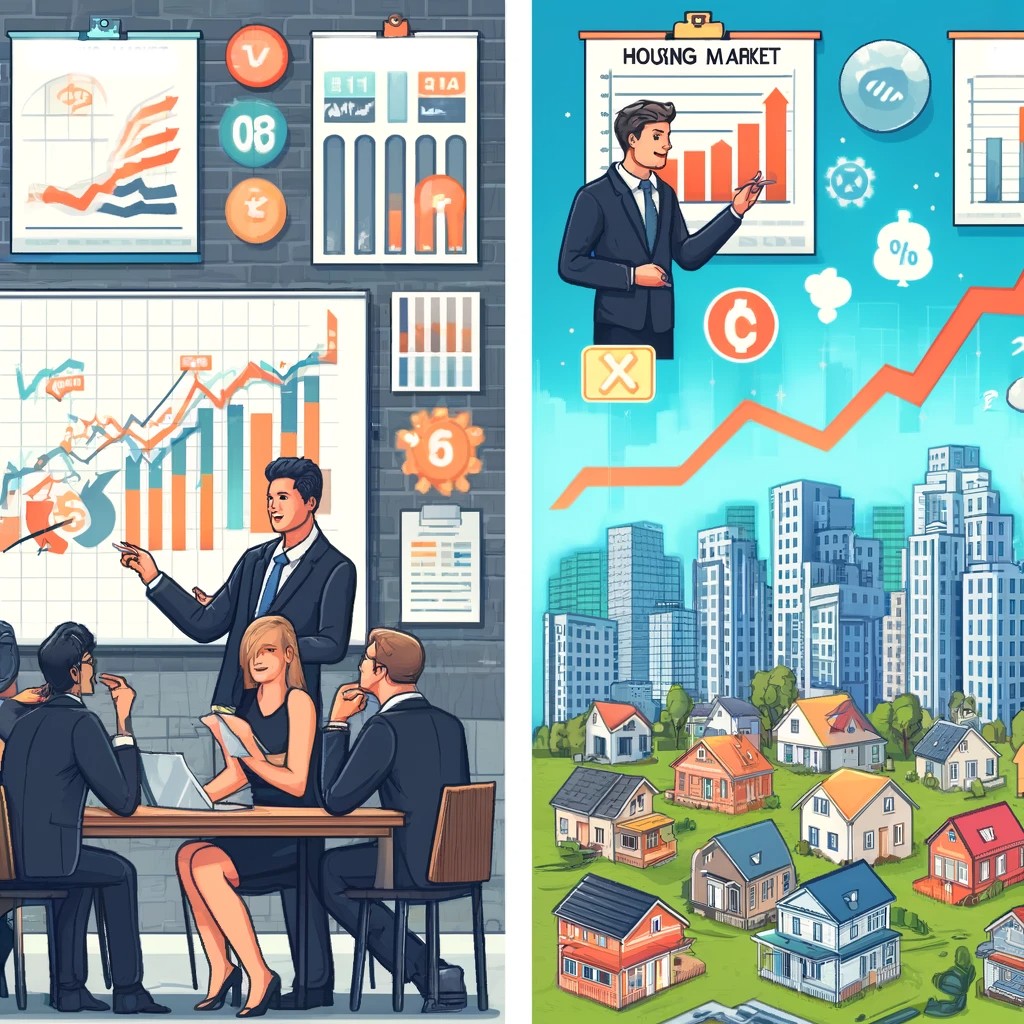
In today’s fast-paced and ever-evolving world, technological advancements have touched every facet of society. One of these areas is the housing market. Real estate transactions have long been shrouded in complex procedures and limited transparency, leading to inefficiencies and a lack of trust among buyers, sellers, and investors. But technology, with its transformative power, is changing this landscape dramatically. This article delves into how technology is enhancing transparency in the housing market and what it means for all stakeholders involved.
Introduction: The Traditional Housing Market Landscape
For centuries, the housing market has operated with various inefficiencies and a lack of transparency. Traditionally, buying or selling a home involved multiple intermediaries, such as real estate agents, brokers, appraisers, and loan officers. Information asymmetry was prevalent, where one party in a transaction often had more or better information than the other(s). This lack of transparency often led to trust issues, inefficiencies, and sometimes resulted in unfair dealings.
For many potential homeowners, the process of purchasing a home could be an overwhelming maze of paperwork, hidden fees, and opaque terms. Sellers, on the other hand, faced their own challenges in accurately pricing their properties and reaching the right buyers. Meanwhile, investors struggled with unreliable data and inconsistent reporting standards. All these issues contributed to a less-than-ideal market environment that left much to be desired.
Enter technology. From digital platforms and big data analytics to blockchain and artificial intelligence, technological innovations are now reshaping the housing market. By improving transparency, these technologies are addressing long-standing issues, enhancing trust, and creating a more efficient and accessible market for all.
Big Data and Analytical Tools: Shaping an Informed Market
One of the pivotal ways technology is enhancing housing market transparency is through the use of big data and analytical tools. These technologies have the power to process vast amounts of data in real-time, providing market participants with actionable insights and facilitating informed decision-making.
Consider the wealth of information available regarding property transactions, housing prices, neighborhood trends, and buyer behavior. Advanced analytics can sift through this data, identify patterns, and offer predictive insights. For buyers, this means access to accurate information about property values, enabling them to make well-informed purchasing decisions. Sellers can leverage these insights to price their properties competitively and target the right audience.
Moreover, real estate professionals can utilize these analytical tools to offer better services to their clients. By understanding market trends and buyer preferences, agents can tailor their strategies to meet specific needs. Investors, too, benefit from a deep analysis of market data, which helps them identify lucrative opportunities and manage risks effectively.
Ultimately, big data and analytical tools are driving a more transparent housing market where information flows freely and stakeholders can trust the accuracy and reliability of the data they access.
Blockchain: Revolutionizing Property Transactions
Blockchain technology, initially popularized by cryptocurrencies, is now making waves in the real estate sector. At its core, blockchain offers a secure and immutable ledger for recording transactions. This characteristic is particularly valuable in enhancing housing market transparency.
In the traditional property transaction process, multiple parties are involved, and each step generates a paper trail prone to delays and errors. Blockchain can streamline this process by digitizing records and ensuring that all data is consistently updated and verifiable. Every transaction on the blockchain is time-stamped and cannot be altered, providing an audit trail that stakeholders can trust.
For instance, property titles and ownership records can be securely stored on a blockchain, reducing the risk of fraud and disputes. Smart contracts, a feature of blockchain, can automate and enforce the terms of property transactions, ensuring that all conditions are met before the transfer is completed. This eliminates the need for intermediaries and reduces transaction costs significantly.
Blockchain also fosters greater transparency in rental markets. Landlords and tenants can access verified rental histories and payment records, building trust and simplifying tenant screening processes. This transparency extends to investors who can verify property portfolios and streamline their due diligence efforts.
In essence, blockchain technology is transforming the real estate industry by providing a transparent, secure, and efficient framework for property transactions, benefitting buyers, sellers, landlords, tenants, and investors alike.

Artificial Intelligence: Enhancing Decision-Making Processes
Artificial intelligence (AI) is another technological marvel reshaping the housing market. AI-powered tools and algorithms analyze vast datasets to uncover hidden patterns, predict market trends, and offer predictive insights that guide decision-making processes.
One significant application of AI in real estate is property valuation. Traditional appraisal methods often relied on manual assessments and subjective judgments, leading to inconsistencies and inaccuracies. AI algorithms, on the other hand, can analyze a multitude of factors, including property features, market trends, and historical data, to provide more accurate and unbiased valuations. This level of precision enhances transparency in property pricing, ensuring fairness for buyers and sellers alike.
AI-powered chatbots and virtual assistants are also transforming the buying and selling experience. These tools provide instant responses to queries, guide users through the property search process, and offer personalized recommendations based on individual preferences. This level of automation not only enhances customer experiences but also ensures that potential buyers receive accurate and consistent information.
Moreover, AI-driven predictive analytics enable real estate professionals and investors to anticipate market shifts and identify emerging opportunities. By analyzing historical data and market conditions, AI can predict future trends, helping stakeholders make strategic decisions. This proactive approach enhances market transparency and empowers all participants to stay ahead of the curve.
In summary, AI technology is enhancing housing market transparency by providing accurate valuations, personalized experiences, and predictive insights that guide decision-making processes for buyers, sellers, and investors.
Online Real Estate Platforms: Empowering Buyers and Sellers
The rise of online real estate platforms has democratized access to information and transformed how properties are bought and sold. Websites and mobile applications dedicated to real estate listings have become invaluable tools for buyers and sellers seeking transparency in the housing market.
These platforms offer a wealth of information, including property details, photographs, virtual tours, neighborhood data, and price trends. Prospective buyers can explore properties from the comfort of their homes, compare options, and make informed decisions based on comprehensive information. Sellers can reach a wider audience and showcase their properties effectively, optimizing their chances of finding the right buyer.
Moreover, online real estate platforms often integrate user reviews and ratings, adding an extra layer of transparency. Buyers can read about experiences from previous clients, helping them gauge the credibility and reliability of real estate agents and service providers. This feedback loop fosters trust and accountability within the market.
In addition to property listings, these platforms frequently offer tools such as mortgage calculators, affordability assessments, and market trend analyses. These features empower buyers to understand their financial capabilities and make sound investment choices. Sellers benefit from data-driven insights to price their properties competitively and attract genuine buyers.
Ultimately, online real estate platforms have revolutionized the housing market by providing a transparent, user-friendly environment where information is readily accessible, and buyers and sellers can connect with confidence.
Virtual and Augmented Reality: Enhancing Property Viewing Experiences
Virtual reality (VR) and augmented reality (AR) technologies are redefining the way properties are viewed and experienced. Traditionally, potential buyers had to physically visit multiple properties, which could be time-consuming and inconvenient. VR and AR have changed this dynamic by offering immersive and interactive property viewing experiences.
With VR, buyers can take virtual tours of properties, exploring every room and detail without leaving their homes. This technology provides a realistic sense of space and layout, allowing buyers to visualize themselves in the property and assess its suitability. VR tours are particularly valuable for out-of-town buyers and investors who may not be able to visit properties in person.
AR takes property viewings a step further by allowing users to overlay digital information onto the real world. For example, buyers can use AR applications to see how furniture and décor would look in a property, helping them envision the space’s potential. This interactive experience enhances transparency by providing a clear and accurate representation of the property.
For sellers, VR and AR technologies offer a powerful marketing tool. High-quality virtual tours can attract more potential buyers and provide a competitive edge in the market. Additionally, real estate agents can use these technologies to showcase properties remotely, reaching a broader audience and facilitating faster decision-making processes.
In conclusion, VR and AR technologies are revolutionizing property viewings, offering immersive and interactive experiences that enhance transparency and improve the buying and selling process.
Conclusion: A Transparent Future for the Housing Market
The role of technology in enhancing housing market transparency cannot be overstated. From big data analytics and blockchain to artificial intelligence and virtual reality, technological innovations are transforming how properties are bought, sold, and invested in. These advancements are addressing long-standing issues of information asymmetry, inefficiencies, and trust, creating a more transparent and efficient market environment.
Big data and analytical tools are empowering buyers, sellers, and investors with actionable insights, enabling informed decisions. Blockchain technology is revolutionizing property transactions with its secure and immutable ledger, reducing fraud and streamlining processes. Artificial intelligence is enhancing property valuations, customer experiences, and predictive analytics, bringing precision and foresight to the market.
Online real estate platforms have democratized access to information, making it easier for buyers and sellers to connect and transact with confidence. Virtual and augmented reality are redefining property viewings, offering immersive and interactive experiences that save time and enhance understanding.
As the housing market continues to embrace technological innovations, the future looks promising. Transparency will be the cornerstone of this new era, fostering trust, fairness, and efficiency for all stakeholders. Buyers can make well-informed choices, sellers can reach genuine buyers, and investors can seize lucrative opportunities with confidence.
In sum, the integration of technology into the housing market is a positive force, paving the way for a more transparent, accessible, and dynamic real estate landscape. Embracing these advancements will undoubtedly lead to a brighter future for the housing market and all those involved in it.
Frequently Asked Questions
1. How is technology improving transparency in the housing market?
Technology is playing a pivotal role in making the housing market more transparent. The influx of digital platforms and tools like online property listings, virtual tours, and real-time data analytics allows buyers, sellers, and investors to make more informed decisions. Online platforms aggregate vast amounts of data regarding property history, pricing trends, neighborhood statistics, and even environmental factors, providing stakeholders with a clearer picture than ever before. Furthermore, blockchain technology is making strides in enhancing trust by creating immutable records of property transactions, which can prevent fraud and disputes. In essence, technology is seamlessly integrating comprehensive data aggregation with ease of access, which is eliminating traditional blind spots and enhancing the overall clarity of the housing market.
2. What technologies are being utilized to facilitate transparency in real estate transactions?
A wide array of emerging technologies is being employed to bring about transparency in real estate transactions. Online platforms and mobile applications have become the standard for property searches and initial assessments. These platforms often feature advanced filtering options, interactive maps, and VR tours, which give a detailed view of potential properties from anywhere in the world. AI and machine learning algorithms analyze market trends to provide accurate pricing suggestions, property value predictions, and risk assessments. Moreover, blockchain technology ensures secure and transparent recording of transactions, which helps in simplifying due diligence processes and reducing the chances of fraud. Collectively, these technologies not only clarify the transaction process but also foster accountability and trust.
3. How does blockchain technology specifically contribute to transparency in the housing market?
Blockchain technology offers a fundamentally transparent and secure way of managing real estate transactions and property records. By utilizing a decentralized digital ledger, blockchain provides an immutable record of ownership and transaction history. This means that all changes are timestamped and cannot be altered once recorded, significantly reducing the potential for fraudulent activities. The transparency gained through blockchain can streamline the due diligence process, as all parties can verify the legitimacy of the transaction without relying solely on intermediaries. It also helps in simplifying processes such as title deed management and property rights verification, making it easier for investors and buyers to trust the system. Overall, blockchain’s transparent and secure framework is revolutionizing how transactions are executed and recorded in the housing market.
4. In what ways do virtual tours enhance transparency for potential homebuyers?
Virtual tours provide potential homebuyers with a transparent and immersive experience, offering a detailed view of a property without the need for a physical visit. This technology allows buyers to navigate through a home and explore its features at their own pace, which is both time-saving and convenient. With 360-degree views and high-resolution imagery, virtual tours offer a realistic depiction of a property’s layout, dimensions, and condition, enabling buyers to assess important details such as room sizes, lighting, and interior design elements more accurately. This accessibility to a realistic and comprehensive viewing experience reduces uncertainty and enhances transparency, allowing buyers to make more informed decisions. Moreover, potential buyers can revisit the tour at any time to reassess or focus on specific areas, providing them with continual access to clear and comprehensive property information.
5. How do real-time data analytics offer greater transparency in housing market trends?
Real-time data analytics provide stakeholders with up-to-date insights into housing market trends, facilitating transparency and informed decision-making. By leveraging vast datasets collected from various digital sources such as online listings, public records, and social media, analytics platforms can identify patterns and forecast trends with high precision. This technology can provide real-time updates on property values, market demand, price fluctuations, and even predictive insights into future market behavior. For buyers and investors, this means being able to understand market dynamics and adjust their strategies according to the latest information. Sellers and real estate agents also benefit; they can optimize pricing strategies and marketing efforts based on up-to-the-minute market data. This acceleration in real-time access to crucial information demystifies the complex housing market landscape, allowing all parties to act with greater confidence and transparency.