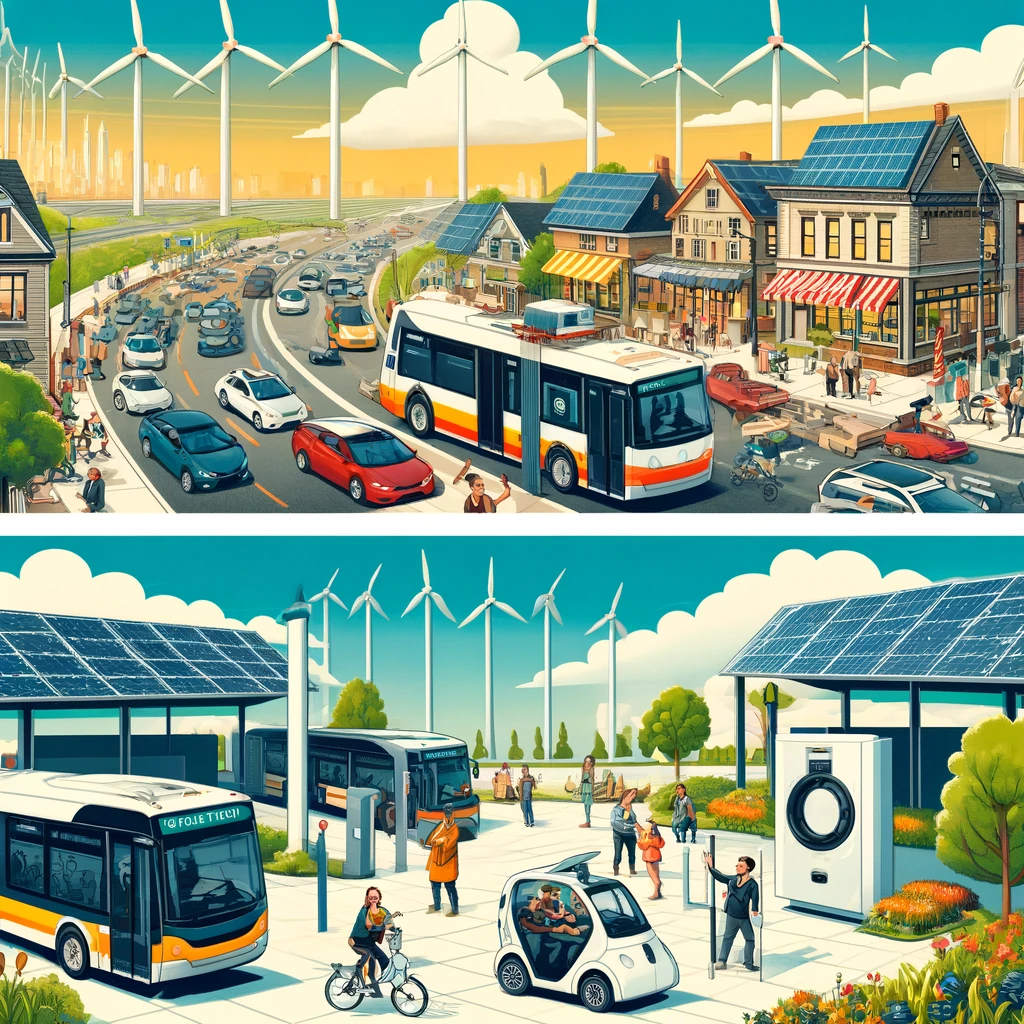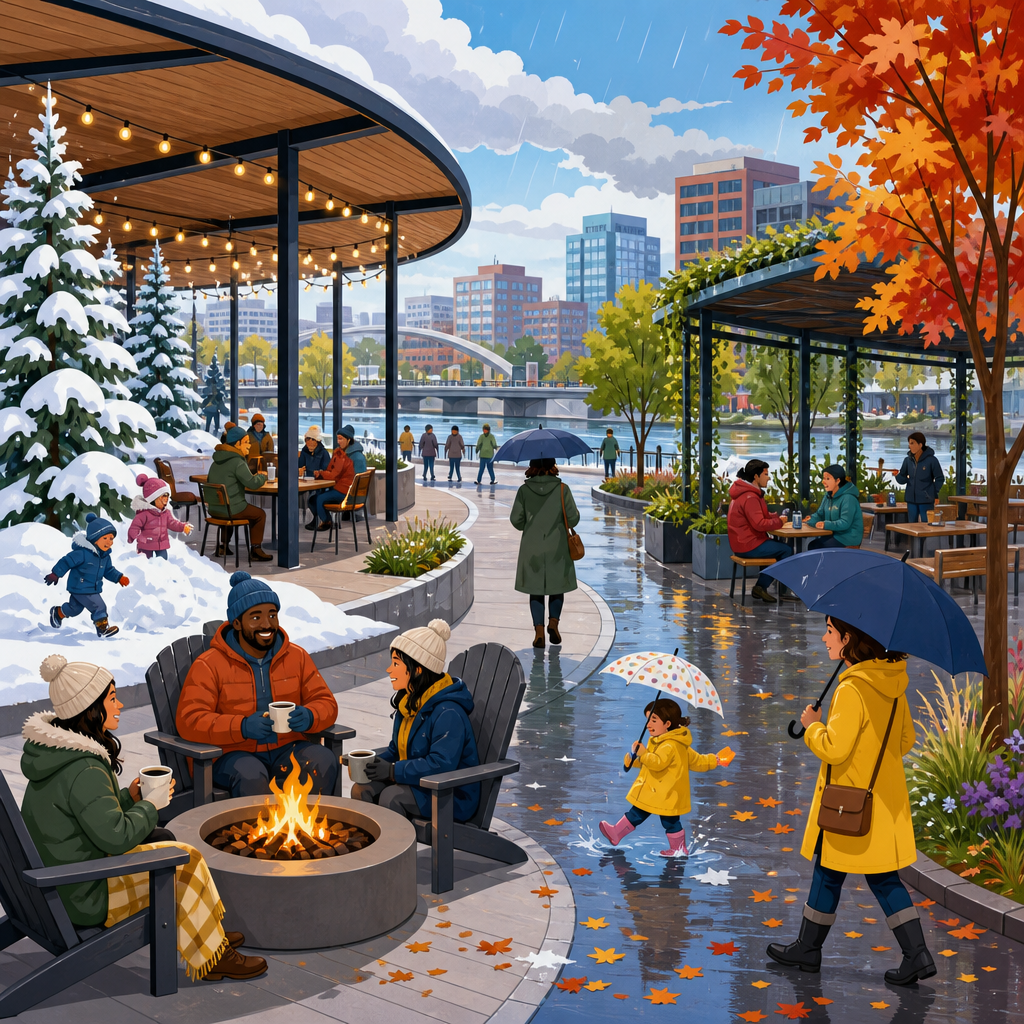
Designing public spaces for winter, rain, and shoulder seasons means creating streets, parks, plazas, transit stops, and civic landscapes that remain comfortable, safe, and useful when weather is cold, wet, windy, dark, or changeable. In practice, this work sits at the intersection of urban design, landscape architecture, microclimate planning, accessibility, operations, and public health. I have worked on projects where a plaza looked elegant in summer renderings but stood empty for six months because seating faced prevailing wind, drainage froze at entries, and lighting levels made people feel exposed after 4:30 p.m. Seasonal design corrects that failure by treating climate as a primary design input, not an afterthought.
The key terms are straightforward. Winter city design focuses on solar access, wind mitigation, snow management, ice control, and thermal comfort. Rain-ready public realm design addresses infiltration, drainage capacity, slip resistance, canopy cover, material performance, and shelter. Shoulder season design covers the unstable weeks of early spring and late autumn, when freeze-thaw cycles, leaf drop, gusty storms, low-angle sun, and muddy surfaces create different problems than peak winter or summer. A resilient public space works across all three conditions by supporting daily routines such as walking to school, waiting for transit, meeting friends, resting, shopping, and informal play.
This matters because cities do not stop functioning outside fair weather. In many temperate and northern regions, cool and wet conditions dominate most of the year. If public spaces are only comfortable on sunny summer days, they underperform economically and socially, and they exclude older adults, children, transit riders, outdoor workers, and people with disabilities who cannot simply choose another route. Well-designed all-season public spaces improve footfall for local businesses, reduce maintenance costs caused by water and freeze damage, support active transportation year-round, and strengthen climate adaptation. They also make sustainability visible: a rain garden that prevents ponding, a windbreak that makes a bench usable, or a covered bike corral that keeps cycling viable in November are practical examples of urban development that serves people in real conditions.
Start with climate, microclimate, and everyday use patterns
The first step is understanding both regional climate and site-specific microclimate. Municipal weather data gives annual precipitation, average snow depth, prevailing wind, freeze-thaw frequency, and daylight variation, but designers need finer-grained evidence. On site, I look for corner acceleration around tall buildings, shade cast by adjacent blocks at noon in December, snow drifting near entrances, splash zones beside curb cuts, and surfaces that stay damp because they never receive sun. Basic tools include sun-path studies, wind rose diagrams, pedestrian counts by season, infrared surface temperature checks, and stormwater flow mapping after a real rain event. Without this diagnostic work, expensive features often solve the wrong problem.
Use patterns matter just as much as climate data. A downtown square used for lunch in July may depend on direct winter sun to support a holiday market, while a neighborhood park path may need reliable drainage and lighting because it doubles as a school commute route in November. Transit stops need sheltered sightlines and enough standing room for strollers, shopping carts, and mobility devices during storms. Waterfront promenades require stronger wind protection than inland courtyards. The best designs map seasonal user journeys, identifying where people pause, queue, cross, and seek refuge. That process reveals where to place seating, overhead cover, gritted routes, bicycle parking, and snow storage.
Comfort in cold and wet weather is measurable. Standards such as ISO 7730 for thermal comfort are built for interiors, but outdoor design still relies on the same variables: air temperature, mean radiant temperature, wind speed, humidity, activity level, and clothing. In public space, wind is often the biggest determinant of whether a place feels tolerable. A bench in 2 degrees Celsius sun can feel pleasant if shielded from a 25 kilometer-per-hour wind; the same bench becomes unusable when exposed. That is why orientation, edge conditions, and massing are not abstract aesthetic choices. They are comfort infrastructure.
Shape space to capture sun, block wind, and provide shelter
Form determines whether people linger or hurry through. In winter climates, prioritize southern exposure for seating, play edges, and waiting areas. Keep taller masses to the north where possible so low-angle sun reaches the ground. Use building wings, evergreen planting, walls, glazed screens, arcades, and pavilions to interrupt prevailing winds without creating turbulence at pedestrian height. The goal is not to seal a site completely. Some airflow is healthy, especially in crowded areas, but the strongest gusts should be deflected above or around occupied zones.
Covered space is essential, and it should be designed as civic shelter rather than token ornament. A shallow canopy that leaves users exposed to wind-driven rain fails in real storms. Effective overhead cover considers depth, side protection, drip lines, gutter capacity, and snow shedding. At transit stops, I recommend canopies deep enough to protect boarding queues, not just the bench. In plazas, distributed shelter works better than one large structure if users enter from multiple directions. Colonnades, recessed shopfronts, and connected awnings can create continuous weather-protected walking routes that support commerce and accessibility at once.
Material selection reinforces shelter strategy. Use warm-touch materials such as timber seat tops where feasible, because metal seating becomes hostile in cold weather. Combine fixed seating in sunny spots with movable chairs in shoulder seasons so users can adjust to changing conditions. Integrate leaning rails for brief stays when surfaces are wet. Where open exposure is part of the identity of a site, add micro-shelters at intervals: wind screens by overlooks, enclosed vestibule-like entries to public toilets, and heated indoor-outdoor threshold spaces in libraries or market halls. These small interventions often have a larger behavioral impact than signature architecture.
Design water, snow, and ice management as visible infrastructure
Most weather-related failures in public space are water failures. Rain that is not captured, slowed, drained, or stored becomes ponding, splash, icing, edge erosion, and premature material breakdown. The fix starts with grades and overflow logic. Surfaces should direct runoff away from entrances, curb ramps, and primary walking lines. Slot drains, trench drains, and catch basins need maintenance access and sediment control. In cold regions, avoid creating low points where meltwater refreezes overnight. Coordinate drainage with snow operations, because plowed snow piles can block inlets at exactly the moment thaw begins.
Blue-green infrastructure improves performance when it is engineered properly. Bioswales, rain gardens, permeable paving, tree trenches, and structural soils can reduce runoff while improving planting health and cooling in warmer months. The caution is that these systems need climate-appropriate detailing. In freeze-thaw conditions, permeable pavements require suitable subbase design and vacuum sweeping to avoid clogging. Rain gardens should have underdrains where infiltration rates are poor. Plant palettes must tolerate inundation, deicing salt, compaction, and winter desiccation. Cities such as Copenhagen and Rotterdam have shown that visible stormwater landscapes can double as attractive public amenities, but they succeed because hydraulics and maintenance were planned rigorously.
| Design challenge | Effective response | Why it works in wet and cold seasons |
|---|---|---|
| Ponding at entries | Regrade thresholds, add trench drains, protect with canopy | Keeps water away from doors and reduces refreezing risk |
| Wind-driven rain at transit stops | Deeper roof, side screens, clear sightlines | Improves shelter without compromising safety or visibility |
| Icy walkways | High-friction paving, drainage correction, prioritized snow routes | Addresses root causes instead of relying only on salt |
| Snow blocking accessible paths | Dedicated snow storage and protected clear width | Preserves mobility for wheelchairs, walkers, and strollers |
| Waterlogged planting beds | Underdrains, amended soils, salt-tolerant species | Maintains landscape health through storms and thaw periods |
Snow and ice plans should be designed before construction documents are complete. Identify where snow will be stored, how meltwater will drain, which routes are cleared first, and whether maintenance vehicles can access the site without damaging edges or tree roots. Heated pavements may be justified at hospital entries, major transit interchanges, or steep ramps, but they are energy-intensive and should be limited to critical points. More often, the durable solution is simple: robust paving, clear drainage, adequate snow storage, and an operations plan that aligns with the design intent.
Prioritize safety, accessibility, lighting, and year-round activity
A public space is not successful in winter or rain if only the hardy few can use it. Accessibility standards such as the ADA in the United States, BS 8300 in the United Kingdom, and comparable local codes establish baseline dimensions and slopes, but all-season design must go further. Routes should remain continuous when snow is piled, tactile surfaces should not create trip hazards when wet, and crossings should avoid puddle formation at curb ramps. Benches with backs and arms support older adults who need stable resting points. Accessible seating should be integrated into sheltered zones, not left in the most exposed corner.
Lighting deserves more attention than it often receives. In shoulder seasons, people may use parks before sunrise and after sunset, and poor lighting quickly suppresses activity. Good lighting is uniform, glare-controlled, and focused on faces, path edges, crossings, and destinations rather than blasting entire spaces indiscriminately. Layer pedestrian-scale poles with under-canopy lighting, illuminated signage, and storefront spill light. The objective is legibility and reassurance. I have seen small upgrades such as lighting a secondary path to a bus stop increase evening use far more than adding decorative features ever did.
Programming also changes seasonal performance. Markets, winter play features, temporary art, sheltered kiosks, and hot-food concessions give people a reason to occupy public space even when conditions are imperfect. The lesson from cities like Montreal, Helsinki, and Edmonton is not that every plaza needs an ice rink. It is that management should treat cold and wet months as active seasons with distinct offerings. A covered reading terrace at a library, a rainy-day play loop with durable surfacing, or a shoulder-season planting display with early bulbs and colored stems can sustain public life when summer events are absent.
Operations and maintenance are part of safety. Specify where grit bins are placed, who clears drains, how quickly snow is removed, and which agency replaces failed lighting. If responsibilities are unclear, design quality degrades fast. Municipalities that perform well usually pair capital projects with maintenance manuals, seasonal inspections, and post-occupancy reviews after the first winter. That feedback loop is where the strongest improvements happen.
Measure performance and build an all-season public realm strategy
To improve public spaces for winter, rain, and shoulder seasons, cities need measurable outcomes. Track footfall by season, dwell time, slip incidents, drainage complaints, tree survival, transit stop use, cycling counts, and maintenance costs. Compare sheltered versus unsheltered seating, sunny versus shaded edges, and conventional versus permeable surfaces. Data from sensors, manual observations, and maintenance logs can show whether interventions are working. When a redesigned square keeps 70 percent of its baseline pedestrian volume on wet days, or when slip reports fall after correcting grades and paving, that is evidence that climate-responsive design is delivering value.
This hub article sits within sustainable urban development because all-season public spaces extend the usefulness of public investment, support low-carbon travel, and strengthen climate adaptation. The core principles are consistent: study microclimate carefully, shape massing and landscape for comfort, manage water and snow as infrastructure, protect accessibility, and plan operations from day one. Good design does not fight weather blindly; it works with local conditions so people can keep moving, meeting, resting, and participating in civic life throughout the year. Audit one public space in your city this week during bad weather, note where people avoid, pause, and struggle, and use those observations to guide the next design decision.
Frequently Asked Questions
Why is it so important to design public spaces for winter, rain, and shoulder seasons instead of focusing mainly on summer use?
Because a public space that only works in ideal weather is not truly doing its job. Streets, parks, plazas, transit stops, school grounds, and civic landscapes are part of daily life all year, not just during warm, dry months. In many climates, cold, wet, windy, dark, or highly variable conditions dominate a large part of the calendar. If those spaces become uncomfortable, slippery, empty, or difficult to navigate for half the year, communities lose social value, economic activity, and public return on investment. A plaza that appears vibrant in summer renderings but sits exposed and vacant from November through April is a common example of design that performs visually but not operationally.
Season-responsive design improves comfort, safety, and consistent use. It helps people wait for transit with less stress, gives older adults and children safer routes in icy or rainy conditions, supports outdoor commerce for local businesses, and makes civic spaces feel welcoming rather than punitive during darker months. It also contributes to public health by encouraging walking, social contact, and time outdoors when people are otherwise more likely to retreat indoors. From an urban design perspective, it strengthens year-round placemaking. From an accessibility perspective, it reduces barriers created by snow storage, puddling, glare, freeze-thaw cycles, and poorly lit paths. And from an operations standpoint, it makes maintenance more realistic by aligning design choices with drainage, snow clearing, de-icing, and seasonal wear. In short, designing for shoulder seasons and winter is not a niche concern; it is fundamental to creating public spaces that are equitable, resilient, and genuinely useful.
What are the most important design strategies for making public spaces comfortable in cold, wet, windy, and changeable weather?
The most effective approach is to think in layers rather than relying on a single gesture. Comfort in difficult weather comes from the combined performance of microclimate planning, material selection, shelter, seating, lighting, drainage, and maintenance access. Start with wind. Even a beautiful square can feel unusable if it is exposed to downdrafts, corner acceleration, or open wind corridors. Buildings, landforms, screens, evergreen planting, and pavilion elements can all help reduce wind speeds and create calmer pockets for sitting, waiting, or gathering. At the same time, designers should preserve access to winter sun where possible, especially in northern climates where solar exposure can make a meaningful difference in perceived comfort.
Shelter is another major factor. People do not necessarily need to be fully indoors, but they do need protection from rain, wet snow, and blowing wind. Canopies, arcades, covered waiting areas, partially enclosed pavilions, and strategically placed overhead structures can extend use dramatically. Good shelters also need to be designed so they do not simply relocate runoff and dripping onto paths or seats. Drainage is equally critical. Sloped paving, trench drains, permeable systems where appropriate, and carefully detailed edges can reduce puddling, splash, and ice formation. Materials should be selected for slip resistance and durability under freeze-thaw conditions, not just for appearance.
Seating should support different types of use and different body needs. In cool weather, people often prefer seats with backs, armrests, and some degree of enclosure. Surfaces that do not remain constantly wet or icy are much more likely to be used. Lighting matters more than many projects acknowledge, especially during shoulder seasons and winter when people arrive and leave in darkness. Illumination should support visibility, wayfinding, and personal security without creating harsh glare on wet surfaces. Finally, all of these strategies must be coordinated with realistic maintenance practices. A space is only as functional as its ability to be cleared, drained, repaired, and kept legible during poor weather. The best all-season public spaces are the ones where design intent and operations reinforce each other from day one.
How does accessibility change when designing for winter and rainy conditions?
Accessibility becomes even more demanding, and more important, when weather is adverse. A route that meets minimum standards in fair weather may become exclusionary in winter or heavy rain if it accumulates slush, forms ice at low points, loses edge definition under snow, or funnels water across pedestrian paths. Designing for all-season accessibility means thinking beyond static compliance and focusing on how the environment performs over time, under changing conditions, and for users with a wide range of mobility, sensory, and cognitive needs.
Surface continuity is one of the first priorities. Walking routes should be stable, slip-resistant, and easy to clear. Avoid unnecessary grade changes, decorative paving patterns that become visually confusing when wet, and materials that polish over time or become hazardous in freeze-thaw cycles. Transitions between surfaces should be smooth, and detectable warnings, curb ramps, and crossings should remain legible even when partially obscured by snow or leaf buildup. Drainage design is especially important because standing water and refreezing can create obstacles that are minor for some users but serious barriers for wheelchair users, cane users, older adults, and anyone pushing a stroller.
Shelter and rest opportunities also play a major role in accessibility. People with limited stamina, chronic health conditions, balance concerns, or sensory sensitivities may need more frequent places to pause that are dry, protected, and well lit. Transit stops in particular should provide enough covered area for wheelchairs and mobility devices without forcing people into exposed overflow zones. Wayfinding should remain clear in low light and poor visibility, using consistent layout, contrast, and lighting rather than relying only on signage. Maintenance protocols matter just as much as physical design: if the accessible route is not the first route cleared, if curb ramps become blocked by plowed snow, or if benches remain wet and unusable for days, the space effectively stops being accessible. In all-season design, accessibility is not a checklist item; it is an operational and spatial commitment.
What role do maintenance and operations play in successful year-round public space design?
They play a decisive role. Many public spaces underperform in winter and wet seasons not because the original design lacked ambition, but because maintenance realities were not considered early enough. A space may include elegant paving, custom furnishings, planting beds, and drainage features, but if crews cannot clear snow efficiently, if runoff freezes at entries, if leaves clog drains in autumn, or if seating remains saturated for long periods, users will experience the space as neglected and uncomfortable. Operational planning should therefore be treated as part of design, not as something that happens afterward.
This begins with understanding who will maintain the site, with what equipment, on what schedule, and to what standard. Path widths, turning radii, curb details, and furnishing placement should allow snow removal and cleaning equipment to move without damaging edges or leaving inaccessible residual strips. Snow storage needs to be planned so that plowed material does not block crossings, bury seating, overwhelm planting areas with salt, or melt into travel routes and refreeze overnight. Drainage systems should be robust, inspectable, and easy to keep clear of debris. Materials should be chosen not only for visual effect, but for repairability, traction, and performance under frequent wetting, salting, scraping, and temperature swings.
Operations also influence programming and user trust. If a market plaza is intended to host winter events, there must be power access, lighting, storage, and a maintenance plan that supports those uses. If a transit plaza is meant to feel safe after dark, lighting levels, snow clearance timing, and line-of-sight management need to be consistently maintained, not just installed at opening. The most successful all-season public spaces are the ones where designers, operators, city staff, and community stakeholders align expectations early. When operations are integrated from the start, the space remains legible, safe, and inviting in the exact conditions when people most need public infrastructure to work well.
How can designers create public spaces that still feel lively and welcoming during darker, colder, and wetter months?
Activity in challenging weather does not happen by accident; it needs to be supported physically, socially, and psychologically. People are much more likely to use outdoor space in winter or rain when the environment signals comfort, purpose, and care. That starts with microclimate and shelter, but it also involves programming, lighting, visual warmth, and the placement of uses that generate steady foot traffic. Designers should think about where people already need to go, such as transit stops, schools, libraries, shops, and civic services, and then strengthen those corridors and nodes rather than expecting isolated spaces to remain animated on their own.
Lighting is one of the most powerful tools. In darker months, a space that is evenly, warmly, and thoughtfully lit can feel dramatically more welcoming than one that is technically illuminated but visually harsh or patchy. Good lighting supports orientation, highlights entrances and pathways, reduces hidden corners, and helps wet surfaces read clearly. Material choices can reinforce that effect; warmer textures, durable planting structure, and visible seasonal interest help a place avoid feeling abandoned outside the growing season. Evergreens, bark texture, winter stems, overhead elements, and weather-protected gathering points all contribute to a sense that the space is intentionally designed for this time of year, not merely surviving it.
Programming matters too, but it should be realistic and climate-aware. Small winter markets, sheltered seating zones, food kiosks, temporary art, play elements, fire features where appropriate and safe,