Introduction to Efficient Transportation Hubs
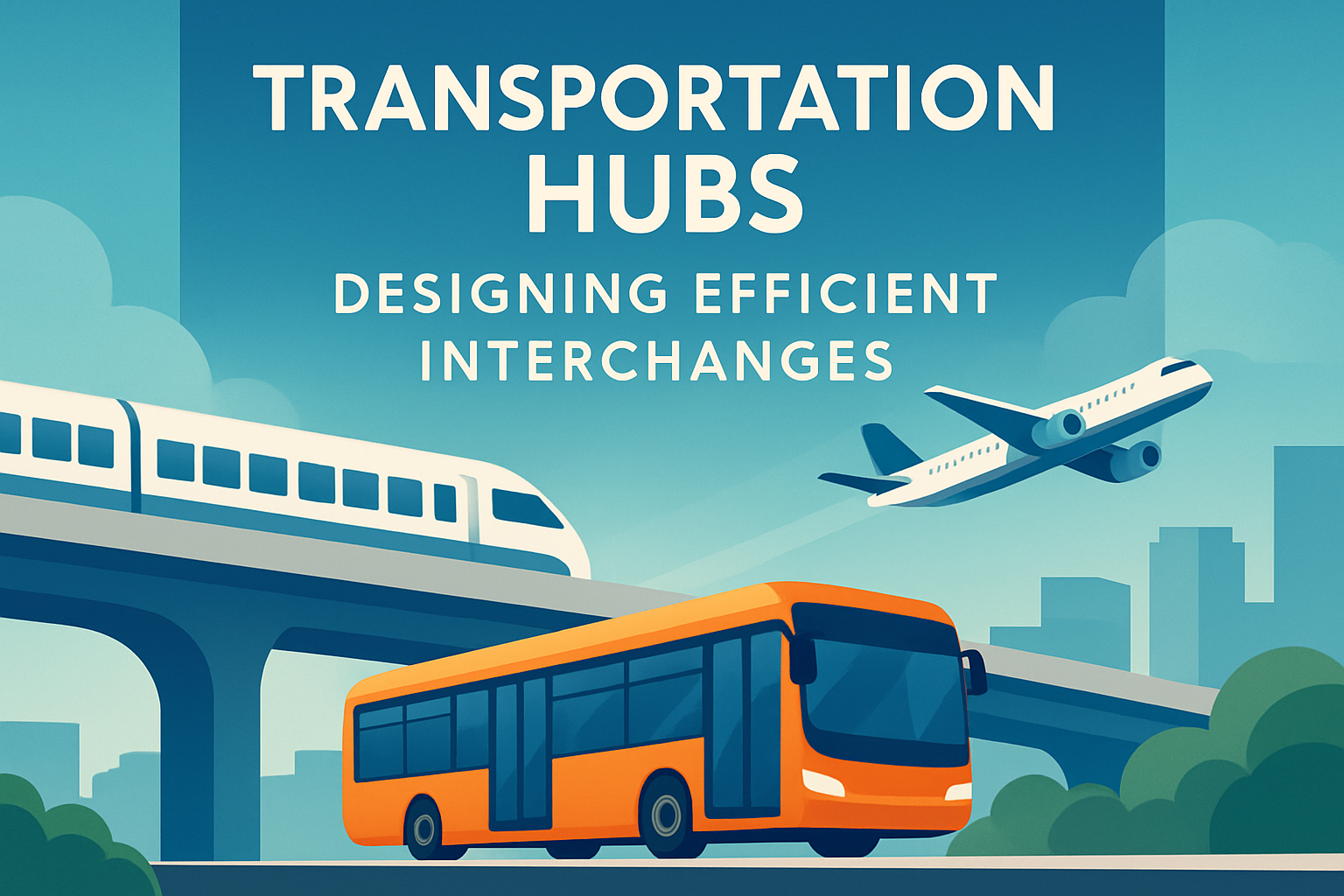
Transportation hubs are critical centers where different modes of transport converge. They are essential for efficient travel, as they provide a seamless interchange between trains, buses, subways, and even air travel. As urban areas grow and more people rely on public transportation, designing these hubs intelligently becomes increasingly vital. But what exactly characterizes an efficient transportation hub? A transportation hub refers to a location where passengers and cargo are exchanged between vehicles or different transport modes. The efficiency of these hubs directly influences commuter satisfaction, the economic growth of a region, and environmental sustainability. In a world where urban overcrowding and climate concerns prevail, efficient transportation hubs offer a sustainable solution. Their design affects not only the ease of travel but also helps decrease traffic congestion, reduce pollution, and improve the overall experience of passengers.
Today’s urban planners and engineers face the challenge of creating transportation hubs that accommodate growing populations while reconciling with limited space and resources. This article will delve into the essential components and strategies for designing efficient interchanges, examining various real-world examples to understand what works and why. Furthermore, it will highlight the importance of these hubs in improving overall transportation networks and leading cities toward a more sustainable future.
Components of Efficient Transportation Hubs
An efficient transportation hub comprises several key components that work in tandem to streamline movement and cater to passengers’ needs. Integration is primary; the successful convergence of differing transport systems—such as trains, buses, and two-wheelers—into a single, cohesive network is crucial. Such integration minimizes commuting time, enhances convenience, and helps in reducing reliance on personal vehicles.
One notable example is Grand Central Terminal in New York City. As one of the busiest railway stations in the world, it serves as a leading interchange point. It blends a strategic layout with comprehensive transport options, including urban rail and subway lines, making navigation natural and reducing wasted travel time. Furthermore, an effective transportation hub utilizes smart technologies and wayfinding solutions. By incorporating digital kiosks, mobile applications, and real-time data screens, transportation hubs can provide updated scheduling information to passengers directly, helping them plan their journeys more efficiently.
Maximizing Accessibility and Connectivity
An efficient transportation hub must maximize accessibility, ensuring easy entry and exit points for passengers. This is achieved through effective signage and thoughtful architecture, guiding passengers effortlessly to their next mode of transport. For instance, London King’s Cross Station incorporates state-of-the-art connectivity, allowing passengers easy transition between different train services while providing elevator and escalator access, aiding those with mobility impairments.
In addition, a hub should not only physically connect different transportation modes but also offer digital connectivity through reliable Wi-Fi services and connectivity to transportation apps. These digital tools enhance passenger experience by aiding planning through online reservations, digital tickets, and updated alerts regarding service changes.
Sustainability and Environmental Considerations
Sustainability plays a crucial role in the design and operation of modern transportation hubs. Environmentally conscious design helps mitigate the environmental impact of massive transit operations. The integration of green building practices, such as energy-efficient lighting, solar panels, and green roofs, significantly reduces the carbon footprint of these hubs.
Changi Airport in Singapore exemplifies a transportation hub where sustainability is prioritized. Its architecture incorporates extensive use of daylight to reduce the need for artificial lighting, while rainwater harvesting systems provide water for maintenance purposes. These efforts collectively contribute to a reduced environmental impact while maintaining a high level of service efficiency.
Efficient Use of Space and Passenger Flow Management
One of the tremendous challenges in hub design is the efficient use of space to ensure smooth passenger flow. Effective management of passenger traffic involves strategic design elements such as wide concourses, clear pathways, and convenient amenities. Concourse design should prevent bottlenecks and allow for free movement, especially during peak times. Thoughtful placement of ticketing services, rest areas, and retail options further contribute to a seamless experience.
The transportation hub of Tokyo Station is a sterling example of efficient use of space. With its extensive subway network met with sprawling rail line services, Tokyo Station intelligently distributes passenger volumes across multiple floors. This includes underground retail spaces and multi-tiered transport platforms, ensuring that the substantial daily passenger count does not lead to congestion.
| Hub Name | Monthly Users (in millions) | Key Features |
|---|---|---|
| Grand Central Terminal | 21.6 | Digital Wayfinding, Art Deco Architecture |
| Changi Airport | 5.26 | Sustainability Initiatives, Gardens |
| Tokyo Station | 31.3 | Efficient Space Utilization, Seamless Connectivity |
Integrating Modern Technologies
Integrating modern technologies is an essential consideration when designing contemporary transportation hubs. Technological advancements like automated ticketing, biometric check-ins, and AI-managed logistics have left an indelible mark, revolutionizing how interchanges operate. Train and bus schedules efficiently managed by AI analysis allow for adaptive adjustments based on real-time commuter data, optimizing transport flow.
An instance of ground-breaking utilization of technology is evident in Hong Kong’s MTR system. The incorporation of Octopus Cards simplifies access, allowing passengers to pay for services and retail purchases effortlessly. The RFID technology embedded within these cards ensures swift and seamless travel, minimizing delays and elevating the commuting experience.
The Role of Intermodal Passenger Transport
The concept of intermodal passenger transport is pivotal to an efficient transportation hub. It encompasses the use of various modes of transportation, such as buses, trains, and bicycles, within a single journey without complications. Intermodal hubs enable the establishment of “last-mile” solutions, tackling the gaps left by mainstream transportation networks.
Germany’s Berlin Hauptbahnhof exemplifies efficient intermodal transport, incorporating seamless transitions between urban regional trains, long-distance services, and bicycle lanes. By offering diverse transportation options, hubs like Berlin Hauptbahnhof cater effectively to the varying needs of passengers, ensuring accessibility for all and encouraging reduced dependence on personal vehicles.
Summary and Conclusion
Designing efficient transportation hubs is an intricate task that requires strategic consideration of various factors, from integration to sustainability. Efficient transportation hubs feature smooth connectivity between modes, intelligent use of space, user-friendly technology, and sustainable practices, all while ensuring the management of passenger flow. These hubs are more than mere passage points; they are crucial for reducing traffic congestion, promoting environmental well-being, and enhancing the experience of commuters.
Investing in and focusing on the efficient design of transportation interchanges grants cities the ability to handle rising populations and increased travel demands. As urban centers continue to expand, efficient transportation hubs stand as a sustainable solution, crucial to the future of urban mobility.
For those engaged in urban planning and transport design, the call to action is clear: prioritize the creation of intelligent, efficient interchange hubs responding not only to current demands but also to future growth. Embrace the integration of technology, focus on the passenger experience, and build a transportation ecosystem that delivers sustainability and efficiency in equal measure.
Frequently Asked Questions
1. What are the key elements in designing an efficient transportation hub?
Designing an efficient transportation hub involves several critical elements. At its core, the design should ensure seamless connectivity between various modes of transportation, such as buses, trains, subways, and potentially even airlines. This means careful planning of space and layout to facilitate easy, quick transfers. Navigational signage is crucial; it must be intuitive and clear, so travelers can find their way without hassle. Accessibility is another key element; hubs must be designed to accommodate individuals with disabilities, providing ramps, elevators, and other necessary facilities. Moreover, efficiency is enhanced by integrating technology, like real-time information systems that inform passengers of schedules and any changes or delays. Security is also a paramount concern, requiring integrated surveillance systems and personnel to ensure passenger safety. An optimal design considers the flow of passenger movement, avoiding bottlenecks and congestion, which can lead to delayed travel and frustrated commuters. Finally, sustainability should be part of the design, incorporating eco-friendly materials and systems to enhance energy efficiency and reduce the environmental footprint of the transportation hub.
2. How does technology play a role in improving the efficiency of transportation hubs?
Technology plays a pivotal role in elevating the efficiency of modern transportation hubs. It’s integrated throughout the entire passenger experience, beginning with smart ticketing solutions like contactless payment systems and digital ticketing, which streamline boarding processes and reduce waiting times. Real-time passenger information systems are crucial, offering updates on train, bus, or flight schedules, service disruptions, and estimated arrival times, allowing travelers to plan and adapt their journeys with ease. Advanced security technologies, such as surveillance cameras with AI capabilities, enhance safety by monitoring and analyzing movements to prevent incidents. Furthermore, traffic management systems are used to optimize the flow of vehicles, reducing congestion both within and surrounding the hub. Mobile apps complement these technologies by providing commuters with personalized travel information, maps, and even navigation assistance. As technology continues to evolve, the potential to enhance efficiency grows, fostering a more seamless, secure, and accessible transportation experience for all users.
3. Why is accessibility important in the design of transportation hubs?
Accessibility is a fundamental consideration in transportation hub design because it ensures that all individuals, regardless of their physical abilities, can navigate the hub with ease and dignity. This includes providing well-designed ramps, stair-lifts, and elevators, along with tactile paving for the visually impaired and clearly designated spaces for wheelchairs and other mobility aids. Inclusive design not only complies with legal standards and societal expectations but also broadens the user base of public transportation, encouraging more people to opt for these services over private vehicles. By enhancing accessibility, hubs can effectively serve a more diverse population, reducing the potential for travel disparities. In addition, with a focus on accessibility, hubs can cater to other groups such as families with strollers, elderly passengers, and travelers with heavy luggage. Ultimately, prioritizing accessibility in transportation hubs fosters an inclusive environment where everyone can travel independently and without unnecessary obstacles.
4. What role does architecture play in the efficiency of transportation hubs?
Architecture is central to the efficiency of transportation hubs as it dictates the flow, layout, and functionality of the space. Thoughtful architectural design creates a logical and intuitive layout, minimizing frustration that can arise from confusing or complex building configurations. It strategically locates connections between various transport modes to reduce walking distances and avoid congestion. Architectural elements also need to incorporate adequate space for passengers to queue, board, and disembark comfortably and safely. Designs should maximize natural light and ventilation, contributing to pleasant and inviting environments that can improve passengers’ experiences. Furthermore, architecture can incorporate sustainable practices by selecting renewable materials and incorporating “green” technologies, such as rainwater harvesting and solar panels, reducing the hub’s environmental footprint. Iconic architectural designs can also serve as landmarks, contributing to the identity of a city and enhancing the community’s pride in their infrastructure. Overall, architecture is not just about the visual appeal of transportation hubs but is critical to their operational success and long-term sustainability.
5. How does a well-designed transportation hub benefit urban areas?
Well-designed transportation hubs are vital to the health and growth of urban areas, acting as critical arteries that ensure smooth and efficient travel for residents and visitors. They help alleviate traffic congestion by encouraging the use of public transportation, which can lead to cleaner air, reduced greenhouse gas emissions, and an overall higher quality of urban life. Efficient hubs can also boost local economies by improving access to job markets, making commuting more feasible and attractive to workers. The attractiveness and reliability of these hubs can enhance tourism, as tourists may find it easier and more convenient to explore the area. Beyond immediate transportation benefits, hubs can often drive urban development, spurring investments in surrounding areas like retail, dining, and housing. Transportation hubs designed with community integration in mind can act as social spaces, offering amenities and public services such as parks, markets, and cultural facilities, thus fostering a sense of community and belonging. Therefore, the ripple effects of a well-designed transportation hub extend far beyond just the mobility benefits, influencing various facets of urban living and sustainability.