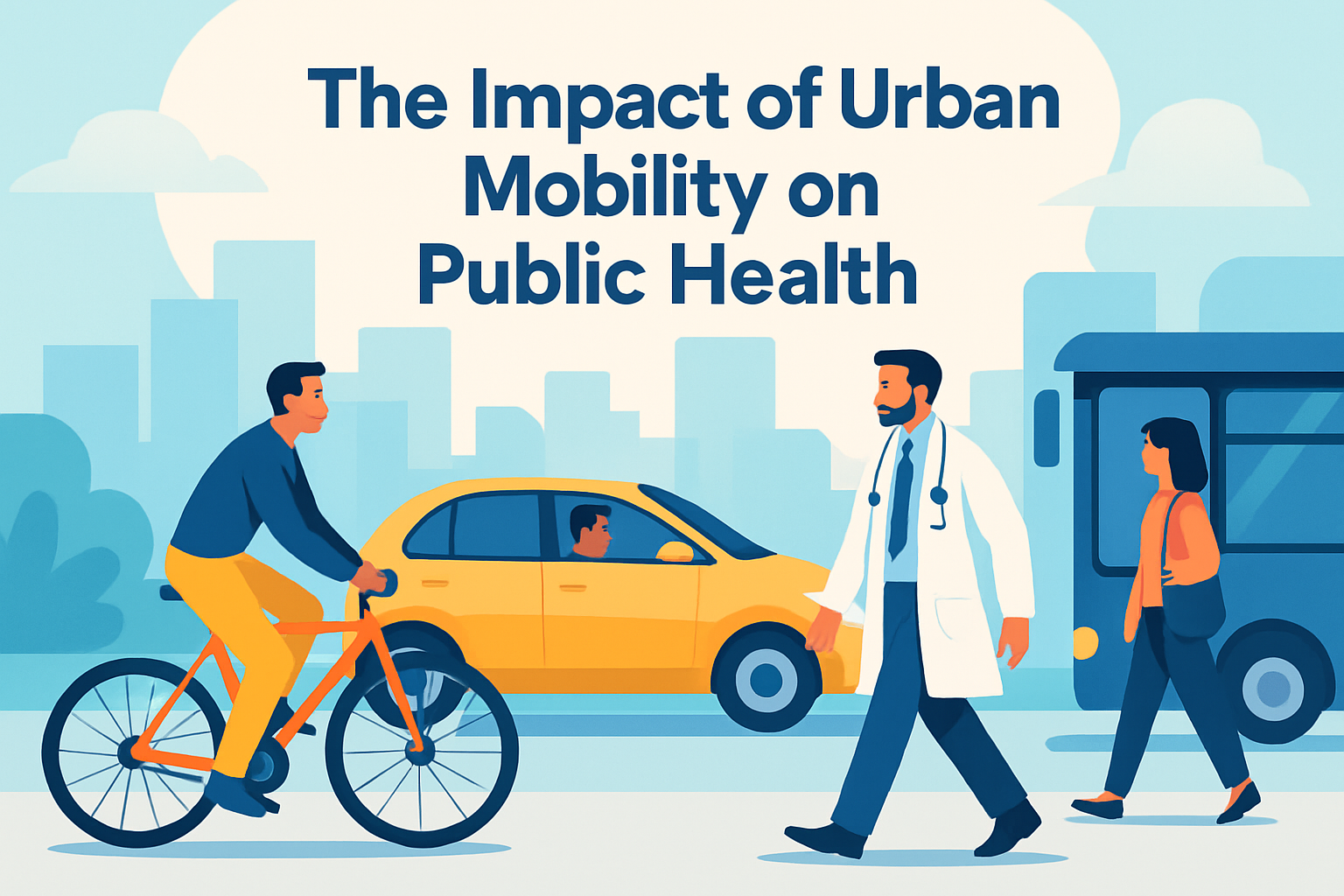
Urban mobility refers to the various means of transportation and movement within city environments, including public transport systems, cycling, walking, car commuting, and more. It plays a pivotal role in the functioning of a city, influencing economic activities, social interactions, and importantly, public health. In recent years, there has been growing recognition of the impact that urban mobility patterns can have on public health outcomes. This awareness is largely due to the increasing prevalence of urban populations, with more than half of the world’s population now living in cities. Understanding the connection between mobility and health is crucial for the development of urban areas that foster well-being, reduce environmental impact, and create sustainable living conditions for citizens.
The significance of urban mobility on public health encompasses multiple facets, addressing both direct and indirect effects on the population. Direct impacts include air pollution and accidents, while indirect ones involve lifestyle factors such as physical activity and mental health. Assessing the public health implications of urban mobility is a critical challenge and an opportunity to drive policies towards healthier and more resilient urban environments. It is vital to explore the intricate relationship between how we move around cities and the overall health of urban populations to ensure holistic and effective urban planning and public policy strategies.
Air Quality and Respiratory Health
One of the most immediately observable effects of urban mobility on public health is air quality. In cities where private vehicle usage is prevalent, concentrations of air pollutants like nitrogen dioxide (NO2) and particulate matter (PM) tend to be high. These pollutants are directly linked to respiratory conditions such as asthma and chronic obstructive pulmonary disease (COPD). A vivid example is Los Angeles, a city notorious for its heavy traffic and smog. Initiatives to reduce emissions by promoting electric vehicles and expanding public transportation systems have been critical in attempts to improve air quality and thereby reduce the respiratory health burden on its population.
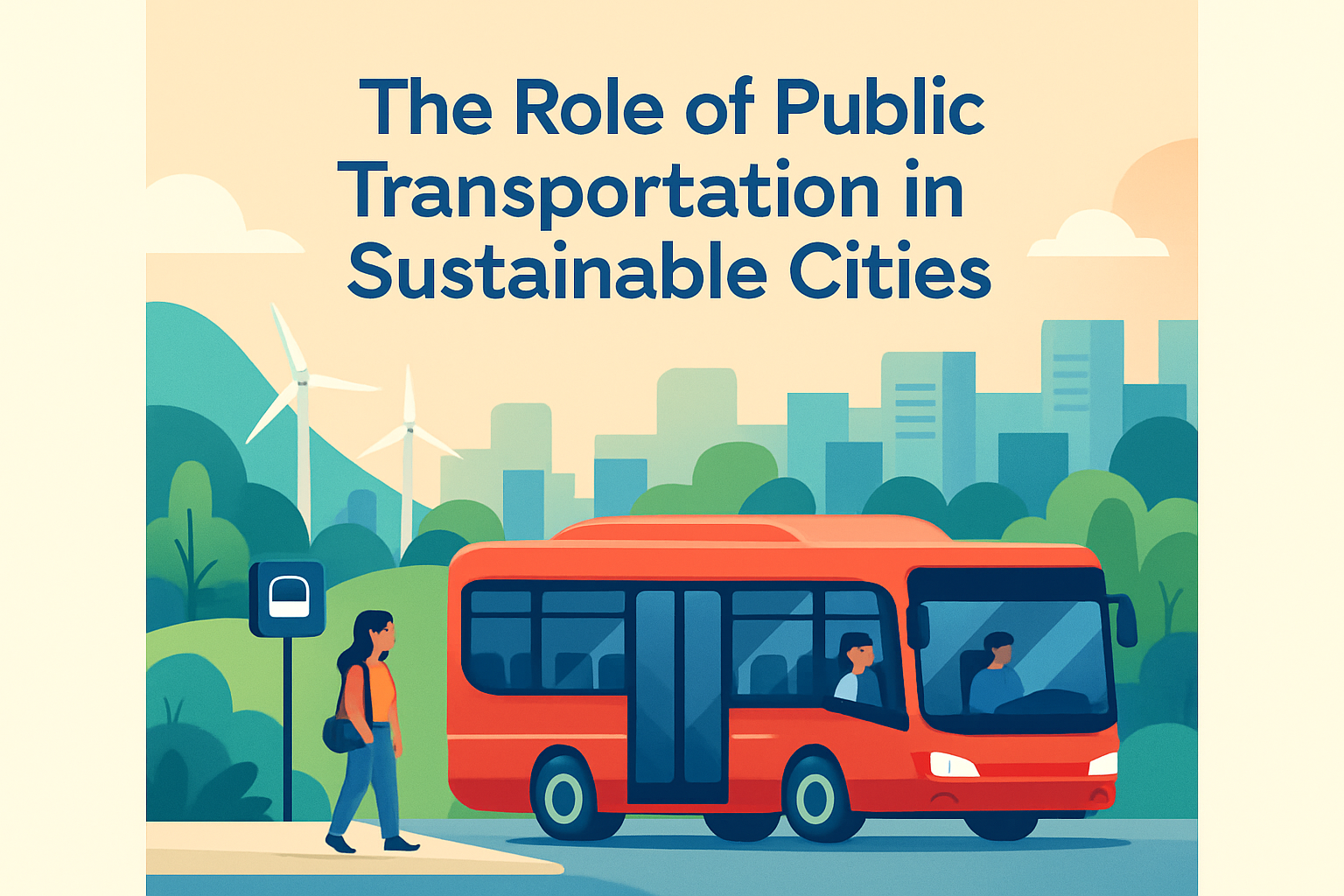
Efforts to monitor and improve air quality through mobility strategies are essential for reducing the incidence of respiratory ailments. Green mobility solutions, including cycling and public transport, play an integral role in reducing urban air pollution levels. This can be achieved through the adoption of cleaner technologies and investment in infrastructure that supports non-motorized transport. Understanding the direct relationship between air quality and urban transportation helps city planners prioritize projects that have favorable health implications.
Physical Activity and Sedentary Lifestyles
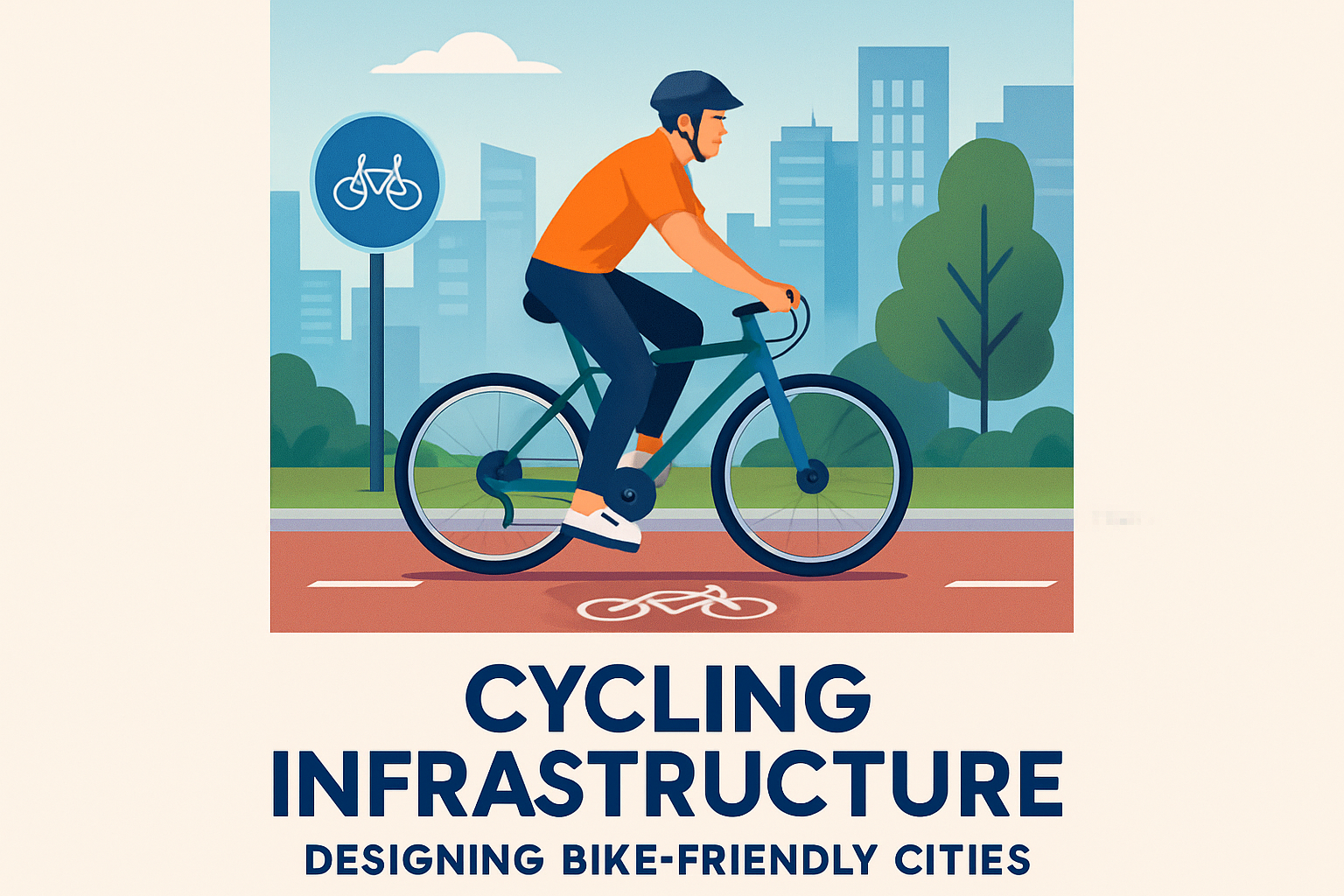
Urban mobility significantly impacts physical activity levels, as transportation choices often dictate the amount of exercise individuals obtain in their daily routines. A shift from vehicle dependency to active transit options like walking and cycling not only cuts down traffic but also fosters physical activity. For instance, Copenhagen, Denmark, is hailed as a model city for cycling infrastructure. Its comprehensive network of bicycle paths encourages residents to bike as a primary mode of commuting. This not only reduces cars on the road but also promotes a more active lifestyle, consequently lowering rates of obesity and cardiovascular diseases.
The health benefits of increased physical activity through active commuting are manifold. By integrating cycling paths and pedestrian zones into urban planning, cities can improve public health outcomes by encouraging exercise. Challenges remain in cities where cultural norms or existing infrastructure discourage such modes of transport, but innovative urban design can successfully address these obstacles.
Mental Health Impacts
Urban mobility affects mental health in numerous ways, albeit indirectly. Traffic congestion, long commuting times, and overcrowded public transport systems can lead to elevated stress levels. New York City, known for its fast-paced life and notorious traffic jams, poses significant mental health challenges for commuters who experience increased stress and anxiety during peak travel times. Implementing strategies that aim to reduce congestion, like staggered work hours and improved public transport efficiency, can alleviate some of the mental health burdens associated with urban transit.
Moreover, opportunities for urban mobility should incorporate accessibility to green spaces and leisurely walkways, as these have been shown to enhance psychological well-being. Urban designs that integrate parks and recreational paths can serve as a mental health buffer by providing environments conducive to relaxation and social interaction. The careful design of urban mobility not only influences accessibility but also promotes a balanced lifestyle that is essential for maintaining good mental health.
Traffic Accidents and Safety
The impact of urban mobility on public health is perhaps most starkly illustrated by the incidence of traffic accidents. High vehicle density and complex road networks can increase the risk of collisions, leading to injuries and fatalities. São Paulo, Brazil, is a case study where busy roads and heavy traffic have posed serious safety challenges. Initiatives such as road safety campaigns, the introduction of speed limits, and investments in pedestrian infrastructure have been critical in reducing traffic accidents.
| Year | Accidents | Fatalities |
|---|---|---|
| 2018 | 5,000 | 1,000 |
| 2019 | 4,500 | 900 |
| 2020 | 4,000 | 850 |
Safety considerations must be a focal point when planning urban mobility. Introducing safe crossing areas, adequate lighting, and clear road signage can significantly diminish traffic-related health hazards. The goal is to ensure that urban mobility policies place equal importance on the safety of all road users, including pedestrians and cyclists.
Environmental and Economic Impacts
Urban mobility has far-reaching environmental and economic implications that indirectly affect public health. The reliance on fossil fuels for transportation contributes to carbon emissions, which exacerbates climate change and affects broader ecological health. London has made strides in implementing a congestion charge zone that reduces city center traffic, thereby cutting emissions and improving urban air quality. Such measures are vital for long-term environmental sustainability and have the added benefit of encouraging alternative transit options.
Economically, effective urban mobility strategies can stimulate job creation and economic growth, which are essential for public health prosperity. Investments in infrastructure, such as high-speed rails and electric buses, can generate employment opportunities, thereby uplifting communities economically and offering access to better health facilities and resources. The correlation between economic vitality and health outcomes is undeniable, as financial security and access to services are foundational to well-being.
Summing Up Urban Mobility’s Health Impact
In conclusion, urban mobility has a profound effect on public health, influencing it through a variety of channels including air quality, physical activity, mental health, accident rates, and broader environmental and economic contexts. By understanding these complex relationships, we can create urban environments that are healthier and more sustainable. The challenges posed by urban mobility are numerous but not insurmountable. It requires a concerted effort from policy makers, urban planners, and public health officials to implement changes that promote healthier cities.
The critical takeaway for stakeholders is the necessity of comprehensive policies that integrate health considerations at every level of urban planning. By fostering modes of transportation that minimize environmental and health impacts, we can ensure that cities are not only centers of economic activity but also bastions of well-being and quality of life. Now is the time to assess the current urban mobility framework and make actionable plans to shift towards greener, safer, and healthier cities. Encouraging community participation and investing in public awareness can significantly enhance the effectiveness of these strategies. It is imperative that every individual, community, and city take steps towards reimagining urban mobility that supports public health goals.
Frequently Asked Questions
1. What is urban mobility, and how does it relate to public health?
Urban mobility encompasses the various ways people move within city environments, including public transportation, cycling, walking, and vehicle commuting. This movement is essential for city life, impacting economic activities and social interactions. However, its influence extends to public health as well. For instance, commuting methods can affect physical activity levels, exposure to pollutants, and even mental well-being. Reduced reliance on cars and increased use of active transport, like walking and cycling, can lead to better physical fitness and lower rates of chronic diseases like obesity and heart disease.
Beyond physical health, urban mobility affects mental health. Long commutes can lead to stress and reduced social interaction, while well-planned urban mobility systems can enhance community connection and overall happiness. Therefore, how cities manage and encourage different modes of transport plays a direct role in public health outcomes.
2. How do specific types of urban mobility, like cycling or public transport, impact health?
Cycling and walking, often referred to as active transport, have numerous health benefits. They help individuals achieve physical activity levels that protect against a range of health issues, from cardiovascular diseases to certain types of cancers. Consistently choosing to cycle or walk can lead to reduced stress levels and improved mental health due to the physical exercise and time spent outdoors.
On the other hand, public transport, when accessible and efficient, often involves some walking to and from stations, which adds to daily physical activity. It also reduces the number of cars on the roads, leading to decreased air pollution. However, it is essential that public transport systems maintain high cleanliness and ventilation standards to avoid health risks such as the spread of infectious diseases.
Urban planners need to consider these factors to improve not just the day-to-day experience of city residents but their long-term health outcomes as well.
3. What role does traffic-related air pollution play in urban mobility and public health?
Traffic-related air pollution is a significant concern in urban areas, where high concentrations of vehicles emit pollutants that can be detrimental to human health. Particulate matter, nitrogen dioxide, and other emissions can contribute to respiratory and cardiovascular diseases, aggravated asthma, and even premature death.
Urban mobility planning that promotes public transportation, cycling, and walking can help mitigate these effects by reducing the number of vehicles on the road. Additionally, the transition to cleaner vehicle technologies and the adoption of electric public transport can further decrease pollution levels. Urban green spaces and an increase in tree-planting along busy routes can also help in filtering pollutants, supporting both environmental and public health.
4. How does urban mobility influence equitable health outcomes across different urban populations?
Urban mobility patterns can significantly impact health equity. Access to reliable, affordable transportation is crucial for individuals to reach jobs, educational opportunities, and health services. Inadequate or expensive transport options can disproportionately affect lower-income communities and marginalized groups, leading to disparities in health outcomes.
This is why inclusive urban mobility planning aims to provide equitable access to all residents, regardless of socioeconomic status. Implementing affordable public transport with extensive reach, safe cycling paths, and pedestrian-friendly infrastructure helps ensure everyone can benefit from the health benefits of active transport. Urban mobility should not only focus on efficiency but also on fairness and inclusivity, promoting health equity across diverse urban populations.
5. What can cities do to enhance urban mobility systems to support public health?
To enhance urban mobility that supports public health, cities can adopt several strategies. First, investing in robust public transport systems that are efficient, clean, and affordable can reduce car dependency and associated pollution. Implementing policies that encourage active transport, such as providing safe and well-maintained cycling lanes and pedestrian paths, is crucial.
Moreover, urban planning that integrates green spaces and considers reduced commuting distances can promote a healthier lifestyle. Educating the public about the benefits of active transport and involving communities in transportation planning can also foster a culture of health-conscious mobility.
Furthermore, encouraging the use of electric or low-emission vehicles through initiatives and incentives can lead to cleaner air and better health outcomes. By prioritizing sustainable and health-focused urban mobility, cities not only improve their residents’ well-being but also create a more vibrant and liveable urban environment.