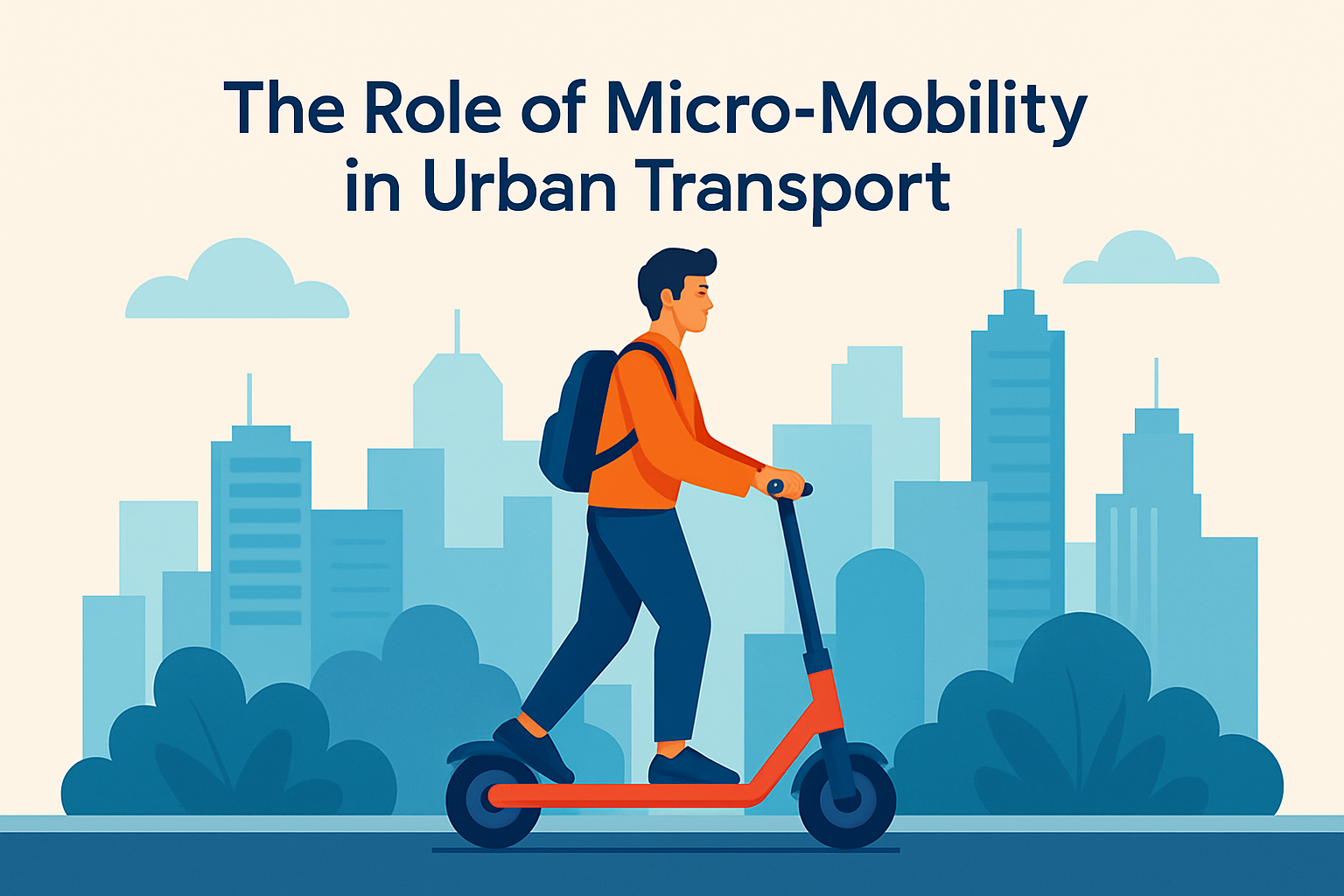
Introduction to Micro-Mobility
In recent years, the landscape of urban transport has undergone significant changes. One of the most transformative shifts has been the rise of micro-mobility, a new mode of transport that emphasizes small, lightweight vehicles designed for short-distance travel. Micro-mobility includes a range of options such as electric scooters, bicycles, and mopeds. These vehicles, often available through app-based services, have rapidly gained popularity in cities around the world.
The significance of micro-mobility within urban transport systems cannot be overstated. As cities grapple with congestion, pollution, and limited space, micro-mobility provides a sustainable alternative to traditional cars and public transport. By embracing these options, urban areas can improve accessibility, reduce environmental impact, and promote healthier lifestyles. This article explores the vital role that micro-mobility plays in modern urban transport environments.
The Environmental Impact of Micro-Mobility
One of the most compelling arguments for micro-mobility is its environmental benefits. Traditional transportation methods, particularly cars, contribute significantly to urban pollution and greenhouse gas emissions. Shift towards greener options such as bicycles and e-scooters offers a sustainable solution. For example, Lime, a major e-scooter provider, has reported that their e-scooters emit significantly less carbon per mile compared to conventional cars.
- Motor vehicles account for roughly 23% of total greenhouse gas emissions.
- Bicycles and e-scooters emit virtually zero emissions during operation.
- By replacing short car journeys, micro-mobility reduces traffic congestion and carbon footprint in urban areas.
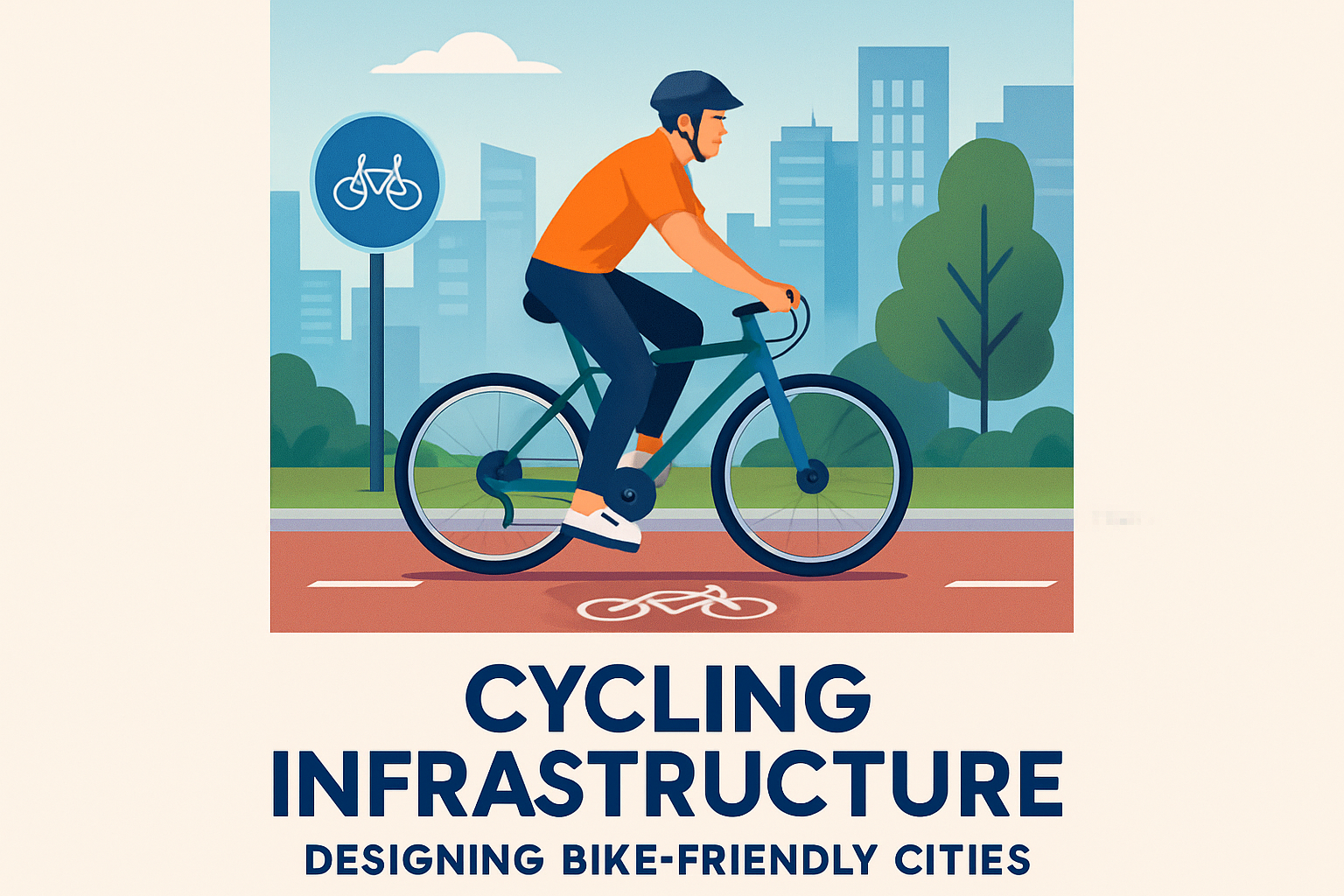
Using these vehicles also fosters a culture of environment-consciousness and supports city efforts to meet climate goals. Numerous cities have established dedicated lanes and expanded cycling networks, making micro-mobility not just a fad, but a crucial element of eco-friendly transport infrastructure.
Enhancing Urban Mobility and Accessibility
Micro-mobility is reshaping how people navigate within cities. By offering flexible travel options, micro-mobility vehicles address gaps in public transit, especially the “last mile” problem, where traditional transport means, such as buses or trains, fail to conveniently connect to final destinations. This importance can be seen in Paris, where the city’s extensive Velib’ bike-sharing program effectively bridges the gap between metro stations and homes or workplaces, demonstrating that these small vehicles can significantly improve urban access and efficiency.
Additionally, micro-mobility offers accessibility advantages for underserved and densely populated areas, where traditional transport may not be feasible or available. It democratizes urban transport, making city life more manageable and removing barriers to mobility.
Economic Advantages Brought by Micro-Mobility
Besides being eco-friendly and accessible, micro-mobility also brings economic benefits. Firstly, it offers a cost-effective alternative to owning or maintaining a car. Services like e-scooter rental present significant savings compared to car ownership, freeing up disposable income for individuals. According to research, users of shared micro-mobility spend less than half on transport compared to car owners. Ride-sharing platforms such as Bird and Spin allow renters to pay only for what they need, which often costs a mere fraction of driving and parking for short city trips.
Furthermore, micro-mobility can lead to economic growth. It supports local businesses by increasing foot traffic and providing easy access to urban commercial areas, boosting local economies. Cities like Barcelona have witnessed increased local business engagement due to strategic bike and scooter parking solutions, encouraging quick stops while promoting commerce.
Challenges Facing Micro-Mobility and Overcoming Them
While micro-mobility is growing in importance globally, it is not without challenges. The integration of these vehicles into urban environments raises issues such as safety concerns, regulatory hurdles, and infrastructure limitations. Safety remains a paramount concern, with reports of accidents involving e-scooters or bikes. Wearing helmets, implementing speed limits, and launching public safety campaigns are some measures deployed to mitigate such risks.
Regulatory concerns also pose a challenge, necessitating clear legal frameworks that support micro-mobility while addressing city-specific needs. San Francisco provides a good example where comprehensive regulations, including operator permits and safety standards, facilitate smooth program operation without undermining public safety.
| Challenges | Solutions |
|---|---|
| Safety | Helmets, speed limits, public awareness |
| Infrastructure | Dedicated lanes, parking zones |
| Regulatory | Clear laws, permits, standards |
The Future of Micro-Mobility in Urban Transport
Looking ahead, micro-mobility is set to play an even more dominant role in urban landscapes. With advancements in technology, smarter, more efficient vehicles are being developed. For instance, IoT devices allow for real-time vehicle tracking and management, ensuring better operational safety and service availability. There’s also potential for integration with public transport systems, creating a holistic transport network that maximizes resource use and minimizes downtime.
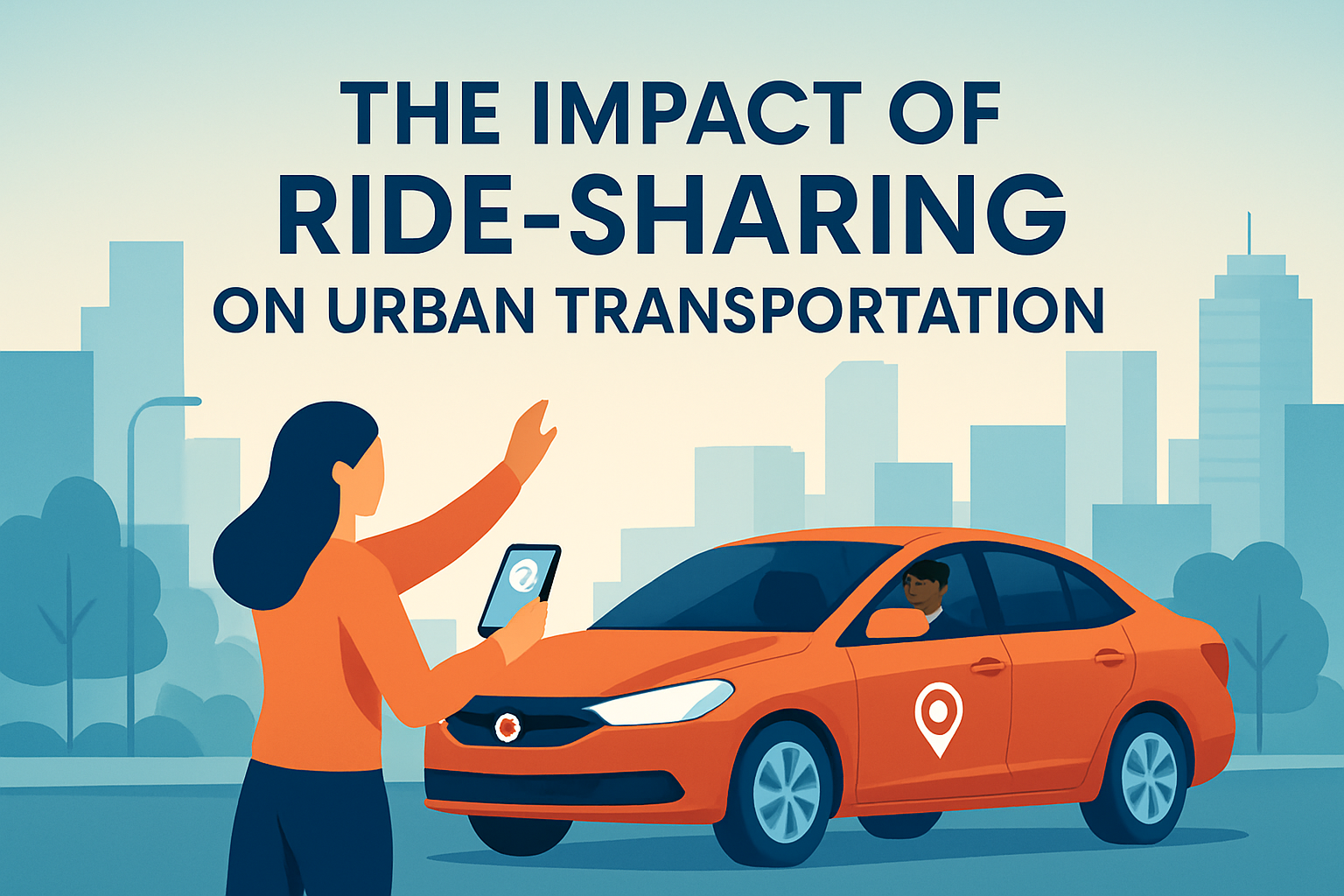
Innovative business models continue to emerge, with companies like Lyft and Uber embracing micro-mobility by integrating bike and scooter options into their ride-sharing apps. Such models have great potential for seamless multi-modal transport, allowing users to switch between micro-mobility and other services in a single transaction.
Conclusion
Micro-mobility holds a transformative potential for urban transportation systems. It offers significant environmental gains, improves urban mobility and accessibility, and brings considerable economic benefits while fostering city growth with minimized carbon footprint. Though complications exist, advancements in infrastructure, regulation, and technology are paving the way for micro-mobility to be a safe, efficient, and equitable transport solution.
For individuals looking to reduce their carbon footprint and costs, or for cities aiming to tackle congestion and pollution, embracing micro-mobility presents a promising path forward. As we forge ahead in this mobility evolution, the time has come for cities, legislators, and citizens to collaborate, enhance, and broaden the scope of micro-mobility offerings, ensuring they become a staple of urban life.
Don’t hesitate to try micro-mobility for your short trips—consider signing up for a local bike-share or a scooter rental service today. You’ll be taking a significant step towards sustainable urban living.
Frequently Asked Questions
1. What is micro-mobility and why is it important?
Micro-mobility refers to a mode of urban transport that involves small, lightweight vehicles primarily designed for short trips within a city. This includes electric scooters, bicycles, and even mopeds. Unlike traditional cars or public transit, these options offer the flexibility for quick, efficient journeys and are often used to bridge the gap between public transportation hubs and final destinations. The importance of micro-mobility can’t be overstated as it plays a pivotal role in reducing traffic congestion, cutting down on carbon emissions, and addressing the notorious “last-mile” problem in urban settings. Imagine your daily commute reduced to a breezy scooter ride as opposed to being stuck in bumper-to-bumper traffic!
2. How does micro-mobility impact urban sustainability?
Urban sustainability is about creating cities that can thrive without degrading the environment, and micro-mobility has been transformative in this regard. These vehicles typically have a lower carbon footprint than personal cars or buses, especially when powered by electricity. As cities look to become greener, the shift to micro-mobility can help reduce air pollution and the overall demand on fossil fuels. Imagine each scooter or bike ride as not just a shortcut in getting you from Point A to Point B, but also a small step toward a more sustainable urban ecosystem. By reducing the number of vehicles on the road, they not only lessen congestion but also pave the way for more green spaces and pedestrian-friendly city planning.
3. Are there any challenges associated with integrating micro-mobility into urban transport?
While micro-mobility offers significant benefits, it does come with its own set of challenges that cities need to address. One major issue is infrastructure; many urban areas lack dedicated lanes or paths for these vehicles, causing safety concerns for both riders and pedestrians. Moreover, the sudden influx of shared scooters and bikes can lead to a haphazard ‘clutter’ in public spaces if not managed properly. There’s also the regulatory aspect—ensuring that vehicles are safe and compliant with local laws, and that companies operate fairly and responsibly. Consider the challenge of finding a balance between innovation and regulation, where these new forms of transport are embraced for their convenience and sustainability while ensuring they don’t disrupt existing public systems and urban landscapes.
4. How has technology contributed to the rise of micro-mobility?
Technology is at the heart of the micro-mobility boom, with app-based platforms playing a critical role. These applications make it incredibly easy for users to locate, rent, and pay for scooters or bikes with just a few clicks on their smartphone. This accessibility has spurred widespread adoption as these apps remove traditional barriers to vehicle ownership, such as cost and maintenance. GPS technology helps in seamlessly tracking the location and availability of these vehicles, ensuring effective fleet management. Furthermore, ongoing advancements in battery technology have made these vehicles more efficient and affordable, providing longer ranges and lowering costs. This tech revolution has essentially turned cities into potential maps of convenience where transport decisions are just a tap away.
5. What are the economic benefits of promoting micro-mobility?
Promoting micro-mobility can yield substantial economic rewards for both individuals and cities. For the individual user, a micro-mobility vehicle is typically more cost-effective than owning a car, as it bypasses expenses related to fuel, parking, maintenance, and car insurance. For cities, the proliferation of micro-mobility services can reduce wear and tear on infrastructure—a significant savings expenditure over time. Additionally, it opens up new economic channels, from startups focused on creating sustainable transport solutions to job creation in vehicle maintenance and app development. The widespread use of these technologies also supports local businesses, as users are more likely to stop in at neighborhood shops and restaurants during their trips. Imagine cities evolving into vibrant hubs of commerce and culture, facilitated by smart, efficient transportation modes that enrich local communities.