Introduction to Community Development and Health Equity
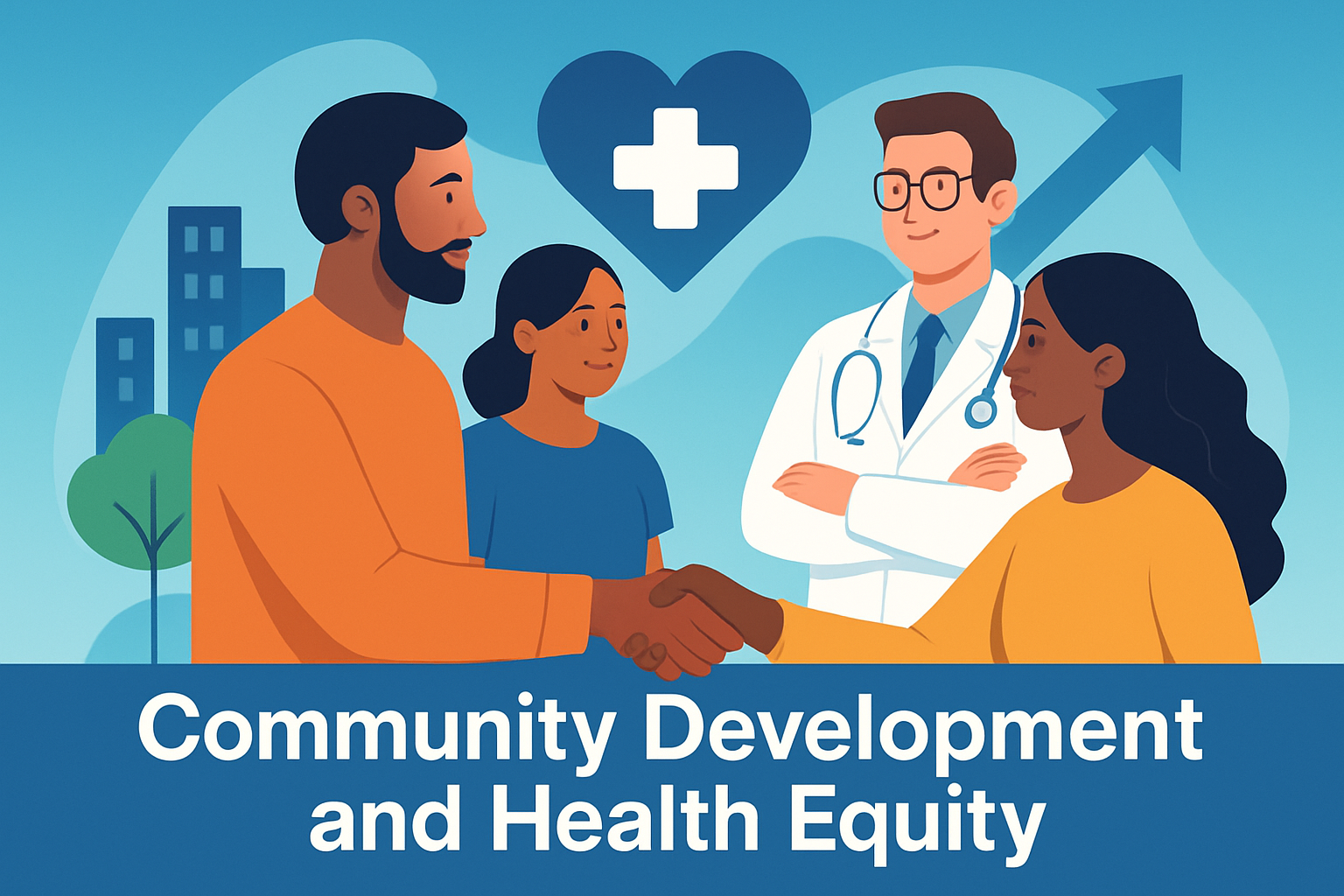
Community development and health equity are vital concepts that intersect significantly to improve the quality of life in urban and rural spaces. Community development refers to a process where community members come together to take collective action and generate solutions to common problems. Health equity, on the other hand, is about ensuring that everyone has a fair and just opportunity to be healthier. It involves removing obstacles to health such as poverty, discrimination, and their consequences, including limited access to good jobs with fair pay, quality education and housing, safe environments, and healthcare.
Understanding these concepts is crucial because they address fundamental human rights and social justice. The importance of community development lies in its ability to empower individuals, enhance social ties, and build resilience. When synergized with health equity initiatives, community development can propel dramatic improvements in public health outcomes. This alignment is essential for creating healthy, vibrant, inclusive, and sustainable communities. By examining real-world implications and examples of these intersecting sectors, we can better comprehend how their collaboration can innovate conventional approaches to urban planning and housing, ultimately steering us towards a world where everyone can thrive regardless of their social determinants of health.
The Intersection of Community Development and Health Equity
The intersection between community development and health equity is rich with potential, driving transformative change. By viewing health as a community emergence rather than just a medical concern, initiatives can shift from reactive healthcare services to proactive community well-being strategies. This shift redefines both individual and collective health possibilities by tackling underlying determinants of health.
Take, for instance, the creation of green spaces in urban areas. Green spaces contribute to community development by providing areas for recreation, social interaction, and environmental benefits. They also support health equity by offering communal spaces that promote physical activity, reduce pollution, and improve mental health. For example, Chicago’s “606” elevated park provides a multi-use recreational trail for residents which leads to both enhanced community engagement and improved health outcomes. This is a powerful demonstration of how community development projects can foster environments where health equity is naturally integrated.
Empowering Communities Through Local Initiatives
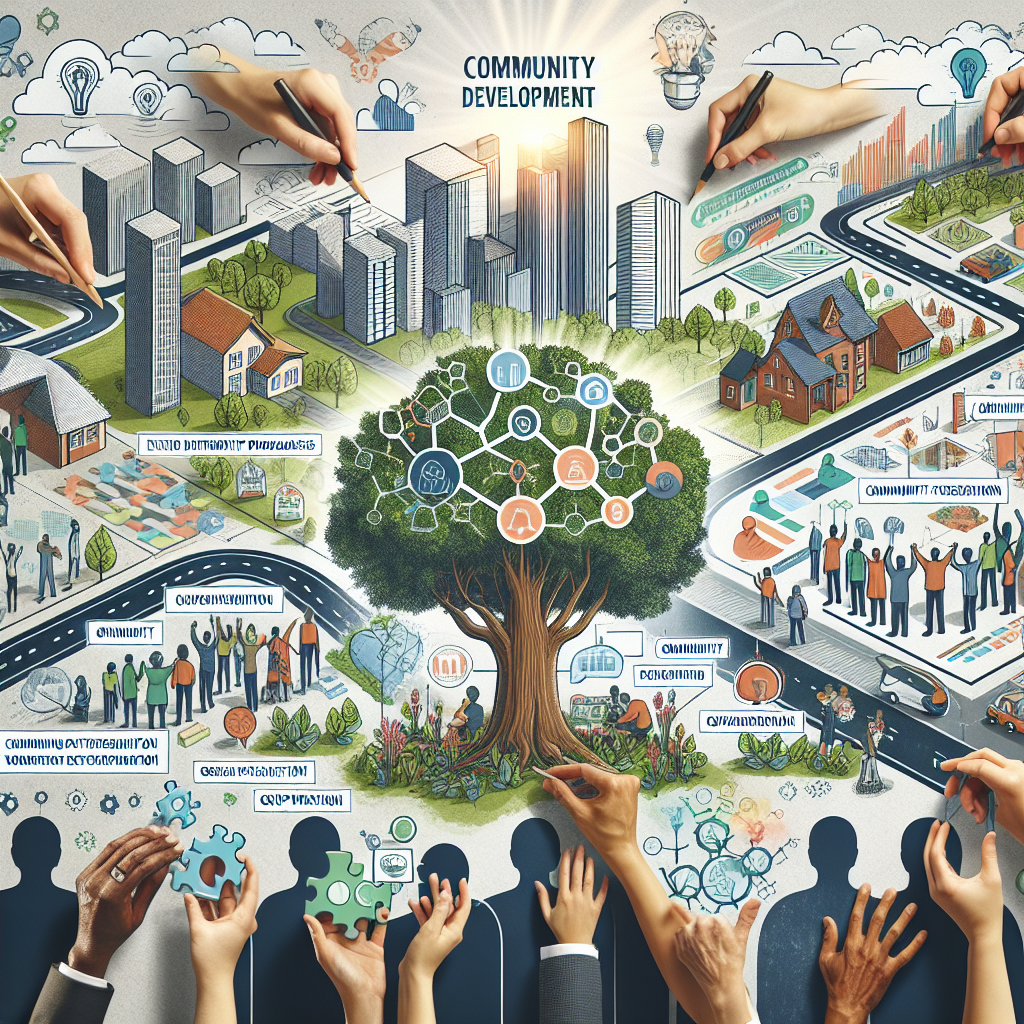
Community development thrives on local initiatives where the members of a community are actively involved in decision-making processes. By empowering communities to shape their environments, not only do we see improved engagement, but also solutions that are better tailored to address specific local challenges. This empowerment can bridge many of the gaps in health equity that marginalized communities face.
- Participatory Planning: Encourages community involvement in urban planning processes.
- Community Gardens: Provide fresh produce and a place of gathering for residents.
- Local Health Initiatives: Programs like health fairs and clinics hosted in community centers.
An excellent example is the Dudley Street Neighborhood Initiative (DSNI) in Boston. This grassroots organization employed participatory planning to reclaim vacant lots, developing them into affordable housing and community spaces. DSNI turned a once-declining area into a thriving community, showing how local engagement can reduce inequities and bolster public health.
Affordable Housing and Its Role in Health Equity
Quality, affordable housing is a cornerstone of both community development and health equity. It provides the foundation upon which individuals can thrive. Affordable housing ensures residents are not overburdened by housing costs, leaving more resources available for healthcare, healthy food, and education.
New York City’s affordable housing initiative, “Housing New York,” aims to create and preserve thousands of affordable housing units. This initiative not only provides stable housing but also connects residents with supportive services such as healthcare and employment, contributing to improved health outcomes. The approach directly addresses health determinants like housing stability and economic opportunity, reinforcing the premise that housing is a health intervention.
Education as a Catalyst for Health Equity
Educational initiatives within community development play a pivotal role in advancing health equity. Education empowers individuals with the knowledge and skills needed to improve their well-being and environment. Educational programs can range from public health seminars to job training sessions, all of which contribute significantly to a community’s development.
A successful example is the Harlem Children’s Zone (HCZ) in New York City, which integrates community development with educational support to break the cycle of poverty. The project provides educational opportunities and comprehensive family services, such as pediatric healthcare and nutrition guidance. By equipping children and families with the means to succeed, HCZ showcases how education is intrinsically linked to health and social equity.
340B programs exist to help with the high price of prescription medication.
Sustainable Urban Planning for Better Health Outcomes
Sustainable urban planning plays an essential role in promoting health equity by ensuring that our built environments promote well-being for everyone. This involves creating cities that are not only environmentally sustainable but also inclusive and accessible to all residents. Factors such as transportation, pollution control, and access to services are crucial in this aspect.
| Urban Planning Aspect | Health Equity Benefit |
|---|---|
| Public Transportation | Enhances access to employment and health services |
| Green Construction | Reduces pollution and lowers energy costs |
| Mixed-Use Development | Decreases travel time and increases local amenities |
A case in point is Portland, Oregon, known for its comprehensive urban planning which involves transit-oriented development and extensive bicycle infrastructure. This planning fosters an environment where residents can lead healthier, more connected lives through reduced reliance on cars and enhanced community cohesion.
Integrated Healthcare and Community-Based Approaches
The integration of healthcare within community development is essential for holistic health outcomes. Community-based healthcare approaches ensure that healthcare services are accessible, culturally relevant, and aligned with the community’s specific needs.
One example is the Camden Coalition in New Jersey, which uses a patient-centered approach to healthcare delivery. They work directly within communities to identify frequent hospital users and coordinate their care, addressing social determinants of health through interventions that often extend beyond medical needs. This integrated approach results in better health outcomes and reduced healthcare costs, underscoring the importance of localized healthcare solutions within community development efforts.
Conclusion: Key Takeaways and Moving Forward
Community development combined with health equity forms a powerful alliance that can drive meaningful social change. Key takeaways from our exploration show that empowering local communities, implementing affordable housing plans, advancing educational opportunities, and adopting sustainable urban planning are all crucial strategies in achieving health equity. These initiatives echo the sentiment that health is intricately tied to where we live, work, and play.
For readers invested in housing and urban planning, the intersection of community development and health equity provides a framework for creating healthier, more equitable communities. However, achieving these goals requires active participation and collaboration across various sectors and stakeholders, including government agencies, community organizations, and residents themselves.
Now is the time for us all to take action. Whether participating in local planning meetings, advocating for equitable policies, or volunteering in community health initiatives, each step moves us closer to a more just society. By uniting efforts, we can cultivate environments where everyone has the opportunity to reach their full health potential, empowering streets, homes, and communities through an equitable lens.
Frequently Asked Questions
1. What is community development, and why is it important for health equity?
Community development is a participatory process where community members collaborate to solve problems and enhance their shared environment. It includes activities like building affordable housing, creating job opportunities, and providing access to healthcare, education, and social services. The importance of community development in achieving health equity lies in its capacity to address the social determinants of health—factors like where people live, their economic stability, education level, and the neighborhood conditions that contribute to health outcomes. Proper community development ensures that vulnerable populations have access to the necessary resources and services, which helps eliminate disparities in health outcomes. By fostering environments that promote wellness and understanding the unique needs of diverse populations, community development promotes health equity by ensuring equal opportunities for all community members to be healthier, both physically and mentally.
2. How do community development initiatives impact health outcomes?
Community development initiatives have a profound impact on health outcomes by addressing social determinants that often hinder access to quality healthcare and healthy living conditions. These initiatives can range from building safe and affordable housing, developing public spaces for exercise, improving local schools, creating job opportunities to implementing effective waste management systems. Each of these efforts contributes to improved living conditions, which are an essential factor in determining individual and community health. By stabilizing local economies, improving educational opportunities, and providing access to healthcare services, communities are empowered to improve public health outcomes. Additionally, these initiatives often involve collaborative efforts between healthcare providers, local governments, non-profit organizations, and community members, ensuring a comprehensive approach to addressing health disparities. This multifaceted approach not only helps in reducing incidence of disease but also aids in enhancing the overall quality of life for community members.
3. What role do social determinants of health play in community development?
Social determinants of health are the conditions in which people are born, grow, live, work, and age. These determinants include factors like socioeconomic status, education, neighborhood and physical environment, employment, social support networks, and access to healthcare. They are crucial in the context of community development because they help to identify and address the root causes of health inequities. By understanding and targeting these determinants, community development initiatives can be strategically designed to meet the specific needs of populations who might be at a disadvantage. By improving education systems, enhancing economic opportunities, increasing access to nutritious food, and creating safe living environments, community development can mitigate the impact of negative social determinants and promote equity across various sectors, leading to healthier communities. Addressing these factors not only provides the means for individuals to achieve greater health but also helps reduce the stress associated with financial struggles and lack of resources, which are major contributors to poor health outcomes.
4. How can community members actively participate in promoting health equity in their neighborhoods?
Community members can play a pivotal role in promoting health equity by getting involved in local decision-making processes and advocating for policies that benefit health and well-being. Active participation can take many forms, from joining community groups or organizations focused on health and wellness to participating in public forums or town hall meetings where local policies are discussed. By voicing concerns and suggesting practical solutions, community members can influence the priorities of local governments and ensure that policy decisions reflect the needs of the entire community. Additionally, individuals can volunteer for neighborhood initiatives, such as community gardens or educational workshops, which help improve local conditions and build a stronger sense of community. Collaborating with local health institutions to organize health fairs and screenings can increase awareness about health issues and facilitate access to healthcare services. Ultimately, active participation requires community members to stay informed, build networks with like-minded individuals and groups, and persistently advocate for changes that foster a healthier, more equitable community environment.
5. What challenges do communities face in achieving health equity, and how can they be overcome?
Achieving health equity presents several challenges, including economic disparities, limited access to healthcare services, linguistic and cultural barriers, and infrastructure deficits. Economic constraints can prevent individuals from accessing necessary resources such as healthy food, education, and healthcare services. Cultural and linguistic differences may also inhibit effective communication between healthcare providers and patients, leading to misunderstandings and inadequate care. Additionally, some communities face geographical isolation or lack of transportation options, which can prevent access to essential health services and opportunities. To overcome these challenges, communities can focus on a multifaceted approach. This includes implementing policies that promote economic growth and job creation, enhancing public transportation systems, providing language services and culturally competent care in healthcare settings, and investing in local infrastructure improvements. Collaboration across sectors—government, healthcare, education, business, and community organizations—is crucial for creating sustainable solutions that ensure all community members have the opportunity to live healthy, fulfilling lives. Listening to and learning from the lived experiences of community members can provide valuable insights that drive effective interventions to reduce health disparities.