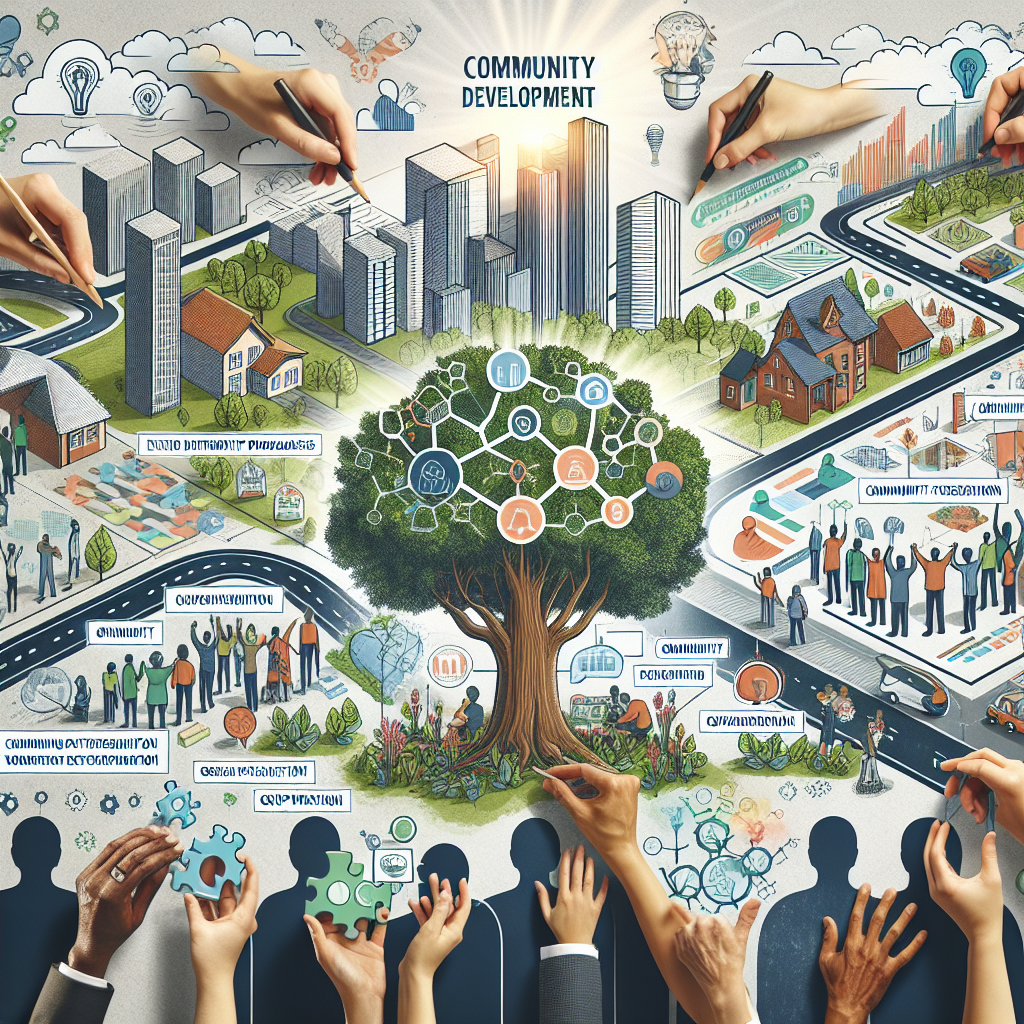
Community development is a process where community members come together to take collective action and generate solutions to common problems. It involves building stronger and more resilient local communities through educational, economic, and social interventions. This topic is especially important in the context of youth opportunities, as the developing environment in which young people grow up significantly influences their career paths, lifestyle choices, and ability to contribute positively to society. By enhancing physical, social, and mental frameworks in a community, we pave the way for the younger generation to thrive, ensuring personal and communal growth.
Youth are the backbone of societies, yet they face myriad challenges, including unemployment, lack of access to quality education, and insufficient infrastructural support. Community development initiatives aim to bridge these gaps by providing access to resources, encouraging active youth participation, and fostering an inclusive atmosphere that promotes growth and learning. Such efforts are essential for enabling youth to realize their potential, empowering them to play a pivotal role in shaping their communities and contributing to sustainable development.
Improving Educational Opportunities
Education is a critical component in community development, providing youth with the skills and knowledge necessary for future success. Education initiatives can take various forms, from improving physical infrastructure like schools and libraries to enhancing educational programs that cater to diverse learning needs. Community centers often host after-school programs, tutoring, and workshops that help supplement formal education.
An excellent example of community development enhancing education is the Harlem Children’s Zone in New York City. This initiative focuses on a comprehensive network of programs that support youth from birth through college. With the establishment of charter schools and various support programs, young people in Harlem are afforded numerous opportunities to succeed academically, demonstrating the positive impact of such community-led educational endeavors.
Access to quality education resources means that young individuals can develop skill sets that substantially improve their prospects. Whether they aim to pursue higher education or enter the workforce directly, the collaboration between community members and educational institutions is vital. This joint effort helps in shaping a favorable environment conducive to both personal and professional growth.
Promoting Economic Empowerment
Economic empowerment is another crucial area where community development can have a transformative effect. Many communities face economic challenges such as high unemployment rates and a lack of industry diversification. By fostering entrepreneurship and creating job opportunities locally, communities can become self-sustaining and provide youth with viable career paths.
| Program Type | Benefit |
|---|---|
| Vocational Training | Equips youth with specific job-related skills |
| Start-up Incubators | Provides resources and mentorship for young entrepreneurs |
| Job Fairs | Creates direct employment opportunities |
For instance, the Welsh Valleys in the United Kingdom have initiated programs to provide apprenticeships and vocational training to young people, allowing them to gain practical skills in industries such as manufacturing and technology. This effort has not only reduced local youth unemployment significantly but also inspired other communities to adopt similar economic development models.
By fostering economic empowerment, community development ensures that young individuals have the resources to build financial independence. This, in turn, encourages a culture of self-sufficiency, where youth contribute to local economies, further spurring communal growth and resilience.
Building Social Cohesion and Participation
Social cohesion is an essential factor in community development, as it involves creating an inclusive environment where all members feel valued and engaged. Programs that illustrate this focus include youth groups, community events, and cultural workshops designed to promote understanding and cooperation among community members.
In Chicago, Illinois, the Community Building Initiative aims to foster social cohesion by involving youth in urban planning processes. By allowing young people to have a voice in shaping their communities, they become active participants rather than passive recipients. This involvement enriches their sense of belonging and responsibility, fostering a cooperative spirit focused on collective well-being.
When youth are engaged socially, they are more likely to develop leadership skills, which in turn builds their confidence and ability to cooperate with others. This sense of involvement enhances their community connection, resulting in improved relations and a more harmonious living environment for everyone.
Enhancing Mental Health and Well-being
Community development also plays a pivotal role in addressing the mental health and overall well-being of young individuals. The pressures of modern lifestyles and socio-economic disadvantages can often lead to mental health challenges among youth. Community development strategies can include programs aimed at providing mental health resources, recreational facilities, and safe spaces for youth to express themselves.
A practical example of this is the Blue Zones Project, which spans across different cities worldwide, including Fort Worth, Texas. This project focuses on enhancing community environments to improve health and wellness, emphasizing the importance of supportive networks and a healthy lifestyle. Such initiatives have been shown to reduce stress levels and improve life satisfaction among young people.
By prioritizing mental health, community development ensures that youth are not only physically healthy, but also emotionally resilient. This foundation helps them tackle challenges effectively, contributing to a more balanced and fulfilling life.
Fostering Environmental Awareness and Stewardship
Youth are increasingly becoming a part of the global dialogue on environmental sustainability, with community development playing a pivotal role in fostering awareness and stewardship. Through educational workshops, volunteering opportunities, and eco-friendly community projects, young individuals are taught the importance of protecting the environment.
A successful example can be observed in the Green Belt Movement in Kenya, which was founded by Wangari Maathai. Young people are involved in tree-planting initiatives aimed at combating deforestation and environmental degradation. This hands-on approach not only educates youth about environmental issues but also empowers them to become active contributors to sustainability efforts.
Environmental stewardship instilled through community development projects equips youth with the knowledge and skills to advocate for and implement eco-friendly practices. Consequently, they help preserve the environment for future generations while ensuring the sustainability of their communities.
Summary and Call to Action
In conclusion, community development is a multifaceted endeavor with far-reaching impacts on youth opportunities. By improving access to education, promoting economic empowerment, fostering social participation, enhancing mental health, and instilling environmental awareness, community initiatives lay the groundwork for a brighter future for young people. These efforts not only help individual youth to thrive, but also uplift entire communities, creating a more resilient and inclusive society.
For readers interested in making a difference, consider volunteering your time, supporting local initiatives, or advocating for resources that enhance youth opportunities in your community. Remember, community development is a collective effort; by engaging and contributing towards community initiatives, you help unlock potential for today’s youth and build a foundation for success in the years to come.
Next Steps: Reach out to local community groups, inquire about ongoing development projects, attend community meetings, and participate in discussions that shape the future of youth opportunities. Together, we can pave the way for a more equitable and thriving world.
Frequently Asked Questions
1. What is community development, and how does it influence youth opportunities?
Community development is an inclusive process wherein members of a community unite to take collective action aimed at solving common problems and improving their living conditions. This might involve initiatives like building local businesses, enhancing educational facilities, and fostering a thriving social environment. With a strong emphasis on empowerment, community development encourages local participation and the sustainable creation of infrastructures that cater to the community’s unique needs.
When it comes to youth opportunities, community development serves as a backbone for providing young people with the necessary tools, resources, and environment to thrive. For example, by improving education systems and providing easy access to learning resources, communities can cultivate a knowledgeable and skilled youth population. Moreover, economic development initiatives can help to create jobs and training opportunities for young people, preparing them to enter the workforce and pursue meaningful careers. Social programs can also foster a supportive environment that encourages positive lifestyle choices and personal growth among youths.
2. How do educational interventions within community development affect young people?
Educational interventions are a critical component of community development, especially when it comes to providing opportunities for young people. These interventions might involve improving school infrastructure, offering training programs for teachers, or creating more inclusive educational curricula that cater to a range of learning styles and interests.
By increasing the quality and accessibility of education, communities enable young people to gain the knowledge and skills necessary for personal and professional success. High-quality education opens doors to a variety of career opportunities and helps youths develop critical thinking and problem-solving abilities. Furthermore, when young people see their community investing in their education, it reinforces the value of learning and inspires them to strive for excellence. Educational interventions also promote equality, ensuring that all children, regardless of their background, have access to the same resources and opportunities to succeed.
3. What role does economic development play in enhancing youth opportunities?
Economic development is a cornerstone of community development, significantly impacting youth opportunities in multiple ways. By fostering a vibrant local economy, communities can create jobs and offer career prospects competitive enough to retain local talent and prevent brain drain, where young, educated individuals leave their communities in search of better opportunities elsewhere.
Economic development initiatives may include providing business development resources, encouraging entrepreneurship, or attracting external investment to create jobs tailored to the skills of the local youth population. Such initiatives not only provide employment but also foster an entrepreneurial spirit among young people, encouraging them to innovate and take part in shaping their local economy. Furthermore, by creating a diverse economic landscape, communities can ensure that young people have various options when it comes to pursuing their passions and interests.
4. How can social interventions within community development benefit youth?
Social interventions in community development focus on building a supportive environment that nurtures the wellbeing of young people. These can include youth mentoring programs, recreational activities, or safe spaces where young people can congregate, socialize, and learn from one another. Strong social networks enable young people to develop essential life skills, such as communication, teamwork, and leadership.
Additionally, social interventions often address issues that specifically impact young people, such as mental health support or programs aimed at avoiding substance abuse. By providing these resources, communities can help reduce negative influences and foster an environment that encourages healthy choices and positive self-development. This well-rounded approach equips young people not only to tackle life’s challenges but also to become active and engaged members of their communities.
5. How can community members support youth opportunities through development initiatives?
Community members play a vital role in supporting youth opportunities through development initiatives. One of the most impactful ways they can contribute is by actively participating in community development projects, sharing their skills, knowledge, and experiences to benefit the younger generation. This can involve mentoring programs, volunteering at local schools or youth organizations, and participating in events that aim to uplift and inspire young people.
Moreover, community members can advocate for and support policies and projects that prioritize youth development, from education and job creation to mental health and wellness programs. By creating a cohesive community that prioritizes the needs and aspirations of its young population, members help foster an environment where youths feel valued, accepted, and capable of achieving their goals. Encouraging intergenerational collaboration empowers young people with the resources to make meaningful contributions, serve as future leaders, and carry forward the community’s legacy of growth and development.