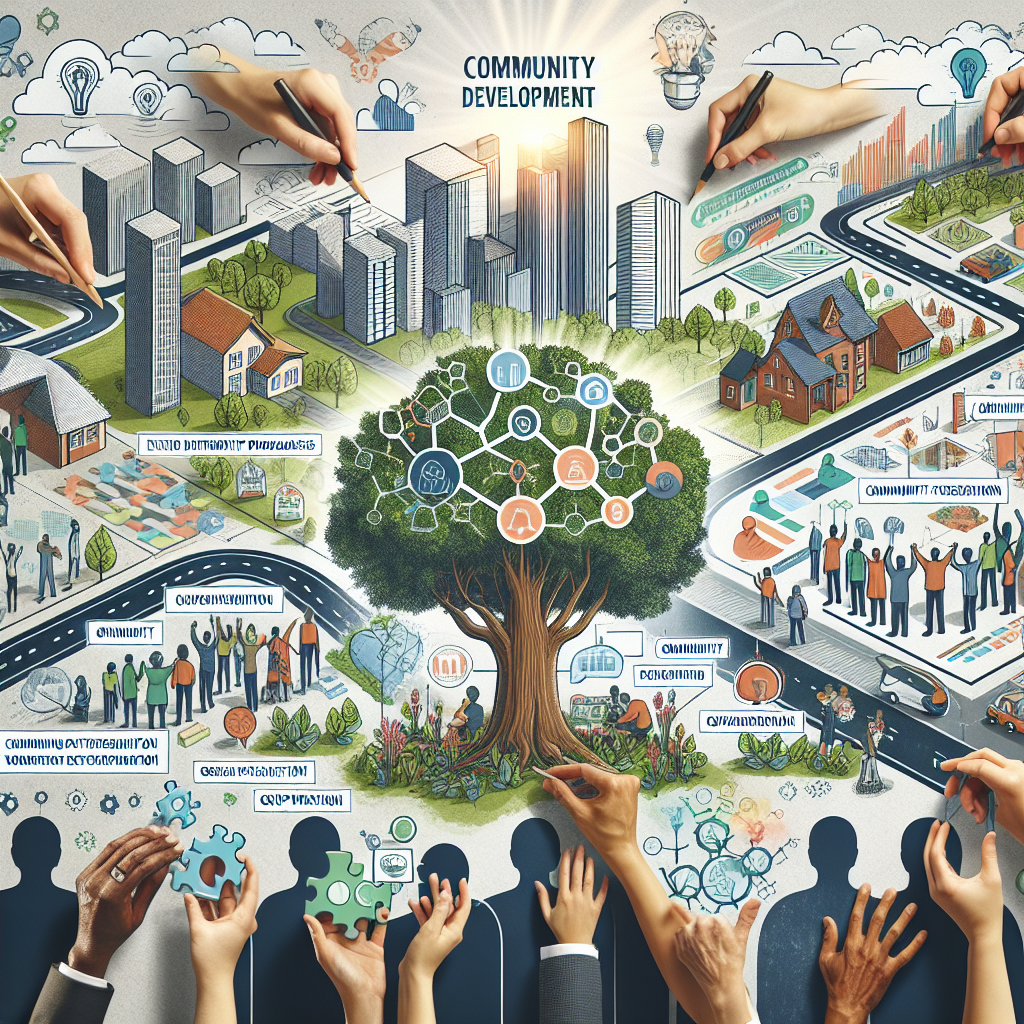
Introduction: A Foundation for Urban Revival
Community Development Corporations (CDCs) are vital entities in the landscape of housing and urban planning. These nonprofit organizations are dedicated to revitalizing communities, particularly in underserved areas, by implementing initiatives that promote economic development, affordable housing, and social services. By engaging local residents and stakeholders, CDCs foster sustainable community improvement and empowerment, addressing both the symptoms and root causes of urban decay.
The concept of community development encompasses a multi-faceted approach to transforming areas by focusing on social, economic, and environmental resources. CDCs serve as instrumental agents in this transformation, providing a structured means for addressing community needs and facilitating growth. Their operations are crucial as they not only build infrastructure but also strengthen the social fabric of communities by encouraging participation and collaboration among residents.
Understanding the role of CDCs is imperative for anyone invested in urban development and revitalization. These organizations not only address immediate needs like housing but also contribute to long-term goals such as economic stability and social equity. As urban centers continue to grapple with challenges like gentrification, economic disparity, and inadequate housing, CDCs offer pragmatic solutions rooted in community engagement and localized action.
Building Affordable Housing: Foundation of Community Stabilization
One of the primary roles of Community Development Corporations is the creation and management of affordable housing. This is a fundamental element in stabilizing communities, as housing is intrinsically linked to economic security, health, and overall quality of life. CDCs develop strategies to acquire and rehabilitate properties, often transforming blighted or underused areas into vibrant neighborhoods.
A real-world example of success in this domain is evident in the initiatives led by the New York City Housing Partnership. By establishing partnerships between community stakeholders and the private sector, they’ve been able to deliver numerous affordable housing projects across New York City. This collaborative approach not only provides affordable housing but also revitalizes communities and stimulates local economies.
Economic Development: A Catalyst for Prosperity
CDCs also play a pivotal role in economic development by fostering small businesses and creating job opportunities within communities. By offering support such as business counseling, financial assistance, and development training, CDCs empower local entrepreneurs and stimulate economic growth.
Consider the impact of the Lawrence CommunityWorks in Lawrence, Massachusetts. Lawrence CommunityWorks has implemented a variety of programs designed to boost the local economy by investing in small business initiatives. Their efforts have resulted in increased local employment and improved financial literacy among residents, contributing to the overall economic resilience of the community.
Facilitating Social Services: Strengthening the Social Fabric
Beyond economic growth, CDCs offer critical social services aimed at uplifting community members. These programs may include neighborhood health clinics, educational workshops, child care facilities, and eldercare services. By promoting social well-being, CDCs enhance the quality of life for residents and create a more cohesive community environment.
The Dudley Street Neighborhood Initiative in Boston provides a vivid illustration of this facet. Through various partnerships, Dudley Street has successfully integrated services such as youth programs, health services, and educational initiatives into the community. These efforts have cultivated a atmosphere of empowerment and unity, encouraging active participation in community-building activities.
Community Engagement and Empowerment: Building Sustainable Infrastructure
Central to the success of a CDC is its ability to engage and empower the local community. By involving residents in decision-making processes, CDCs ensure that the solutions implemented are reflective of the community’s actual needs and desires. This democratic approach fosters a sense of ownership and investment in the outcomes of development projects.
An example of effective community engagement is demonstrated by the Little Tokyo Service Center in Los Angeles. This CDC works closely with local residents and stakeholders to address community-specific challenges, ensuring that all voices are heard. Their commitment to inclusivity results in development projects that are tailored to the unique cultural and social fabric of Little Tokyo.
| CDC Initiative | Focus Area | Impact |
|---|---|---|
| New York City Housing Partnership | Affordable Housing | Developed housing for low-income families |
| Lawrence CommunityWorks | Economic Development | Increased employment through small business investments |
| Dudley Street Neighborhood Initiative | Social Services | Boosted community health and education services |
| Little Tokyo Service Center | Community Engagement | Fostered cultural cohesion and personalized development projects |
Challenges and Adaptations: Navigating Urban Dynamics
Despite their successes, CDCs must navigate a landscape filled with challenges. Limited funding, political hurdles, and changing policy dynamics are constant obstacles. Additionally, as urban environments evolve, CDCs must adapt their strategies to meet new challenges such as rising housing costs and population pressures.
The East Bay Asian Local Development Corporation in Oakland, California, for example, has faced the challenge of skyrocketing housing prices due to gentrification. In response, they’ve intensified their advocacy for tenant protections and have expanded their affordable housing projects. This adaptability is key to ensuring continued positive impact, even when external variables shift.
Sustainability and Future Directions: The Path Forward for CDCs
As CDCs look to the future, sustainability remains a critical consideration. Integrating environmentally conscious practices into community planning and development ensures that communities are resilient against climate change impacts.
The Detroit Shoreway Community Development Organization in Cleveland, Ohio, serves as an exemplary model by integrating green building practices into their developments. Not only do these efforts reduce environmental footprints, but they also offer reduced utility costs to residents, contributing to long-term affordability.
Conclusion: Embrace Community Collaboration for Long-term Success
The role of Community Development Corporations is indispensable in the quest for vibrant and equitable urban environments. By addressing the housing crisis, stimulating economic development, providing essential social services, and empowering communities, CDCs lay the groundwork for comprehensive and sustainable urban revitalization efforts.
For residents and stakeholders interested in supporting community development, engagement with and support for local CDCs can significantly amplify their impact. By actively participating in community discussions, volunteering, or providing financial contributions, individuals can help ensure that CDCs continue to thrive and serve as pillars of community development.
A simple call to action for those interested is to reach out to local CDCs and ask how to get involved. Whether through advocacy, financial support, or volunteering, each contribution supports the broader mission of community revitalization and empowerment. Together, communities can thrive through collaboration, shared vision, and commitment to sustainable development.
As urban areas continue to evolve and confront new challenges, the collaborative foundation laid by CDCs assures resilient and stable futures for all communities they serve.
Frequently Asked Questions
1. What is a Community Development Corporation (CDC)?
A Community Development Corporation, or CDC, is a nonprofit organization focused on improving specific urban neighborhoods, often in economically disadvantaged areas. These organizations are key players in urban planning and housing landscapes, primarily dedicated to revitalizing neighborhoods by addressing economic development, affordable housing, and social services. They engage locals to better understand their needs and work to provide sustainable solutions that empower communities. By focusing on both symptoms and causes of urban challenges, CDCs aim to create more vibrant, livable, and equitable communities.
2. How do CDCs contribute to economic development?
CDCs play a pivotal role in boosting local economies by implementing various initiatives tailored to foster economic growth. They engage in activities such as developing commercial spaces, attracting small businesses, providing jobs, and offering job training programs. By improving local economies, CDCs not only enhance standards of living but also reduce poverty and crime rates. These organizations work closely with local businesses and financial institutions to attract funding and create opportunities for residents. By establishing enterprises, supporting entrepreneurship, and enhancing workforce development, CDCs contribute significantly to the economic rejuvenation of neighborhoods.
3. What role do CDCs play in affordable housing?
Affordable housing is one of the main focus areas for CDCs. They actively work to combat housing scarcity by constructing, rehabilitating, and managing affordable housing units. CDCs collaborate with local governments, private developers, and federal agencies to secure funding and create housing options for low to moderate-income families. These organizations help ensure that a variety of housing needs are met, from rental properties to affordable homeownership opportunities. By fostering stability and reducing homelessness, CDCs enhance the overall quality of life within the communities they serve, allowing more residents to have access to safe and affordable homes.
4. How do CDCs engage local residents and stakeholders?
One of the strengths of CDCs is their grassroots approach to community development. Engaging local residents and stakeholders is central to their mission. CDCs organize community meetings, workshops, and focus groups that invite residents to voice concerns and share ideas for neighborhood improvements. They use this feedback to shape their programs and initiatives, ensuring that the projects they implement truly meet the needs of the community. Additionally, CDCs often form partnerships with local organizations, schools, faith-based groups, and civic associations to leverage resources and create synergy. This collaborative approach ensures that developmental efforts are comprehensive and sustainable, fostering a sense of ownership and pride among community members.
5. What challenges do CDCs face in revitalizing communities?
Despite their critical role, CDCs face numerous challenges in their efforts to revitalize communities. These include limited funding, bureaucratic obstacles, and competition with private developers for resources and influence. Additionally, CDCs often grapple with resistance from within the community when change is feared or misunderstood. Balancing diverse interests and managing expectations is another challenging aspect of their work. Many CDCs operate in rapidly changing urban environments where gentrification can undermine their efforts by displacing long-term residents. Overcoming these hurdles requires a strategic approach, consistent advocacy, and the ability to build supportive coalitions. Despite these challenges, CDCs can achieve significant success through perseverance, innovation, and community collaboration.