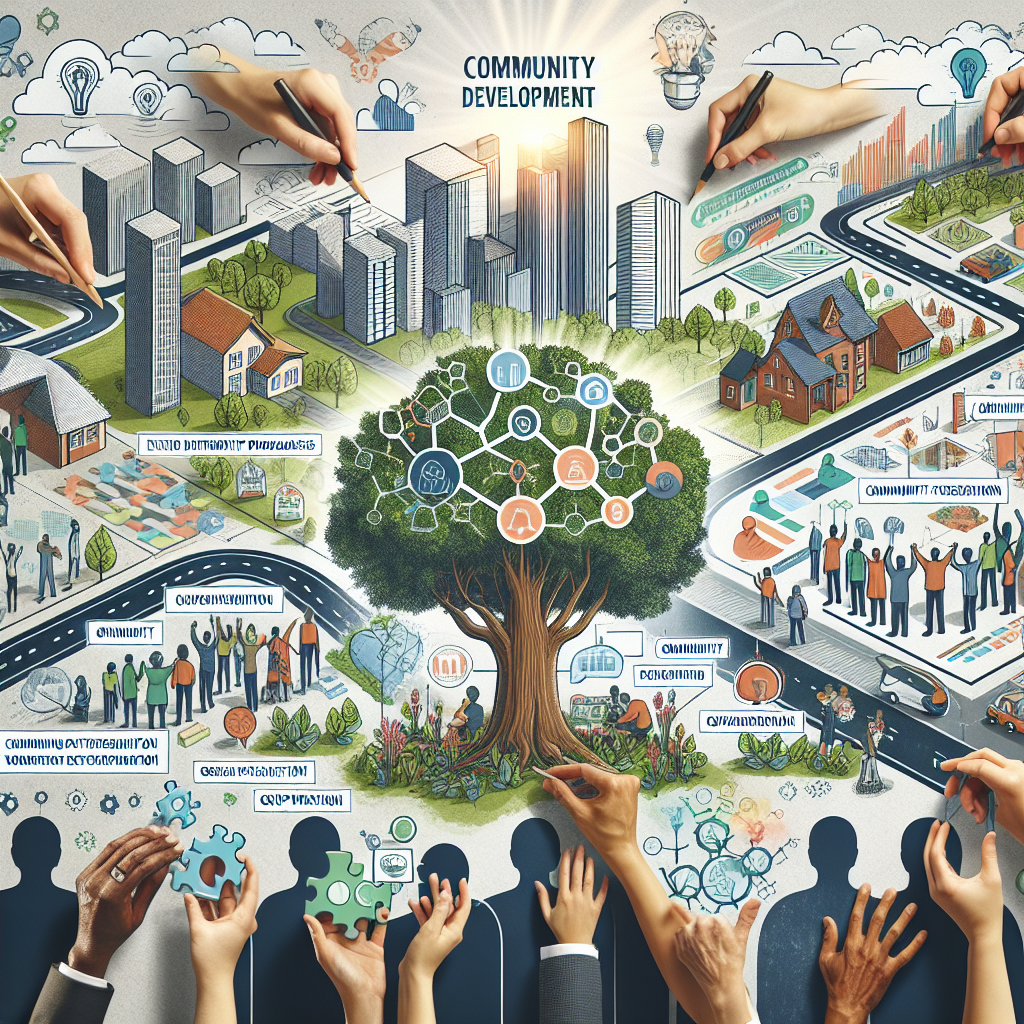
The notion of community development and aging in place has gained prominence in recent years as societies around the world face expanding elderly populations. This concept focuses on creating communities that not only cater to the needs of all ages but also enable older adults to live independently and comfortably in their own homes as they age. In essence, “aging in place” refers to the ability of individuals to live in their chosen residence safely and comfortably, regardless of age, income, or ability level, while having the necessary supportive services in their community. Community development, on the other hand, involves improving the quality of life and economic well-being of people living in these communities. This process involves the development of policies, strategies, and initiatives to meet the unique needs of older residents while fostering inclusivity and accessibility for all.
The importance of community development aligned with the principles of aging in place cannot be overstated. As the global population ages, communities need to adapt their infrastructure, services, and policies to help seniors maintain their quality of life and independence. Such efforts not only benefit older individuals but also enrich community life in general by promoting diversity, resilience, and inclusivity. By understanding these key concepts and their application in real-life scenarios, individuals, policymakers, and community leaders can synergize efforts to create age-friendly communities that optimize the well-being of all residents.
The Importance of Designing Age-Friendly Communities
One of the primary goals of community development in relation to aging in place is the design and implementation of age-friendly communities. An age-friendly community is one that is inclusive of people of all ages, offering opportunities and access to services that enhance the quality of life for seniors. Creating such communities is crucial as it helps older adults remain active and socially engaged while offering an environment that accommodates their unique needs.
For instance, in Portland, Oregon, local authorities have taken significant steps to create an age-friendly city by partnering with organizations such as AARP and World Health Organization. Through their collaborations, they have implemented plans and strategies that address mobility, housing, healthcare accessibility, and social inclusion. This has been achieved by constructing pedestrian-friendly sidewalks, improving public transportation services, and building mixed-use housing developments. These modifications not only benefit older adults but also enhance the community’s overall livability for everyone.

Enhancing Mobility and Transportation Options
Mobility is a critical aspect of community development for aging in place, as it heavily influences the ability of seniors to access services, engage socially, and participate in community activities. Developing efficient and accessible transportation options is essential for older adults who may face challenges with driving due to declining vision or physical capabilities.
In Honolulu, Hawaii, the city government initiated a project called “TheBus” to provide seniors with safe, reliable, and convenient public transportation services. Additionally, the project offers specialized transportation services for those with limited mobility, enabling seniors to maintain their independence without the need to rely on family members for transportation.
Efforts like these are valuable as they help foster an inclusive environment that accommodates the transportation needs of seniors while enhancing access to essential services, social events, and recreational activities.
Maximizing Housing Solutions for Aging in Place
Availability of suitable and affordable housing is another pivotal element in the community development landscape to facilitate aging in place. Ensuring that older adults have access to housing that meets their needs in terms of safety, accessibility, and affordability is essential. This may involve modifying existing housing stock, creating diverse living arrangements, or offering financial assistance and support services.
A good example of this is the city of Boston, Massachusetts, which has implemented a diverse array of housing solutions tailored to the elderly. The city’s government collaborates with non-profit housing organizations to offer affordable senior housing units. They also provide home modification grants and facilitate age-friendly home design workshops to ensure that homes are safe and accessible for seniors while enabling them to age comfortably in their communities.
Community-Based Health and Social Services
Access to healthcare and social services is paramount for older adults to maintain their health and well-being. Community development efforts must address the availability and accessibility of these services to ensure they cater to the specific needs of seniors while providing anticipatory guidance and support.
For instance, Minnesota’s “Aging & Adult Services Division” has systematically developed a comprehensive network of community-based services that promote healthy aging. The initiative encompasses services such as meal delivery, in-home care, and social support programs designed for seniors. Additionally, they offer informational resources and guidance to help seniors and their families navigate access to healthcare providers, ensuring timely medical attention and sustained health.
Promoting Social Inclusion and Community Engagement
Social isolation and loneliness can have adverse effects on seniors’ overall well-being. As a result, community development for aging in place must focus on creating opportunities for older adults to stay connected and engaged in community life.
| Initiative | Location | Impact |
|---|---|---|
| Intergenerational Programs | New York, USA | Bridges generational gaps and fosters mutual understanding |
| Senior Community Centers | Sydney, Australia | Offers activities and resources to keep seniors engaged |
| TimeBanking Initiatives | London, UK | Encourages community volunteering and skill-sharing |
One exemplary effort is the “Senior Engagement Program” launched in Chicago, Illinois. This program provides a venue for older adults to interact with peers and engage in social activities such as arts and crafts, dance classes, and discussion forums. The program also organizes group outings and excursions to foster camaraderie and allow seniors to create meaningful relationships.
Empowering Seniors Through Technology
Technological advancements have created new opportunities for community development initiatives to enhance aging in place. By leveraging technology, communities can offer seniors tools and resources that support their independence, connectivity, and security.
In California, several community organizations have adopted technology-driven approaches to support older adults. For example, “Tech Goes Home” is a program that educates seniors on digital literacy and provides affordable internet access and devices. This intervention facilitates communication and social connectivity, while applications such as telehealth platforms grant older adults access to remote healthcare services.
Summary and Call to Action
The integration of community development strategies with aging in place principles is vital for creating environments that support the well-being and independence of seniors. Through the thoughtful design of age-friendly communities, enhanced mobility options, diverse housing solutions, accessible healthcare, social engagement programs, and technology adoption, communities can address the multifaceted needs of their aging populations. The case studies and examples outlined in this article illustrate the practical application of these concepts and underscore the importance of collaboration among policymakers, community leaders, and residents.
For readers, embracing the principles of aging in place not only benefits seniors but also elevates community life by promoting inclusivity, diversity, and resilience. Whether you are an individual seeking to age comfortably in your community, a family member supporting an aging relative, or a community leader looking to implement change, the key lies in proactive planning and collaboration.
Take the first step by engaging with local initiatives, advocating for policy changes, or reaching out to organizations dedicated to making a difference. By working together, we can create thriving communities that support aging with dignity and vitality.
Frequently Asked Questions
1. What is community development in the context of aging in place?
Community development in the context of aging in place involves fostering an environment that is supportive and accommodating of older adults, ensuring they can remain in their homes and communities as they age. It requires a multi-faceted approach that includes enhancing physical infrastructure, such as transportation and housing, as well as promoting social cohesion and accessibility to essential services. The objective is to create a community where older adults feel safe, valued, and engaged, minimizing the need for them to move to specialized facilities as they grow older. This approach is comprehensive and collaborative, involving the efforts of local governments, non-profit organizations, businesses, and residents to design neighborhoods that are inclusive and adaptable to the needs of all age groups, particularly the elderly. The ideal outcome is a vibrant, intergenerational community where aging individuals have both the physical amenities and social networks to lead fulfilling lives.
2. Why is aging in place important for older adults?
Aging in place is vital for older adults for several reasons. Primarily, it allows seniors to maintain their independence and autonomy, enabling them to live life on their terms. Remaining in familiar surroundings can significantly enhance their emotional and mental well-being. It is well-documented that familiarity and a sense of belonging contribute to better psychological health and reduced levels of anxiety and depression among older adults. Additionally, staying in their own homes close to family, friends, and community fosters strong support networks, which are crucial for emotional support and combating loneliness. Economically, aging in place can be more viable since the costs associated with long-term institutional care facilities can be prohibitive for many. By aging in place, seniors also maintain a connection to their community, preserving their social roles and staying engaged in activities that help to keep them active and fulfilled. In summary, aging in place enhances quality of life, maintains personal dignity, and fosters a sense of belonging and community continuity for older adults.
3. What are some challenges communities face in implementing aging in place strategies?
The implementation of aging in place strategies poses several challenges to communities, requiring thoughtful consideration and planning to overcome barriers. One significant challenge is the modification of existing infrastructure to meet the accessibility needs of older adults, such as ensuring that public spaces are accessible to individuals with mobility issues. This might entail retrofitting buildings, improving sidewalks, or enhancing public transportation systems. Another challenge is tackling the economic barriers, as adequate funding is necessary to both develop and maintain amenities and services that support aging in place. Additionally, there is often a lack of coordination among various agencies and organizations involved in community development, leading to fragmented efforts. Communities must also confront societal attitudes and perceptions of aging, which sometimes may undervalue the contributions of older adults. Addressing these challenges requires a coordinated, multi-sector approach, active community engagement, and long-term commitment to fostering an age-friendly environment for the benefit of all residents, particularly the elderly.
4. How can technology play a role in facilitating aging in place?
Technology can be a pivotal enabler of aging in place by providing tools and solutions that enhance the lives of older adults in numerous ways. Assistive devices and smart home technologies, for example, can significantly aid in maintaining independence by automating household tasks, improving safety, and providing health monitoring capabilities. Technologies like wearable health monitors can keep track of vital signs and detect falls, immediately alerting caregivers or medical professionals to potential emergencies. Telehealth services also offer older adults convenient access to healthcare professionals, reducing the need for physical visits and thus promoting more consistent health monitoring and management. Additionally, social connectivity tools and platforms can help seniors stay in touch with family, friends, and their community, reducing the risk of social isolation. Technology, when used thoughtfully and effectively, can address many of the challenges associated with aging, ensuring that older adults not only remain safe and connected but also empowered to live independently and with a high quality of life.
5. What role can local governments play in supporting community development for aging in place?
Local governments are crucial players in the support and implementation of community development strategies that enable aging in place. They hold the authority and responsibility to create policies that foster inclusive and accessible environments for all residents. Local governments can prioritize zoning laws and housing regulations that encourage the development of age-friendly housing and communities. Moreover, they can allocate funds for infrastructure improvements that enhance accessibility, such as wider sidewalks, ramp installations, and reliable public transportation options. Government bodies can also work towards integrating age-friendly practices into public service planning and delivery, ensuring that all community services, from healthcare to recreational facilities, are designed with older adults in mind. Importantly, local governments can empower communities by organizing partnerships and collaborations with local organizations, private sector entities, and residents to create comprehensive age-friendly strategies. Regular engagement and feedback from older citizens themselves can ensure that the needs and preferences of the aging population are continuously addressed. Their leadership and commitment are essential to drive systemic change that supports aging in place within their communities.