In today’s increasingly urbanized world, the importance of environmental justice within cities is more pressing than ever. Urban environmental justice refers to the validation and equitable distribution of environmental benefits and burdens across all urban inhabitants, irrespective of race, income, or ethnicity. The concept promotes fair treatment and meaningful involvement of all people in environmental laws, policies, and decisions. This issue matters because it addresses systemic inequalities, ensuring that vulnerable communities are not subject disproportionately to environmental hazards such as air pollution, waste, lack of green spaces, and climate-related vulnerabilities. As urban populations continue to grow, ensuring fair access to healthy and sustainable environments has become a central component in promoting overall community well-being and equity. By understanding the impact and importance of urban environmental justice, societies can aim for a more inclusive and sustainable future.
The Impact of Air Pollution on Marginalized Communities
Air pollution represents a significant environmental justice issue in urban areas. Marginalized communities often find themselves in environments with poor air quality due to proximity to industrial zones, busy highways, and other pollution sources. For instance, neighborhoods in West Oakland, California, predominantly inhabited by African American and low-income residents, experience higher levels of air pollution compared to more affluent areas in the Bay Area. The impacts are severe, with residents suffering a higher incidence of asthma and other respiratory diseases. The injustice arises when these communities lack the political clout to influence changes or improvements, leaving them exposed to ongoing health risks without adequate support. Addressing these disparities involves advocating for cleaner air regulations, improved urban planning that considers the locations of vulnerable populations, and empowering these communities to have a voice in decision-making processes.
Inequitable Access to Green Spaces
Access to parks and green spaces is another significant aspect of urban environmental justice. These areas provide crucial health benefits such as improved air quality, mental health support, and community cohesion. However, there is often a stark disparity in green space availability between low-income neighborhoods and wealthier suburbs. For example, the residents of South Bronx, New York, face limited access to parks compared to other parts of the city. The lack of greenery exacerbates heat island effects, restricts recreational opportunities, and diminishes overall quality of life. To address these inequalities, it is necessary to implement urban policies that prioritize the development and maintenance of green spaces in underserved areas, ensuring equitable enjoyment of the associated benefits.
The Problem of Waste Management
Waste management is another crucial element of urban environmental justice. Landfills and waste disposal facilities are frequently located near low-income neighborhoods, causing environmental and health impacts such as pollution and odor nuisances. A notorious example is the Fresh Kills Landfill in Staten Island, New York, which posed significant health risks to nearby communities for decades. Such locations are often chosen due to the perceived lack of opposition from socio-economically disadvantaged populations who lack the legal and political power to resist. Ensuring environmental justice in waste management involves equitable site selection processes and investment in sustainable waste reduction technologies that complement community needs rather than exploiting them.
Coping with Climate Change in Urban Areas
Climate change represents a growing threat to urban populations, disproportionately affecting marginalized communities due to their reduced capacity to adapt or recover. Coastal cities, like Miami, are a prime example where low-income residents face the dual threats of rising sea levels and extreme weather events. These populations frequently reside in inadequately built structures and lack access to resources for recovery and relocation. As such, integrating climate adaptation plans that specifically account for the needs of vulnerable groups is crucial. Strategies may include investing in resilient infrastructure, implementing proactive relocation plans, and providing accessible emergency response services.
Case Studies in Urban Environmental Justice Success
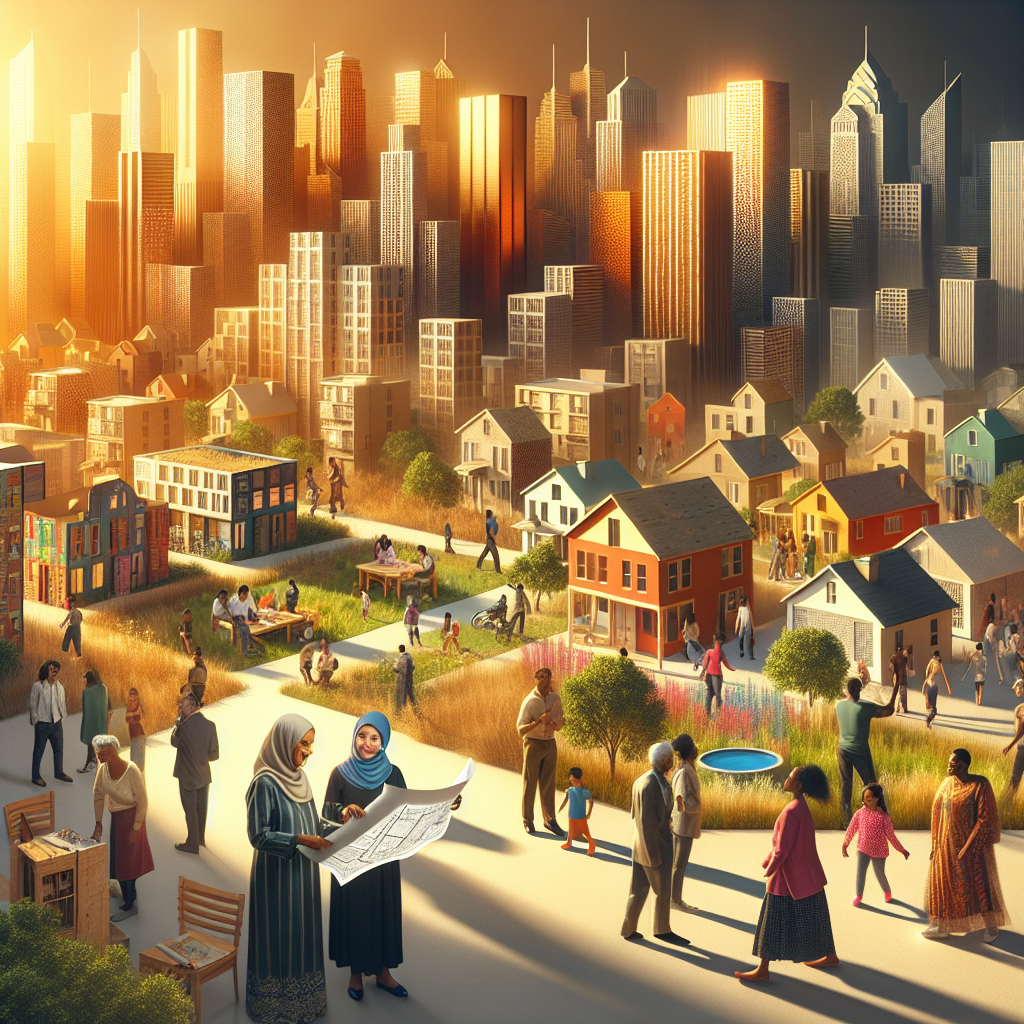
There have been several successful initiatives worldwide that exemplify how urban environmental justice can be realized. Programs in cities such as Portland, Oregon, which incorporate inclusive community input into environmental planning, have resulted in improved access to clean air and green spaces. The city’s “Equitable Housing Initiative” ensures that affordable housing is located near essential amenities and environmental benefits, mitigating the effects of gentrification. Additionally, Stockholm has effectively reduced traffic emissions through smart transportation planning, benefiting all urban residents, particularly those in dense neighborhoods. These examples demonstrate that strategic urban planning and inclusive policies can lead to meaningful progress in environmental justice.
| City | Initiative | Outcome |
|---|---|---|
| Portland | Equitable Housing Initiative | Improved access to green spaces and amenities |
| Stockholm | Smart Transportation Planning | Reduced traffic emissions and improved air quality |
| Oakland | Community-led Air Quality Monitoring | Enhanced data for policy advocacy |
The Role of Technology and Data in Environmental Justice
Technology and data analytics play a critical role in advancing urban environmental justice. These tools enable the precise location and identification of environmental hazards, empowering communities with information to advocate for change. Initiatives like the community-led air quality monitoring projects in east Oakland use sensor technology to collect and disseminate air quality data. Such initiatives provide affected residents with tangible evidence needed to demand policy revisions and interventions. Additionally, data visualization technologies can effectively communicate complex environmental data, driving awareness and rallying public support for environmental justice initiatives. However, ensuring equitable access to these technologies and the digital literacy to use them is also crucial for empowering disadvantaged communities.
Empowering Communities for Urban Environmental Justice
At the heart of environmental justice efforts is the empowerment of communities so they can enact positive change. Empowerment involves education, advocacy training, and participative opportunities for communities to play a vital role in local governance and environmental decision-making. Success stories such as Harlem’s WE ACT for Environmental Justice demonstrate how community empowerment leads to effective advocacy and policy influencing. WE ACT focuses on educating citizens about environmental health issues and mobilizing community-driven actions to push for systemic environmental changes. This grassroots approach fosters an engaged and knowledgeable public that can demand and implement practical environmental justice reforms in their neighborhoods.
Conclusions and Steps Forward for Ensuring Urban Environmental Justice
To achieve urban environmental justice, a comprehensive approach that integrates policy reform, community involvement, and innovative solutions is necessary. Addressing the roots of environmental inequality calls for collaborative efforts involving government agencies, community organizations, and private stakeholders. The key takeaways from the discussion include the importance of equitable distribution of resources, meaningful community participation, and focused legal protections for vulnerable populations. By recognizing and addressing the disparities highlighted in this article, communities and policymakers can work towards creating urban environments where fair treatment and unbiased distribution of environmental benefits and burdens are the norms. The responsibility for pushing these initiatives forward lies with all members of society, from local governments to individual citizens, as every action counts in the journey towards achieving full environmental justice. As a call to action, readers are encouraged to engage with local environmental justice organizations, participate in community planning meetings, and advocate for policies that support equitable environmental protections for all urban residents.
Frequently Asked Questions
1. What is urban environmental justice?
Urban environmental justice is a principle that seeks to ensure fair and equitable access to a clean, safe, and healthy environment for all residents in urban areas. This means that no group of people, whether defined by race, income, or ethnicity, should bear a disproportionate share of negative environmental consequences resulting from industrial, governmental, and commercial operations or policies. Instead, everyone should have the opportunity to be meaningfully involved in the decision-making processes that shape their communities. In essence, urban environmental justice is about ensuring that environmental benefits and burdens are distributed fairly across all city inhabitants.
2. Why is urban environmental justice important?
Urban environmental justice is crucial because it tackles the systemic inequalities that can lead to marginalized communities facing more environmental hazards and having less access to environmental benefits like green spaces, clean air, and water. In many urban areas, industrial facilities tend to be sited near low-income or minority communities, which can lead to higher exposure to pollutants and associated health problems such as asthma and other respiratory illnesses. Similarly, these communities might not have the same access to parks, nature reserves, and recreational areas that promote better physical and mental health. By affirming environmental justice, we aim to correct these imbalances and ensure that all urban residents have the opportunity to live healthier lives.
3. What are some examples of environmental injustices in urban areas?
Examples of environmental injustices include the placement of landfills, factories, or waste treatment facilities disproportionately near marginalized neighborhoods, leading to poor air and water quality for the residents. These neighborhoods may also suffer from urban heat islands, where the lack of trees and shade results in higher temperatures. Additionally, such communities often have limited access to public transportation, affecting their ability to reach clean and safe environments for outdoor activities. In contrast, more affluent neighborhoods may enjoy well-maintained parks, tree-lined streets, and comprehensive public transport options, demonstrating the stark contrasts in environmental conditions.
4. How can cities promote urban environmental justice?
Cities can promote urban environmental justice by actively involving marginalized communities in the planning and decision-making processes regarding environmental policies and initiatives. This includes ensuring that these communities have a say in where industrial facilities are placed, how city budgets are allocated, and in discussions about urban development plans. Moreover, cities can prioritize investments in green infrastructure in underprivileged areas, improve public transportation access, and enforce stricter environmental regulations to protect vulnerable communities from pollution. By taking deliberate steps towards inclusivity and equity, cities can work towards creating a fairer urban environment for all.
5. How does urban environmental justice relate to climate change?
Urban environmental justice is closely linked to climate change as marginalized communities often face the brunt of climate impacts such as extreme heat, flooding, and increased pollution. These vulnerabilities are exacerbated by a lack of resources and infrastructure to effectively cope with or recover from climate-related events. Urban environmental justice advocates push for the development of resilient infrastructures tailored to protect at-risk populations while promoting sustainable practices that mitigate climate change’s effects. By incorporating environmental justice into climate policies, cities can ensure that adaptation and mitigation efforts benefit everyone, especially those who are most vulnerable.