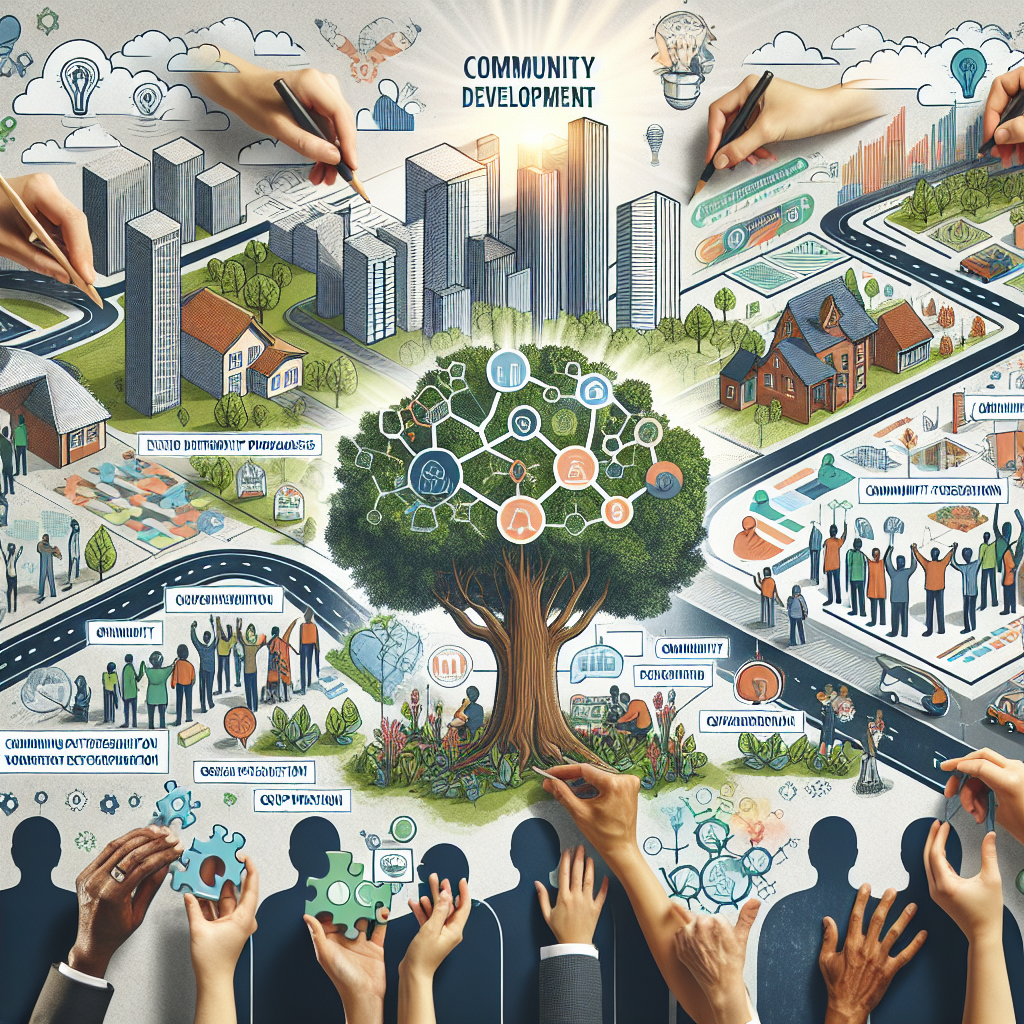
Understanding the link between community development and health and wellness programs is vital for fostering sustainable, thriving communities. These two domains are deeply interconnected, and when intentionally combined, they can create environments that support physical, mental, and social well-being for all residents. In this article, we will explore the various ways community development efforts influence health outcomes, the implementation of health and wellness programs in community planning, and the positive impacts such initiatives can have on individuals and the community as a whole.
Introduction: The Intersection of Community Development and Health
Community development goes beyond just building infrastructure; it encompasses the creation of social spaces, the preservation of cultural heritage, and the promotion of community engagement. At its core, community development aims to improve the quality of life for all residents by addressing various socio-economic and environmental factors. One often overlooked aspect of community development is its significant impact on public health and wellness.
Health and wellness programs in the context of community development refer to initiatives designed to promote healthy lifestyles and improve physical, mental, and social well-being. These programs can include anything from building parks and recreational facilities to implementing community-based health education and outreach services. The growing body of research has shown that the physical and social environment in which individuals live greatly influences their health outcomes. Therefore, integrating health and wellness programs into community development plans is crucial for building vibrant, resilient communities.
In this article, we will delve into how community development can enhance health and wellness, discuss the types of health programs that can be implemented, and explore the broad range of benefits these initiatives bring to communities. By the end of this article, it will be clear that thoughtful community development is key to achieving both enhanced quality of life and improved public health outcomes.
Creating Healthy Environments Through Community Planning
Healthy living is deeply influenced by the environment people inhabit. Urban planners and community developers play a critical role in shaping these environments to foster healthier lives. By designing neighborhoods with ample green spaces, accessible recreational facilities, and safe walking and biking paths, planners can encourage physical activity and reduce the prevalence of chronic diseases such as obesity, diabetes, and heart disease.
Moreover, community planning can mitigate environmental hazards that negatively impact health. For example, reducing air and noise pollution through strategic zoning and incorporating green infrastructure can lower the incidence of respiratory and stress-related illnesses. Ensuring access to clean water and reliable sanitation services also directly contributes to the well-being of residents.
Social cohesion is another important aspect of health that community planning can influence. Well-designed public spaces such as parks, community centers, and plazas provide residents with opportunities to socialize, build relationships, and foster a sense of community belonging. Such social interactions are linked to better mental health outcomes, including reduced feelings of isolation and anxiety.
To create truly healthy environments, urban planners must adopt a holistic approach that considers the diverse needs of the community. This includes engaging residents in the planning process, understanding their unique health challenges, and addressing social determinants of health such as housing, education, and income levels. By doing so, community development can lay the foundation for sustainable health and wellness.
The Role of Health and Wellness Programs in Community Development
Health and wellness programs are essential components of community development, offering targeted interventions that address specific health needs and promote overall well-being. These programs can take many forms, depending on the unique characteristics and needs of the community.
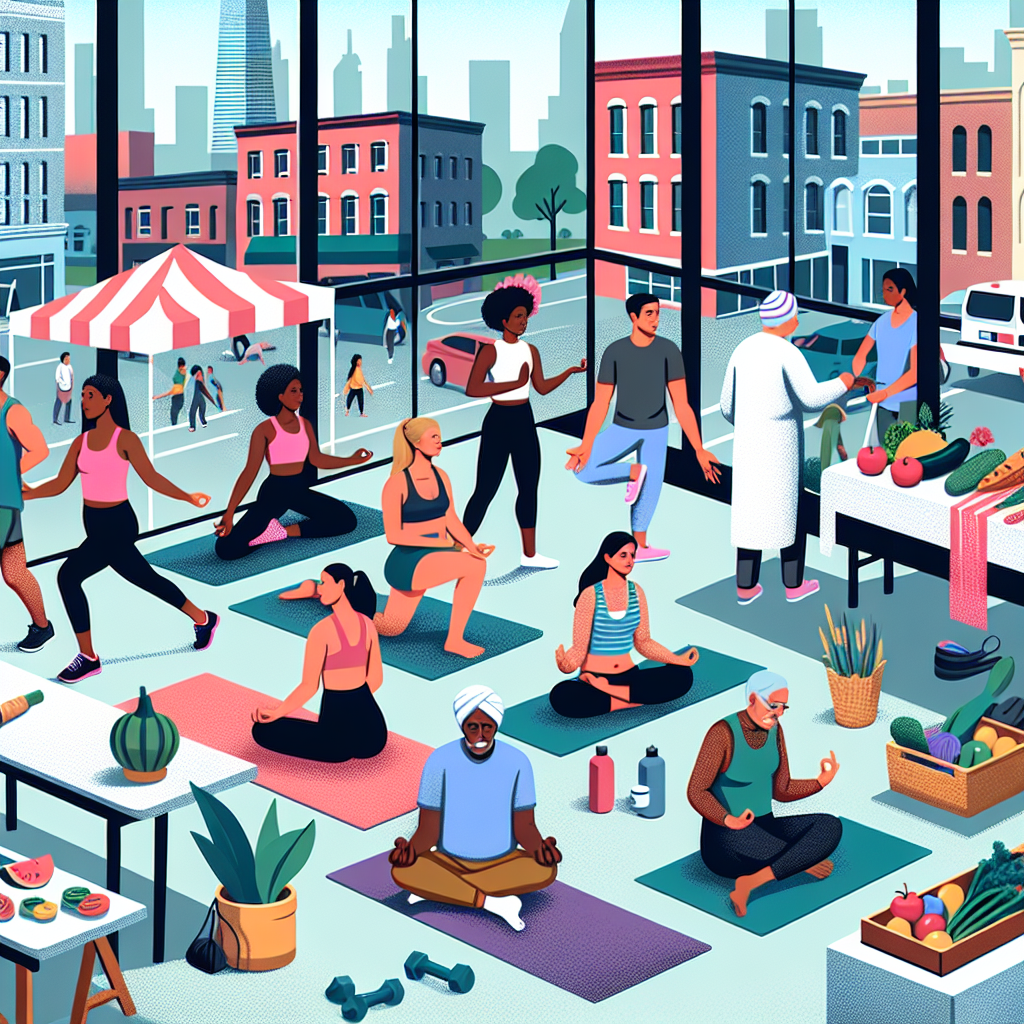
One common type of health and wellness program is community health education. This can involve workshops, seminars, and outreach activities aimed at raising awareness about healthy lifestyles, disease prevention, and available health services. For instance, nutrition workshops can teach residents about healthy eating habits, while fitness classes can encourage regular physical activity.
Community health clinics and mobile health units provide critical access to medical services, especially in underserved areas. These facilities can offer preventive care, screenings, and treatments for various health conditions, ensuring that residents receive timely medical attention. Furthermore, mental health services such as counseling and support groups address the psychological needs of the community, helping to combat issues like depression, anxiety, and substance abuse.
In addition to traditional health services, wellness programs that focus on holistic well-being are gaining popularity. These programs often include stress management workshops, meditation and mindfulness sessions, and holistic therapies such as yoga and tai chi. By promoting mental and emotional health alongside physical health, these initiatives contribute to a more balanced and comprehensive approach to well-being.
The success of health and wellness programs largely depends on community engagement and participation. Involving residents in the planning and implementation of these initiatives not only ensures they are relevant and effective but also empowers the community to take ownership of their health and well-being.
Case Studies: Successful Community Health Initiatives
Examining successful case studies of community health initiatives can provide valuable insights into best practices and innovative approaches. One such example is the Blue Zones Project, which aims to make healthy choices easier in communities around the world. This initiative focuses on nine evidence-based principles for longevity, including moving naturally, eating a plant-based diet, having a sense of purpose, and belonging to a social community.
In the United States, the Blue Zones Project has been implemented in various cities, including Albert Lea, Minnesota, and Fort Worth, Texas. These communities have seen significant improvements in residents’ health, including reduced obesity rates, increased physical activity, and enhanced social well-being. The success of the Blue Zones Project demonstrates the importance of creating environments that support healthy lifestyles and the power of community-led change.
Another notable case study is the Healthy Cities Program initiated by the World Health Organization (WHO). This program promotes comprehensive urban planning that incorporates health considerations into all aspects of city development. Participating cities implement policies and projects that address issues such as air quality, transportation, housing, and access to green spaces. The Healthy Cities Program has been successful in improving public health outcomes and fostering collaboration between local governments, health authorities, and communities.
These examples highlight that effective community health initiatives require a multifaceted approach, combining infrastructure development, policy changes, and grassroots engagement. By learning from these successful models, other communities can design and implement their own health and wellness programs tailored to their specific needs and contexts.
Challenges and Opportunities in Integrating Health and Wellness into Community Development
While the integration of health and wellness programs into community development offers numerous benefits, it also comes with its own set of challenges and opportunities. One significant challenge is securing adequate funding and resources for these initiatives. Community development projects often require substantial financial investments, and health and wellness programs may compete with other priorities for limited funds.
To overcome this challenge, communities can seek diverse funding sources, including government grants, private donations, and public-private partnerships. Demonstrating the long-term economic benefits of improved public health, such as reduced healthcare costs and increased productivity, can also help garner support for these initiatives.
Another challenge is ensuring equity in access to health and wellness programs. Disparities in socio-economic status, race, and ethnicity can result in unequal access to resources and services. To address this issue, community development efforts must prioritize inclusivity and equity, ensuring that all residents, regardless of their background, can benefit from health and wellness programs.
Despite these challenges, there are also numerous opportunities to enhance health and wellness through community development. Technological advancements, such as telehealth and mobile health apps, can expand access to health services and information. Collaborative efforts between public health professionals, urban planners, and community organizations can drive innovative solutions to complex health challenges.
Furthermore, the growing recognition of the social determinants of health presents an opportunity to align community development with public health goals. By addressing factors such as housing quality, education, and employment opportunities, community developers can create environments that support overall well-being and reduce health disparities.
The Future of Community Development and Health and Wellness Programs
As we look to the future, the integration of health and wellness programs into community development will continue to evolve, driven by emerging trends and changing societal needs. One key trend is the increasing focus on sustainability and resilience. Climate change and environmental degradation pose significant threats to public health, and future community development efforts must prioritize sustainable practices and resilient infrastructure to mitigate these impacts.
Another emerging trend is the emphasis on mental health and well-being. The COVID-19 pandemic has underscored the importance of mental health, and future community development initiatives will likely place greater emphasis on providing mental health services and creating supportive environments for mental well-being.
Additionally, the concept of “healthy aging” is gaining traction, as populations around the world continue to age. Community development efforts will need to address the unique needs of older adults, such as accessible housing, social engagement opportunities, and healthcare services tailored to aging populations.
Technology will also play a transformative role in the future of community development and health and wellness programs. Smart cities, equipped with data-driven technologies, can monitor and promote public health, optimize resource allocation, and enhance the quality of life for residents. The integration of artificial intelligence, IoT devices, and digital health platforms will enable more personalized and efficient health services.
As community developers and public health professionals continue to collaborate, the future holds great promise for creating healthier, more vibrant communities. By adopting innovative approaches, prioritizing equity, and addressing emerging health challenges, we can build environments that support the well-being of all residents, now and in the years to come.
Conclusion: The Path Forward
In conclusion, the integration of health and wellness programs into community development is essential for creating resilient, thriving communities. By focusing on the various determinants of health, such as the built environment, social cohesion, and access to services, community developers can significantly improve public health outcomes and enhance the overall quality of life for residents.
Successful examples, such as the Blue Zones Project and the Healthy Cities Program, demonstrate the potential of holistic, community-led approaches to health and wellness. However, challenges such as funding and equity must be addressed to ensure that all residents benefit from these initiatives.
Looking to the future, trends such as sustainability, mental health, healthy aging, and technological advancements will shape the landscape of community development and health and wellness programs. By staying attuned to these trends and fostering collaboration between stakeholders, we can build communities that prioritize health and well-being.
Ultimately, the goal of community development is to create environments where residents can thrive physically, mentally, and socially. By integrating health and wellness programs into community planning, we can achieve this goal and pave the way for a healthier, happier, and more equitable future for all.
Frequently Asked Questions
1. What is the relationship between community development and health and wellness programs?
Community development and health and wellness programs are inherently interconnected. Community development aims to improve the quality of life for residents by addressing issues like infrastructure, housing, and social services. Meanwhile, health and wellness programs specifically focus on promoting physical, mental, and social health. When community development initiatives align with health objectives, they create environments that support healthier lifestyles through improved access to medical facilities, green spaces, and community centers that promote social engagement and physical activity. For instance, a well-planned community development project will consider the placement of parks, walking trails, and recreational facilities as part of their planning to encourage exercises such as walking, biking, and group sports activities. The synergy of these two areas helps reduce health disparities and fosters a sense of belonging among community members, thus improving overall health outcomes.
2. How can community development impact mental health specifically?
Community development has a profound impact on mental health. A community designed with accessible public spaces, green areas, and gateways for social interaction increases opportunities for social cohesion and mental well-being. Ensuring that every resident has access to safe, communal areas where they can connect with others combats the sense of isolation that contributes to mental health issues like anxiety and depression. Additionally, community development initiatives that focus on creating safer neighborhoods can significantly reduce stress and anxiety levels. Furthermore, a community that offers diverse recreational and cultural activities enhances personal development and emotional resilience. By integrating mental health-supporting infrastructures like counseling centers, stress reduction programs, and mindfulness workshops, community development becomes a keystone in promoting mental health and wellness.
3. What are some examples of successful integration of health and wellness programs in community planning?
Several communities around the world have effectively integrated health and wellness programs into their community planning. Examples include cities that have designed pedestrian-friendly urban environments. Copenhagen, for example, is known for its extensive cycling routes that not only promote physical activity but also reduce air pollution, thus creating a healthier living environment. Singapore's healthcare clusters integrate public health and social care services to address the needs of the aging population. Another excellent example is the Blue Zones project, which applies evidence-based techniques from the world's healthiest communities to improve community health. These projects often bring together planners, health professionals, and community members, ensuring health considerations are integrated into every stage of development, from transportation planning to zoning and land use.
4. How do health and wellness programs contribute to sustainable community growth?
Health and wellness programs are critical pillars of sustainable community growth. A healthy population is more productive, reducing the economic burden of healthcare and allowing for greater investment in other community enhancements. Wellness initiatives encourage lifestyle changes that can prevent chronic diseases, leading to lowered healthcare costs and an increase in the workforce's overall productivity. Moreover, when communities prioritize health, they attract new residents and businesses that appreciate an environment that supports well-being. Sustainable growth relies on long-term investments in the health of residents – knowing that a healthy community will lead to economic prosperity and a higher quality of life. This interconnected cycle reinforces the concept that to achieve sustainability, health and wellness must be at the forefront of community planning efforts.
5. What steps can a community take to initiate health and wellness programs if they currently have none?
Starting health and wellness programs from scratch can be a significant undertaking, but it's entirely achievable with a structured approach. Begin with a community needs assessment to identify health priorities and determine the population's specific needs. Engaging community members through surveys or focus groups ensures the program reflects the desires and necessities of residents. Forming partnerships with local organizations, healthcare providers, schools, and businesses can provide crucial resources and support. Develop a committee dedicated to health and wellness programming, composed of diverse community representatives. It's essential to have a clear plan, including short-term and long-term goals. Start with pilot projects, such as health fairs, fitness classes, or nutrition workshops, to gauge interest and effectiveness. As these programs gain momentum, continually seek feedback, evaluate outcomes, and adjust strategies to enhance success. Moreover, regular monitoring and evaluation are essential tools to measure effectiveness over time, ensuring the programs evolve to meet the changing needs of the community.