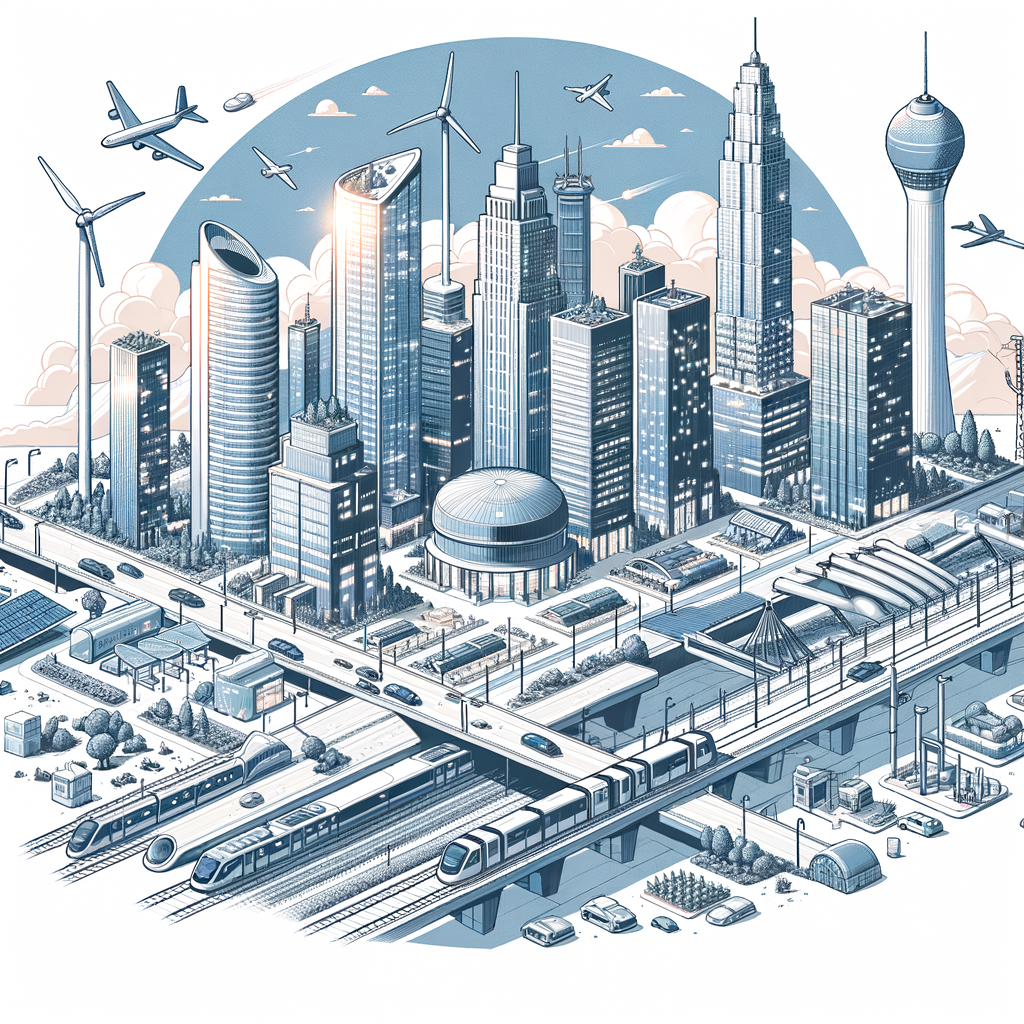
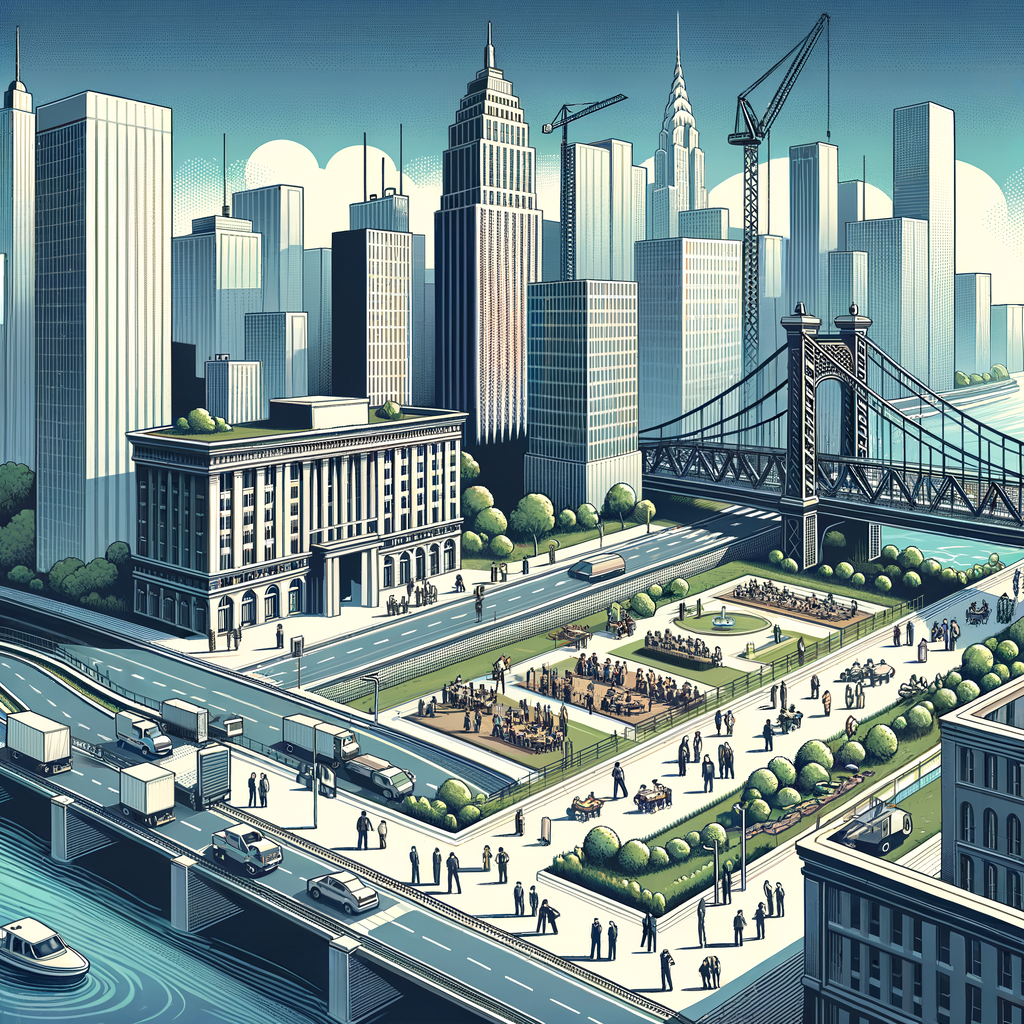
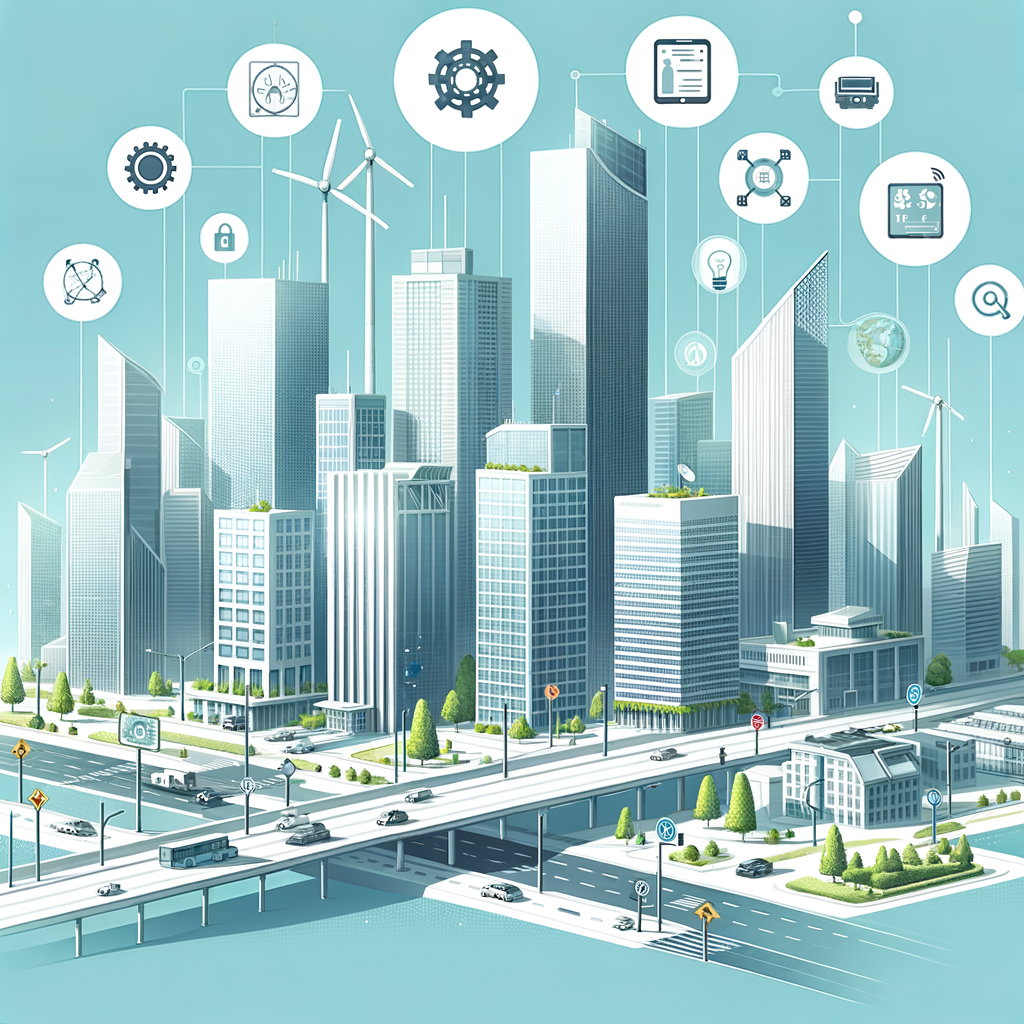
Urban infrastructure is pivotal in shaping the environment of cities across the globe. As the world witnesses rapid urbanization, understanding how urban infrastructure affects environmental sustainability has become crucial. Urban areas, often characterized by dense populations and expansive developments, require extensive infrastructure such as roads, buildings, water supply systems, and waste management mechanisms. While these elements are essential for the functioning of a city, they significantly impact the environment. Urban infrastructure can contribute to environmental sustainability or exacerbate ecological degradation, depending on how it is designed and implemented. Thus, it’s crucial to examine how infrastructural developments interact with environmental concerns and maneuver to minimize their negative impacts. This article delves into the intricate relationships between urban infrastructure and environmental sustainability, focusing on both the challenges and opportunities. We explore how the current patterns of infrastructural developments affect biodiversity, air quality, water management, energy consumption, and waste generation.
The Role of Urban Infrastructure in Environmental Sustainability
Urban infrastructure plays a dual role in its impact on environmental sustainability. As cities expand, the infrastructure developed can either mitigate or contribute to environmental issues. The intricacies of constructing, maintaining, and operating urban infrastructure hinge significantly on the energy consumed and the waste generated. Furthermore, the types of materials used, their lifespan, and the methods for end-of-life disposal are pivotal factors in determining environmental outcomes.
Infrastructure projects often lead to significant land use changes, altering natural habitats and landscapes. Urban sprawl, a common by-product of poorly managed infrastructure, eats into natural ecosystems, leading to biodiversity loss. As land is repurposed for roads, bridges, and buildings, local wildlife habitats are disrupted, driving animals to less hospitable environments. Consequently, this increases competition for dwindling resources, leading to species decline or extinction.
Pollution and Urban Infrastructure
Pollution represents a critical intersection between urban infrastructure and environmental sustainability. Industrial developments necessary for supporting urban infrastructure often lead to increased emissions of greenhouse gases and other pollutants. Traditional construction methods, reliance on non-renewable energy, and inefficient transportation systems contribute immensely to air and water pollution.
For example, traditional transportation infrastructure, focused on personal vehicles rather than public transit, incentivizes the use of fossil fuel-powered cars. This choice has a direct and measurable effect on the air quality in urban areas, contributing to smog and respiratory illnesses among city dwellers. Moreover, the development of roads and railways can lead to soil erosion and the contamination of water bodies due to run-off from construction sites.
Innovative Infrastructure Solutions
To counteract the adverse effects of urban infrastructure on environmental sustainability, innovative solutions are being developed and implemented. Sustainable urban planning takes into consideration green building practices, integration of renewable energy sources, and the enhancement of public transportation systems.
Green buildings, for instance, are designed to reduce energy consumption and improve efficiency. Employing sustainable materials and technologies such as solar panels, energy-efficient windows, and high-performance insulation systems are fundamental strategies for reducing the environmental footprint of new developments.
Moreover, there is an increasing emphasis on integrating green spaces into urban environments. Parks, green roofs, and vertical gardens not only enhance the aesthetic appeal of cities but also play a crucial role in temperature regulation, air purification, and biodiversity enhancement. These green areas serve as carbon sinks, contribute to better water management, and provide habitat for urban wildlife.
Transportation Infrastructure and its Environmental Impact
Transportation infrastructure is a cornerstone of urban development, significantly impacting environmental sustainability. The focus on automotive transport has led to widespread urban pollution and increased carbon emissions. However, cities are now increasingly considering the potential of public transportation, cycling, and pedestrian-friendly infrastructure as sustainable alternatives. The shift towards electrification of transport, including buses and vehicles, is a promising development. Electrified public transport reduces reliance on fossil fuels, directly impacting emission levels.
Cities like Amsterdam and Copenhagen are exemplary models, showcasing how bicycle-friendly infrastructure can create a sustainable urban environment. Encouraging cycling through dedicated lanes not only reduces emissions but also promotes healthy living.
Water Management and Urban Infrastructure
Water management is another critical aspect where urban infrastructure impacts environmental sustainability. Urban areas consume enormous amounts of water, leading to stress on local water supplies and the surrounding environment. Inefficient systems result in substantial water loss and pollution of water resources. Furthermore, outdated sewage systems contribute to significant water contamination, affecting both ecosystems and human health.
Urban infrastructure that includes innovative water management solutions such as rainwater harvesting, greywater recycling, and green infrastructure can significantly mitigate these challenges. Implementing technologies that minimize water waste and improve efficiency can lead to more sustainable water usage in urban areas, ensuring water security for future populations.
Energy Consumption and Urban Infrastructure
Energy consumption forms a critical component of urban infrastructure development. Traditional energy systems, largely dependent on fossil fuels, have adverse impacts on the environment due to high carbon emissions. On the other hand, transitioning to renewable energy sources such as solar and wind can lead to significant improvements in environmental sustainability.
Sustainable urban infrastructures integrate energy-efficient technologies and practices to minimize energy use and reduce dependence on non-renewable sources. Smart grid technologies and innovative energy storage solutions are helping cities manage energy demands more efficiently, decreasing their environmental footprint.
Furthermore, modern urban infrastructure designs integrate sustainability components by prioritizing energy-efficient street lighting, heating systems, and smart meters, all aimed at reducing the total energy consumption of the city.
Waste Management and Urban Infrastructure
As urban populations grow, so does the amount of waste generated. Ineffective waste management systems pose significant threats to environmental sustainability. Waste contributes to pollution when not disposed of or treated properly, leading to increased greenhouse gases, leaching toxins into soil and waterways, and harming ecosystems.
Urban infrastructure can significantly impact waste management through improved collection, sorting, recycling, and disposal practices. Introducing waste-to-energy plants represents a sustainable approach, converting waste materials into electricity. Furthermore, a city’s infrastructure can be improved through robust recycling programs and the development of circular economies that reduce overall waste production.
Conclusion
The impact of urban infrastructure on environmental sustainability is profound and multifaceted. Understanding these impacts can drive the development of strategies aimed at mitigating negative outcomes while enhancing the positive aspects of urban growth. By prioritizing sustainable development practices, cities can ensure they provide a high quality of life without compromising the health of the environment.
Future urban planning and infrastructure development should integrate a holistic approach to sustainability, focusing on minimizing environmental impact. This includes embracing sustainable materials, renewable energy, efficient water and waste management systems, and promoting biodiversity. Furthermore, robust policies for the continuous assessment and management of environmental impacts are necessary to guide urban growth sustainably.
Urban areas represent both the problem and solution to achieving global environmental sustainability. While they are responsible for significant natural resource consumption and waste production, they are also ripe with potential to develop innovative, sustainable solutions. Cities are economic powerhouses with the resources and talent necessary to pioneer green solutions that can be emulated worldwide. Therefore, in recognizing the critical intersection of urban infrastructure and environmental sustainability, cities can make substantial strides toward a sustainable future, fostering resilience and environmental harmony.
Frequently Asked Questions
1. What is the role of urban infrastructure in environmental sustainability?
Urban infrastructure plays a critical role in shaping both the immediate environment of cities and their overarching contributions to environmental sustainability. At the heart of this is the idea that infrastructure — comprising roads, buildings, water supply systems, and waste management facilities — is foundational for everyday life in urban areas. However, its impact is a double-edged sword. On one hand, well-planned and efficiently managed infrastructure can significantly reduce energy consumption, manage resources optimally, and minimize waste generation, all of which are integral to sustainability. On the other hand, poorly planned infrastructure can lead to increased pollution, resource waste, and environmental degradation. Therefore, integrating sustainable practices and technologies into the design, construction, and operation of urban infrastructure is essential to ensure that urbanization contributes positively to environmental sustainability rather than detracting from it.
2. How does urban infrastructure contribute to pollution, and what can be done about it?
Urban infrastructure can contribute to multiple forms of pollution, including air, water, and soil pollution. The construction and operation of buildings, for example, often involve significant emissions of greenhouse gases and pollutants due to energy consumption and material use. Similarly, transportation infrastructure can lead to elevated levels of air pollution from vehicle emissions. Additionally, improper waste disposal systems can lead to soil and water contamination. To mitigate these issues, cities can adopt greener building standards, such as LEED certification, which focus on reducing environmental impact. Transitioning to renewable energy sources, enhancing public transportation networks to reduce reliance on individual car use, and implementing comprehensive waste management strategies, including recycling and composting, are practical measures that can be taken to curtail pollution resulting from urban infrastructure.
3. What are the challenges of implementing sustainable urban infrastructure?
Implementing sustainable urban infrastructure comes with its own set of challenges. One of the primary obstacles is the high initial cost associated with sustainable technology and construction practices, which can deter investment despite the long-term savings they offer. Additionally, there is often a lack of political will or public awareness, preventing the required regulatory changes and community engagement needed for sustainable practices to take hold. Urban areas also face logistical challenges, such as space constraints that can limit the adoption of certain technologies or projects. To overcome these challenges, cities can prioritize public-private partnerships to share costs and risks, pursue educational campaigns to build community support, and seek grants or funding assistance from governmental and international bodies focused on sustainable development. Furthermore, integrating sustainability goals into city planning from the outset can ensure that new infrastructure projects are better aligned with environmental objectives.
4. How does the development of green spaces within urban infrastructure influence environmental sustainability?
The development of green spaces, such as parks, gardens, and other natural areas, within urban infrastructure is a crucial component of enhancing environmental sustainability. Green spaces improve air quality by absorbing pollutants and carbon dioxide, effectively serving as the ‘lungs’ of the city. They also mitigate urban heat island effects, contribute to stormwater management by reducing runoff and promoting groundwater recharge, and provide habitats for urban wildlife, contributing to biodiversity. Furthermore, these areas foster community well-being, providing residents with spaces for recreation and relaxation and enhancing the aesthetic appeal of urban environments. To maximize their benefits, cities should integrate green spaces strategically throughout urban areas and ensure equitable access to these areas for all residents, emphasizing their role not just as environmental assets but as vital components of urban life.
5. What role do transportation systems play in the environmental impact of urban infrastructure?
Transportation systems are a major component of urban infrastructure, and they play a significant role in a city’s environmental impact. Conventional transportation modes, particularly those reliant on fossil fuels, are significant contributors to greenhouse gas emissions and air pollution. Traffic congestion in urban areas also exacerbates these emissions, leading to poor air quality and associated health issues. To mitigate these impacts, cities can shift towards sustainable transportation systems. This includes investing in public transit options such as buses and trains powered by renewable energies, developing extensive networks of bike lanes, and creating pedestrian-friendly zones. Electrification of vehicles, expansion of electric vehicle charging infrastructure, and incentives for carpooling or ride-sharing can further alleviate the environmental footprint of urban transportation. By prioritizing these sustainable transportation strategies, cities can significantly reduce emissions and promote a cleaner, more sustainable urban environment.