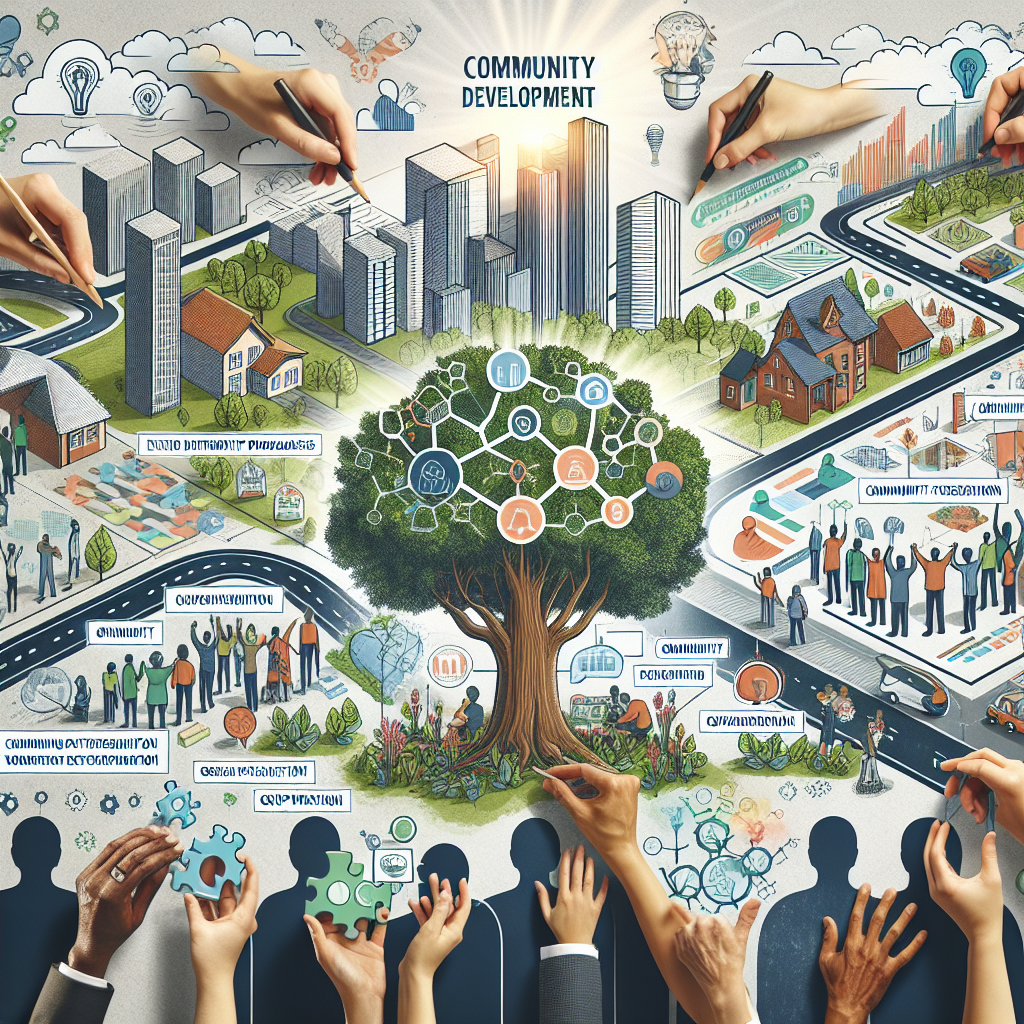
Community development is a crucial aspect of creating thriving cities and towns that support the well-being, economic stability, and overall quality of life for their residents. Building stronger communities requires comprehensive strategies and best practices tailored to a community’s unique needs, challenges, and opportunities. Whether you’re involved in urban planning, local government, or grassroots initiatives, understanding the essential elements of effective community development can create a lasting impact on the present and future generations.
The essence of community development lies in empowering residents, fostering economic growth, ensuring social inclusion, and developing sustainable infrastructures. These initiatives not only enhance the living standards but also create a sense of belonging and pride among community members. By leveraging inclusive planning, collaboration, and innovative approaches, towns and cities can overcome various socio-economic barriers.
In this detailed guide, we will explore key strategies, examples of successful community development efforts, and actionable best practices that foster well-rounded, resilient, and forward-thinking communities. From enhancing community engagement to utilizing data-driven solutions, these insights will provide a solid foundation for anyone looking to contribute to their neighborhood or town’s prosperity.
Let’s delve into the building blocks of a robust community development approach and discover how these practices can be implemented for the benefit of all.
Community Engagement and Empowerment
At the heart of any successful community development initiative lies the active participation and empowerment of its residents. Community engagement is about ensuring that local voices are heard, valued, and integrated into the decision-making process. This fosters a sense of ownership and personal investment in the community’s future.
Strategies to enhance community engagement include organizing town hall meetings, participatory budgeting, and creating neighborhood committees. These platforms provide residents with opportunities to express their opinions, contribute ideas, and directly influence local policies and projects. Moreover, fostering transparent communication through social media channels, newsletters, and local media ensures that residents stay informed and engaged.
Empowerment goes hand-in-hand with engagement. Providing resources, education, and training to community members equips them with the skills and knowledge necessary to drive change and advocate for their needs. Programs focused on leadership development, entrepreneurial support, and skill-building workshops can significantly impact a community’s capacity for self-advocacy and resilience.
Critical to this engagement is the inclusion of diverse voices. Ensuring representation from various demographic groups, such as youth, seniors, people of different ethnic backgrounds, and marginalized communities, guarantees a more comprehensive and inclusive approach to development. This diversity of perspectives can lead to more innovative and effective solutions.
Economic Development and Job Creation
Economic development is a cornerstone of vibrant communities, directly influencing quality of life, housing, education, and health outcomes. Strategies focused on boosting the local economy and creating job opportunities are essential for sustainable community growth and prosperity.
A multi-faceted approach to economic development can include supporting local businesses through grants, tax incentives, and access to financing. Encouraging entrepreneurship and innovation by providing business incubators and co-working spaces allows new businesses to thrive. Additionally, attracting larger corporations and industries by showcasing local assets and resources can diversify the job market and stimulate the economy.
Job creation initiatives should prioritize both immediate employment opportunities and long-term career pathways. This involves collaborative efforts with educational institutions to align training programs with the needs of evolving industries. Workforce development programs that offer vocational training, apprenticeships, and continuous professional development courses enhance the skill sets of local residents, making them more competitive in the job market.
It’s also critical to focus on equitable economic policies that address disparities and ensure that economic benefits are shared across the community. Targeted support for underrepresented groups, investments in underserved areas, and policies to address income inequality contribute to a more inclusive economy.
By fostering a robust local economy, communities can create a solid foundation for sustained growth and improved living standards for all residents.
Infrastructure and Urban Planning
Sound infrastructure and strategic urban planning are fundamental to community development. Efficient transportation systems, quality housing, public spaces, and essential services such as water, sanitation, and healthcare facilities all play vital roles in creating livable communities.
Urban planners must consider smart growth principles that promote sustainable and mixed-use developments. This includes creating walkable neighborhoods, reducing urban sprawl, and ensuring that residential, commercial, and recreational areas are well-integrated. Sustainable infrastructure, such as green buildings and renewable energy projects, not only improve environmental outcomes but also reduce long-term operational costs.
Investments in public transportation can drastically improve accessibility and mobility, reducing traffic congestion and pollution. Ensuring that transportation systems are inclusive, catering to the needs of all community members, including the elderly and disabled, is essential.
Affordable and quality housing is another critical aspect. Policies that promote the development of affordable housing units, protect existing affordable housing stock, and prevent displacement due to economic pressures are necessary. Additionally, retrofitting older buildings to improve energy efficiency and safety standards can enhance the housing quality.
Public spaces such as parks, community centers, and recreational facilities contribute to social cohesion and the overall quality of life. These spaces provide opportunities for social interactions, leisure, and community events, strengthening the social fabric of the community.
Social Services and Health Initiatives
Comprehensive social services and health initiatives are essential components of community well-being. Access to quality healthcare, education, social support, and mental health services ensures that all residents can lead healthy, fulfilling lives.
Healthcare initiatives should focus on preventive care, accessible healthcare facilities, and programs addressing chronic diseases and mental health issues. Mobile healthcare units, telemedicine services, and community health workers can effectively reach underserved populations, reducing health disparities.
Education is the foundation of a community’s long-term prosperity. Investments in early childhood education, quality K-12 schools, and adult education programs are crucial. Supportive services such as after-school programs, family literacy centers, and scholarships can enhance educational outcomes and provide upward mobility for residents.
Social services addressing food security, housing assistance, and workforce development play a critical role in supporting vulnerable populations. Collaborative efforts with non-profits, local businesses, and government agencies can create a robust support network that addresses the diverse needs of community members.
Mental health services are increasingly recognized as vital to community health. Initiatives that provide counseling, crisis intervention, and support groups can improve mental health outcomes and foster a supportive community environment.
By prioritizing comprehensive social services and health initiatives, communities can create a supportive environment that nurtures the well-being and potential of all residents.
Sustainability and Environmental Stewardship
Sustainability and environmental stewardship are critical aspects of modern community development. Addressing climate change, conserving natural resources, and promoting environmentally friendly practices are essential for creating resilient and sustainable communities.
Adopting green building standards and incorporating renewable energy sources into community infrastructure can significantly reduce environmental impact. This includes utilizing solar panels, wind turbines, and energy-efficient appliances in residential and commercial developments.
Community-wide recycling programs, waste reduction initiatives, and sustainable landscaping practices can further enhance environmental stewardship. Education and awareness campaigns can encourage residents to adopt environmentally friendly habits and contribute to the community’s sustainability goals.
Preserving natural areas such as parks, wetlands, and greenways promotes biodiversity and provides valuable recreational spaces for residents. Green infrastructure solutions, such as rain gardens and permeable pavements, help manage stormwater, reduce flooding risks, and improve water quality.
Transportation policies that promote cycling, walking, and public transit reduce reliance on cars and lower carbon emissions. Additionally, creating pedestrian-friendly streetscapes and bike lanes makes these options more appealing and accessible.
By prioritizing sustainability and environmental stewardship, communities can enhance their resilience to environmental challenges and create a healthier, more livable environment for current and future generations.
Technology and Innovation in Community Development
Technology and innovation play a significant role in modern community development efforts. Leveraging digital tools and data-driven approaches can enhance efficiency, inclusivity, and the overall effectiveness of community initiatives.
Smart city technologies, such as IoT (Internet of Things) devices and sensors, can improve urban management by providing real-time data on transportation, energy use, and public safety. These insights enable local governments to make informed decisions, optimize resources, and enhance service delivery.
Community engagement platforms and apps can facilitate communication between residents and local authorities. These tools allow residents to report issues, participate in polls and surveys, and stay updated on community events and initiatives. Digital inclusion programs that provide internet access and digital literacy training ensure that all community members can participate in the digital economy.
Data analytics and GIS (Geographic Information Systems) are invaluable for urban planning. By analyzing demographic, economic, and geographic data, planners can identify trends, assess needs, and develop targeted policies that address specific community challenges.
Innovation hubs and tech incubators can drive local economic development by supporting startups and fostering a culture of entrepreneurship. These initiatives can attract tech talent, create high-paying jobs, and stimulate economic growth.
By embracing technology and innovation, communities can enhance their development efforts, making them more adaptive, efficient, and inclusive.
Conclusion
Building stronger communities requires a concerted effort that encompasses community engagement, economic development, infrastructure planning, social services, sustainability, and the integration of technology. These strategies and best practices, when implemented effectively, can create communities that are resilient, inclusive, and prosperous.
It’s important to remember that community development is an ongoing process. Continuous evaluation, community feedback, and adaptation are crucial to addressing emerging challenges and seizing new opportunities. By fostering collaboration between residents, local governments, businesses, and non-profit organizations, a holistic approach to community development can be achieved.
At its core, community development is about people. Empowering residents, valuing their contributions, and working together to build a shared vision for the future creates a sense of belonging and purpose. As communities grow and evolve, these foundational principles will guide the development of vibrant, healthy, and strong communities for generations to come.
In conclusion, the strategies and best practices outlined in this article provide a roadmap for creating thriving communities. By prioritizing engagement, economic growth, infrastructure, social services, sustainability, and innovation, communities can build a brighter and more equitable future for all residents.
Frequently Asked Questions
1. What are the fundamental principles of building stronger communities?
Building stronger communities involves employing various principles that ensure sustainable development and resilience. One critical principle is a participatory approach, where community members actively engage and contribute to the decision-making process. This ensures that the initiatives reflect the community’s actual needs and desires. Another vital principle is fostering inclusivity and diversity, as embracing different perspectives enriches community life and creates a sense of belonging. Successful community development also requires a focus on sustainability, ensuring that initiatives contribute positively to the environment and efficiently use resources. Furthermore, fostering strong partnerships among local government, businesses, non-profits, and residents can bolster community efforts by combining resources and expertise. Finally, ongoing assessment and adaptability are key, allowing communities to measure progress effectively and adjust strategies as necessary to overcome challenges and seize new opportunities.
2. How can local governments effectively support community development?
Local governments play a pivotal role in driving community development through a variety of measures. Firstly, they can create policies that promote socioeconomic equity, ensuring access to essential services and opportunities for all community members. They can also provide incentives for businesses that prioritize local hiring or engage in socially responsible practices, thereby boosting the local economy. Investing in infrastructure improvements, such as enhancing public transportation and upgrading public spaces, is another way local governments can support community development. Such investments make communities more accessible and livable. Local governments can facilitate community engagement by organizing forums and workshops where residents can voice their concerns and collaborate on solutions. Moreover, governments can allocate funding to bolster non-profit organizations working on important community issues, effectively leveraging these groups’ on-the-ground expertise. Finally, establishing robust evaluation and feedback mechanisms is critical, enabling governments to track the effectiveness of their policies and make necessary adjustments to support community needs effectively.
3. What role does urban planning play in enhancing community well-being?
Urban planning is fundamental to enhancing community well-being, as it involves designing spaces that promote health, safety, and quality of life. Planners work to create balanced communities where residents have access to recreational areas, healthcare facilities, education, and employment opportunities, all within a reasonable distance. Effective urban planning promotes mixed-use development, reducing reliance on long commutes and fostering community interaction. By designing pedestrian-friendly streets and bike paths, urban planning prioritizes safer, more sustainable modes of transportation, reducing pollutant emissions and encouraging physical activity. Planners also play a role in preserving green spaces and establishing urban parks, which have been shown to reduce stress and improve mental health. Additionally, urban resilience is a key consideration, involving planning for climate change impacts and ensuring that infrastructure can withstand natural disasters. This not only protects residents but also ensures long-term economic stability by reducing recovery costs after adverse events.
4. How can grassroots initiatives contribute to stronger community development?
Grassroots initiatives are integral to community development because they often reflect the authentic voice and needs of the community. These locally driven movements empower residents by encouraging grassroots leadership and self-organization, allowing individuals to take charge of their community’s future. Grassroots groups often address issues that larger entities may overlook, ensuring that minor, yet impactful concerns receive adequate attention. These initiatives foster social cohesion, as they bring people together to collaborate on shared goals. The relationships and trust built through these efforts can enhance community resilience, making it easier for the community to come together during times of crisis or change. Grassroots movements frequently inspire innovative solutions, as they are directly connected to the everyday experiences of community members. Their ability to act quickly and exhibit flexibility allows them to test new approaches and adapt promptly. By raising awareness and galvanizing public support, grassroots initiatives can also influence local policy and resource allocation decisions, ensuring that development efforts align with the community’s genuine needs and expectations.
5. What are some best practices for sustaining long-term community development efforts?
Sustaining long-term community development efforts requires a multifaceted approach. Firstly, it involves establishing clear, achievable goals and regularly reviewing progress to ensure alignment with these objectives. Building a strong base of community partnerships is vital, as collaboration between various groups can enhance resource allocation and expand impact. Education and capacity-building initiatives empower residents with the skills and knowledge needed to contribute effectively to community development. These efforts can include workshops and training sessions on leadership, project management, or specific community issues. Consistent communication is essential, keeping community members informed, engaged, and motivated. Regular updates through newsletters, community meetings, or social media ensure transparency and foster continued participation. Furthermore, diversifying funding sources, including government grants, private donations, and revenue-generating activities, can provide financial stability for sustainable efforts. Finally, fostering a culture of continuous learning and adaptation equips communities to handle new challenges and opportunities, ensuring ongoing development and improvement.