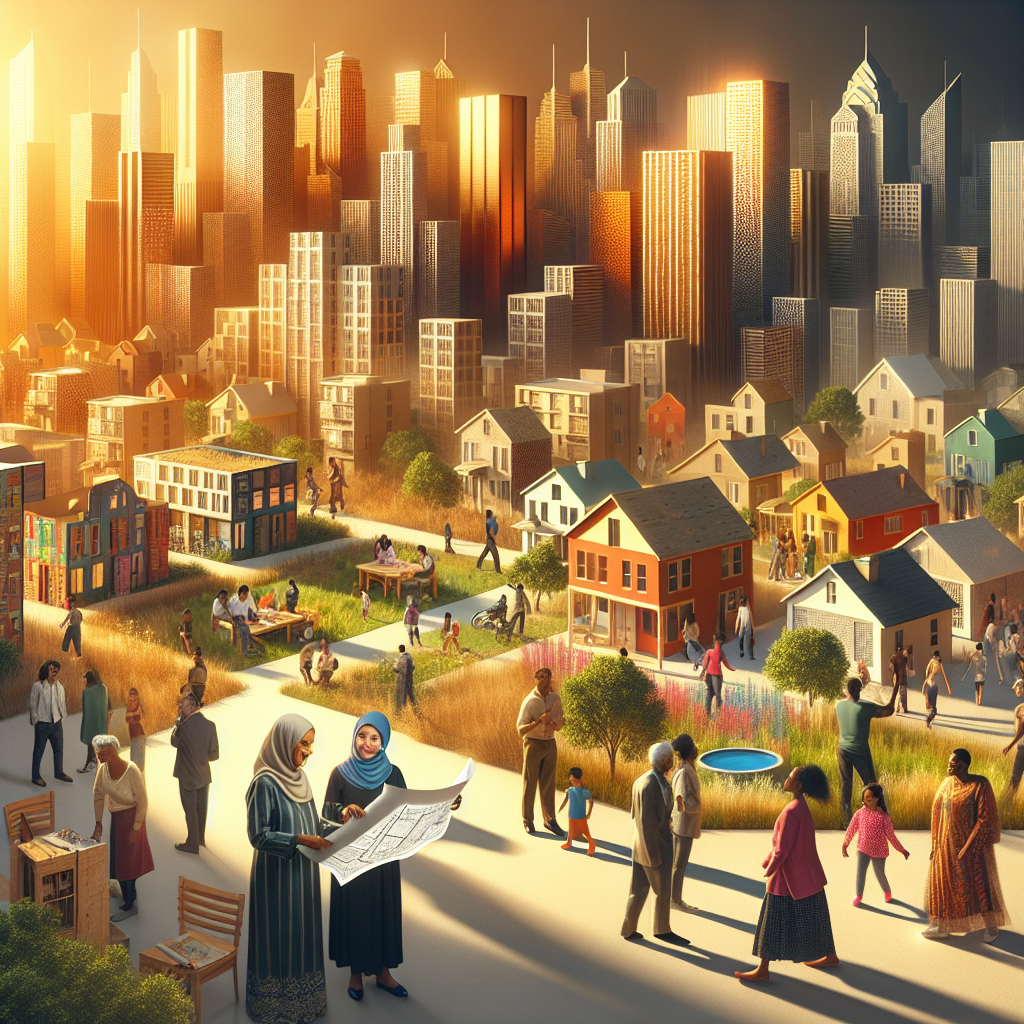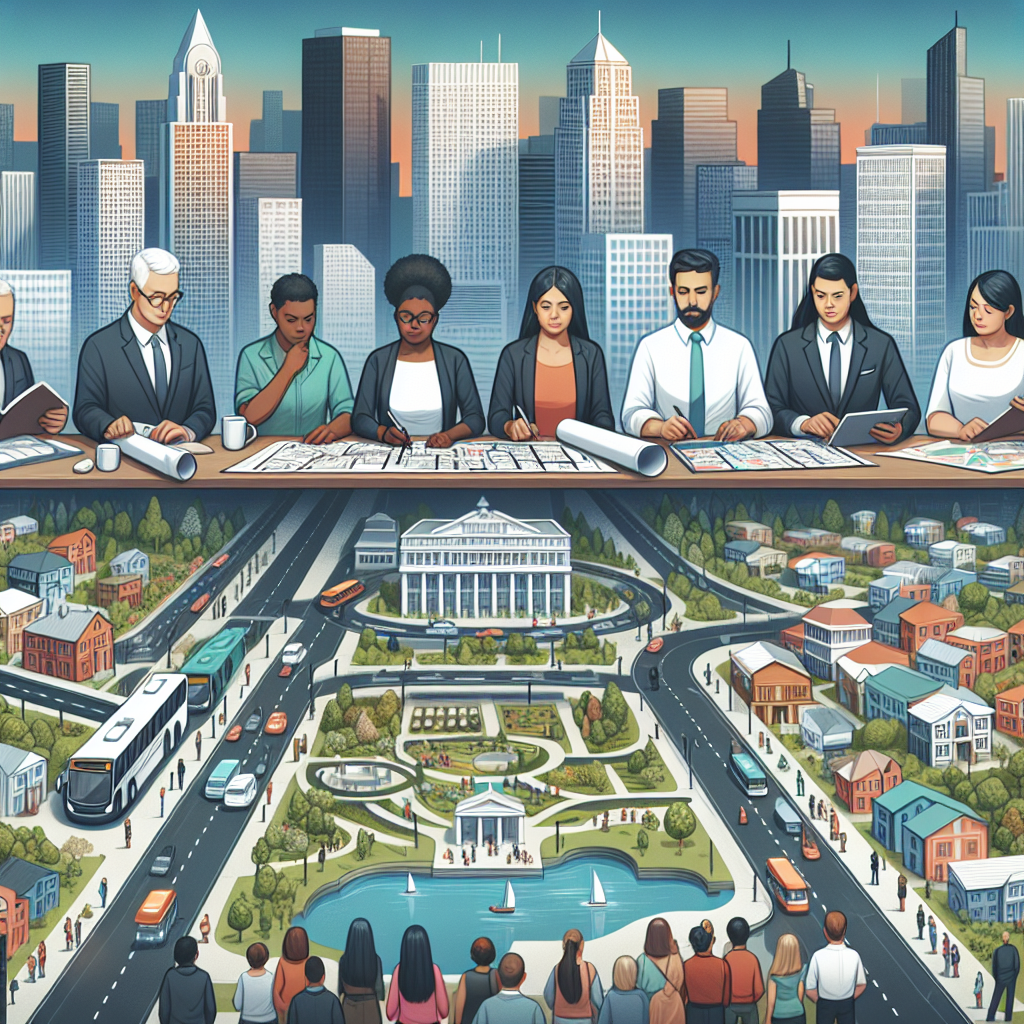
Urban planning plays a pivotal role in shaping public policy. It is the discipline that deals with the design and organization of urban spaces to foster sustainable development. As populations grow and cities expand, urban planning becomes instrumental in resolving a myriad of issues ranging from housing to transportation, infrastructure, and environmental sustainability. In this article, we will delve into how urban planning influences public policy, guiding the development and transformation of our urban landscapes to achieve social, economic, and environmental goals.
Introduction: The Importance of Urban Planning
Urban planning may appear to be a modern invention, but its roots can be traced back to ancient civilizations. Today, the role of urban planning is more crucial than ever as cities grapple with the challenges of rapid urbanization, climate change, and resource scarcity. Urban planning serves as the blueprint for developing communities that are safe, healthy, and sustainable. It provides a systematic method to address issues such as zoning, land use, and the allocation of public resources.
Effective urban planning ensures that there are adequate services, vibrant public spaces, and efficient transportation systems. It promotes economic vitality by attracting businesses and fostering innovation, thereby creating job opportunities. Furthermore, it facilitates social inclusiveness by developing affordable housing and accessible public services. By planning ahead, policymakers can mitigate the adverse effects of urban sprawl, such as traffic congestion, pollution, and loss of green spaces.
Urban Planning and Housing Policy
Housing is one of the most integral components of urban planning. An urban planner’s objective is to create neighborhoods that are livable and affordable for all residents. This involves assessing the current housing stock, forecasting future housing needs, and formulating policies that promote equitable housing development.
For instance, zoning laws are a fundamental tool that urban planners use to control the type and density of housing in a particular area. These laws have significant implications on housing affordability and availability. Urban planners advocate for inclusive zoning policies that encourage the development of diverse housing types, including affordable housing units. Moreover, urban planning can address issues such as gentrification and displacement through policies that protect existing communities while accommodating new growth.
In addition to conventional housing policies, urban planners are increasingly embracing innovative housing solutions such as mixed-use developments, co-housing, and tiny homes. These alternatives not only provide affordable housing options but also promote community engagement and sustainable living practices.
Urban Planning and Transportation Policy
Transportation is another critical area where urban planning intersects with public policy. Efficient transportation systems are essential for the economic and social vitality of urban areas. Urban planners develop transportation policies that aim to create a balanced transportation network, providing reliable public transit options, safe pedestrian pathways, and adequate cycling infrastructure.
Transportation policies shaped by urban planning can significantly influence land use patterns. Transit-oriented development (TOD) is a prime example of how urban planning fosters integrated land use and transportation systems. TOD involves creating high-density, mixed-use neighborhoods centered around public transit hubs, reducing the reliance on automobiles and lowering greenhouse gas emissions.
Furthermore, urban planners promote policies that enhance mobility and accessibility for all, including individuals with disabilities. By incorporating universal design principles, planners ensure that transportation systems are inclusive and cater to the needs of diverse populations. Innovative technologies, such as smart transportation systems and shared mobility services, are also increasingly being integrated into urban planning to improve transportation efficiency and sustainability.

Urban Planning and Environmental Policy
The impact of urban planning on environmental policy cannot be overstated. Urban planning is pivotal in shaping policies that address environmental sustainability and climate resilience. Urban areas are significant contributors to environmental challenges, and thoughtful planning is crucial for mitigating these impacts.
Planners advocate for green infrastructure, which includes parks, green roofs, and permeable pavements that help manage stormwater runoff and enhance urban biodiversity. Urban planning policies also encourage sustainable building practices, energy efficiency, and the reduction of carbon footprints. For example, the implementation of stringent building codes and standards fosters the development of energy-efficient buildings that minimize environmental impact.
Additionally, urban planners work towards creating resilient cities that can withstand and recover from environmental shocks such as natural disasters. This involves the integration of climate adaptation strategies, including the enhancement of flood defenses and the implementation of early warning systems. By adopting sustainable urban planning practices, cities can contribute to global efforts in combating climate change.
Urban Planning and Social Policy
Urban planning also intersects with social policy by promoting inclusive and equitable communities. Planners strive to create spaces that enhance social interaction and cohesion, fostering a sense of community and belonging. Public spaces, such as parks and community centers, play a crucial role in bringing people together and nurturing social ties.
Urban planning policies aim to address social inequalities by ensuring that all residents have access to essential services and amenities. This includes the development of educational facilities, healthcare centers, and recreational areas that are accessible to everyone, regardless of their socio-economic status. By prioritizing the needs of marginalized and underserved communities, urban planning can contribute to social justice and equity.
Community engagement is a core aspect of urban planning. By involving residents in the planning process, planners can better understand the needs and aspirations of the community, leading to more effective and inclusive policies. This participatory approach empowers individuals and fosters a sense of ownership and pride in their neighborhoods.
Challenges in Urban Planning and Policy Implementation
While urban planning plays a pivotal role in shaping public policy, it is not without its challenges. One of the primary obstacles is the fragmented nature of urban governance. Cities often comprise multiple jurisdictions with varying policies and regulations, making coordination and implementation complex. Effective urban planning requires collaboration between different levels of government, private sector stakeholders, and the community.
Resource constraints also pose significant challenges in urban planning. Limited financial and human resources can hinder the development and execution of comprehensive planning strategies. Planners must find innovative ways to leverage available resources and build partnerships to achieve their objectives.
Moreover, urban planning is often influenced by political dynamics. Changes in political leadership and priorities can disrupt long-term planning efforts and lead to inconsistent policy implementation. Planners must navigate these political landscapes while advocating for evidence-based and sustainable solutions.
Despite these challenges, urban planners continue to devise and implement strategies that address the evolving needs of urban areas. By leveraging technology, fostering collaboration, and advocating for sound policies, urban planners can overcome these obstacles and contribute to the holistic development of cities.
Conclusion: The Future of Urban Planning and Public Policy
Urban planning is undeniably a cornerstone of public policy, profoundly influencing the development and transformation of cities. As urban areas continue to grow, the role of urban planning in shaping public policy becomes even more critical. By addressing housing, transportation, environmental sustainability, and social equity, urban planning lays the foundation for thriving and resilient communities.
The future of urban planning lies in adopting innovative approaches and embracing emerging technologies. Smart cities, sustainable development, and resilient urban infrastructure will be at the forefront of urban planning initiatives. Planners will need to harness data analytics, artificial intelligence, and other technological advancements to create efficient and responsive urban environments.
Furthermore, the success of urban planning relies on a collaborative and inclusive approach. Engaging the community, fostering partnerships, and advocating for sound policies will be essential in achieving the desired outcomes. By working together, urban planners and policymakers can create cities that are not only livable and sustainable but also equitable and inclusive for all residents.
Frequently Asked Questions
1. How does urban planning contribute to public policy?
Urban planning significantly contributes to public policy by aligning the design and organization of urban spaces with governmental objectives aimed at sustainable development. Planners work collaboratively with policymakers to ensure that the city’s physical appearance and practical functioning meet the needs of its residents. They deal with various elements such as zoning laws, land use regulations, and urban design standards that directly influence public policy. More importantly, urban planning provides a framework for addressing critical issues like housing shortages, traffic congestion, and environmental sustainability, which are often at the forefront of public policy objectives. By anticipating future growth and making data-driven decisions, urban planning helps guide policymakers in creating livable, resilient, and equitable cities.
2. In what ways does urban planning affect housing policies?
Urban planning plays a crucial role in shaping housing policies by determining how land is used and which areas are designated for residential purposes. This directly affects the availability and affordability of housing. Planners assess community needs and growth forecasts to develop zoning ordinances that dictate where and how homes can be constructed. By doing so, they influence housing density, diversity, and accessibility. Urban planning encourages mixed-use developments to integrate housing with commercial and recreational spaces, promoting vibrant, well-connected communities. Through careful planning, cities can address housing shortages, promote affordable housing initiatives, and ensure equitable access to housing for all socioeconomic groups.
3. How can urban planning improve transportation systems in cities?
Urban planning is a vital tool in improving transportation systems within cities. Planners conduct comprehensive studies on traffic flow, commuter patterns, and infrastructure needs to create efficient transportation networks. By integrating various modes of transportation—such as buses, trains, cycling paths, and pedestrian walkways—urban planners aim to reduce congestion, minimize travel time, and lower environmental impact. Furthermore, planning initiatives often prioritize accessibility and connectivity, ensuring all city areas, including underserved regions, are reachable through public transportation. By envisioning a more efficient, interconnected system, urban planners help shape policies that fund and expand transportation infrastructure, making urban mobility more sustainable and convenient for residents.
4. What role does urban planning play in environmental sustainability?
Urban planning significantly influences public policy regarding environmental sustainability by integrating green principles into the expansion and management of urban areas. Planners are tasked with protecting natural resources and reducing urban carbon footprints through strategic land use and the promotion of energy-efficient buildings. Environmental impact assessments serve as tools for urban planners to forecast ecological outcomes and propose greener alternatives. Sustainable urban planning encourages the incorporation of green spaces, such as parks and green roofs, and the implementation of renewable energy sources. Additionally, these practices inform public policies on conservation efforts and climate change mitigation strategies, ensuring that urban development respects environmental limits and seeks to preserve ecosystems for future generations.
5. How does urban planning influence infrastructure development?
Urban planning has a substantial influence on infrastructure development, guiding the allocation of resources and determining the growth trajectory of urban areas. Planners assess current infrastructure capabilities and project future needs to develop comprehensive plans that align with population growth and economic expansion. Elements such as roads, bridges, water supply, sewage systems, and energy networks are all analyzed and strategically planned. By doing so, urban planning ensures that infrastructure is not only sufficient to meet the needs of today’s urban population but also adaptable to future demands. Planners advocate for smart infrastructure solutions that enhance resilience, such as integrating technology for efficient management of utilities and transportation. Through collaboration with government agencies, urban planners shape public policy to guarantee that infrastructure investments support long-term urban development goals, creating cities that are more resilient, sustainable, and prepared for the challenges of the future.