
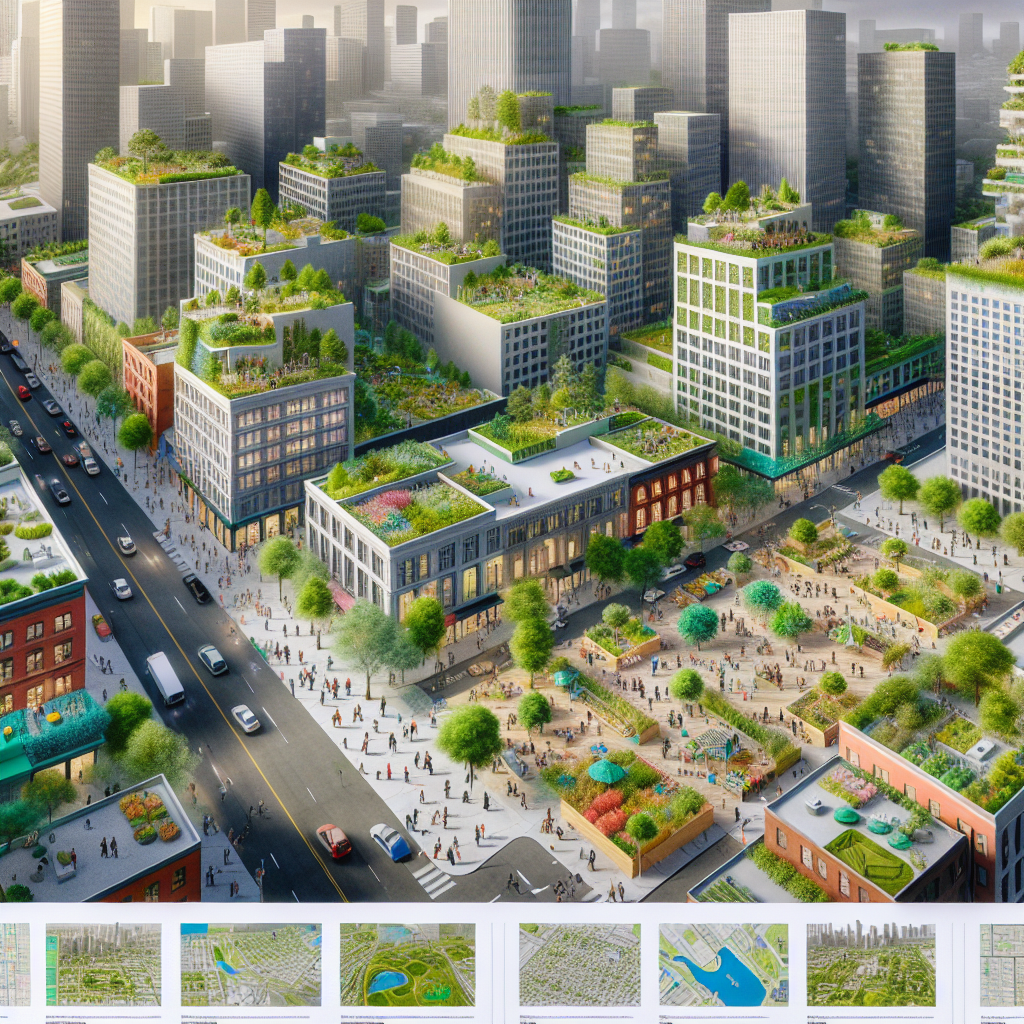
Urban planning is an essential aspect of developing sustainable cities. With growing populations and increasing environmental concerns, it’s becoming crucial for cities to adopt green infrastructure. This approach not only enhances the urban environment but also addresses issues like air quality, climate resilience, and public health. Green infrastructure involves incorporating natural elements into urban areas, such as parks, green roofs, and permeable pavements. This article will delve into the benefits and challenges associated with integrating green infrastructure into urban planning, providing a comprehensive overview of its impact on modern cities.
Green infrastructure is not just a cosmetic addition to urban landscapes; it fundamentally transforms how cities operate and interact with the environment. Cities around the world are beginning to recognize the value of green spaces and natural solutions to urban problems. In addition to environmental benefits, green infrastructure also offers economic and social advantages. However, the implementation of such initiatives is not without its challenges. Urban planners must navigate a complex web of regulatory, financial, and logistical obstacles to make green infrastructure a reality.
In this article, we will explore the multifaceted benefits of green infrastructure, including its role in improving air quality, reducing urban heat islands, and enhancing the overall quality of life for residents. We will also discuss the various challenges that cities face in integrating green infrastructure into their planning processes, and offer insights into potential solutions. By understanding both the advantages and the hurdles, urban planners can develop more effective strategies for creating sustainable, livable cities.
As cities continue to expand and face the pressures of climate change, green infrastructure provides a viable path toward sustainability. The following sections will provide an in-depth look at the specific benefits and challenges of urban green infrastructure, supported by real-world examples and expert insights.
Environmental Benefits of Green Infrastructure
One of the most significant benefits of green infrastructure is its positive impact on the environment. Green infrastructure can mitigate the effects of climate change by reducing greenhouse gas emissions and increasing carbon sequestration. Urban trees and vegetation absorb carbon dioxide, reducing the overall carbon footprint of the city. Additionally, green roofs and walls help to insulate buildings, lowering energy consumption for heating and cooling.
Green infrastructure also plays a crucial role in improving air quality. Plants and trees filter out pollutants and particulates from the air, making it cleaner and healthier for residents. This is particularly important in densely populated urban areas where air pollution is a major health concern. By enhancing the urban canopy, cities can significantly reduce the concentration of harmful pollutants in the air.
Another key environmental benefit is the management of stormwater. Traditional urban surfaces, such as concrete and asphalt, are impermeable and lead to significant runoff during heavy rainstorms. This runoff can overwhelm drainage systems and lead to flooding. Green infrastructure solutions, such as permeable pavements and rain gardens, allow water to infiltrate the ground, reducing runoff and decreasing the risk of floods. These systems also help to filter pollutants from the water, improving the quality of local water bodies.
Furthermore, green infrastructure enhances biodiversity in urban areas. Parks, green roofs, and other vegetated spaces provide habitats for various species of plants, birds, insects, and other wildlife. This increase in biodiversity contributes to the overall ecological health of the city and creates more resilient urban ecosystems. By prioritizing green infrastructure, cities can support a diverse range of species and promote ecological balance.
Economic and Social Benefits
Beyond environmental advantages, green infrastructure also offers substantial economic and social benefits. One of the most direct economic benefits is the potential for energy savings. As mentioned earlier, green roofs and walls help to insulate buildings, reducing the need for heating in the winter and air conditioning in the summer. This leads to lower energy bills for residents and businesses, contributing to overall cost savings.
Property values can also see a positive impact from green infrastructure. Studies have shown that properties closer to green spaces, such as parks and community gardens, tend to have higher values than those without such amenities. This increase in property value can boost local tax revenues, providing additional funds for further urban development initiatives.
On the social side, green infrastructure can significantly enhance the quality of life for urban residents. Green spaces provide areas for recreation, relaxation, and social interaction. They offer a refuge from the hustle and bustle of city life, promoting mental health and well-being. Public parks and community gardens can become focal points for neighborhood activities, strengthening social ties and fostering a sense of community.
Furthermore, the implementation of green infrastructure projects can create job opportunities. The design, construction, and maintenance of these green spaces require skilled labor, ranging from landscape architects to horticulturists. This can lead to job creation and boost local economies. Additionally, green infrastructure projects often involve community participation, providing opportunities for residents to engage in meaningful work and stewardship of their local environment.
Challenges of Implementing Green Infrastructure
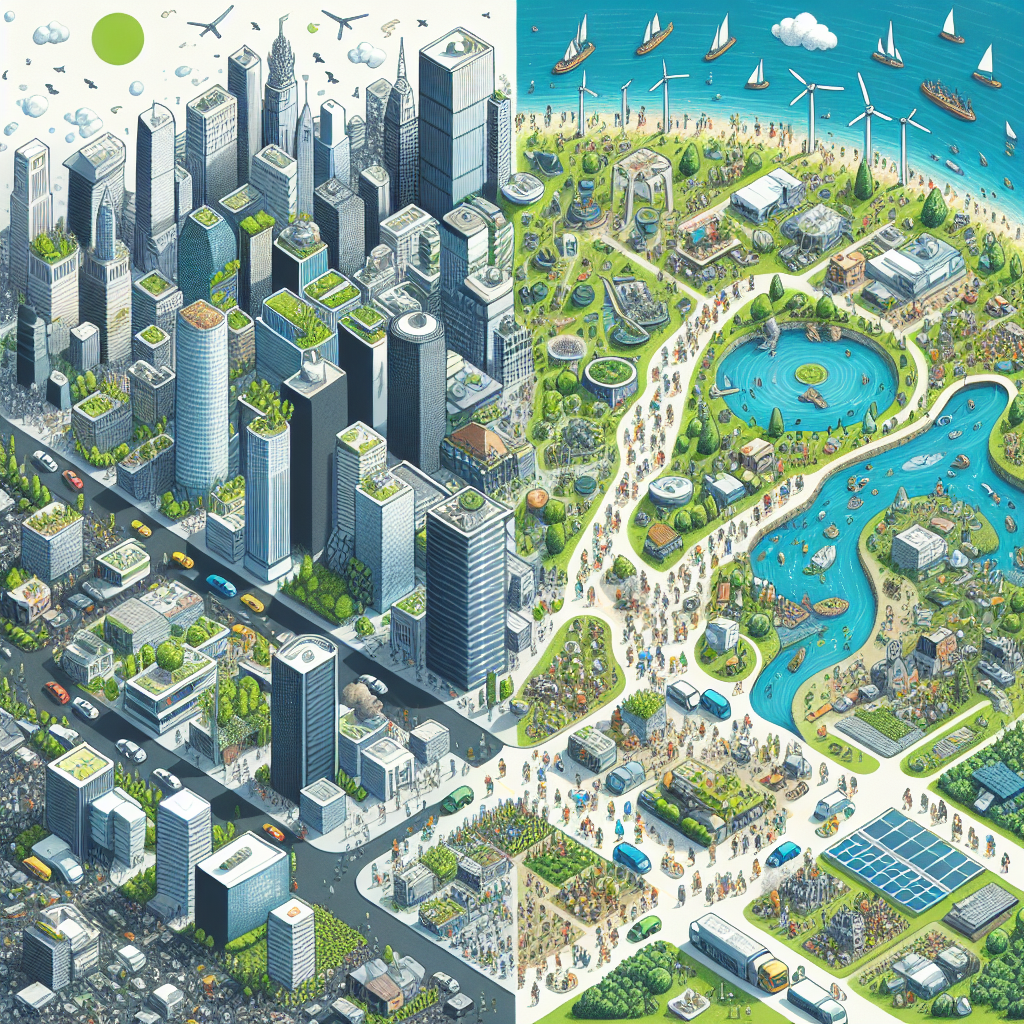
Despite the clear benefits, there are several challenges associated with implementing green infrastructure in urban areas. One of the primary obstacles is funding. Green infrastructure projects can require significant upfront investment, which can be a barrier for cash-strapped municipalities. Securing funding from government grants, private investments, and public-private partnerships is crucial for the successful implementation of these projects.
Another challenge is the integration of green infrastructure into existing urban landscapes. Retrofitting cities with green solutions can be complex and costly, particularly in densely built environments. Urban planners need to carefully consider the spatial and logistical constraints of their cities and develop innovative solutions to incorporate green spaces without disrupting existing infrastructure.
Maintenance is also a critical concern. Unlike traditional infrastructure, green infrastructure requires ongoing care and management. Ensuring that green spaces remain healthy and functional necessitates regular maintenance, such as watering, pruning, and pest control. Municipalities need to allocate sufficient resources and staff to maintain these green assets over the long term.
Additionally, there can be regulatory and bureaucratic hurdles to overcome. Implementing green infrastructure often involves navigating a complex web of regulations, permits, and zoning laws. Urban planners must work collaboratively with various stakeholders, including government agencies, private developers, and community groups, to ensure that green infrastructure projects comply with all relevant regulations and receive the necessary approvals.
Case Studies of Green Infrastructure in Urban Areas
Examining case studies of successful green infrastructure projects can provide valuable insights and inspiration for urban planners. One notable example is the High Line in New York City. This elevated linear park, built on a former railway line, has become a celebrated urban green space, attracting millions of visitors each year. The High Line has revitalized the surrounding neighborhoods, increased property values, and provided a unique recreational space for residents and tourists alike.
Another example is the Green Roof Initiative in Chicago, which has seen the installation of green roofs on numerous buildings across the city. These green roofs help to reduce the urban heat island effect, provide insulation, and manage stormwater. The initiative has not only improved the city’s environmental performance but also created a more aesthetically pleasing skyline.
In Singapore, the Gardens by the Bay project showcases the potential of integrating green infrastructure on a grand scale. This 101-hectare nature park features towering “Supertree” structures, extensive gardens, and conservatories. Gardens by the Bay serves as a biodiversity hotspot, a tourist attraction, and an example of how modern engineering can harmonize with natural landscapes.
These case studies highlight the potential of green infrastructure to transform urban environments. By studying these and other examples, urban planners can learn valuable lessons and apply best practices to their own cities, tailoring solutions to fit local contexts and needs.
Future Trends in Green Infrastructure
As cities continue to evolve, the future of green infrastructure looks promising. Innovative technologies and design approaches are expanding the possibilities for green urban development. One emerging trend is the integration of smart technologies with green infrastructure. For example, sensors and data analytics can monitor the health and performance of green spaces in real-time, enabling more efficient maintenance and management.
Another trend is the focus on multi-functional green spaces. Urban planners are increasingly designing green infrastructure to serve multiple purposes, such as combining recreational spaces with stormwater management systems. These multi-functional designs maximize the utility of limited urban space and provide more comprehensive benefits to residents.
There is also a growing emphasis on community involvement in green infrastructure projects. Engaging local communities in the planning, design, and maintenance of green spaces fosters a sense of ownership and stewardship. Community-led initiatives, such as community gardens and neighborhood green spaces, can play a pivotal role in enhancing urban green infrastructure.
As climate change continues to pose challenges for cities, there is an increasing recognition of the need for resilient and adaptive green infrastructure. Urban planners are focusing on designing green spaces that can withstand extreme weather events, such as droughts and floods. This includes selecting resilient plant species, incorporating flexible design elements, and creating green spaces that can absorb and recover from environmental stresses.
Conclusion
Urban planning for green infrastructure offers a multitude of benefits, ranging from environmental improvements to economic and social advantages. By incorporating natural elements into urban spaces, cities can become more sustainable, resilient, and enjoyable for residents. However, the implementation of green infrastructure is not without its challenges. Securing funding, navigating regulatory hurdles, and ensuring ongoing maintenance require careful planning and collaboration among stakeholders.
Despite these challenges, the successful examples of green infrastructure projects around the world demonstrate the potential for transformative change. Cities that prioritize green infrastructure can enhance the quality of life for their residents, create healthier environments, and promote economic vitality. As urban populations continue to grow and climate change impacts intensify, the importance of green infrastructure will only become more pronounced.
Looking to the future, advancements in technology and design, coupled with increased community involvement, will drive the evolution of green infrastructure. Urban planners must stay informed about emerging trends, best practices, and innovative solutions to effectively integrate green infrastructure into their cities. By doing so, they can create urban environments that are not only sustainable but also vibrant and thriving.
In conclusion, green infrastructure represents a vital component of modern urban planning. The benefits far outweigh the challenges, making it a worthwhile investment for cities aiming to build a sustainable future. By embracing green infrastructure, urban planners can pave the way for more resilient, livable, and prosperous cities for generations to come.
Frequently Asked Questions
1. What exactly is green infrastructure in urban planning?
Green infrastructure refers to a network of natural and semi-natural features that provide environmental, economic, and social benefits. In the context of urban planning, it involves the integration of natural elements like parks, green roofs, permeable pavements, bioswales, community gardens, and street trees into the city fabric. The aim of green infrastructure is not only to bring nature into city settings but also to enhance the quality of life by addressing urban challenges such as stormwater management, heat island effect, air pollution, and loss of biodiversity. For instance, a park can act as an urban oasis providing recreational space for people while also contributing to air filtration and habitat creation for urban wildlife. This multifaceted approach makes green infrastructure a smart and sustainable solution for modern cities.
2. What are the primary benefits of green infrastructure in urban areas?
The benefits of green infrastructure are vast and varied, making it a vital component of any urban planning strategy. Primarily, it enhances urban resilience to climate change by moderating temperatures and managing stormwater runoff, reducing the risk and impact of flooding. It contributes significantly to improving air quality by filtering pollutants and producing oxygen, which also positively affects public health. Green spaces promote biodiversity by providing habitats for various species, contributing to ecological richness. From a social perspective, green infrastructure creates aesthetically pleasing environments that enhance human well-being, reduce stress, and encourage physical activity. Economically, it can increase property values and attract tourism and business investments. Furthermore, green infrastructure initiatives create job opportunities, especially in design, construction, and maintenance sectors.
3. How can green infrastructure contribute to climate resilience?
Green infrastructure plays a crucial role in enhancing a city’s resilience to climate-related impacts. As climate change leads to more frequent and intense weather events, urban areas face increased risks from heat waves, heavy precipitation, and flooding. Green infrastructure addresses these challenges by utilizing natural processes to mitigate their effects. For instance, green roofs and trees provide shade and evaporative cooling, reducing temperatures in urban areas and mitigating the urban heat island effect. This can significantly lower heat-related illnesses and decrease energy demand for cooling buildings. Moreover, permeable surfaces such as porous pavements and bioswales aid in managing stormwater by absorbing rainfall, reducing surface runoff, and decreasing flood risk. By fostering natural water cycles, green infrastructure builds urban resilience, helping cities to adapt to and recover swiftly from weather extremes, thereby safeguarding human populations and infrastructures.
4. What challenges do cities face when implementing green infrastructure?
Despite its numerous benefits, the implementation of green infrastructure in urban areas presents several challenges. A major issue is the upfront cost, as designing and constructing green infrastructure can be expensive compared to traditional grey infrastructure, though it can often be more cost-effective in the long term due to reduced maintenance costs and increased environmental benefits. Additionally, there may be limited space available in densely populated cities, complicating the integration of large green spaces. There could also be a lack of political and public support, fueled by insufficient understanding of green infrastructure’s benefits. Moreover, the maintenance of these green features requires specialized knowledge and skills that might not be readily available. Cities may also face regulatory hurdles and need to overcome institutional silos linking different city departments that traditionally manage infrastructure separately. Addressing these challenges requires strategic planning, comprehensive community engagement, and coordinated policy action to ensure successful implementation and lasting impact.
5. How can communities support urban green infrastructure initiatives?
Communities play a pivotal role in the successful implementation of green infrastructure projects within urban settings. Local residents can support these initiatives by engaging in community consultations and advocating for policies and projects that incorporate green infrastructure. Organizing and participating in local clean-up events or tree-planting drives are practical ways to contribute. As well, forming community gardens or participating in citizen science projects related to biodiversity can foster stronger connections with local ecosystems. Engaging with local policymakers by attending meetings or joining relevant committees can also help keep green infrastructure high on the urban agenda. Communities can further promote awareness and educate others on the benefits of green infrastructure through social media campaigns, workshops, and environmental education programs in schools. By taking these proactive steps, communities can not only support but also drive the green transformation of urban environments.


