
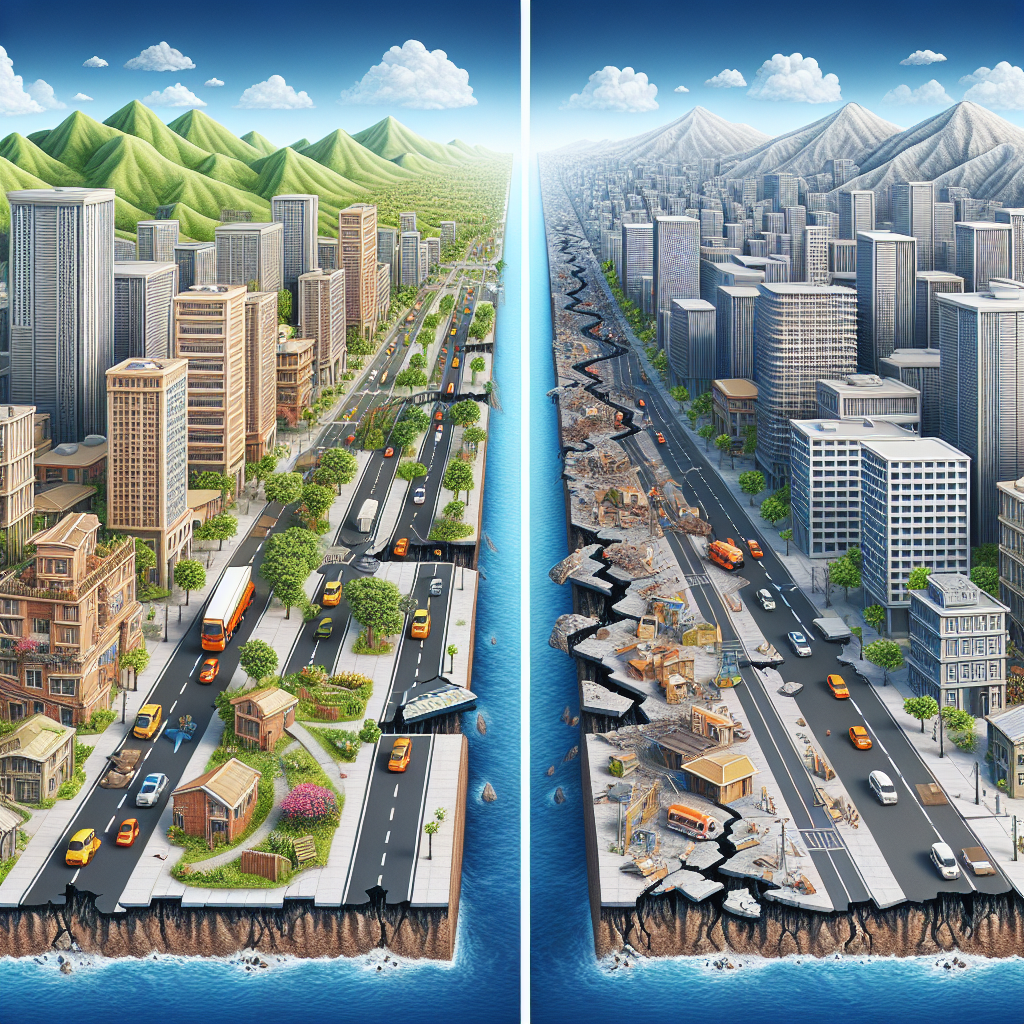
Urban planning plays a crucial role in the development and sustainability of cities worldwide. Effective urban planning not only addresses the basic needs of a city’s inhabitants but also prepares the community to recover swiftly and efficiently from natural disasters. Natural disasters such as earthquakes, hurricanes, floods, and wildfires can wreak havoc on urban settlements, leading to the destruction of infrastructure, loss of lives, and massive economic setbacks. Hence, incorporating disaster management strategies into urban planning is imperative.
The consequences of inadequate urban planning are glaringly evident in the aftermath of a natural disaster. Poorly designed infrastructure, lack of emergency services, and insufficient evacuation routes can significantly hinder disaster recovery efforts. Conversely, cities that have integrated comprehensive urban planning with disaster risk management often demonstrate greater resilience and quicker recovery post-disaster.
This article delves into the integral aspects of urban planning that impact disaster recovery. From zoning laws to resilient infrastructure and community engagement, various elements work in tandem to fortify a city’s ability to withstand and recover from natural calamities. Understanding these elements can provide valuable insights for policy-makers, urban planners, and stakeholders committed to building disaster-resilient cities.
Urban Zoning and Land Use Planning
Urban zoning and land use planning are foundational components of urban planning that significantly influence disaster recovery. Zoning laws dictate how land within a city is divided and utilized, ensuring that residential, commercial, agricultural, and industrial areas are appropriately allocated. Proper zoning can mitigate the impact of natural disasters by preventing the proliferation of settlements in high-risk areas such as floodplains, earthquake fault lines, and regions prone to landslides or wildfires.
Effective land use planning involves a comprehensive assessment of a city’s geography, climate, and potential natural hazards. For example, cities situated along coastlines must consider the risks of hurricanes and sea-level rise, while those in seismically active zones should prioritize earthquake-resistant infrastructure. By mapping out hazard-prone zones and restricting development in these areas, urban planners can reduce the vulnerability of communities and enhance their capacity for recovery.
Moreover, modern technology and Geographic Information Systems (GIS) have revolutionized urban zoning. Planners can now efficiently analyze vast amounts of data to inform their decisions, ensuring that land use plans are both sustainable and resilient. This proactive approach not only safeguards lives and property but also streamlines disaster recovery efforts by minimizing the extent of damage.
Resilient Infrastructure
Resilient infrastructure is a critical aspect of urban planning that directly impacts disaster recovery. Resilience refers to the ability of buildings, roads, bridges, and other built environments to withstand and quickly recover from natural disasters. Investing in resilient infrastructure can significantly reduce the severity of disasters’ consequences.
One key element of resilient infrastructure is the incorporation of building codes that mandate disaster-resistant construction practices. These codes set standards for materials, design, and construction methods to ensure structures can endure specific types of natural disasters. For instance, buildings in hurricane-prone areas might be required to have reinforced roofs and impact-resistant windows, while those in earthquake-prone regions should incorporate flexible structures capable of absorbing seismic shocks.
In addition to buildings, resilient infrastructure extends to critical systems such as water supply, sewage, electricity, and transportation networks. Ensuring these systems are robust and redundant can prevent cascading failures during a disaster, allowing for quicker recovery. For example, having multiple water supply sources and backup generators can maintain essential services even when primary systems are compromised.
Furthermore, green infrastructure solutions, such as the development of parks, green roofs, and permeable pavements, can enhance resilience by managing stormwater, reducing urban heat islands, and providing recreational spaces that double as emergency shelters. By integrating these resilient infrastructure solutions into urban planning, cities can better withstand natural disasters and expedite recovery processes.
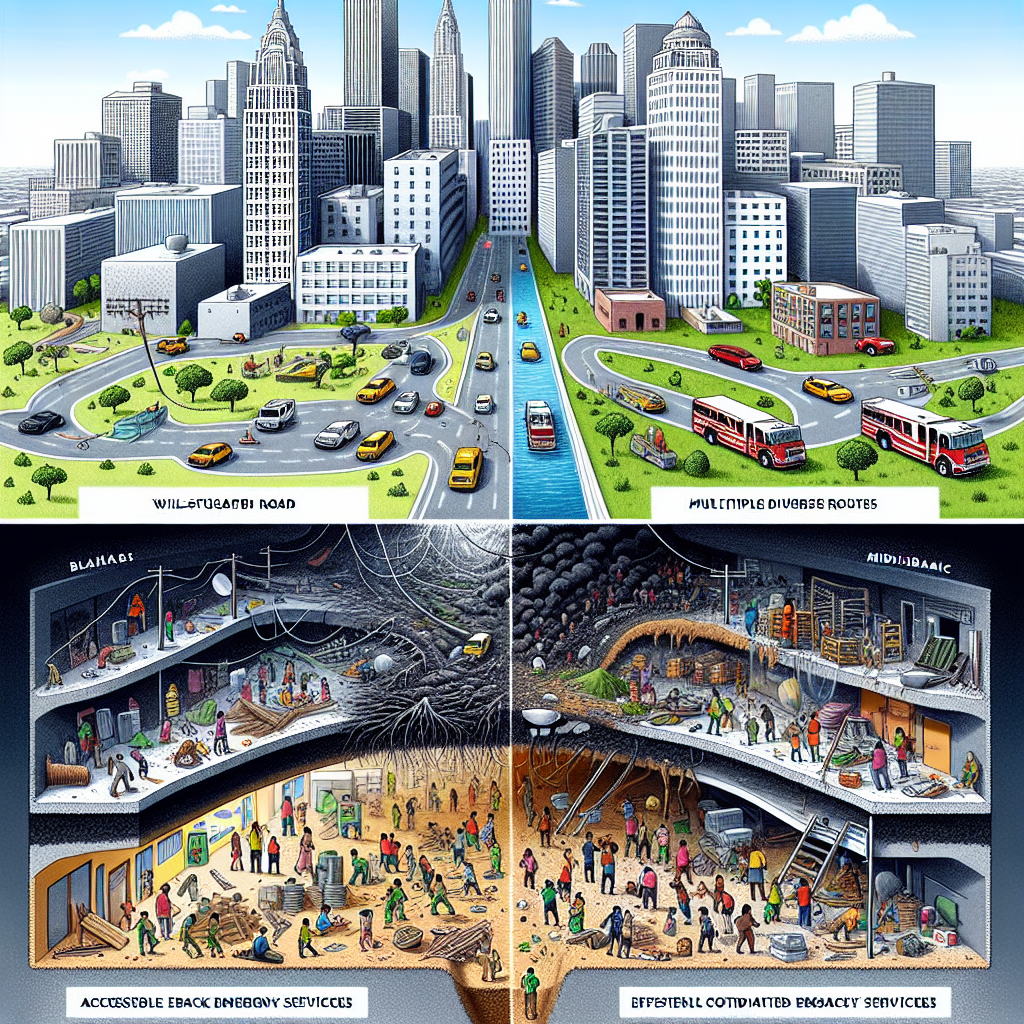
Emergency Preparedness and Response Planning
An effective urban planning strategy must encompass comprehensive emergency preparedness and response planning. This involves creating and implementing plans that outline how to respond to various types of natural disasters, ensuring that resources and personnel are efficiently mobilized when needed.
Emergency preparedness starts with raising public awareness about potential risks and educating communities on how to react during a disaster. This can be achieved through regular drills, workshops, and public information campaigns. Ensuring that residents know evacuation routes, emergency contact numbers, and safe zones can significantly reduce panic and improve response times during an emergency.
Response planning also involves the coordination of emergency services such as police, fire departments, medical teams, and search and rescue operations. Establishing clear communication channels and command structures ensures that these services work synergistically to address the immediate needs of affected populations. Urban planners can facilitate this by designing city layouts that allow for quick and unobstructed access to all areas, especially high-risk zones.
Moreover, maintaining contingency plans for mass evacuations and temporary shelters is crucial. Cities should have predefined locations for shelters equipped with essential supplies such as food, water, medical supplies, and sanitation facilities. Regularly updating and rehearsing these plans can significantly enhance a city’s ability to respond effectively to a natural disaster and expedite recovery.
Community Engagement and Participation
Community engagement is a vital element in the success of urban planning efforts, particularly regarding natural disaster recovery. Engaging residents in planning and preparedness initiatives fosters a sense of ownership and increases their commitment to disaster risk reduction.
Involving the community in the planning process begins with participatory approaches, where residents contribute to identifying risks, setting priorities, and designing solutions. This can be achieved through public meetings, workshops, and neighborhood associations. By listening to community feedback, urban planners can create more inclusive and effective disaster management strategies that cater to the unique needs of different neighborhoods.
Additionally, building resilient communities involves encouraging the formation of local support networks and volunteer groups. These networks can provide immediate assistance during a disaster, helping to bridge the gap until professional responders arrive. Volunteering initiatives, such as Community Emergency Response Teams (CERT), can empower residents with the skills and knowledge to contribute meaningfully to disaster recovery efforts.
Integrating traditional knowledge and practices into modern urban planning is another way to enhance community engagement. Many communities possess valuable insights and coping mechanisms passed down through generations that can complement contemporary disaster management strategies. By valuing and incorporating this local knowledge, urban planners can develop more culturally relevant and accepted plans, strengthening overall community resilience.
Policy and Governance
Sound policy and governance frameworks are fundamental to the success of urban planning initiatives aimed at improving disaster recovery. Government policies and regulations set the stage for all other planning activities, ensuring that they are aligned with broader national and regional objectives.
Effective governance involves establishing clear roles and responsibilities for various government agencies, ensuring there is no ambiguity or overlap during a disaster. Coordination between federal, state, and local governments is paramount, as it ensures that resources and information flow smoothly between different levels of governance. This can be facilitated by creating interagency committees and task forces dedicated to disaster management.
Policy frameworks should also incorporate incentives for private sector participation in disaster risk reduction. This can include tax breaks, grants, and other forms of financial support for businesses that invest in resilient infrastructure or contribute to community preparedness initiatives. Public-private partnerships can be particularly effective in fostering innovation and leveraging resources for disaster recovery.
Furthermore, establishing transparent monitoring and evaluation mechanisms is essential for assessing the efficacy of urban planning and disaster recovery efforts. Regular audits, assessments, and feedback loops can help identify gaps and areas for improvement, ensuring that policies and plans remain dynamic and responsive to emerging risks.
Conclusion
The impact of urban planning on natural disaster recovery cannot be overstated. From strategic zoning and resilient infrastructure to comprehensive emergency response plans and active community engagement, a multifaceted approach is required to fortify cities against the ravages of natural disasters. By proactively integrating these elements into urban planning, cities can significantly reduce their vulnerability and enhance their ability to recover swiftly and efficiently from natural catastrophes.
Policy-makers, urban planners, and stakeholders must recognize the critical role urban planning plays in disaster preparedness and recovery. Collaborative efforts across various sectors and levels of governance, coupled with community participation, can create resilient urban environments that are better equipped to face the challenges posed by natural disasters. Ultimately, the goal is to build cities that are not only sustainable and livable but also capable of withstanding and bouncing back from the adverse impacts of natural calamities. Investing in disaster-resilient urban planning today is an investment in a safer, more secure future for all.
Frequently Asked Questions
1. How does urban planning contribute to natural disaster recovery?
Urban planning is integral to natural disaster recovery as it lays the foundation for resilient infrastructure, efficient emergency services, and strategic land use that can mitigate disaster impacts. By thoughtfully designing cities with redundancy and flexibility, urban planners can ensure that critical services like healthcare, communication, and transportation remain operational during a disaster. Moreover, urban planning involves risk assessments and zoning laws that prevent the development of vulnerable areas, thus reducing potential damage. By constructing buildings with disaster-resistant materials and enforcing building codes, cities become more durable against nature’s forces. Additionally, urban planners work with community leaders and citizens to educate and prepare them for disasters, instilling a sense of readiness and facilitating quicker recovery.
2. What are some specific urban planning strategies used to improve recovery from natural disasters?
Several strategies are employed in urban planning to enhance disaster recovery. One essential method is land use planning, which involves designating specific zones for varied activities such as residential, commercial, and industrial use, ensuring that high-risk areas like floodplains are avoided for critical infrastructure. Planners also focus on diversifying transportation networks to ensure people can evacuate quickly and emergency services can reach affected areas effectively. Green infrastructure is another strategy, involving the integration of parks, green roofs, and permeable surfaces to absorb rainwater and reduce flood risks. Additionally, urban planning emphasizes the retrofitting of existing structures to improve their resilience against earthquakes and hurricanes. Disaster simulations and community drills are regularly organized to prepare residents, ensuring that everyone knows their role and the most efficient evacuation routes.
3. Why is it important to incorporate disaster readiness into urban planning?
Incorporating disaster readiness into urban planning is crucial because it helps minimize the impacts of natural disasters on both lives and property. When disaster readiness is embedded in city design, it empowers communities with the tools and knowledge required for survival and recovery. This proactive approach reduces the financial burden of post-disaster recovery, making city management more sustainable in the long run. Furthermore, it fosters a sense of security among residents, which can attract businesses and investments, knowing that the area is prepared for potential calamities. Urban planning that prioritizes disaster readiness also ensures a community-oriented approach, where stakeholders are involved in decision-making, creating a more cohesive and cooperative environment during emergency situations.
4. Can urban planning reduce the economic impacts of natural disasters?
Yes, effective urban planning can significantly reduce the economic impacts of natural disasters. By ensuring robust infrastructure and efficient land-use strategies, urban planners can prevent or at least minimize damage to properties and essential services, thereby lowering repair and replacement costs. Strategic planning for economic resilience involves diversifying the economy and incorporating buffer zones in financial planning to manage unexpected expenses post-disaster. Urban planners aim to create a city architecture that remains functional even after a disaster, which means businesses can resume operations quickly, lessening the overall economic disruption. Moreover, by preserving vital ecosystems like wetlands and forests, urban planning contributes to natural flood controls that protect major city investments. Planners also work to create insurance frameworks and financial incentives for disaster-proof building practices, which further cushions the economic blow of such adverse events.
5. How does urban planning enhance community resilience in the face of natural disasters?
Urban planning enhances community resilience by creating a structured approach to managing natural disaster risks. It builds stronger infrastructures and community ties that endure the test of calamities. By involving local communities in planning processes, urban planners develop trust and ensure that recovery plans are well-suited to the needs and characteristics of the population. This participatory approach ensures that resources are mobilized efficiently during recovery efforts. Urban planners facilitate the development of a robust communication network that keeps residents informed and gives them access to vital resources during crises. Additionally, by planning for community spaces and shelters, urban planning ensures safe areas for congregation and aid distribution when disasters strike. Community resilience is also bolstered by incorporating adaptive management techniques, which allow cities to learn from each event, updating and improving recovery strategies continuously over time.


