The dynamic landscape of urban areas poses unique challenges for retail sectors, compelling a paradigm shift towards smarter, technology-driven solutions. The role of smart retail solutions in urban landscapes is increasingly essential as they revolutionize conventional retail practices by integrating advanced technology, enhancing efficiency, improving customer experience, and supporting sustainable business models. With the growing competitive nature of retail markets in densely populated cities, leveraging smart retail solutions is no longer optional but a necessity. These solutions are pivotal in addressing various urban retail challenges like space optimization, logistics, personalization of services, and integrating omnichannel experiences. Moreover, in areas with high population density, smart retail frameworks contribute to better crowd management, reduced transaction time, and higher customer satisfaction, essential components for thriving in urban environments. In this context, urban retail requires agile and adaptable solutions that can cater to evolving consumer demands and preferences with minimal inefficiencies. This holds significant relevance when considering the digital-savvy clientele present in most urban areas where shopping experiences need to align with modern consumer expectations. As urban populations grow, the role of smart retail solutions will only become more critical, thus making it imperative to delve into their diverse applications and the potential transformations they herald for urban retail landscapes.
The Rise of Smart Retail Solutions
Smart retail solutions emerged from the need to enhance the traditional retail framework by harnessing state-of-the-art technological advancements. At their core, these solutions employ a wide array of technologies such as Internet of Things (IoT), artificial intelligence (AI), augmented reality (AR), machine learning, and advanced data analytics. These tools collectively enable retailers to refine in-store experiences, optimize operational processes, and streamline inventory management. In urban settings, where competition is fierce and consumer expectations are continually escalating, smart retail solutions offer a valuable edge by bridging the gap between digital and physical shopping experiences. Unlike traditional retail models, they leverage real-time data processing to ensure that decision-making is not only faster but also more informed, allowing businesses to respond swiftly to market demands. The incessant connectivity provided by IoT ensures seamless correlation between various retail functions—from stock management via RFID tags to automated check-out systems—enhancing both speed and customer satisfaction significantly.
In-Store Innovations
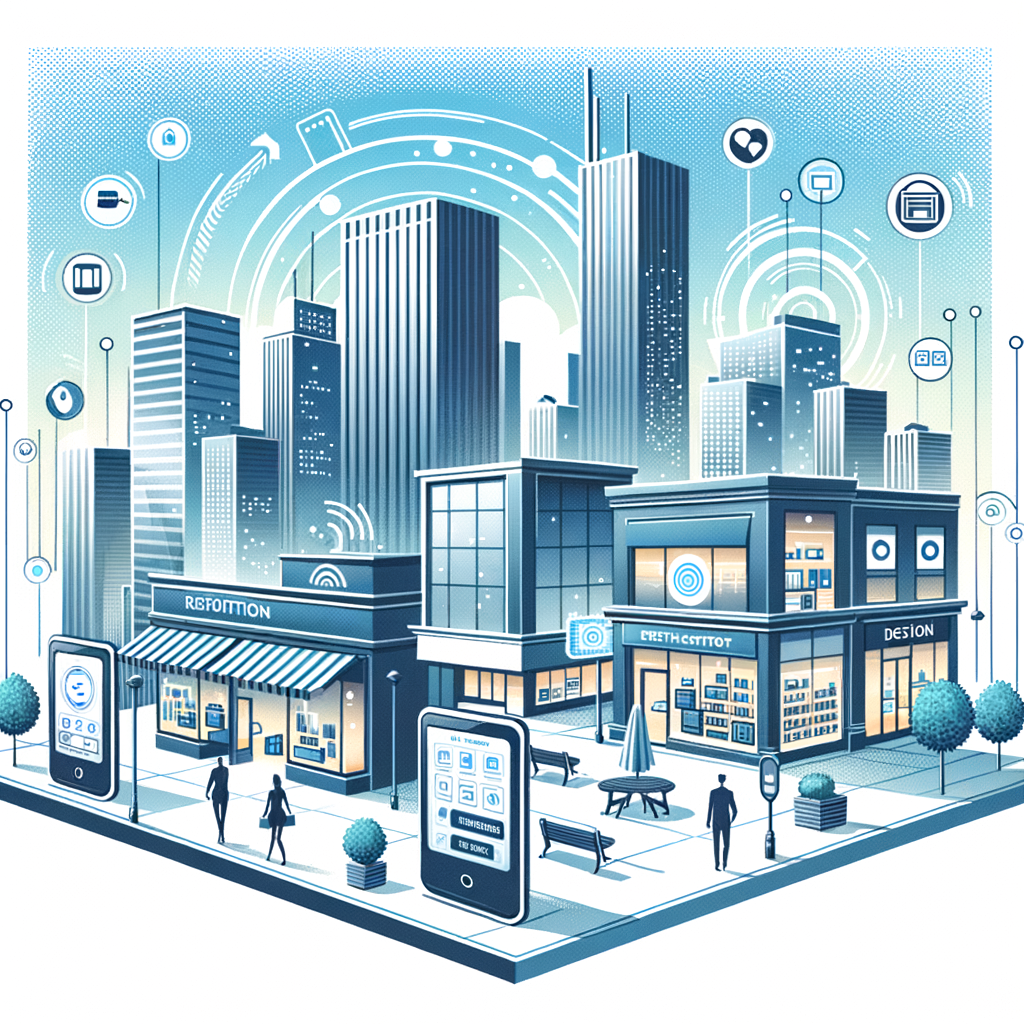
Technological innovations within stores are perhaps the most tangible elements of smart retail solutions in urban areas. Beacon technology, for instance, employs Bluetooth to detect nearby smartphones, allowing retailers to send targeted promotions, product information, or even engage customers with personalized experiences directly. This kind of innovation demonstrates significant potential in urban settings, where footfall is generally high and real estate is precious. By using space more effectively and reducing customer wait times, stores can serve more individuals efficiently. In addition, smart mirrors enriched with augmented reality offer an engaging try-before-you-buy experience, reducing the likelihood of returns which can be logistically challenging in congested urban environments. Furthermore, cashier-less checkout systems, employing AI and camera technologies, provide seamless shopping experiences by eliminating traditional bottlenecks at checkout counters, thereby enhancing operational efficiency and improving customer satisfaction levels. All these technologies contribute to a more efficient use of in-store space, enhancing both the customer journey and retailer throughput, which are critical in urban retail settings where the cost per square foot is always a consideration.
Data-Driven Insights and Personalization
A significant component of smart retail solutions is the use of data analytics to understand, predict, and respond to consumer behavior patterns. Urban retail settings, characterized by diverse demographics and purchase behaviors, dramatically benefit from these capabilities. By accumulating data from various touchpoints, such as in-store interactions, online activities, and purchase histories, retailers can create highly personalized shopping experiences. Customized marketing and promotions not only enhance consumer satisfaction by making shoppers feel valued, but they also augment customer loyalty. Furthermore, analytics enable retailers to dynamically adjust their stock, optimize assortment, and effectively manage demand forecasts in urban markets. This anticipatory approach mitigates the risk of overstocking or stockouts, which can be particularly challenging within bustling city environments where logistical constraints are a common issue. In essence, smart retail solutions enhance decision-making accuracy and precision, empowering retailers to cater to urban shoppers’ needs more effectively while optimizing internal resource utilization.
E-Commerce and Omnichannel Integration
The advent of e-commerce has redefined retail, requiring urban retailers to embrace omnichannel approaches to stay competitive. Smart retail solutions facilitate seamless integration of online and offline channels, ensuring a consistent and cohesive shopping experience. Through advanced inventory management systems, real-time data sharing, and analytics, retailers can provide flexible purchasing options, such as click-and-collect services, prevalent in urban markets where consumers prioritize convenience and time savings. Additionally, features like virtual storefronts enable traditional retailers to reach customers without geographical constraints, extending their market reach and ensuring comprehensive service coverage. Omnichannel strategies supported by smart retail solutions allow retailers to engage with consumers across various platforms, thereby fostering a balanced and versatile shopping ecosystem that reduces friction and elevates the urban shopping experience.
Sustainability and Efficiency
Integrating smart solutions in retail not only enhances business efficiency but also supports sustainable practices, a vital consideration given the environmental concerns prevalent in urban areas. Automation in inventory management can drastically reduce waste by ensuring products are stocked appropriately, based on accurate demand forecasts. Furthermore, smart logistics solutions optimize delivery and supply chain routes, reducing carbon footprints through efficient transportation. Additionally, technologies like smart lighting and energy-efficient systems contribute to reducing a store’s energy consumption, aligning with sustainable urban development goals. By adopting energy-saving practices and committing to environmentally conscious operations, retailers can meet regulatory requirements and appeal to the increasing number of eco-conscious consumers typically found in urban locales. The operational efficiency achieved through smart retail solutions thus promotes sustainability, addressing key priorities for both retailers and consumers in city settings.
Challenges and Considerations
Despite their many advantages, implementing smart retail solutions in urban areas comes with its set of challenges. It necessitates significant initial investment in technology infrastructure, which may be a deterrent for smaller retail enterprises. Furthermore, ensuring data security and consumer privacy is a fundamental concern due to the extensive data collection that smart retail solutions require. Retailers must navigate stringent legal and ethical guidelines regarding data usage to maintain consumer trust and mitigate potential backlash. Integration of new technologies with existing systems is another challenge, mandating strategic planning and expertise to ensure a smooth transition without disrupting business operations. Additionally, staff training on utilizing these advanced technologies is crucial to realize their full potential, which can entail substantial time and resource investments. Therefore, while the transition to smart retail promises numerous benefits, it requires mindful consideration and strategic planning to effectively overcome these obstacles and ensure successful implementation in urban areas.
Conclusion
Urban areas are dynamic ecosystems that demand equally dynamic retail solutions to address their unique challenges and capitalize on their opportunities. Smart retail solutions play an indispensable role in transforming the urban retail landscape by integrating technology to enhance customer experiences, optimize operations, and promote sustainability. By harnessing the power of data, personalization, and digital integration, these solutions empower retailers to efficiently meet diverse consumer demands while maintaining competitive advantage in city markets. However, transitioning to smart solutions is not without its challenges, requiring careful management of financial investments, data protection, and technological integration. Despite these barriers, the potential benefits of adopting smart retail solutions far outweigh these concerns, offering improved service delivery, streamlined operations, and increased consumer satisfaction in urban locales. As urban populations continue to expand and consumer expectations evolve, the role of smart retail solutions will become even more critical in shaping the future of urban retail, ensuring that businesses not only survive but thrive in the ever-changing metropolitan business environment. Understanding and embracing these digital advancements is essential for any retailer looking to establish a sustainable and prosperous presence in the heart of urban areas, preparing them for the next wave of retail innovation.