In the age of rapid technological advancements, smart cities stand at the forefront of urban innovation. With increasing urbanization, cities worldwide are facing diverse challenges, necessitating the adoption of cutting-edge technologies to enhance efficiency, sustainability, and livability. Among these technologies, Augmented Reality (AR) has emerged as a powerful tool poised to revolutionize smart city services. AR’s capacity to overlay digital content onto the real world presents unique opportunities to transform urban landscapes and public services. As cities evolve into dynamic hubs of technology, integrating AR into their fabric can lead to significant improvements in public safety, infrastructure maintenance, citizen engagement, tourism, and more. Through this article, we explore the multifaceted role of AR in smart city services and its potential to redefine urban living.
Augmented Reality’s applications in smart cities extend beyond mere novelty to foundational infrastructure changes. By providing a digital layer over physical environments, AR can significantly enhance how city officials, developers, and residents interact with urban spaces. From visualizing data overlays on public infrastructure to enhancing mobility systems, AR holds the promise of making city life more intuitive and accessible. In this increasingly interconnected world, the role of AR in smart city services is poised to become vital. As cities continue to grow and evolve, the integration of AR presents opportunities for sustainable development, operational efficiency, and increased quality of life. This exploration into AR’s role within smart cities unveils the profound impact it can have on the future of urban living, portraying a vision where technology seamlessly integrates into the cultural, social, and economic fabric of urban environments.
The Integration of Augmented Reality in Infrastructure Maintenance
Infrastructure maintenance is a critical component of smart city operations. Augmented Reality offers transformative solutions that improve efficiency, accuracy, and cost management. Traditional methods of infrastructure assessment and maintenance often require manual inspections and significant resources. AR technology provides a game-changing alternative by enabling technicians and engineers to visualize subsurface structures or complex schematics superimposed on equipment in real-time. For instance, AR applications can allow maintenance workers to see through layers of concrete or visualize utilities such as gas lines or electrical cables, minimizing the risk of accidental damage during repairs or upgrades.
AR can also streamline the maintenance process through real-time feedback and instructions. By using AR glasses or mobile devices, workers receive step-by-step guidance directly on their screens or lenses, which increases their effectiveness and reduces training time. Such features not only improve operational efficiency but also enhance worker safety by offering immediate access to crucial information and hazard alerts. The integration of AR into infrastructure maintenance thus represents a major leap forward in managing urban facilities, reducing downtime, and preventing costly disruptions caused by maintenance errors.
Enhancing Public Safety and Emergency Services
Public safety is a paramount concern for any urban environment. The use of Augmented Reality can significantly enhance emergency response systems and overall urban safety. In the realm of emergency services, AR can provide first responders with instant access to critical data such as building layouts or hazards. Through AR interfaces, emergency personnel can visualize evacuation routes directly superimposed on their environment, facilitating more effective rescue operations. AR enables first responders to have an enhanced situational awareness, providing critical insights during high-pressure situations, which can be crucial for saving lives.
Moreover, AR can aid in crime prevention and monitoring. By integrating AR with existing surveillance systems, authorities can receive real-time alerts and overlays of suspect information or even predict potential threats through data analytics. This integration can empower law enforcement officers with unprecedented tools for proactive policing and rapid crime resolution. As criminal activities become more sophisticated, AR arms cities with advanced capabilities to stay ahead of potential risks, making urban environments safer and more secure for their inhabitants.
Facilitating Urban Mobility and Navigation
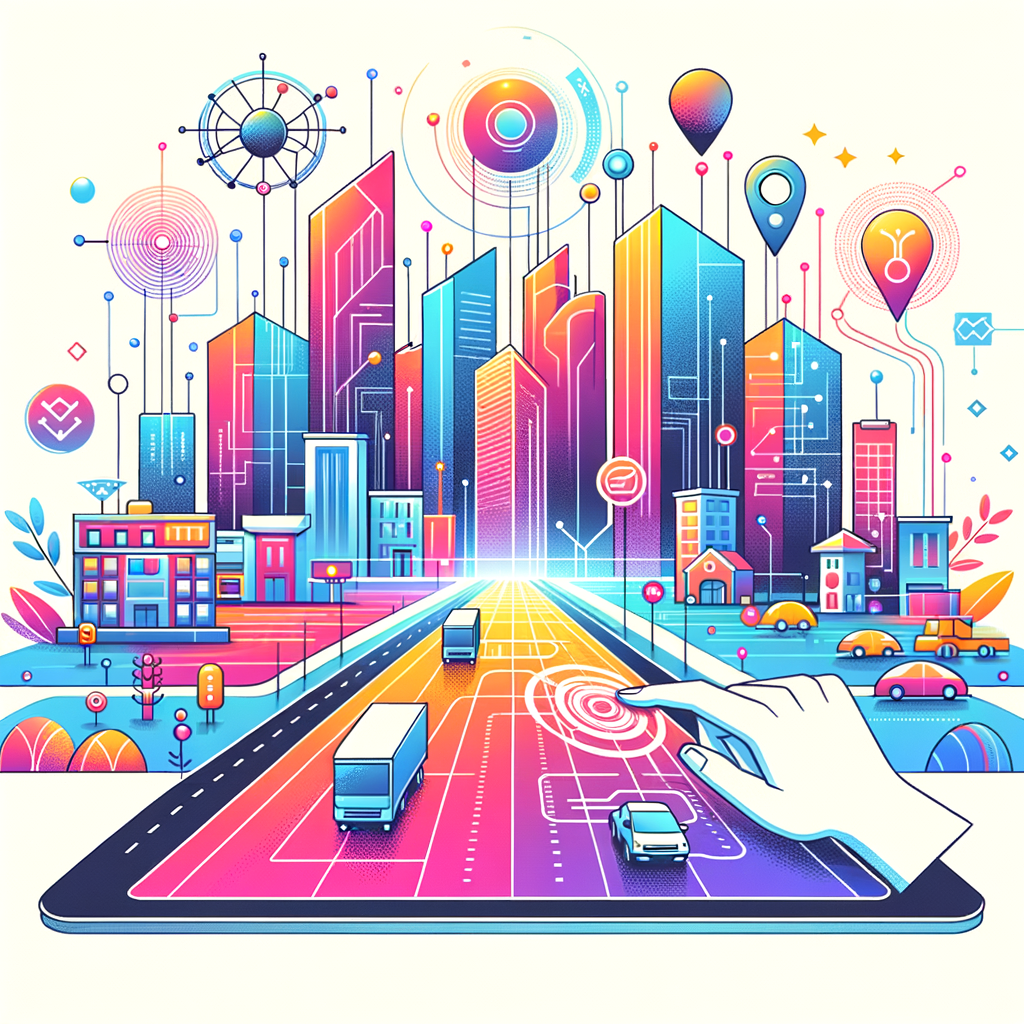
In smart cities, efficient transportation systems are essential for ensuring seamless mobility. Augmented Reality provides innovative solutions for enhancing navigation and transit experiences. AR applications can overlay directions onto real-world views, assisting drivers and pedestrians in navigating complex urban environments. This immersive guidance can lead to reduced travel times and minimize congestion by providing real-time traffic insights and alternative route suggestions.
For public transportation, AR can transform the commuter experience by providing interactive information at transit hubs and within vehicles. Passengers can access live schedule updates, service interruptions, or even interactive route maps via AR displays. This level of integration ensures that commuters are always informed and can plan their journeys more effectively. Additionally, AR can enhance accessibility features for differently-abled individuals by offering tailored navigation aids, thus ensuring that smart city mobility solutions are inclusive and cater to all citizens.
Engaging Citizens and Tourists through Augmented Reality
The engagement of residents and tourists is a vital aspect of a thriving urban atmosphere. Augmented Reality has the potential to revolutionize how city dwellers and visitors interact with their surroundings. Through AR applications, cities can offer immersive tours, where users can learn about historical sites, cultural landmarks, and urban art installations with interactive narratives overlaid on the actual locations. This enriched experience allows tourists to delve deeper into the city’s history and culture, promoting both tourism and local businesses.
Furthermore, AR empowers citizens to engage with public spaces and civic services in unprecedented ways. Cities can deploy AR platforms that facilitate citizen participation in urban planning and public consultations. Through these platforms, citizens can visualize proposed developments or policy impacts, offering informed feedback and fostering a stronger sense of community involvement. In doing so, AR bridges the gap between citizens and municipal decision-makers, ensuring that urban development aligns with community aspirations and values.
Promoting Sustainability and Environmental Awareness
Smart cities prioritize sustainability, aiming to reduce their carbon footprint and promote eco-friendly living. Augmented Reality can play a significant role in raising environmental awareness and supporting sustainable practices. Through AR applications, cities can educate residents about energy consumption, waste management, and sustainable transportation options. Overlaying data on energy usage or recycling statistics onto household environments or city streets can encourage individuals to make more environmentally conscious decisions.
AR can also enhance green urban planning by aiding in sustainable architectural designs and urban landscaping projects. Using AR, planners and architects can test various design scenarios to evaluate their environmental impact before implementation. This visualization helps in optimizing resource use, improving energy efficiency, and preserving natural environments within urban settings. By integrating AR technology into sustainability initiatives, cities can foster a more circular economy, advancing toward a greener, more resilient future.
The Future of Augmented Reality in Smart Cities
The trajectory of Augmented Reality within smart cities is poised for exponential growth. As AR technologies continue to advance, they will bring about new opportunities for enhancing the quality and efficiency of urban services. Innovations in AR hardware, such as lightweight headsets and advanced sensors, will further enhance its applicability across various urban sectors. Additionally, the integration of AR with other emerging technologies such as Artificial Intelligence (AI) and the Internet of Things (IoT) will amplify its impact on smart city services, creating more cohesive and responsive urban ecosystems.
Policy development and strategic collaboration among stakeholders will play a crucial role in maximizing the benefits of AR in smart cities. As more cities adopt AR, establishing standards and regulations will ensure interoperability and user privacy, facilitating seamless integration across different platforms and applications. By fostering public-private partnerships and encouraging community-driven initiatives, cities can harness AR’s potential to its fullest extent, cultivating urban environments that are not only smart but also user-centric and adaptable to future challenges.
Conclusion
In conclusion, Augmented Reality stands as a transformative force in the realm of smart city services, offering unparalleled enhancements to infrastructure maintenance, public safety, mobility, citizen engagement, and sustainability. As cities worldwide continue to embrace the digital revolution, the integration of AR can lay the foundation for a new era of urban innovation, making cities more liveable, sustainable, and technologically advanced. With its ability to seamlessly overlay digital information onto the physical world, AR provides practical solutions that not only address current urban challenges but also anticipate future needs.
However, the successful deployment of AR technologies in smart cities requires a collaborative approach, engaging multiple stakeholders from policymakers to urban planners, technologists, and residents. By fostering an environment of innovation and inclusivity, cities can ensure that AR benefits all segments of the population, enhancing the overall urban experience. As we look towards the future, the role of Augmented Reality in smart city services holds immense promise, signalling a transformative shift in how we perceive and design our urban landscapes.
Through ongoing research and development, coupled with strategic implementation and community involvement, Augmented Reality has the potential to drive smarter city services that redefine urban life. By embracing this technological evolution, cities can unlock new possibilities for growth, stability, and resilience, paving the way for a future where technology not only connects us but also empowers us to build communities that thrive in harmony with both their natural and built environments.
Frequently Asked Questions
1. What is Augmented Reality, and how does it relate to smart city services?
Augmented Reality (AR) is a transformative technology that superimposes digital information—like images, sounds, and other types of content—onto the real world. When talking about smart city services, AR plays a crucial role in bridging the digital and physical spaces within urban environments. As cities continue to grapple with the complexities of urban growth, AR offers innovative solutions to enhance the functionality and accessibility of city services. For instance, AR can facilitate better navigation through real-time, 3D visual guides directly overlayed onto the landscape, improving transport systems and pedestrian mobility. AR’s ability to provide context-aware information offers unprecedented opportunities for cities to support sustainable growth and enhance the quality of life for residents.
2. How can Augmented Reality improve public transportation systems in smart cities?
AR can significantly enhance public transportation by offering real-time, user-friendly information, which can make commuting more efficient and less stressful. Imagine being at a crowded bus station, looking through your smartphone or smart glasses to see instant updates on route details, bus arrival times, and delays, overlaid on the environment around you. This can help commuters make informed decisions on the go. Furthermore, AR can support wayfinding by projecting virtual arrows or pathways on streets to guide travelers to their destinations using the most efficient routes. By making public transport interfaces more intuitive and interactive, AR helps cities streamline operations and increase user satisfaction.
3. In what ways does AR enhance the livability and safety of urban areas?
AR contributes to urban livability and safety by serving as a platform for real-time problem solving and interactive community engagement. For instance, think about a maintenance system where city workers use AR to quickly identify and report infrastructural issues, like a broken streetlight or a pothole, just by scanning the area with their devices. In terms of enhancing safety, AR can be employed to project real-time hazard alerts, crime notifications, and emergency evacuation routes. For tourists and new residents, AR can provide customized guides about local laws, cultural norms, and safety tips. These AR-driven solutions are vital for cities aiming to ensure residents’ wellbeing and safety while fostering a proactive community spirit.
4. What is the impact of AR on tourism and local businesses in smart cities?
AR has a profound impact on tourism and local businesses by transforming how attractions and shopping experiences are presented and engaged with. Tourists visiting historical sites or museums can use AR apps to see reconstructions of ancient structures or get detailed information about exhibits, enriching their understanding and enjoyment. For retail, AR facilitates an interactive shopping experience, allowing customers to visualize products in a real-world context before making purchases. This technology can also enable location-based advertisements and loyalty programs that direct visitors to local businesses with personalized offers and recommendations, thus driving engagement and boosting the local economy. By augmenting the traditional with the digital, AR is a game changer in making cities more attractive to tourists and favorable for local business growth.
5. What are the challenges associated with implementing AR in smart cities, and how might they be addressed?
Despite its vast potential, implementing AR in smart cities comes with several challenges. One primary issue is the technical infrastructure required to support AR applications, such as robust internet connectivity and powerful data processing capabilities. Cities need to ensure widespread availability of high-speed networks and invest in technology upgrades to sustain these services. There’s also a need for significant data security and privacy measures, as AR applications often collect and use sensitive information. Clear guidelines and regulations should be established to protect users while fostering innovation. Integrating AR with existing systems and ensuring user accessibility and user-friendliness is crucial. Developing AR applications with diversity and inclusivity in mind can ensure that they benefit all city residents equally. By addressing these challenges proactively, cities can fully unleash the potential of AR technologies in their pursuit of becoming smarter, more sustainable urban centers.