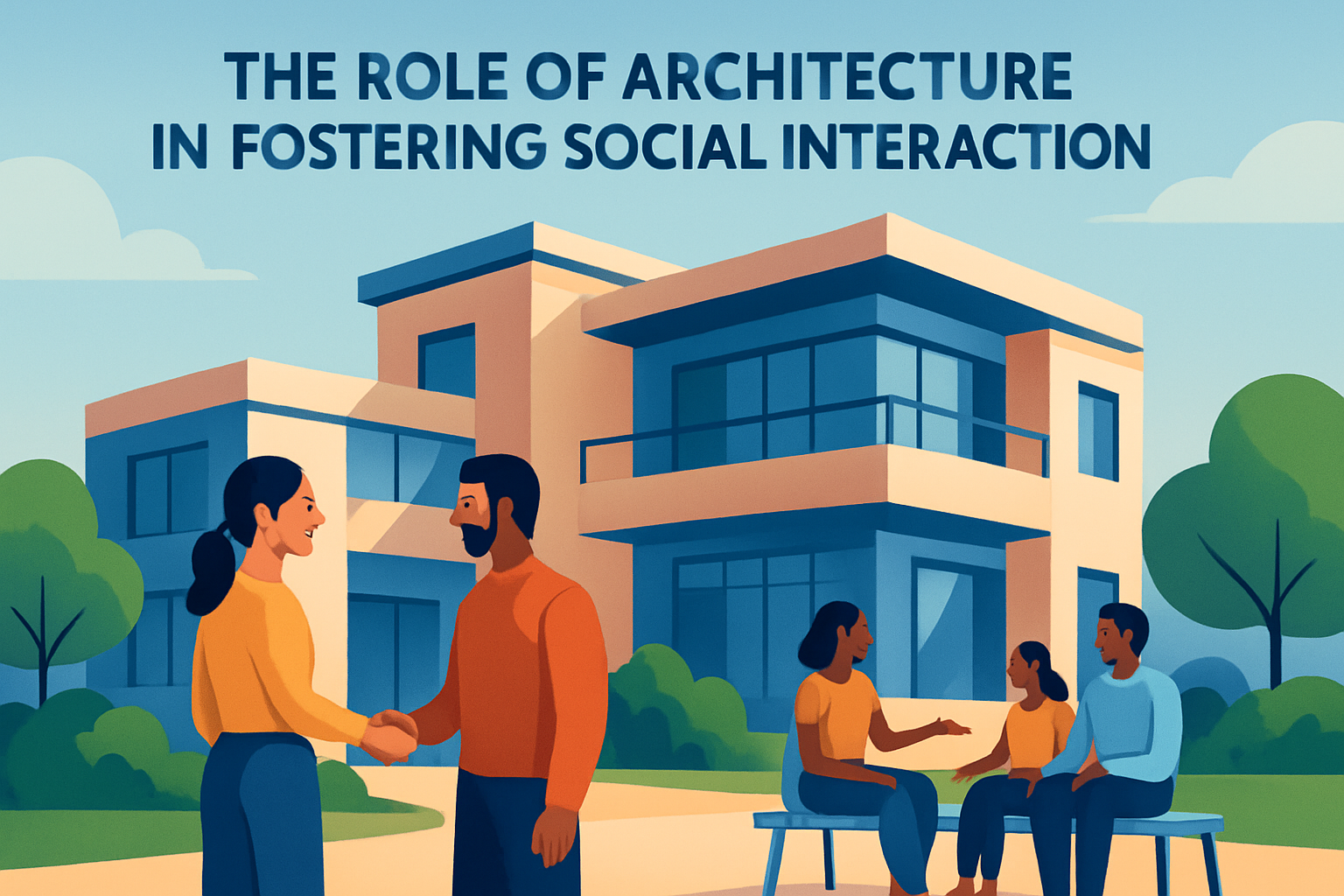
In today’s fast-paced world, where digital interaction often takes precedence over face-to-face conversations, the role of architecture in fostering social interaction is increasingly important. Architecture has the unique ability to shape human experience, influence emotions, and, notably, bring people together. By carefully designing spaces to facilitate communication and connection, architects can create environments that contribute to the social fabric of communities. This article delves into how architecture helps in fostering social interaction, explores examples from various parts of the world, and underscores the significance of these designs in improving our social lives.
The term “architecture” refers to the art and science of designing and constructing buildings and other physical structures. It encompasses not only the aesthetic design of a building but also elements like space planning and functionality. Social interaction, in the context of architecture, involves the design and creation of spaces that encourage people to come together, communicate, and engage with one another. This can range from public parks that invite leisurely strolls and conversations to communal living spaces that promote a sense of belonging. Understanding the role architecture plays in fostering social connections is vital in an era where physical interaction is becoming less common.
The importance of architecture in facilitating social interaction cannot be overstated. Environments designed with socialization in mind can enhance community engagement, reduce social isolation, and improve overall well-being. Well-designed public spaces can combat loneliness and foster a sense of community by providing opportunities for people to meet, converse, and collaborate. Conversely, poorly designed spaces can lead to feelings of isolation and division, highlighting the significance of thoughtful architectural planning.
Designing Public Spaces for Connection
One of the most significant ways architecture influences social interaction is through the design of public spaces. Parks, plazas, and squares serve as common grounds where people from diverse backgrounds converge. These spaces are indispensable in urban environments as they offer a place for recreation, relaxation, and engagement. Architects play a crucial role by planning these areas to encourage interaction and accommodate a variety of activities.
A prime example is the High Line park in New York City. This elevated linear park, built on a historic freight rail line, has become a vibrant community hub. By providing a green corridor above the bustling city, the High Line offers walkers, cyclists, and artists a shared space to enjoy, interact, and even collaborate on projects. The thoughtful design of pathways, seating arrangements, and art installations all contribute to fostering a dynamic social environment.
Creating Community in Residential Spaces
Residential architecture, too, plays a pivotal role in fostering community interaction. The design of housing complexes, shared courtyards, and communal areas can break down barriers and encourage neighborly bonding. Architects can design homes that not only provide private retreats but also create opportunities for residents to connect with one another.
Take, for instance, the closely-knit community model in cohousing developments. A classic example is the EcoVillage Ithaca in New York. This eco-friendly housing community is intentionally designed to support social interaction with shared spaces like gardens, community kitchens, and event halls. These areas enable residents to participate in communal activities, work collaboratively, and socialize, nurturing a strong sense of community.
The Role of Architecture in Educational Environments
Educational architecture significantly impacts how students interact and learn. Classrooms, libraries, and campus common areas are critical in facilitating collaboration, discussion, and social networking among students. The architecture of learning environments should be designed to inspire and foster active engagement.
An illustrious example is the Singapore University of Technology and Design (SUTD). The campus was designed to promote maximum interaction and collaboration among its students. Shared learning spaces, breakout zones, and open-plan layouts facilitate discussions and idea exchange, exemplifying how architecture can enhance educational experiences and foster academic community.
Urban Placemaking and Social Cohesion
Urban placemaking, which focuses on enhancing public spaces to improve community welfare and encourage social interaction, marries the art and science of architecture with community needs. Well-executed placemaking projects not only beautify cities but also strengthen communal ties and civic pride, which are essential for social cohesion.
An outstanding example of successful urban placemaking is the regeneration of Melbourne’s Docklands. Initially an industrial area, its transformation into a bustling residential and business precinct exemplifies urban placemaking at its finest. The architects incorporated water features, public art, and pedestrian-friendly pathways, all made available to welcome countless social, cultural, and recreational interactions.
- High Line Park, NYC – Elevated green space promoting diverse interactions
- EcoVillage Ithaca, NY – Cohousing model fostering strong community ties
- SUTD, Singapore – Campus encouraging collaborative learning environment
- Melbourne’s Docklands – Exemplary urban placemaking enhancing social cohesion
Innovative Architecture: A Blend of Past, Present, and Future
Innovation in architectural design can both honor historic social spaces and create pathways toward future interactions. By blending tradition with contemporary needs, innovative architecture provides communities with meaningful and lasting social hubs.
The Bosco Verticale in Milan is a remarkable demonstration of innovation in green architecture. These residential towers are not only architectural marvels but also environmental solutions designed to promote interaction among residents and green spaces amid a bustling urban setting, fostering connections between nature and community.
Summary and Call to Action
The profound influence of architecture on social interaction is undeniable. Through the thoughtful design of public spaces, residential environments, educational institutions, urban placemaking projects, and innovative green architecture, architects have the power to shape how people connect and build communities.
Key takeaways from our exploration include recognizing that the design of our environments matters significantly in facilitating social interactions. Designing spaces that encourage conversation, collaboration, and connection can greatly improve quality of life and community well-being. As urbanization continues, the need for architects to consider the social implications of their designs cannot be understated.
For readers interested in fostering social well-being through architecture, consider engaging with architects and community planners to champion spaces that prioritize connection and inclusivity. As stakeholders in the communities we occupy, our voices and choices guide the creation of spaces that best serve our social needs now and for future generations. Engaging in dialogue and advocating for architectural designs that promote social interaction is an empowering and essential step toward building vibrant, cohesive communities.
Frequently Asked Questions
1. How does architecture impact social interactions in public spaces?
Architecture significantly impacts social interactions, particularly in public spaces. When architects design with social interaction in mind, they consider numerous elements such as open layouts, accessibility, and natural lighting to invite people into spaces, making them feel comfortable and encouraging interaction. For instance, a public square with ample seating, clear paths, and inviting landscaping can become a bustling hub where community members gather, converse, and engage in spontaneous interactions. By providing such environments, architecture can inspire both planned gatherings and serendipitous meetings, strengthening community ties and fostering a sense of belonging among individuals.
Moreover, the architecture of public spaces directly influences how people move and congregate within them. The strategic placement of amenities like cafes, benches, and art installations invites people to stop, linger, and engage both with each other and their surroundings. Well-designed public spaces often integrate these components to not only beautify the area but also create a focal point for social activities. By prioritizing social interaction in architectural design, these spaces become more than just transit zones — they transform into vital parts of the social infrastructure, where individuals from diverse backgrounds can come together and share experiences.
2. What architectural elements can enhance social interaction in residential buildings?
Residential buildings offer numerous opportunities to enhance social interaction through thoughtful architectural design. Elements such as communal gardens, shared rooftops, and multi-purpose common rooms play crucial roles in fostering community spirit within residential complexes. These elements encourage residents to leave their private units and participate in communal activities, whether that’s gardening together, hosting rooftop gatherings, or using shared spaces for events and hobbies.
Another key feature is the design of corridors and lobbies. Spacious, well-lit, and welcoming entryways can transform these transitional areas into spots where casual conversations and connections occur naturally. The incorporation of seating areas or communal notice boards can also serve as social catalysts, prompting residents to stop, engage, and connect. With intentional design, even spaces traditionally viewed as utilitarian can become vibrant hubs of interaction.
Beyond physical design, architectural planners often consider resident demographics and lifestyle trends when designing residential buildings. For example, incorporating flexible spaces that can serve as co-working offices or child play areas acknowledges modern living standards and encourages a diverse range of social interactions. These elements work together to create an environment where residents feel connected not just to their physical home, but to a thriving community around them.
3. Can urban design influence how socially connected a community feels?
Absolutely, urban design plays a crucial role in shaping how socially connected a community feels. Urban planners and architects meticulously consider the layout of streets, the placement of public squares, and the accessibility of parks to encourage community interaction and connectivity. Well-designed urban areas prioritize pedestrian-friendly environments with walkable paths, which naturally boost social interactions by allowing residents to easily traverse and interact within their community.
Mixed-use developments, where residential, commercial, and recreational spaces coexist, are prime examples of urban design fostering social connections. By integrating these elements in proximity, people have more opportunities to encounter one another throughout their daily activities, whether they are commuting to work, shopping, or exercising in local parks. Such proximity not only supports economic vitality but also cultivates a sense of shared community identity and pride.
Furthermore, urban design also considers the importance of equity, ensuring all community members have access to social spaces regardless of socio-economic status. This inclusivity is vital for fostering an environment where diverse populations interact, breaking down barriers and building a cohesive community spirit. As such, urban planning not only addresses physical space but also the broader social infrastructure that enhances community connectivity.
4. In what ways does school architecture affect student interaction and learning?
The architecture of a school can profoundly affect student interaction and learning by shaping the physical environment where education takes place. Design features such as flexible classrooms, open learning areas, and common social spaces can foster collaborative learning and student interaction, which are key components of modern educational philosophies.
Flexible and adaptable classroom designs allow for various teaching styles and learning activities, accommodating traditional lectures, group work, and independent study. By incorporating movable walls and furniture, educators can adjust the space to meet the needs of a particular lesson, creating an interactive and dynamic learning atmosphere. Additionally, informal gathering areas such as student lounges and common rooms offer opportunities for students to engage in discussions and group work outside of formal classroom settings, further fostering collaboration and communication skills.
Moreover, natural elements such as abundant natural light, ventilation, and green spaces within school architecture play a crucial role in creating a conducive learning environment. These features not only improve student well-being and focus but also encourage outdoor activities and interaction during breaks, providing a balanced approach to education that values social development alongside academic achievement. As a result, school architecture that prioritizes student interaction contributes positively to both educational outcomes and the overall school experience.
5. How can careful architectural design address social isolation in workplaces?
Careful architectural design in workplaces is instrumental in addressing social isolation, which has become an increasingly prominent concern in modern professional settings. Open-plan offices are one strategy that fosters interaction by removing physical barriers, encouraging spontaneous conversations, and promoting collaborative work among team members. However, it’s important to balance open spaces with areas for privacy, ensuring that employees have both opportunities for interaction and spaces where they can focus on individual tasks.
Common areas such as break rooms, cafeterias, and lounges are key to promoting social interaction within the workplace. These spaces provide a change of environment from desks and meeting rooms, allowing colleagues from different departments to meet and engage in informal conversations. By strategically placing these areas and incorporating comfortable seating, natural elements, and amenities like coffee bars or games, workplaces can create an inviting atmosphere that encourages employees to take breaks and socialize.
Moreover, incorporating elements of wellness into office design, such as natural lighting, plants, and access to outdoor spaces, not only enhances employee satisfaction and productivity but also enriches the social dynamics within the workplace. Providing facilities for group activities, such as fitness centers or multi-purpose event spaces, encourages employees to bond over shared interests outside of work tasks. By prioritizing these design considerations, architecture plays a pivotal role in mitigating social isolation and creating a workplace culture that values connection and community.