In our modern world, where environmental degradation is a growing concern, architecture has emerged as a critical player in environmental conservation. Architecture’s role is not only to provide aesthetic and functional structures for human habitation but also to ensure that these structures are sustainable and harmonious with the natural environment. Key terms in this discussion include “sustainability,” which refers to the ability to maintain or support an activity over the long term without depleting resources, and “green architecture,” which involves environmentally responsible and resource-efficient building methods known as sustainable building, eco-friendly architecture, or sustainable design. As climate change and resource depletion continue to threaten our planet’s health, embracing environmentally conscious architectural practices becomes crucial. Understanding architecture’s role in conservation can drive meaningful change by reducing carbon footprints, minimizing resource consumption, and enhancing the quality of life for all Earth’s inhabitants. This article explores these themes and underscores the importance of integrating architecture with nature to protect our environment.
Architectural Design: A Foundation for Sustainable Living
The foundation of sustainable living lies in the architectural design of buildings. Architectural design significantly influences a building’s energy efficiency, resource usage, and overall environmental impact. A critical aspect of sustainable architectural design is passive design—strategies that optimize natural energy sources and climate to maintain comfortable temperatures in buildings. These strategies minimize reliance on artificial heating and cooling, thus conserving energy. For instance, designing buildings to utilize natural sunlight minimizes the need for artificial lighting, reducing electricity consumption.
A real-world example of this is the Bullitt Center in Seattle, often cited as one of the most sustainable buildings in the world. It employs passive design principles such as large windows for maximum daylight and strategic ventilation to utilize Seattle’s cool climate. The center’s design reduces its reliance on non-renewable energy sources, ultimately leading to zero net energy consumption.
- Passive solar design leveraging natural sunlight
- Use of renewable materials in construction
- Water conservation practices
By adopting these design elements, buildings can significantly reduce their environmental impact and resource consumption, supporting broader conservation goals.
Green Building Materials: The Backbone of Eco-Friendly Architecture
The choice of building materials plays a pivotal role in a structure’s environmental footprint. Green building materials are those that have minimal environmental impact, are recyclable or renewable, and often originate from sustainable sources. Using such materials reduces the energy footprint associated with production, transportation, and disposal.
Bamboo, a fast-growing and highly renewable material, exemplifies a sustainable alternative for construction. Its use reduces deforestation and carbon emissions associated with traditional building materials like concrete and steel. Bamboo is lightweight yet durable, making it an ideal choice for various construction needs.
The Z6 House in California utilizes bamboo prominently to minimize environmental impact. This innovative home’s emphasis on renewable materials extends to its core philosophy of sustainable living, setting an example for future architectural projects worldwide.
The adoption of green building materials is crucial for reducing the environmental impact of construction, protecting natural ecosystems, and promoting sustainable development.
Buildings and Energy Efficiency: Reducing Carbon Footprints
Energy-efficient designs are at the heart of environmentally responsible architecture. Buildings are among the largest consumers of energy globally, contributing significantly to carbon emissions and climate change. Implementing energy-efficient technologies and practices can drastically reduce a building’s carbon footprint.
Smart buildings, characterized by advanced systems that monitor and optimize energy usage, are at the forefront of this movement. They utilize automated systems to control lighting, heating, and cooling, ensuring that energy is used only when necessary. These systems not only enhance energy efficiency but also improve the overall comfort and usability of the space.
| Building Feature | Energy-Efficient Technology |
|---|---|
| Lighting | LED Bulbs, Motion Sensors |
| Heating | Geothermal Heat Pumps |
| Cooling | HVAC Optimizers |
The Edge, an office building in Amsterdam, showcases a perfect blend of energy efficiency and smart technology. With its state-of-the-art energy systems, the building achieves net-zero energy consumption, serving as a pioneer in sustainable corporate spaces.
Energy-efficient buildings not only reduce environmental impact but also offer economic benefits through reduced utility bills and increased property values, making them a smart choice for developers and occupants alike.
Urban Planning: Harmonizing Cities with Nature
Urban planning is critical in aligning our cities with environmental conservation efforts. Sustainable urban planning aims to create cities that balance growth and environmental stewardship, focusing on green spaces, efficient transportation, and reduced pollution.
A prime example is Curitiba, Brazil, often lauded for its innovative urban planning and sustainability initiatives. Curitiba’s focus on efficient public transportation, green spaces, and waste management has significantly reduced pollution and resource wastage while enhancing residents’ quality of life.
Innovations such as pedestrian-friendly zones, bicycle paths, and extensive parks create a harmonious environment where city dwellers coexist with nature. These practices highlight urban planning’s potential to foster sustainable cities that contribute to environmental conservation.
By learning from successful models like Curitiba, other cities can implement similar strategies to minimize their environmental footprint and improve urban living conditions worldwide.
Water Conservation in Architecture: A Critical Consideration
Water scarcity is a global issue that architecture can help mitigate through mindful design and construction practices. Effective water conservation strategies in architecture include rainwater harvesting, greywater recycling, and low-flow fixtures, all of which help preserve this vital resource.
The California Academy of Sciences in San Francisco illustrates these principles through its water conservation initiatives. This building features a living roof that reduces stormwater runoff and naturally filters rainwater, as well as a sophisticated system for recycling greywater to minimize water usage.
By prioritizing water conservation, architects can design buildings that actively contribute to preserving and restoring natural water cycles, thus supporting broader environmental goals.
This approach is imperative for sustaining communities, especially in arid regions, ensuring that future generations will have access to clean, safe water.
The Future of Architecture and Environmental Conservation
As we look to the future, architecture must continue evolving to meet environmental challenges effectively. Innovations such as bioarchitecture, which incorporates living organisms into building designs, hold great promise for sustainable development.
The ongoing project of the Bosco Verticale in Milan exemplifies this future-forward architecture. By integrating plants into the building structure, it fosters biodiversity, improves air quality, and reduces urban heat island effects. These “vertical forests” are a glimpse into how architecture can work harmoniously with nature to combat environmental challenges.
Further developments in technology, such as AI-driven design and sustainable material innovations, will likely drive the evolution of environmentally conscious architecture, underscoring its crucial role in safeguarding our planet.
Embracing these advancements will equip architects with the tools necessary to create functional, beautiful spaces that do not harm the Earth, forging a path to a more sustainable future.
Conclusion: Building a Greener Future Through Architecture
In conclusion, architecture plays a crucial role in environmental conservation. From the adoption of passive design principles to the use of sustainable materials, energy-efficient technologies, and thoughtful urban planning, these practices have transformed how buildings interact with their environment. By optimizing resource usage, reducing carbon footprints, fostering sustainable urban environments, and conserving vital resources like water, architecture actively supports the global effort to combat climate change and preserve natural ecosystems.
As readers have seen through real-world examples like the Bullitt Center, Z6 House, The Edge, and Curitiba’s urban planning, architecture can create inspiring and effective solutions for sustainable living. By continuing to innovate through bioarchitecture and technology, the architectural field will continue to provide creative, eco-friendly designs that promise a healthier Earth.
To contribute to environmental conservation, we must all acknowledge architecture’s power and influence. Whether you are an architect, city planner, builder, or inhabitant, consider how your choices impact the environment. Support sustainable building projects, and advocate for green building practices in your community.
Join the movement towards sustainability by championing architecture that respects and preserves our planet. Together, we can build a greener, more sustainable future for all.
[pp]
Frequently Asked Questions
1. How does architecture contribute to environmental conservation?
Architecture plays a significant role in environmental conservation by designing structures that minimize their impact on the environment. Sustainable architecture, which is the practice of designing buildings that are environmentally responsible, focuses on reducing energy consumption, utilizing renewable resources, and minimizing waste and pollution. Architects achieve this through innovative designs, use of sustainable materials, and incorporation of green technologies. For instance, by positioning buildings to take advantage of natural light and utilizing passive solar heating, architects can significantly reduce the need for artificial lighting and heating, thus conserving energy.
Moreover, sustainable architecture often includes features such as green roofs, which help to insulate buildings, reduce water runoff, and provide habitats for wildlife. By considering the relationship between buildings and their natural surroundings, architects can create spaces that not only fulfill human needs but also enhance and preserve the environment.
2. What are some key features of sustainable architecture?
Sustainable architecture includes a variety of features that aim to reduce the environmental impact of buildings over their entire lifecycle. Key features of sustainable architecture include the use of eco-friendly materials, such as reclaimed wood and recycled metal, which reduce the need for new resources and lower carbon footprints. Additionally, sustainable buildings often incorporate energy-efficient systems, like LED lighting and programmable thermostats, to reduce energy consumption.
Another important feature is water conservation measures, such as low-flow plumbing fixtures and rainwater harvesting systems, which help to reduce water wastage. Incorporating natural ventilation and daylighting strategies are also common practices. This means that the design maximizes natural air flow and uses large windows or solar tubes to let in more sunlight, reducing reliance on mechanical systems and artificial lighting.
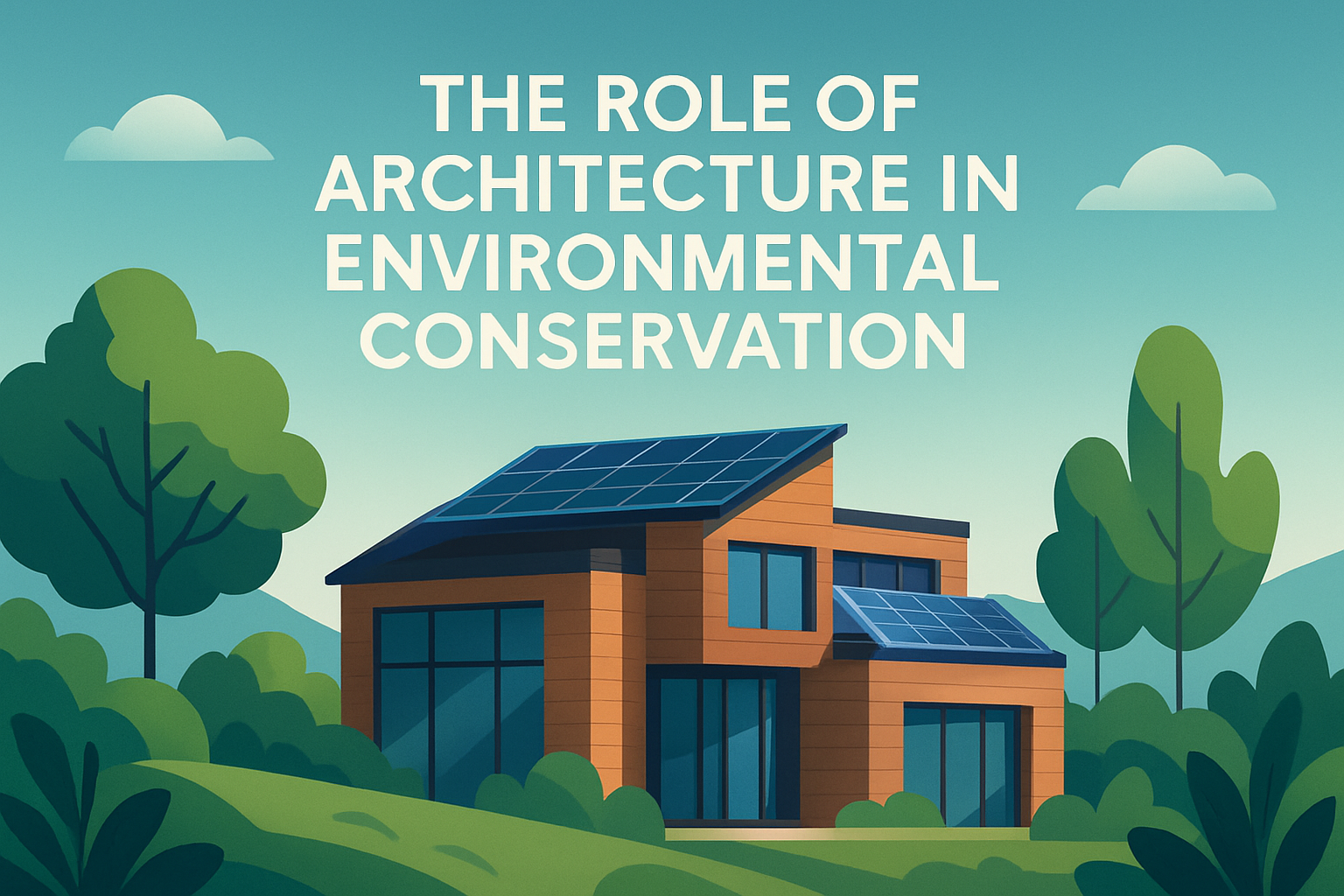
Lastly, integrating renewable energy systems, such as solar panels or wind turbines, allows buildings to generate their own clean energy, further decreasing reliance on fossil fuels and helping to conserve the environment.
3. Can sustainable architecture still be aesthetically pleasing?
Absolutely! Sustainable architecture is not only focused on conserving resources and protecting the environment, but it also emphasizes creating visually appealing structures that enhance human well-being and interaction with their surroundings. In fact, many contemporary architects see sustainable architecture as an opportunity to push the boundaries of creativity and innovation.
For example, some architects use local materials and culturally relevant designs to create buildings that reflect the heritage and landscape of their location, which often results in striking and unique aesthetics. Additionally, the use of greenery such as living walls or green roofs can add vibrant colors and textures to a building’s façade, making them a beautiful blend of nature and human design.
Furthermore, sustainable buildings can be customized to reflect the brand, identity, or purpose of the structure without compromising their commitment to environmental conservation. By prioritizing both functionality and design, sustainable architecture can be both beautiful and environmentally responsible.
4. What is the importance of sustainable materials in green architecture?
Sustainable materials are essential in green architecture because they reduce the overall environmental impact of a building. Using materials that are recycled, renewable, or have low environmental footprints helps lower carbon emissions associated with construction and manufacturing processes. Moreover, these materials often offer additional benefits such as increased durability, lower maintenance costs, and healthier indoor environments due to the reduced presence of toxic chemicals.
For instance, bamboo is a popular sustainable material because it is a fast-growing renewable resource that can be harvested without permanently damaging the ecosystem. Reclaimed wood and recycled metal also serve as excellent sustainable materials, reducing demand for newly sourced resources and decreasing deforestation and mining impacts.
The use of these materials in construction can significantly lessen the environmental strain and contribute to the longevity and resilience of the building. By choosing sustainable materials, architects and builders play a crucial role in shifting the industry toward more eco-friendly practices and promoting the conservation of our natural environment.
5. How do green technologies fit into sustainable architecture?
Green technologies are integral to sustainable architecture as they assist in achieving energy efficiency, reducing resource consumption, and minimizing environmental impact. Innovations in technology allow architects to design and operate buildings in a way that is in harmony with the environment. For example, solar panels are a widely used green technology that enables buildings to harness clean, renewable energy from the sun, reducing reliance on fossil fuels and lowering greenhouse gas emissions.
Other technologies, such as energy-efficient HVAC systems, smart thermostats, and advanced insulation, help to improve energy performance and enhance indoor climate control while conserving energy. Moreover, water-saving technologies like greywater recycling systems and rainwater harvesting can drastically cut down on water usage.
Additionally, building automation systems and smart sensors enable real-time monitoring and regulation of energy and water usage, allowing for optimal performance and minimized waste. By integrating these technologies, sustainable architecture not only enhances energy efficiency and resource conservation but also promotes a healthier, more comfortable living environment for occupants.