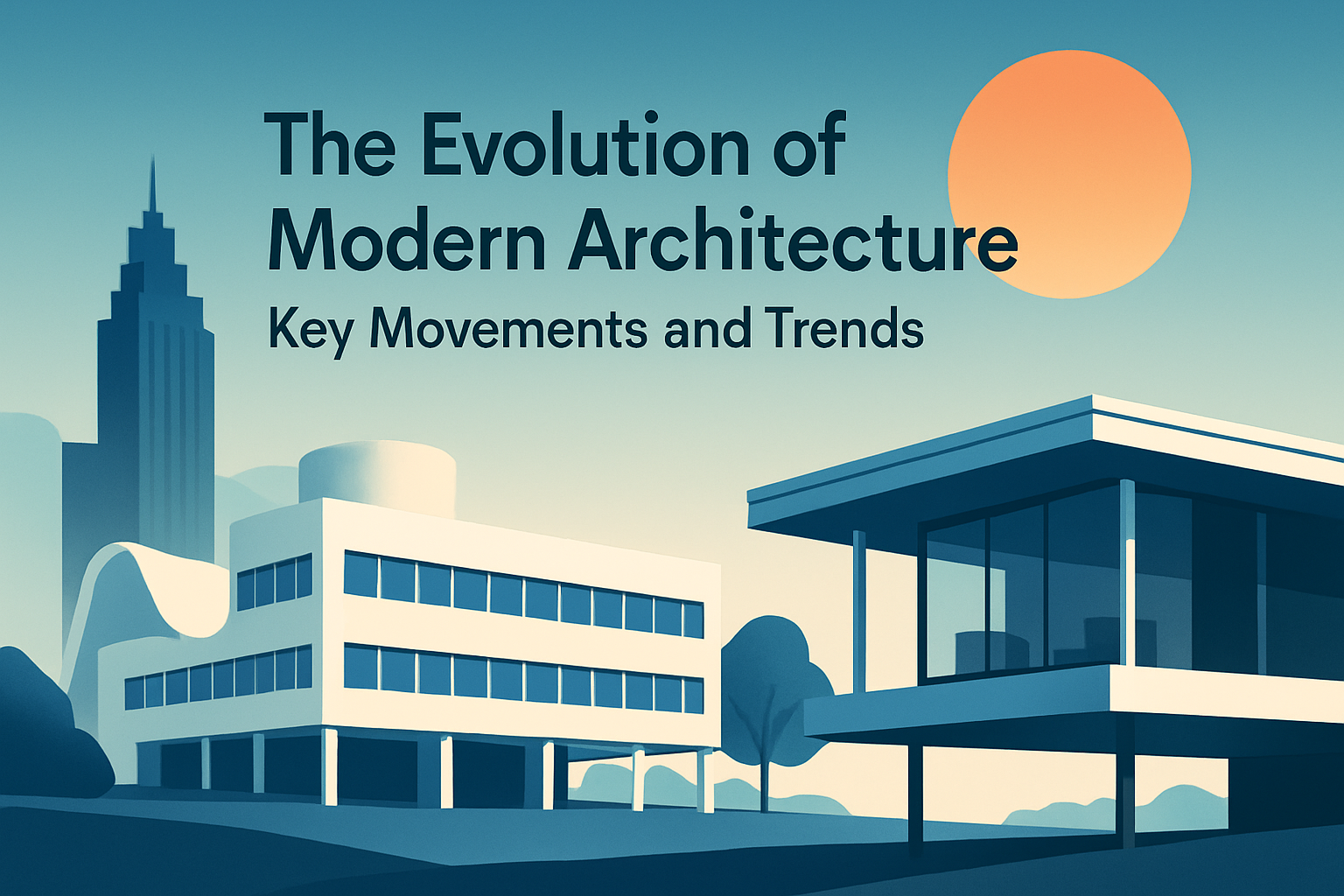
Mid-century modern design is a style that emerged in the mid-20th century and has continued to impact design aesthetics, including architecture, into the 21st century. This design movement was characterized by clean lines, organic forms, minimal ornamentation, and a focus on functionality. It gained prominence from the mid-1940s to the late 1960s and played a crucial role in defining the modern aesthetic we see today. The significance of understanding mid-century modern design lies in its profound impact on contemporary architecture and design practices. This style has influenced how architects and designers comprehend space, shape materials, and address the needs of a post-industrial society longing for simplicity and connection to nature.
In this article, we will explore the key elements of mid-century modern design and observe how it continues to shape contemporary architecture. By examining real-world examples and breaking down the core principles, you will gain a comprehensive understanding of why this mid-20th century style remains relevant today. We will also analyze the benefits of incorporating mid-century elements in modern architectural contexts and provide insights into how these elements can be utilized effectively in current projects.
The Core Principles of Mid-Century Modern Design
Mid-century modern design is anchored on several core principles that have profoundly influenced contemporary architecture. These principles include simplicity, integration with nature, and technological innovation. The movement’s simplicity comes from its clean, streamlined forms that eliminate unnecessary detail. This principle is visible in contemporary architecture through minimalistic structures that emphasize function over form. One can observe this in the work of architects such as Ludwig Mies van der Rohe and Philip Johnson, whose designs emphasized open spaces and the seamless integration of indoor and outdoor spaces.
Integration with nature is another key principle. Mid-century architects often designed buildings to harmonize with their surroundings, featuring large windows and open plan layouts to blur boundaries between inside and out. This approach is evident in contemporary ‘green’ architecture, where sustainability and natural integration are priorities. Architects continue to implement large, unobstructed windows and utilize natural materials like wood and stone, similar to their mid-century predecessors.
Technological innovation further characterized the mid-century modern movement, as it coincided with significant advances in building materials and techniques post-World War II. This allowed for new forms and more efficient structures, which continue to inspire modern architecture aiming for sustainability and efficiency. Contemporary architects often incorporate cutting-edge materials and technologies, pushing the boundaries of what is possible, a practice stemming from the experimental nature of mid-century designs.
Real-World Application: The Case of Philip Johnson’s Glass House
Philip Johnson’s Glass House in New Canaan, Connecticut, is an iconic example of mid-century modern architecture. Completed in 1949, it exemplifies the principles of simplicity, integration with nature, and innovation. With its open floor plan and extensive use of glass, the house dissolves the barrier between indoors and outdoors, placing occupants within, rather than adjacent to, the landscape. This transparency and simplicity offered a new way of living that emphasized harmony with one’s environment.
Contemporary architecture reflects these ideas in many new constructions worldwide. Buildings with significant see-through facades and open floor plans are now commonplace, demonstrating the continued influence of designs like Johnson’s. The complexity of modern urban life contrasts with the simplicity of these mid-century inspired structures, offering a return to tranquility and groundedness amid the chaos.
Integration of Natural Elements
The mid-century modern movement emphasized a genuine integration of architecture with the natural environment, which has been carried forward into contemporary architecture in several innovative ways. Today, architects often use sustainable techniques and natural materials to create buildings that are not only aesthetically pleasing but also environmentally responsible. Mid-century modernism pioneered this approach by incorporating organic materials and designing structures that resonate with the natural world around them.
This environmental synergy is especially prevalent in urban areas, where the challenge lies in merging modern needs with natural preservation. Architects integrate green roofs, natural lighting, and renewable energy sources to create eco-friendly structures. These innovations are directly influenced by mid-century ideals of merging structures with the environment, showcasing the style’s lasting legacy in sustainable architecture practices.
- Natural Materials: Wood, stone, and metal were often used in mid-century designs for their organic feel and durability.
- Open Spaces: Layouts aimed to create a sense of continuity with the natural landscape.
- Natural Lighting: Large windows and open plans allow for extensive daylighting, reducing the need for artificial lighting.
Technological Innovation in Design
Technological advancement during the mid-century era gave rise to innovative building techniques and the use of new materials like plate glass and steel, directly influencing the aesthetic and functionality of buildings. Today, this tradition of innovation continues. Architects and designers use advanced tools such as Building Information Modeling (BIM) to create efficient, sustainable structures. Modern materials, including composites and advanced glass technologies, have expanded the possibilities for innovative architecture.
As seen in mid-century architecture, current designs often utilize these new materials to enhance building performance and aesthetics while maintaining a minimalist aesthetic. The refined precision of technology used in contemporary architecture emphasizes the enduring relevance of mid-century ideals, which prioritized both form and function.
Real-World Application: The Case of Fallingwater
Frank Lloyd Wright’s Fallingwater is an iconic illustration of mid-century modern design rooted deeply in natural integration and technological innovation. Built over a waterfall in Pennsylvania between 1935 and 1939, this residence exemplifies how modern architecture can harmonize utterly with its natural surroundings. Utilized construction techniques made advanced use of reinforced concrete and steel, materials that enabled the dramatic design features that capture structures seemingly floating above their natural surroundings.
Fallingwater’s legacy lives on in countless modern architectural feats that strive for innovation and seamless nature integration. Structures employing similar concepts emphasize achieving human-environment harmony without compromising the aesthetic or functionality, showcasing the durability and versatility of mid-century modern design principles in contemporary applications.
Influence on Interior Spaces
Mid-century modern design principles have dramatically impacted not only building exteriors but also interior spaces. The open-plan living areas characteristic of this style encouraged multifunctional spaces, which have become increasingly prevalent in contemporary homes. This notion of multifunctionality meets the needs of modern urban living by creating fluid, adaptive spaces within confined areas.
The furniture designs of this period are also making a comeback, with sleek lines and functional forms being incorporated into modern aesthetics. Iconic pieces from designers like Charles and Ray Eames and Eero Saarinen continue to find relevance due to their practicality and timeless appeal. In today’s interiors, these designs create spaces that are both stylish and highly functional, meeting modern needs while honoring classic design principles.
Real-World Application: The Case of Eichler Homes
Developer Joseph Eichler was instrumental in bringing mid-century modern design to the masses through tract housing that emphasized clean lines, open spaces, and thoughtful integration of indoor and outdoor environments. Eichler homes, predominantly built between 1949 and 1966 in California, are admired for their aesthetic simplicity and attention to functional detail. These homes included features such as floor-to-ceiling windows, open floor plans, and central courtyards to encourage both community and privacy.
| Feature | Description |
|---|---|
| Open Floor Plans | Defined by fewer walls and minimal structural separations, creating free-flowing space. |
| Floor-to-Ceiling Windows | Allow natural light to flood interior spaces, creating a connection with the outdoor environment. |
| Courtyards | Private outdoor spaces that are an extension of the indoor living area. |
Eichler’s commitment to good design at an affordable price ensures his homes are still sought after today, and the principles they embrace remain influential within contemporary architecture. Contemporary housing developments that find inspiration in these elements demonstrate the benefits these mid-century modern design principles can offer to modern living environments, providing sustainable, stylish, and functional solutions.
Conclusion
Mid-century modern design has left an indelible mark on the architectural landscape, influencing contemporary architecture in profound ways. Its emphasis on simplicity, functionality, and integration with nature resonates strongly in today’s designs that seek to balance aesthetic appeal with practical needs and environmental responsibility. Through pioneering advances in materials and spatial concepts, mid-century architects laid down principles that continue to be vital today, as seen in structures that prioritize eco-friendliness, technological innovation, and fluidity between interior and exterior spaces.
For architecture enthusiasts, designers, and homeowners, understanding the principles of mid-century modern design can provide a broad palette of tools and inspirations for creating spaces that embody timeless elegance and utility. If you’re looking to incorporate these elements into your next project, consider the ways in which mid-century modern aesthetics can inject a sense of sophistication and harmony into modern designs. Begin by integrating natural materials, streamline your designs, and focus on creating spaces that maximize utility while forging a harmonious connection with their environment.
As you plan your next architectural or design venture, remember the enduring influence of mid-century modernism; its simultaneous nod to tradition and embrace of the future continues to guide designers worldwide in creating spaces that delight the senses and meet contemporary needs.
Frequently Asked Questions
1. What defines mid-century modern design and how has it influenced contemporary architecture?
The mid-century modern design movement, which flourished from the mid-1940s to the late 1960s, is defined by its simplicity, functionality, and clear geometric forms. This design philosophy emphasized clean lines, gentle organic curves, a minimum of ornamentation, and an integration with nature. It sought to create spaces that were both aesthetically pleasing and highly functional.
In contemporary architecture, the influence of mid-century modern design is evident in the way we prioritize open-plan living spaces that merge seamlessly with the outdoors. This design ethos is even more relevant now as homeowners and architects focus on creating spaces that are not only innovative but also conducive to a healthier lifestyle. Buildings today often feature large windows, flat planes, and ample use of natural materials, echoing mid-century ideas yet with a modern twist. There’s a tangible continuation of using form as a means to enhance space, which was a pivotal aspect of mid-century design.
2. How is mid-century modern furniture integrated into modern architecture?
The furniture from the mid-century modern era remains iconic due to its timeless design and versatility. Pieces designed by famed creators like Charles and Ray Eames, Eero Saarinen, and Harry Bertoia among others, continue to be popular choices in modern interiors. These pieces are celebrated for their combination of form and function, bringing a sense of balance and harmony into a room.
In contemporary architectural spaces, mid-century modern furniture is often seamlessly integrated, lending a sense of sophistication and elegance. Many modern homes feature open-floor plans, where such classic furniture helps define different areas within a shared space. The natural materials, sleek lines, and understated elegance of mid-century pieces augment the clean and sometimes minimalist aesthetics inherent in modern architecture. They not only serve functional purposes but also act as sculptural forms that enhance the overall visual appeal of a space.
3. What role does sustainability play in the revival of mid-century modern architecture and design?
Sustainability has become a central concern in architecture and design, and these principles resonate well with the original ethos of mid-century modern design. This style already prioritized efficient use of space and materials, notions that align closely with today’s sustainable practices. In reviving mid-century modern architecture, designers are focusing on the integration of sustainable materials such as reclaimed wood, eco-friendly fabrics, and non-toxic finishes.
Moreover, the orientation of buildings to maximize natural light—a hallmark of mid-century modern design—reduces reliance on artificial lighting and minimizes energy consumption. This design principle forms part of a more extensive approach that includes advanced insulation and energy-efficient heating systems. Such strategies help reduce the carbon footprint of contemporary homes while maintaining the aesthetic principles of mid-century design. The renewed attention towards refurbishing mid-century homes rather than demolishing and rebuilding them further emphasizes sustainability in practice.
4. Why are mid-century modern designs suited to contemporary urban environments?
Mid-century modern designs are particularly well-suited to contemporary urban environments due to their emphasis on space efficiency and adaptability. These characteristics make mid-century modern particularly relevant in densely populated urban areas, where space comes at a premium and innovation in layout is critical.
In cities, the emphasis on minimalism and clear lines allows for more fluid, clutter-free spaces that promote better movement and usability within a smaller footprint. The integration of indoor and outdoor spaces helps to alleviate the feeling of confinement typical of urban living, providing a sense of openness and connection to nature despite being in a metropolitan setting. The utilization of materials and designs that reflect natural light also plays a crucial role in making smaller spaces feel larger and more inviting.
5. How have mid-century modern designs evolved with technological advancements?
Mid-century modern design continues to evolve alongside technological advancements, melding classic aesthetics with cutting-edge innovations. The original ethos of mid-century design—simplicity, functionality, and form—provides a timeless framework that can accommodate new technology without losing its fundamental charm.
In today’s homes, smart technology is being integrated into mid-century designs to create spaces that are not only stylish but also highly functional. For example, sophisticated lighting systems that can be remotely controlled reflect the pioneering spirit of innovation while adhering to the movement’s preference for clean lines and unobtrusive forms. Also, modern 3D printing technologies are being used to replicate classic designs with a high level of precision, making iconic pieces more accessible.
Beyond furnishings, advancements in building materials and construction techniques allow mid-century modern inspired homes to be more energy-efficient and sustainable than ever before. Insulation materials, energy-efficient glazing, and solar panels are adeptly incorporated into these homes, demonstrating how the timeless appeal of mid-century modern design continues to embrace and benefit from emerging technologies.