Global trends in design, sustainability, and technology have increasingly influenced local architecture, reshaping skylines and neighborhoods worldwide. As societies become more interconnected through global networks, architectural styles and building practices are no longer constrained by geographical or cultural boundaries. The significance of this shift can be seen in how cities embrace new materials, design philosophies, and technologies originated from far-off lands. Understanding how these global trends impact local architecture helps us appreciate the dynamic, evolving nature of our urban environments and rural landscapes.
By defining key terms such as “global trends,” which refer to prevailing movements or directions in various fields worldwide, and “local architecture,” which pertains to the design and construction practices prevalent in a specific locale, we set the stage for a deeper exploration of their interaction. Global trends matter because they push the boundaries of what is possible in architectural design and construction, often leading to more sustainable, efficient, and aesthetically pleasing structures. For architects, urban planners, and policymakers, understanding these transformations is crucial. It empowers them to create spaces that not only meet contemporary needs but also anticipate future challenges. For residents and communities, these changes can alter the way neighborhoods function and feel, impacting daily life in significant ways.
Contemporary Design Styles
One of the prominent influences of global trends on local architecture is the adoption of contemporary design styles across diverse regions. As architects and designers gain exposure to international styles through travel, media, and digital platforms, they integrate these styles with local traditions, creating a fusion that resonates with both global and local sensibilities.
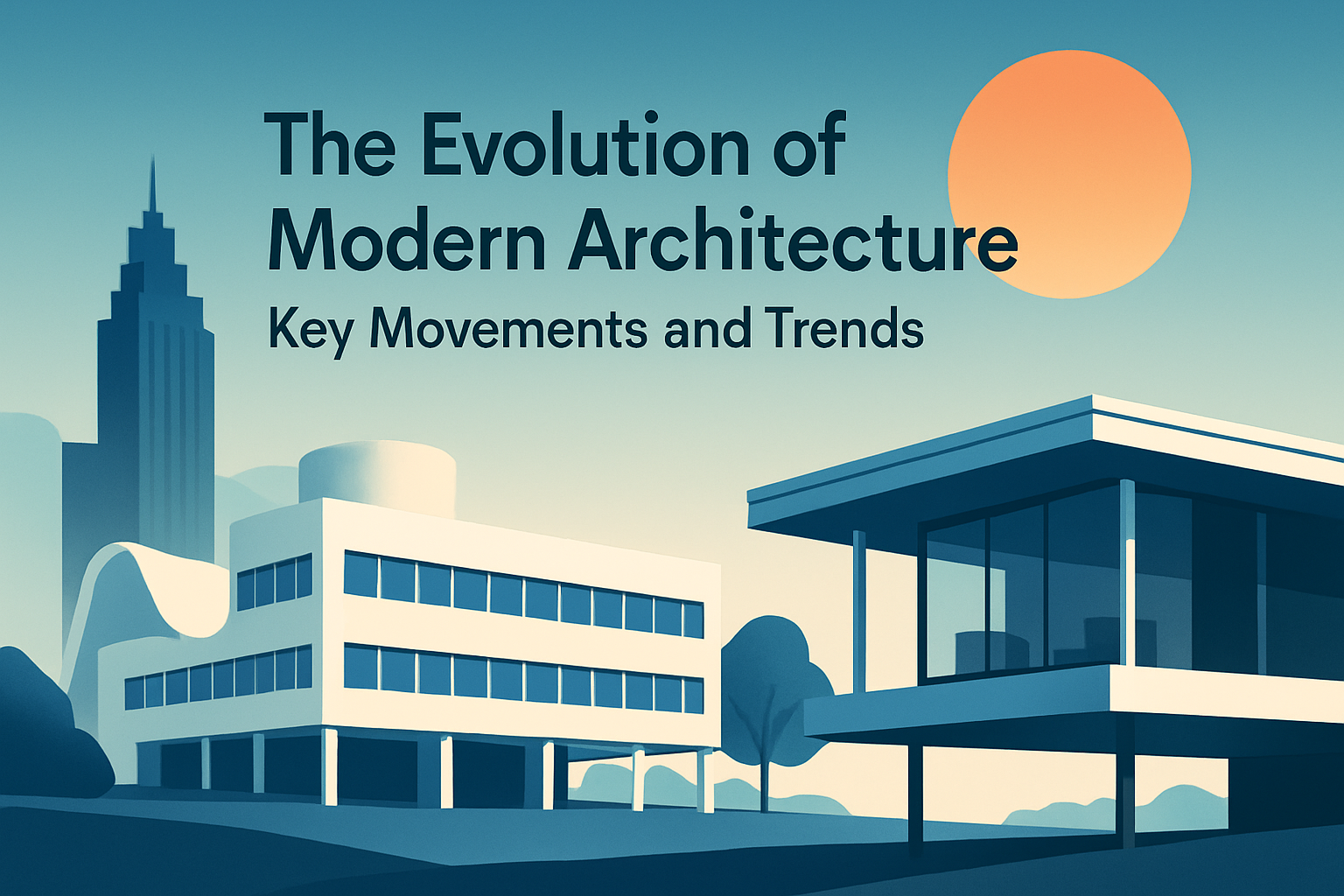
A prime example of this phenomenon is the widespread use of minimalistic design, characterized by clean lines, open spaces, and a lack of ornamentation. Originating in Europe and popularized through global avenues such as architecture magazines and social media, minimalism has found its way into local architecture, from urban high-rises in Singapore to suburban homes in Brazil.
To illustrate, a recent development in downtown Toronto, Canada, features a high-rise apartment complex that echoes minimalist influences. The building employs large glass facades, simple geometric shapes, and focuses on maximizing natural light. This design not only enhances the aesthetic appeal but also reflects a growing preference for eco-friendly living, aligning with another major global trend.
Sustainable Building Practices
Sustainability has emerged as a critical global trend, with significant implications for local architecture. As awareness of environmental issues grows, demand for sustainable buildings and cities intensifies. This trend encourages architects to adopt environmentally friendly materials, energy-efficient technologies, and sustainable design principles.
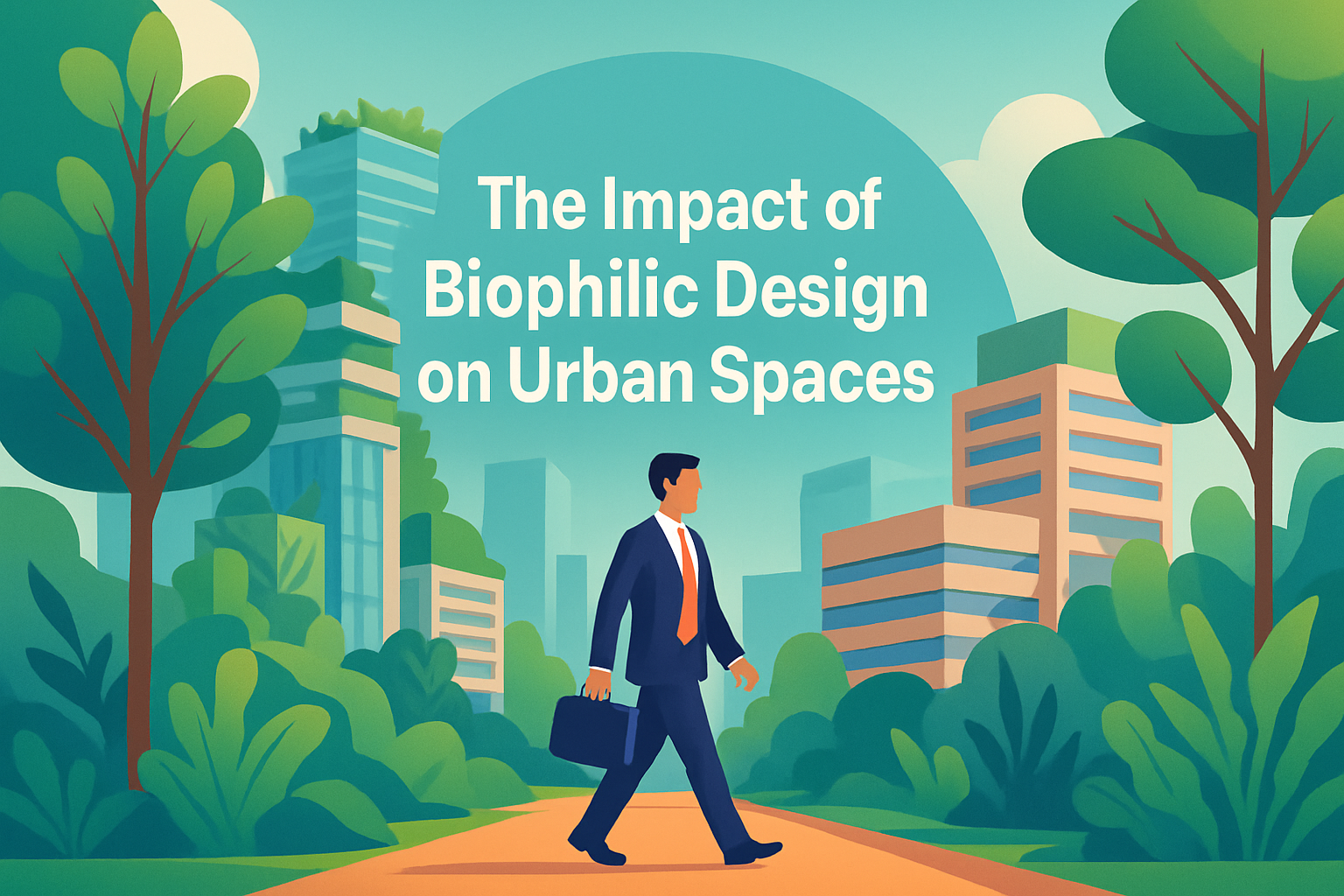
For instance, green roofs have become a popular feature worldwide. They offer insulation, reduce stormwater runoff, and provide urban green spaces. Portland, Oregon, a city known for its environmentally conscious policies, showcases many buildings with green roofs. Local architects adopt this global trend to align with their city’s commitment to sustainability and energy efficiency.
- Insulation: Green roofs provide natural insulation, helping buildings reduce heating and cooling costs.
- Stormwater Management: These roofs absorb rainwater, which helps prevent urban flooding and reduces the burden on drainage systems.
- Urban Green Spaces: Offering new habitats for wildlife, green roofs also serve as pleasant retreats for urban dwellers.
The global push for sustainability has encouraged local architects to experiment with other eco-friendly innovations, such as rainwater harvesting systems, photovoltaic panels, and the use of recycled materials. These changes are not limited to new constructions but are also being integrated into the retrofitting of existing structures, further embedding sustainability into the local architectural fabric.
Technological Integration
The rapid advancement of technology plays a pivotal role in influencing local architecture through global trends. Innovative technologies such as Building Information Modeling (BIM), smart building systems, and 3D printing are transforming the way buildings are designed, constructed, and managed.
A notable illustration is the incorporation of smart technology in buildings, which has seen a global rise and local adoption. Smart buildings use automated systems to control various functions, including lighting, heating, ventilation, and security. In Seoul, South Korea, newly developed residential complexes are integrating smart technologies to enhance comfort and energy efficiency for residents. These buildings leverage IoT devices to monitor and optimize resource usage, thus contributing to a more sustainable urban environment.
Furthermore, the adoption of 3D printing in construction offers a glimpse into the future where architectural designs can be realized with unprecedented accuracy and speed. Dubai has set ambitious goals to 3D print a quarter of its new buildings by 2030, setting a precedent for other cities. Such technological integration not only improves construction efficiency but also allows for more complex and customizable architectural forms.
Cultural Collaborations and Innovations
Global trends also facilitate cultural collaborations and architectural innovations, creating unique cross-cultural designs that resonate on a local level. As different cultures interact and exchange ideas, they contribute to a rich tapestry of architectural styles that reflect a blend of histories and identities.
An insightful example can be found in the Aga Khan Museum in Toronto, Canada. Designed by the Japanese architect Fumihiko Maki, the museum features elements inspired by traditional Islamic architecture. Its courtyard and the use of light and shadow are particularly reminiscent of historical Islamic design. This synthesis of global and local elements has resulted in a culturally rich structure that educates visitors about the dialogue between diverse architectural traditions.
Such cultural exchanges are not limited to high-profile projects. Grassroots architecture often benefits from this cross-pollination of ideas, leading to inventive solutions to local challenges. This can involve the use of vernacular materials in innovative ways or the incorporation of traditional construction methods to achieve modern objectives. Through these innovations, global trends enrich local architectural practices and contribute to community identity.
Economic Impacts of Global Architectural Trends
The economic aspect of adopting global architectural trends is another critical dimension worth exploring. Local economies can benefit significantly when global trends result in increased tourism, investment, and global recognition.
Consider Bilbao, Spain, which underwent a transformative economic revitalization following the opening of the Guggenheim Museum in 1997. Designed by Frank Gehry, the museum is an example of how global architectural styles can breathe new life into local economic contexts. The museum’s innovative design drew worldwide attention, turning Bilbao into a cultural hotspot and boosting local industries such as tourism, hospitality, and service sectors.
| Economic Benefits | Examples |
|---|---|
| Increased Tourism | Attracts international visitors |
| Investment Opportunities | Encourages foreign direct investments |
| Local Job Creation | Boosts employment in construction and service sectors |
Local policymakers can harness global architectural trends to catalyze economic growth, drive urban renewal projects, and attract multinational corporations, thereby positioning their cities as forward-thinking and dynamic.
The Role of Regulation and Policy
National and local regulations play an integral role in mediating the influence of global trends on local architecture. Regulatory frameworks ensure that global trends align with environmental standards, cultural values, and regional specifics, safeguarding local interests while embracing global innovations.
For instance, Singapore’s Urban Redevelopment Authority (URA) is exemplary in balancing global influences with local needs. The URA mandates specific guidelines and incentives for sustainable building designs, ensuring that new developments meet stringent performance requirements. This regulatory approach has enabled Singapore to adopt global trends in eco-friendly architecture while maintaining its unique urban character.
This strategic mediation underlines the importance of local regulatory bodies in steering architectural practices towards outcomes that benefit communities, whether it involves protecting heritage sites, promoting energy efficiency, or supporting local craftsmanship.
Material Innovations and Their Impact
Material innovations driven by global trends have profound effects on local architectural practices. The introduction of new materials can redefine design possibilities, enhance building performance, and reduce construction costs.
Cross-laminated timber (CLT) is an innovative material gaining popularity across the globe for its strength and sustainability. It is already being extensively used in Europe and North America as an alternative to traditional steel and concrete. A remarkable project utilizing CLT is the Stadthaus in London, UK, one of the world’s tallest timber buildings. Such projects demonstrate how new materials can significantly reduce carbon footprints, leading to more sustainable urban environments.
The integration of these materials often necessitates new skills and knowledge among local architects and builders. As a result, the construction industry evolves, incorporating fresh techniques and fostering continuous learning.
Conclusion
The convergence of global trends with local architecture has become an inherent part of contemporary design and urban development. Through various dimensions such as design styles, sustainable practices, technology, cultural collaborations, and economic impacts, we see how global influences permeate local contexts. The examples discussed, from minimalist skyscrapers to smart buildings, underscore that while buildings are inherently local, the ideas shaping them are profoundly global.
For architects, urban planners, and local policymakers, staying informed about these global trends is not only beneficial but essential. It ensures that the spaces they create are relevant, forward-thinking, and responsive to both local needs and global challenges. Residents, too, can engage in this ever-evolving dialogue by supporting architectural initiatives that embrace global best practices in sustainable and inclusive design. As we continue to build our cities and communities, a commitment to learning from the world while valuing local identity will ensure a balanced and prosperous architectural future.
Embrace the global discourse in architecture, engage with your community’s vision, and champion initiatives that marry the global with the local. Through informed choices, we can collectively shape vibrant, dynamic spaces that stand the test of time.
Frequently Asked Questions
1. How do global trends influence local architectural styles and designs?
Global trends have a profound impact on local architectural styles and designs, primarily due to the increasingly interconnected nature of our world. Nowadays, information travels at lightning speed, allowing architects and designers to access a wealth of inspiration and knowledge from different parts of the globe. This interconnectedness breaks down traditional geographical and cultural constraints, enabling more eclectic and innovative approaches to architecture.
For instance, the minimalist design trend that took root in Japan found its way into modern American homes, emphasizing simplicity and functionality. Similarly, the concept of open spaces, widely popular in Scandinavian countries, is now a staple in urban apartments worldwide. Architects are not only borrowing these trends but also adapting them to fit local contexts and needs.
The influence doesn’t stop at aesthetics; it extends to materials and building technologies. The use of sustainable materials such as bamboo, which is prevalent in Asian architecture, is now incorporated into Western designs to promote eco-friendly building practices. In essence, global trends serve as a rich tapestry of ideas that local architects weave into their projects, creating hybrid styles that respect tradition while embracing innovation.
2. What role does sustainability play in the global architecture trends affecting local design?
Sustainability has become a crucial component of global architecture trends, influencing local design in substantial ways. As concerns about climate change and environmental degradation grow, sustainable building practices are no longer optional—they’re necessary. Architects and builders worldwide are adopting sustainable materials, energy-efficient systems, and environmentally-friendly techniques to minimize their ecological footprint.
Globally, there’s a push towards green certifications such as LEED (Leadership in Energy and Environmental Design) and BREEAM (Building Research Establishment Environmental Assessment Method). These standards guide the design and construction of buildings that are sustainable and energy-efficient. Local architects incorporate these principles to create structures that harmonize with their environment, often using locally-sourced materials to reduce transportation emissions.
Furthermore, global trends in sustainability encourage the integration of renewable energy technologies like solar panels and wind turbines into local architecture, transitioning buildings from being energy consumers to generators. By following these global best practices, local architects contribute to the global movement towards a more sustainable future, ensuring that their designs are not only beautiful but also beneficial to the planet.
3. How does the integration of new technologies, as a global trend, impact local architectural practices?
Technological advancements, a prominent global trend, have revolutionized local architectural practices in remarkable ways. These technologies empower architects and builders with tools that enhance creativity, efficiency, and functionality in their projects.
Building Information Modeling (BIM) is a prime example of how technology influences architecture. By allowing architects to create 3D models that encompass every detail of a building, BIM streamlines the design process, reduces errors, and facilitates collaboration between different stakeholders. Local architects utilize BIM to plan more effectively and execute projects with precision.
In terms of construction, technologies like prefabrication and modular construction are gaining traction. These methods, which allow sections of buildings to be manufactured off-site and assembled on-site, save time and resources. Local architects and builders are increasingly adopting such techniques to address urban density challenges and construction timelines.
Additionally, smart building technologies are reshaping the way we interact with our built environment. Features like automated lighting, climate control systems, and smart security enhance the livability and efficiency of structures. By integrating these advancements, local architects not only improve the functionality of their designs but also cater to the tech-savvy demands of modern inhabitants.
4. In what ways do cultural exchanges foster the globalization of architectural practices?
Cultural exchanges have been a significant force in the globalization of architectural practices. As people travel and migrate more than ever before, they bring with them diverse ideas and ways of living, enriching local architectural landscapes.
Consider traditional architectural elements, such as the intricate latticework of Middle Eastern ‘mashrabiya’ or the airy courtyards of Mediterranean homes—these have traversed cultural boundaries, finding their place in contemporary architecture worldwide. Such elements are often reinterpreted to fit modern contexts, creating spaces that are not only functional but also culturally expressive.
Architectural education also plays a role in fostering cultural exchanges. Students and professionals often participate in international workshops, seminars, and collaborations, exposing them to a wide array of architectural philosophies and practices. Consequently, local architecture becomes a melting pot of global design principles, enriched by cultural diversity.
Moreover, cultural exchanges encourage architects to be more sensitive and inclusive in their designs, considering the social and cultural nuances specific to the communities they serve. This approach ensures that architecture is not only globally aware but also locally relevant, celebrating diversity and unity in the built environment.
5. How do cities around the world adapt global architectural trends to their unique geographical and cultural contexts?
Cities worldwide skillfully adapt global architectural trends to reflect their unique geographical and cultural contexts, resulting in diverse urban landscapes that respect local traditions while embracing modernity.
Take the example of skyscrapers—a staple of modern architecture influenced by global trends. Cities like Dubai and Singapore have skyrocketed into the future with distinctive high-rise buildings. Yet, these structures often incorporate cultural motifs and designs that pay homage to local heritage. For instance, the lotus-inspired design of the Marina Bay Sands in Singapore or the dhow sail-shaped Burj Al Arab in Dubai are testaments to this blend of global aspirations and local identity.
Geographically, cities adapt global trends to suit their environments. In flood-prone areas, architects incorporate elevated structures or floating designs derived from global ideas yet tailored to local climate challenges. Similarly, desert cities employ passive cooling techniques, integrating features like wind towers that draw from both traditional and modern practices.
Culturally, local customs and lifestyles influence how global trends are integrated into architecture. Whether it’s incorporating communal spaces to encourage social interaction or designing homes that reflect traditional family structures, cities are adept at weaving global trends into the fabric of local life.
Ultimately, this adaptability reflects the resilience and creativity of cities, ensuring that while they may look to the world for inspiration, their architectural identity remains unmistakably their own.