Urban mobility shapes cultural experience more directly than most city leaders, tourism boards, and residents realize. The way people move through a city determines which neighborhoods they encounter, how long they stay, what businesses they support, and whether culture feels open, fragmented, or inaccessible. In practice, urban mobility includes the full system of movement inside a metropolitan area: walking networks, cycling infrastructure, buses, trams, metros, commuter rail, ferries, taxis, ride-hailing, microtransit, parking policy, curb management, and the digital tools that help people navigate them. Cultural experiences include museums, music venues, festivals, heritage districts, street markets, religious sites, culinary corridors, public art, nightlife, sports events, and the informal daily rituals that give a place its identity.
I have worked on transport content and city access planning long enough to see the pattern repeatedly: when mobility is reliable, affordable, and intuitive, cultural participation broadens. When it is expensive, unsafe, or confusing, culture narrows into an activity for people with cars, local knowledge, or higher incomes. This is why the relationship matters. Urban mobility affects economic inclusion, tourism spending, preservation of local identity, environmental quality, and social cohesion. It also influences whether cultural districts thrive all week or only during isolated peak periods.
For a hub article under urban mobility and transportation, this topic sits in the miscellaneous category because it crosses planning, tourism, public policy, design, technology, and community development. It is not only about moving people efficiently. It is about shaping how cities are felt. A metro stop can revive a theater district. A protected bike lane can connect residents to waterfront festivals. A late-night bus can make live music safer and more accessible. Conversely, a highway can sever a historic neighborhood, and poor wayfinding can turn a short trip to a landmark into an exhausting barrier. Understanding these links helps cities build transport systems that support cultural life rather than simply pass through it.
Access determines participation in cultural life
The first and most important impact of urban mobility on cultural experiences is access. If people cannot get to a cultural destination easily, they are less likely to attend, especially on weekdays, at night, or during bad weather. Accessibility is not a vague concept. It can be measured through travel time, number of transfers, fare cost, service frequency, step-free design, sidewalk quality, and safety. Transport planners often analyze the number of jobs reachable within forty-five minutes; cities should apply similar thinking to culture by measuring the population that can reach major venues and local cultural districts within a reasonable time window.
Real-world examples are clear. London’s Night Tube expanded the practical reach of late-night entertainment, allowing people to attend theater, clubs, and concerts without relying solely on costly taxis. In Paris, the dense Metro and RER network helps residents and visitors combine iconic institutions like the Louvre with neighborhood experiences in Belleville or Saint-Ouen. In Tokyo, rail stations function as cultural gateways, integrating retail, food, and events into daily travel. By contrast, in car-dependent cities with infrequent transit, attendance often clusters around those who can drive, pay for parking, and navigate congestion. That reduces spontaneity and excludes younger people, older adults, many disabled travelers, and lower-income households.
Good access also changes behavior beyond attendance totals. People stay longer, visit more than one venue in a trip, and spread spending across cafés, bookstores, and street vendors. That multiplier effect matters for local economies and for the visibility of small cultural operators that depend on foot traffic rather than destination marketing alone.
Transport networks shape the cultural map of the city
Urban mobility does not merely connect to culture; it actively creates the city’s cultural geography. Stations, tram corridors, ferry terminals, and pedestrian routes influence which areas become cultural magnets and which remain peripheral. When a transit investment improves connectivity, it can elevate previously overlooked neighborhoods into mainstream itineraries. I have seen this happen when new rail links shorten journeys from the city center to industrial districts later repurposed for galleries, breweries, studios, and performance spaces.
This effect can be positive or disruptive. Bilbao’s transport integration helped visitors move efficiently between riverfront redevelopment, museums, and historic streets, strengthening the city’s cultural brand. Seoul’s extensive transit system supports distributed cultural activity rather than concentrating everything in one core district. Meanwhile, some cities have watched mobility-led regeneration raise rents so sharply that long-standing artists and cultural communities were displaced. Better mobility can increase visibility, but if land-use policy and tenant protections are weak, cultural authenticity can be priced out by the very success improved access creates.
Street design matters as much as network scale. A cultural district served by transit but surrounded by fast traffic, blank walls, and poor crossings will still feel unwelcoming. People experience cities at walking speed when they engage with culture. The final five hundred meters from station to venue often determine whether a place feels vibrant or intimidating. Shade, lighting, benches, bilingual signs, active frontages, and safe intersections are not cosmetic details; they are part of the cultural experience itself.
Mobility influences authenticity, discovery, and the visitor experience
One overlooked benefit of strong urban mobility is that it makes cultural discovery more authentic. Visitors who rely on well-designed transit and walkable streets are more likely to encounter everyday local life instead of moving only between isolated attractions. They notice neighborhood bakeries, public murals, markets under elevated tracks, and seasonal events in public squares. That kind of exposure creates a fuller understanding of place than a car trip from hotel garage to landmark entrance ever can.
Digital navigation tools have amplified this effect. Google Maps, Citymapper, Moovit, Transit, and official agency apps reduce uncertainty by showing live arrivals, transfer options, crowding information, and fare guidance. When these tools are multilingual and accurate, they lower the confidence barrier for visitors exploring beyond the historic core. Integrated ticketing also matters. Cities like Singapore and Hong Kong demonstrate how simple payment systems can make cultural exploration feel frictionless, encouraging travelers to add museums, hawker centers, temples, parks, and nighttime events to one day’s journey.
However, convenience can flatten experience if every route is optimized only for speed. The most memorable cultural trips often balance efficiency with serendipity. A scenic tram, a ferry across a harbor, or a pedestrianized boulevard can become part of the attraction. That is why successful cities design mobility as experience, not just throughput. Heritage streetcars in Lisbon and cable cars in Medellín show how transport modes themselves can carry cultural meaning while still serving practical daily travel needs.
Equity, affordability, and who gets to belong
Cultural life is often discussed as a public good, but mobility determines who can actually share in that good. Fares, station access, service hours, and policing practices all influence belonging. If reaching a festival requires multiple zones, surge-priced rides, or a long unsafe walk home, participation becomes unequal. In many cities, outer-ring residents face the highest barriers despite contributing significantly to cultural production through food traditions, music scenes, religious gatherings, and community events.
Affordable, integrated fares are therefore cultural policy as much as transport policy. Fare capping in cities such as London helps occasional users avoid overpaying. Discounted youth and senior passes can increase participation in arts and recreation. Bus priority corridors often matter more for equity than prestige rail projects because buses serve dispersed neighborhoods and support off-peak travel. Accessibility for disabled riders is equally central. Step-free stations, low-floor vehicles, tactile paving, audible announcements, and reliable elevator maintenance determine whether many people can attend events independently.
Safety requires similar honesty. Women, LGBTQ+ riders, and shift workers often judge mobility systems by lighting, staffing visibility, crowd behavior, and late-night reliability, not only by timetable coverage. A city can claim to have a vibrant cultural offer, but if people do not feel safe traveling to and from it, access remains theoretical. The same applies to language access: clear signage, translation, and intuitive wayfinding can widen participation for tourists and migrant communities alike.
| Mobility factor | How it changes cultural experience | Typical city response |
|---|---|---|
| Frequent late-night transit | Extends access to concerts, theater, dining, and festivals | Night bus grids, all-night metro segments, transit ambassador programs |
| Integrated fares and payments | Reduces friction across museums, districts, and neighborhoods | Tap-to-pay, fare capping, visitor passes linked to transit |
| Walkable station areas | Makes the journey feel safe, social, and memorable | Traffic calming, lighting, crossings, sidewalks, curb redesign |
| Step-free accessible design | Enables independent participation for more residents and visitors | Elevators, ramps, low-floor vehicles, tactile and audio guidance |
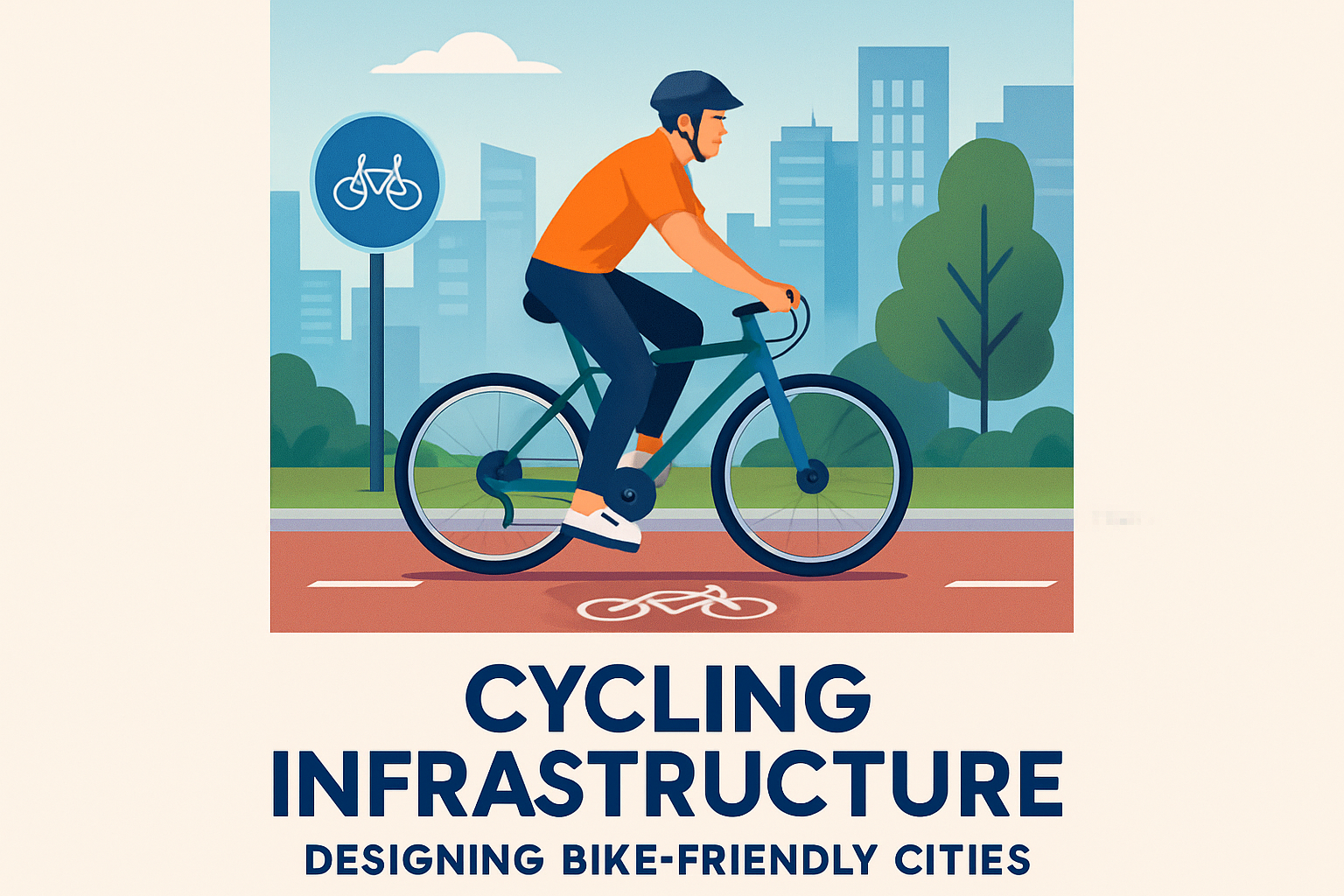
| Bike and scooter connections | Broadens reach to waterfronts, markets, and local events | Protected lanes, secure parking, regulated shared micromobility |
Events, nightlife, and the time dimension of mobility
Culture happens on a clock, and mobility systems often fail because they are designed around commuting peaks rather than event patterns. Museums draw daytime traffic, but concerts, sports, religious celebrations, and food markets often peak at night or on weekends. If service ends before events do, the cultural economy loses customers and workers face difficult journeys home. This is why temporal planning matters. Transport agencies should coordinate with venue calendars, festival permits, and seasonal tourism forecasts rather than treating cultural travel as incidental.
Barcelona, Berlin, and New York each show versions of this lesson. Cities with strong overnight or weekend service support denser nightlife ecosystems and reduce dependence on private cars. Special event trains, bus shuttles, and crowd-managed station operations can move thousands of people safely while protecting nearby residential streets from traffic overflow. During major festivals, temporary pedestrianization often improves both safety and atmosphere, allowing food stalls, performers, and public gathering to flourish.
Operational details are decisive. Clear last-train announcements, temporary fare staff, geofenced pickup zones for ride-hailing, and multilingual event signage can prevent confusion that damages the visitor experience. Freight and curb policy also play a role. Cultural streets overloaded with deliveries and parking can lose the public realm quality that makes them worth visiting in the first place. Good mobility management protects time, space, and mood.
Technology, data, and planning smarter cultural corridors
Cities now have better tools to understand how mobility and cultural participation interact. Mobile location data, smart card records, pedestrian counters, and anonymized trip data from apps can reveal when and how people reach cultural districts. Combined with venue ticketing, hospitality spending, and public realm observations, these datasets help planners identify gaps in service and opportunities for improvement. The key is to use data carefully, transparently, and with privacy protections.
In practice, the most useful approach is corridor planning. Instead of analyzing one museum or one station in isolation, cities should map complete cultural journeys: arrival gateway, transfer node, walking route, public space, venue cluster, and return trip. This method often shows that modest interventions create outsized benefits. A shaded sidewalk, protected bike parking, bus lane enforcement, or unified signage family can dramatically improve perceived access. The National Association of City Transportation Officials has repeatedly emphasized street design that prioritizes people over vehicle throughput, and that principle aligns directly with stronger cultural districts.
For this hub topic, the takeaway is broad but practical: urban mobility is not a background utility. It is part of cultural infrastructure. Cities that treat transportation, placemaking, and local identity as one system produce richer experiences for residents and visitors. Cities that plan them separately leave economic value unrealized and community access uneven.
The impact of urban mobility on cultural experiences is visible in every stage of city life, from everyday neighborhood rituals to major international events. When transport is affordable, legible, safe, and well timed, people participate more widely in museums, markets, music, food culture, heritage sites, nightlife, and public gatherings. When mobility is fragmented or exclusionary, culture becomes harder to reach and less representative of the city as a whole. Access, geography, authenticity, equity, event timing, and data-driven planning all shape this outcome.
The main benefit of getting mobility right is not only faster travel. It is a more connected civic culture in which residents and visitors can discover more places, support more local businesses, and feel greater belonging across neighborhood lines. That is especially important for a miscellaneous hub within urban mobility and transportation, because this subject links nearly every other subtopic: public transit, walkability, cycling, accessibility, tourism, curb management, land use, and digital wayfinding.
If you are building content or policy around urban mobility, treat cultural access as a core performance measure. Audit travel times to venues, review late-night service, examine first-and-last-mile barriers, and improve wayfinding where visitors hesitate. The cities that win long term are not simply the ones that move people fastest. They are the ones that help people experience the full character of the place. Start with one cultural corridor, measure the friction points, and improve the journey end to end.
Frequently Asked Questions
How does urban mobility influence the way people experience culture in a city?
Urban mobility affects cultural experience by shaping access, timing, comfort, and exposure. In simple terms, the easier it is to move through a city, the more likely people are to explore beyond the most famous landmarks and engage with a wider range of cultural spaces. A well-connected mobility system allows residents and visitors to reach museums, performance venues, markets, heritage districts, public art installations, and neighborhood festivals without excessive cost, confusion, or travel time. That means culture becomes something people participate in regularly rather than something reserved for special occasions or centrally located attractions.
Mobility also determines what people notice along the way. Walking routes, bike lanes, tram corridors, and bus networks expose people to street life, architecture, food scenes, local businesses, and informal cultural expression in ways that isolated car trips often do not. A person moving through a city on foot or by transit is more likely to discover a community mural, stop at a local café, hear live music in a plaza, or visit an independent bookstore in a neighborhood they had not planned to explore. In that sense, mobility is not just a logistical system; it is a cultural filter that influences what becomes visible, memorable, and meaningful.
Just as importantly, poor mobility can fragment cultural life. If transit is unreliable, pedestrian connections are unsafe, or certain districts are difficult to reach without a car, cultural participation becomes uneven. Some neighborhoods remain highly visible and well-visited while others are effectively excluded from the city’s shared cultural map. Over time, this shapes not only tourism patterns but also local identity, economic opportunity, and whose stories are recognized as part of the urban experience.
Why are public transportation and walkability so important for access to cultural neighborhoods?
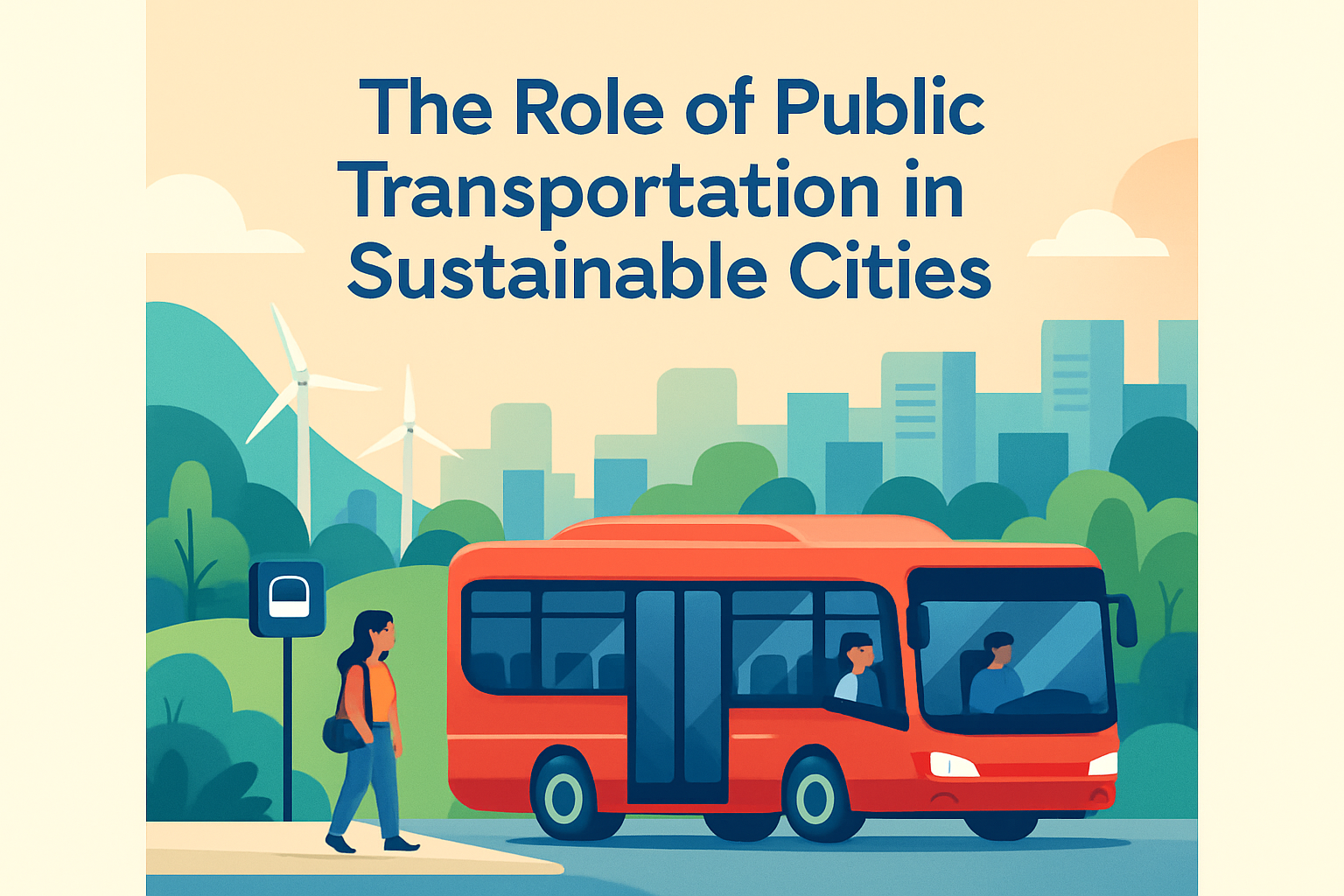
Public transportation and walkability are essential because they turn cultural access into something broad and practical rather than limited and selective. When buses, trams, metros, ferries, and commuter rail are affordable, frequent, and easy to understand, more people can reach cultural destinations across the city regardless of whether they own a car. That matters for students, older adults, lower-income residents, workers with limited free time, and visitors unfamiliar with local roads. Good transit expands the audience for cultural institutions and events while reducing the barriers that keep people in only a few well-known districts.
Walkability matters just as much because cultural experience does not begin at the museum entrance or theater door. It begins on the street. A walkable environment invites people to slow down, notice details, and interact with the city between destinations. Wide sidewalks, safe crossings, shade, lighting, clear signage, and active public spaces make it easier for people to move comfortably from transit stops to galleries, markets, historic sites, and community venues. These small design features can significantly affect whether an area feels welcoming and alive or difficult and disconnected.
Strong public transportation and walkability also support cultural districts economically. When people can arrive easily and continue exploring on foot, they are more likely to spend time and money at nearby restaurants, shops, and small creative businesses. Instead of making a single-purpose trip, they participate in a fuller neighborhood ecosystem. That helps local culture thrive not only through major institutions but through the everyday businesses and public spaces that give a place its character.
Can better urban mobility help people discover more authentic and diverse cultural experiences?
Yes, better urban mobility can significantly expand the range and authenticity of cultural experiences available to both residents and visitors. In many cities, the most heavily promoted cultural sites are concentrated in central areas that are already well served by tourism infrastructure. While those places may be important, they rarely tell the whole story of a city. Efficient transit, safe cycling infrastructure, and connected walking routes make it easier to reach outer neighborhoods, waterfront districts, ethnic enclaves, creative corridors, and community-centered spaces where everyday culture is actually lived.
This matters because cultural authenticity is often tied to local context rather than spectacle. Neighborhood food traditions, community festivals, independent art spaces, religious processions, live music venues, vernacular architecture, and public gathering spaces may not appear on every visitor map, but they are often central to the city’s identity. If those places are difficult to access, they remain invisible to many people. Better mobility reduces that invisibility and allows a city’s cultural narrative to become more layered, inclusive, and accurate.
At the same time, improved access should be managed thoughtfully. Making neighborhoods easier to reach can create economic opportunity for local businesses and cultural organizations, but it can also bring pressure through overcrowding, commercialization, or displacement if planning is not balanced. The goal is not simply to move more people into every cultural area, but to create mobility systems that support respectful, distributed exploration while protecting the communities that give those places their meaning.
What happens to local businesses and cultural venues when urban mobility is poorly designed?
When urban mobility is poorly designed, local businesses and cultural venues often suffer in direct and measurable ways. Limited transit service, unsafe streets, weak pedestrian connections, and traffic-heavy environments reduce the number of people who can reach an area conveniently. That affects foot traffic, event attendance, repeat visits, and spontaneous spending. A neighborhood may have excellent restaurants, independent galleries, music spaces, or historic assets, but if getting there feels inconvenient or stressful, many potential visitors will choose an easier destination.
Poor mobility can also shorten the amount of time people spend in a district. If parking is difficult, buses are infrequent, sidewalks are uncomfortable, or last-mile connections are weak, people are more likely to make quick, narrowly planned trips rather than linger and explore. That reduces the chance of secondary spending at bookstores, cafés, bars, artisan shops, and other small businesses that depend on a steady flow of people moving through the area. Cultural venues are especially vulnerable because their audiences often travel at peak evening hours, when safety, reliability, and ease of return travel become even more important.
Over time, these mobility challenges can reinforce inequality between neighborhoods. Well-connected districts continue to attract attention, investment, and media coverage, while culturally rich but less accessible areas remain under-visited and under-supported. This does not just hurt business revenue; it can weaken the broader cultural ecosystem by making it harder for smaller venues, local artists, and community institutions to sustain themselves. In that sense, mobility planning has long-term consequences for which cultural spaces survive, grow, or disappear.
How can cities improve urban mobility in ways that strengthen cultural life for residents and visitors?
Cities can strengthen cultural life by treating mobility and culture as part of the same planning conversation rather than as separate policy areas. A strong starting point is to map where cultural activity actually occurs, including not only major institutions but also neighborhood venues, public spaces, markets, festival sites, and community arts hubs. Once cities understand these patterns, they can align transit routes, service frequency, pedestrian improvements, bike networks, and wayfinding systems to better connect people with those places throughout the day and evening.
Practical improvements often include extended transit hours for nightlife and performances, safer walking routes to cultural districts, integrated fare systems, protected cycling lanes, accessible stations, multilingual signage, and better first-mile and last-mile connections. Even modest changes can have a major effect. For example, improving lighting and crossings between a metro stop and a theater district can increase attendance and make an area feel more welcoming. Coordinating ferry service with waterfront festivals or adding bus service to neighborhood events can broaden participation and spread visitor activity more evenly across the city.
Equity should remain central to these efforts. Cultural mobility should not only serve tourists or flagship institutions; it should also help residents access libraries, parks, community centers, local performances, and heritage spaces in all parts of the city. The most successful approach is one that supports discovery without displacement, convenience without overconcentration, and visibility for both iconic and everyday culture. When mobility is designed this way, it does more than move people efficiently. It helps a city feel connected, shared, and culturally alive.