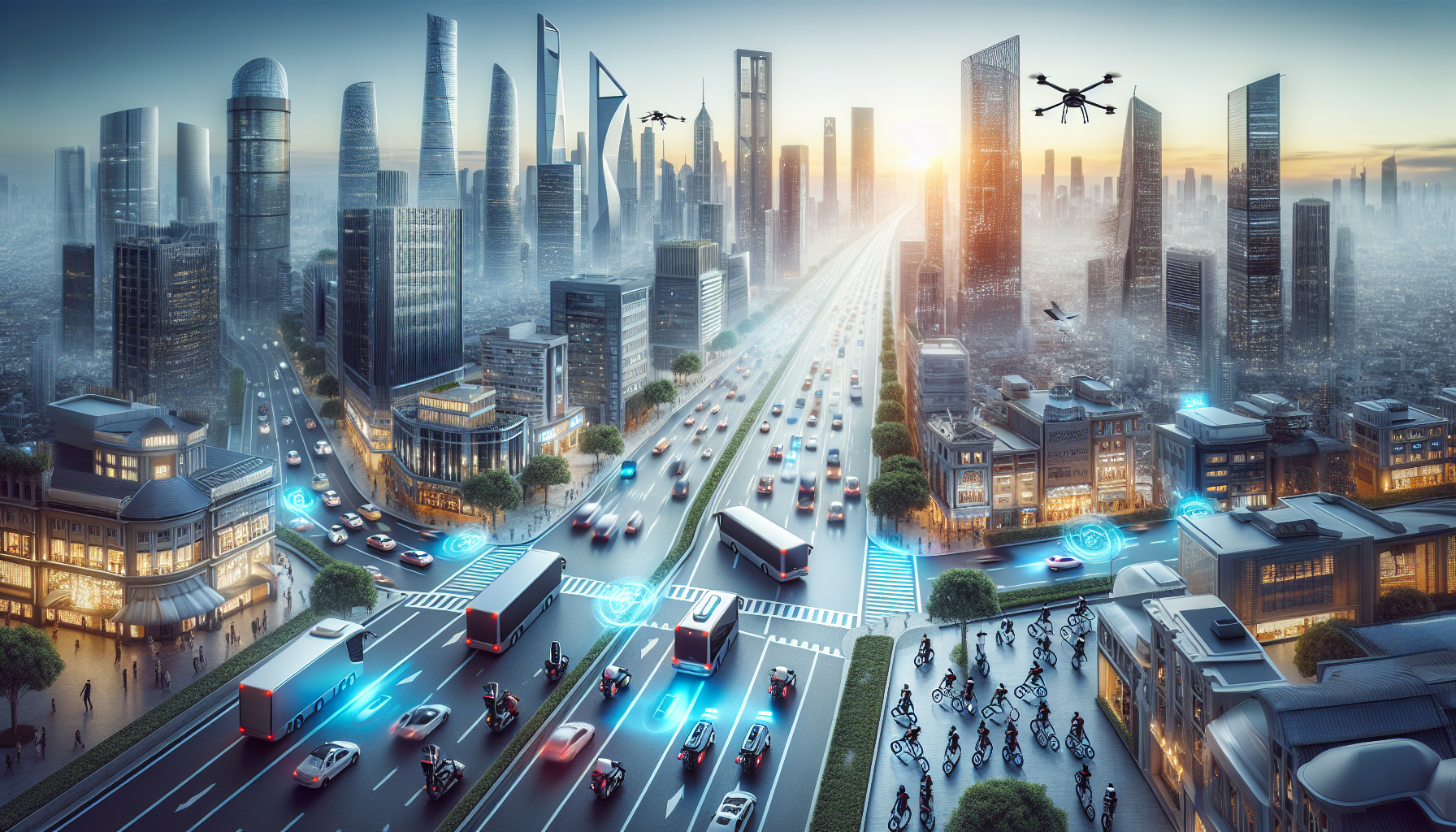
Urban mobility is being reshaped by technological advancements that affect how people, goods, and services move through cities every hour of the day. In practical terms, urban mobility includes public transit, walking, cycling, ride-hailing, freight delivery, parking, traffic management, and the digital systems that connect them. Technological advancements refer to tools such as sensors, mobile apps, electric drivetrains, connected vehicles, artificial intelligence, shared platforms, and integrated payment systems. I have worked on mobility content and system rollouts long enough to see a clear pattern: technology matters most when it solves everyday friction, not when it simply adds novelty. For city leaders, transport operators, employers, developers, and residents, the stakes are high because mobility shapes economic access, safety, emissions, land use, and quality of life. A commuter who can reliably combine rail, e-bike share, and contactless ticketing gains time and predictability. A city that uses adaptive traffic signals and curb management can reduce congestion without building more lanes. A delivery fleet that electrifies and optimizes routing can lower local air pollution in dense neighborhoods. This hub article explains the main ways technology is changing urban transportation, where benefits are real, where tradeoffs appear, and which related themes deserve deeper exploration across the broader urban mobility and transportation landscape.
Connected public transit and integrated journey planning
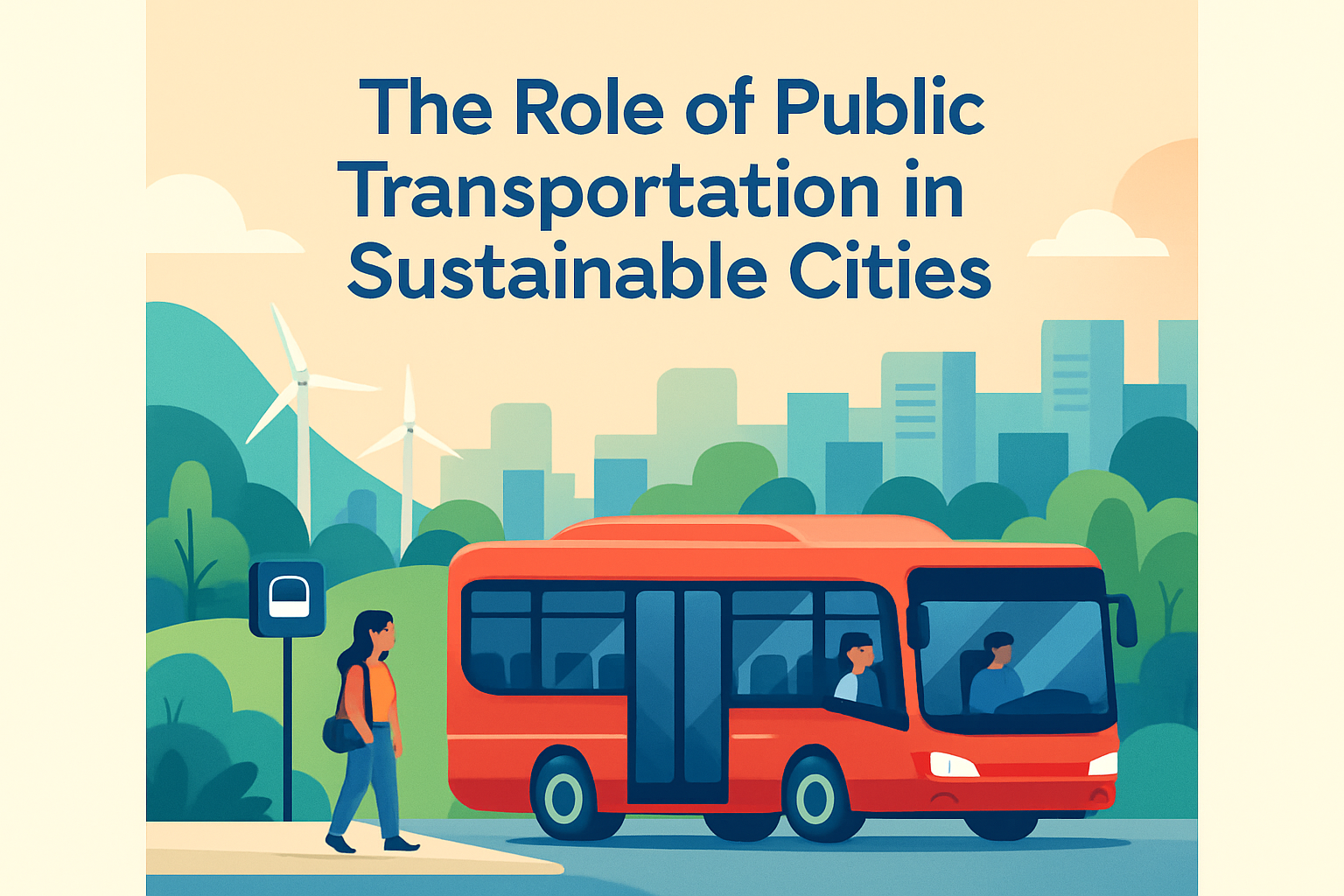
Public transit remains the backbone of high-capacity urban transportation, and recent technology has made it easier to use and manage. Real-time passenger information, automated vehicle location systems, and mobile trip planners reduce uncertainty, which is one of the biggest hidden barriers to transit adoption. When passengers know whether a bus arrives in three minutes or thirteen, they make better decisions and perceive the service as more reliable. Agencies such as Transport for London, Singapore’s Land Transport Authority, and New York’s MTA have invested heavily in live arrival feeds, open data, and service alerts because rider confidence depends on information as much as infrastructure.
Integrated journey planning expands that value by combining multiple modes in one interface. A traveler can compare subway, bus, bike share, walking, and ride-hailing within a single app, then pay with one account. In many cities, contactless open-loop payment using bank cards or mobile wallets has reduced boarding times and lowered the friction of buying separate tickets. The result is not merely convenience. Faster boarding improves dwell times, dwell time improvements support schedule adherence, and better schedule adherence strengthens network reliability. That chain reaction is one reason transit technology delivers systemwide impact when implemented well.
There are limits. Real-time information is only useful if vehicle location data are accurate and communication systems are resilient. Integrated apps can also exclude people without smartphones or bank accounts. The best transit modernization programs keep paper options, station vending, and concession fares while expanding digital access. Technology strengthens public transit most effectively when it broadens inclusion instead of assuming every rider is fully connected.
Electric vehicles, charging networks, and cleaner city fleets
Electrification is one of the most visible technological shifts in urban mobility because it directly affects local air quality, operating costs, and noise. Battery electric buses, delivery vans, taxis, car-share fleets, and private vehicles are increasingly common in cities that pair vehicle incentives with charging infrastructure. The International Energy Agency has repeatedly documented strong global growth in electric vehicle adoption, with city policies playing a central role through fleet procurement, low-emission zones, and curbside charging programs.
In dense urban settings, fleet electrification often matters more than private consumer adoption. A diesel bus or van runs many hours per day and travels predictable routes, so replacing it can deliver outsized pollution benefits. I have seen transit agencies prioritize depot charging for buses because overnight charging aligns well with scheduled operations, while parcel carriers often use route optimization software to determine where medium-duty electric vans can reliably replace combustion vehicles first. Electric drivetrains also reduce brake wear through regenerative braking, which can lower maintenance in stop-and-go traffic.
Still, charging is the decisive constraint. Cities need a mix of depot charging, public fast charging, workplace charging, and in some districts curbside solutions for residents without off-street parking. Grid capacity, permitting delays, and charger uptime are not minor details; they determine whether electrification scales. Policymakers also need to distinguish between headline charger counts and functional availability. A city with many broken chargers has not built a usable network. Cleaner fleets are achievable, but the transition succeeds only when infrastructure planning, utility coordination, and asset management are treated as core mobility work.
Shared mobility, micromobility, and first-mile last-mile access
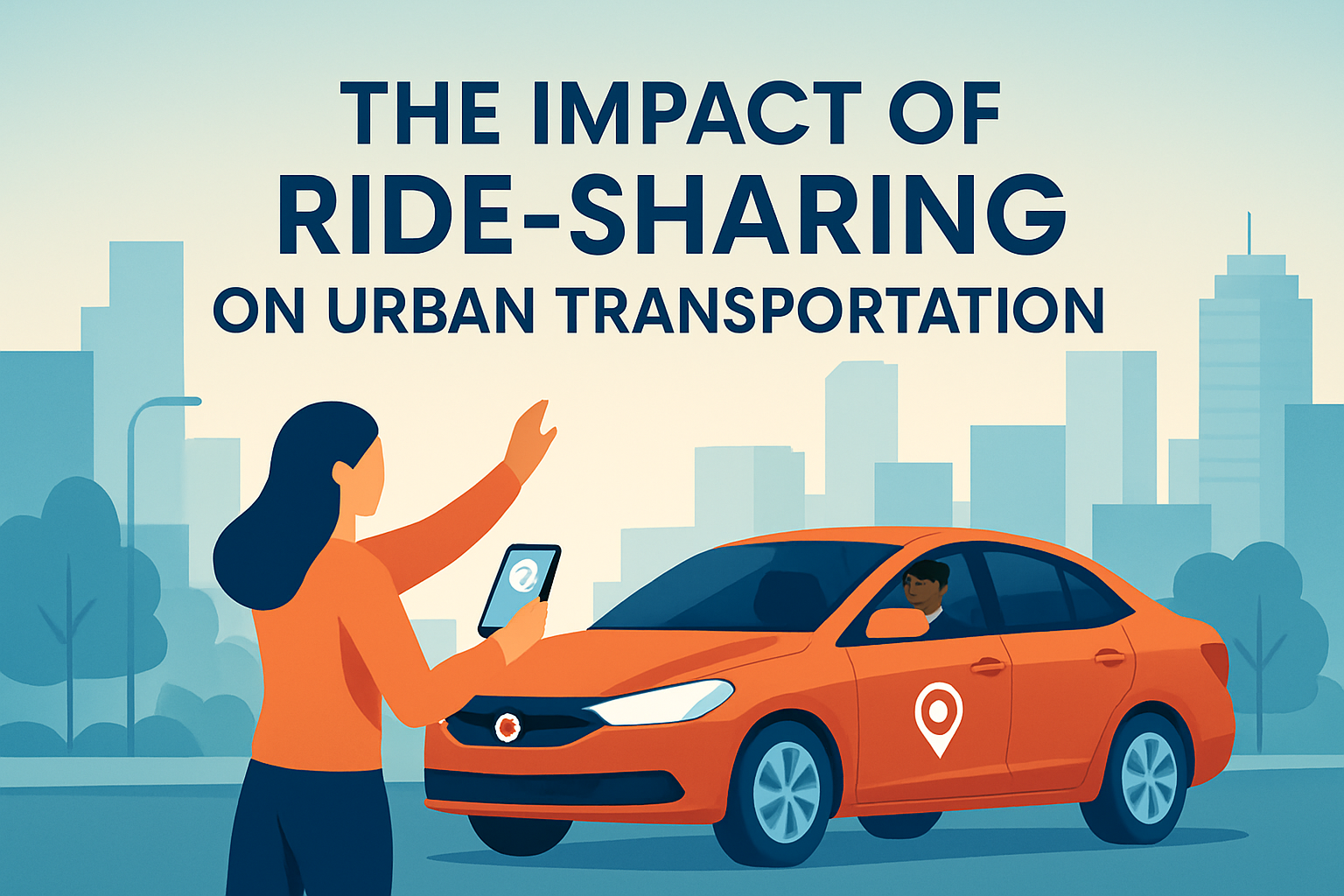
Shared mobility services have expanded the definition of urban transportation beyond privately owned cars and fixed-route transit. Bike share, scooter share, car share, ride-hailing, and demand-responsive shuttles offer flexible options for short trips and first-mile last-mile connections. In districts where rail stations are slightly beyond comfortable walking distance, a bike share dock or properly managed scooter network can close the gap and increase transit catchment areas. That matters because access to stations often determines whether people use high-capacity transit at all.
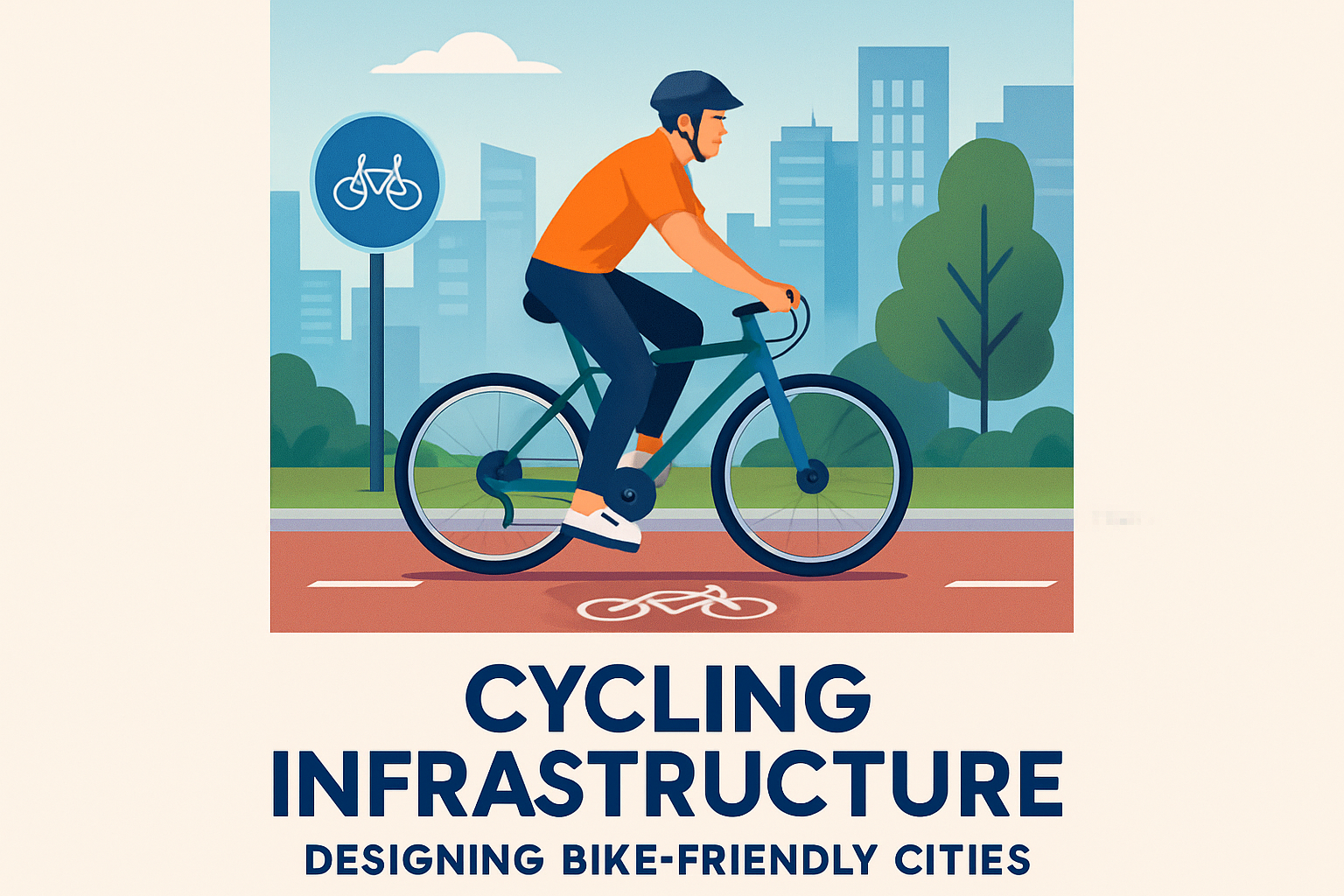
Micromobility has been especially influential for trips under five kilometers. Electric bikes flatten hills, extend feasible trip lengths, and make cycling accessible to older riders and less athletic commuters. Cities such as Paris, Copenhagen, and Amsterdam demonstrate that when protected cycling infrastructure is paired with reliable bike availability and secure parking, cycling can become a mainstream transport mode rather than a niche behavior. Shared systems also generate operational data on demand peaks, route choice, and turnover, helping planners identify where lanes or parking corrals are most needed.
However, unmanaged growth creates backlash. Sidewalk clutter, unsafe riding behavior, uneven service in lower-income neighborhoods, and volatile operator business models have all undermined public trust in some markets. The lesson is straightforward: technology platforms need public rules. Cities that set parking requirements, data standards, safety expectations, and equity obligations usually achieve better results than cities that treat shared mobility as a purely private experiment. Flexible services are valuable, but they work best as a complement to transit and walking, not as a replacement for them.
Data, artificial intelligence, and smarter traffic operations
Data-driven traffic management has advanced quickly because cities now collect information from loop detectors, cameras, connected vehicles, GPS traces, transit feeds, parking systems, and mobile devices. Artificial intelligence and machine learning are being used to optimize signal timing, detect incidents, forecast congestion, and manage curb space. The practical goal is simple: use the existing street network more efficiently before spending years and billions on major expansion projects.
Adaptive signal control is a proven example. Instead of relying only on fixed timing plans, adaptive systems adjust green time based on actual traffic conditions. In corridors with variable demand, this can reduce delay and improve bus progression. Freight operators also benefit when loading zones are monitored digitally and curbside rules are enforced with modern tools. E-commerce growth has turned curbs into scarce logistics infrastructure, and cities that ignore that shift often end up with double parking, blocked bike lanes, and slower buses.
| Technology | Primary use in cities | Typical benefit | Main limitation |
|---|---|---|---|
| Adaptive traffic signals | Dynamic intersection control | Lower delay and better flow | Needs high-quality detection data |
| Transit real-time feeds | Arrival predictions and dispatching | Higher rider confidence | Poor data accuracy erodes trust |
| Curb management platforms | Loading, parking, pickup allocation | Less double parking | Requires enforcement and clear policy |
| Route optimization software | Delivery and fleet planning | Lower mileage and emissions | Depends on good map and demand inputs |
Yet smarter traffic operations are not automatically better urban mobility. If optimization focuses only on vehicle throughput, it can make walking crossings longer, increase speeds, and undermine safety goals. The strongest city programs align traffic technology with a broader street hierarchy that prioritizes transit reliability, pedestrian safety, emergency access, and freight efficiency in the right places. Data tools are powerful, but the policy objective must come first.
Autonomous vehicles, connected systems, and safety technology
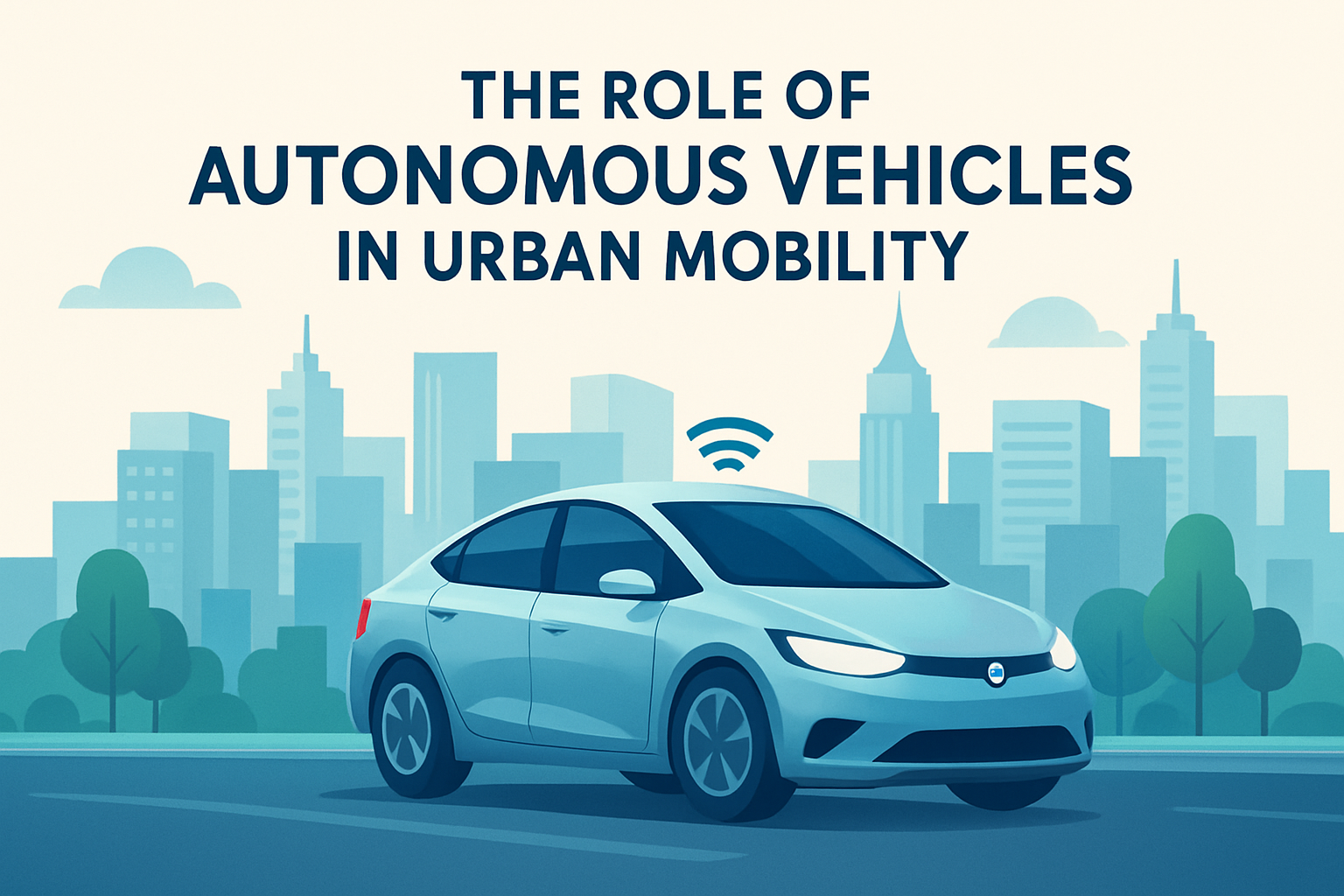
Autonomous vehicles attract enormous attention, but their urban impact remains more conditional than many headlines suggest. The most immediate gains today come from driver assistance and connected safety systems rather than fully driverless city travel. Automatic emergency braking, blind spot detection, lane keeping assistance, intelligent speed assistance, and connected intersection warnings can reduce crashes when deployed well. For buses and trucks operating in dense areas, 360-degree visibility systems and pedestrian detection are particularly important because vulnerable road users face the highest risk in turning conflicts.
Connected vehicle technology can also improve priority at intersections, emergency response routing, and hazard communication. A bus approaching a signalized junction may request priority to stay on schedule. An emergency vehicle can preempt signals to reduce response times. These are useful applications because they target specific operational problems with measurable outcomes. By contrast, fully autonomous ride services still face difficult edge cases in mixed urban traffic, especially around construction zones, unpredictable pedestrian behavior, severe weather, and complex curb activity.
Cities should therefore assess automation by use case, not by hype cycle. Controlled environments such as airport shuttles, port logistics, campus loops, or fixed freight corridors are generally more realistic near-term settings than unrestricted central business districts. Safety claims should be judged against transparent reporting, independent validation, and clear operating design domains. Urban mobility benefits when automation is introduced where it clearly improves safety or efficiency, not where it merely generates publicity.
Governance, equity, cybersecurity, and the future urban mobility agenda
The biggest lesson from technological advancements in urban mobility is that governance determines outcomes. The same app, vehicle, or analytics platform can either improve access or widen inequality depending on pricing, coverage, interoperability, and regulation. Equity matters because mobility is access to work, education, health care, and public life. If new services cluster only in affluent districts, require smartphones, or price surge during peak need, technology can deepen transport disadvantage rather than solve it.
Cities are responding with policy tools such as service area requirements, fare capping, open data standards, accessibility rules, and procurement frameworks that tie public goals to private delivery. The General Transit Feed Specification has helped standardize transit data, while frameworks from organizations such as NACTO and the International Transport Forum have shaped best practice on street design, micromobility, and safety. At the same time, cybersecurity has become a serious mobility issue. Transit agencies, toll systems, traffic control centers, and connected fleets all rely on digital infrastructure that can be disrupted by ransomware, software failure, or poor vendor management. Resilience now includes patching systems, segmenting networks, maintaining offline procedures, and planning for recovery.
Looking ahead, the future urban mobility agenda will center on integration. Travelers want one coherent system, not a patchwork of disconnected options. That means physical integration at stations and curbs, digital integration across apps and payment, and policy integration across land use, freight, energy, and street design. The cities that benefit most from technology will be the ones that ask disciplined questions: Does this improve safety? Does it expand access? Does it cut emissions? Does it make the network easier to understand and use? If the answer is yes, scale it. If not, redesign it or move on.
Technological advancements are transforming urban mobility, but the core principle is remarkably consistent: the best innovations remove friction from everyday travel while supporting broader city goals. Real-time transit information improves confidence and reliability. Integrated payment and journey planning make multimodal trips practical. Electric fleets reduce local emissions and noise when charging networks are dependable. Shared mobility and micromobility extend reach, especially for first-mile last-mile travel, when regulation keeps streets orderly and services equitable. Data platforms and artificial intelligence help cities manage traffic, curbs, and freight more intelligently, provided success is measured by safety and access instead of speed alone. Automation and connected systems hold promise, yet the strongest results today come from targeted safety applications and controlled deployments rather than sweeping claims about fully autonomous cities.
For anyone building, managing, or studying urban transportation, the main benefit of technology is not that it replaces traditional mobility systems. It is that it can connect, modernize, and optimize them. Streets still need good design. Transit still needs frequency. Walking still needs safety and comfort. Technology amplifies those fundamentals when policy, infrastructure, and operations are aligned. It also exposes weak governance quickly when tools are deployed without clear objectives, inclusive access, or resilient maintenance.
Use this hub as a starting point for deeper exploration across the miscellaneous urban mobility landscape, from charging strategy and curb management to micromobility regulation, traffic analytics, and connected safety systems. Review your city or organization through that practical lens, identify the biggest friction points, and focus next on the technologies that solve real mobility problems at scale.
Frequently Asked Questions
1. How are technological advancements changing urban mobility in everyday city life?
Technological advancements are transforming urban mobility by making transportation systems more connected, responsive, and efficient across the full range of daily travel needs. In practical terms, this means people can now plan trips, compare travel options, pay fares, book rides, locate parking, and receive real-time service updates directly from their phones. Public transit agencies use GPS, sensors, and data platforms to track vehicles, improve scheduling, and communicate delays more accurately. At the same time, cities are applying intelligent traffic management tools to monitor congestion, adjust signal timing, and respond faster to incidents on busy roads.
The impact goes far beyond convenience. Technology is helping cities move from isolated transportation modes toward integrated mobility networks. Instead of treating buses, trains, bike-share, ride-hailing, walking, and freight delivery as separate systems, digital platforms increasingly connect them into one ecosystem. This supports smoother first-mile and last-mile travel, shortens waiting times, and helps residents choose the most practical route based on time, cost, and availability. For businesses and service providers, the same innovations improve dispatching, route optimization, delivery efficiency, and fleet management. Overall, technological progress is reshaping urban mobility into a more dynamic, data-driven system that better reflects how cities actually function every hour of the day.
2. What role do mobile apps, data, and artificial intelligence play in modern urban transportation?
Mobile apps, data analytics, and artificial intelligence now sit at the center of many urban transportation systems. Mobile apps act as the user-facing layer, allowing travelers to access real-time arrivals, digital tickets, trip planning tools, multimodal route suggestions, and shared mobility services from a single interface. These apps reduce uncertainty, which is one of the biggest barriers to using public or shared transportation. When people know when the next bus is arriving, where a nearby bike is available, or how long a ride-hailing trip will take, they can make decisions with more confidence and less friction.
Behind the scenes, data is what makes that experience possible. Sensors, cameras, GPS devices, connected vehicles, fare systems, and user interactions generate large volumes of information about traffic flow, demand patterns, travel speeds, curb usage, and service performance. Transportation agencies and private mobility providers use this data to identify bottlenecks, redesign routes, allocate vehicles more effectively, and forecast peak demand. Artificial intelligence adds another layer by helping systems recognize patterns and automate decisions at scale. AI can optimize traffic signals, improve dispatching for public transit and delivery fleets, support predictive maintenance, and anticipate congestion before it worsens. When used well, these technologies make urban transportation more adaptive and efficient, though they also require careful oversight around privacy, transparency, and equitable service access.
3. How do electric vehicles and connected vehicles influence the future of city mobility?
Electric vehicles and connected vehicles are playing a major role in redefining how mobility works in urban environments. Electric vehicles, including private cars, buses, delivery vans, scooters, and bicycles, help reduce tailpipe emissions and lower noise levels, which is especially important in dense city neighborhoods. As more municipal fleets, transit agencies, and logistics companies adopt electric drivetrains, cities have an opportunity to improve air quality and align transportation systems with broader climate and public health goals. Electric mobility also encourages new planning priorities, such as charging infrastructure placement, grid coordination, and fleet scheduling that reflects real-world urban travel patterns.
Connected vehicles add a different but equally important dimension. These vehicles can exchange information with infrastructure, traffic systems, and sometimes with other vehicles, creating opportunities for safer and more coordinated movement. For example, connected technology can warn drivers about hazards, support transit signal priority for buses, assist with fleet tracking, and improve routing based on live road conditions. In freight and delivery operations, connected systems help monitor vehicle performance, reduce idle time, and manage routes more precisely. Over time, the combination of electrification and connectivity can make urban mobility cleaner, smarter, and more efficient. However, the full benefits depend on strong infrastructure investment, interoperable standards, and policies that ensure these gains are shared across all communities rather than concentrated only in high-income or high-tech districts.
4. Can technology make urban mobility more sustainable and less congested?
Yes, technology can make urban mobility more sustainable and reduce congestion, but the results depend on how those tools are implemented. Digital systems can improve the efficiency of public transit, coordinate traffic signals, support shared transportation, and guide travelers toward lower-impact modes such as walking, cycling, and transit. Real-time information helps people avoid unnecessary delays and choose less crowded routes or travel times. Route optimization tools reduce wasted mileage for delivery fleets and service vehicles. Smart parking systems can decrease the time drivers spend circling for spaces, which is a surprisingly significant source of urban congestion in many city centers.
Technology also supports sustainability by helping cities measure what is happening on the ground and respond with evidence-based policy. Data from curbside sensors, travel apps, transit networks, and vehicle fleets can reveal where roads are overloaded, where bus service is unreliable, and where infrastructure for active transportation is missing. That information allows cities to target improvements more effectively. Still, technology alone does not guarantee better outcomes. Some digital services can increase vehicle trips if they pull riders away from public transit or encourage more on-demand driving. For that reason, the most effective urban mobility strategies combine technology with thoughtful planning, pricing, street design, and public investment. When those elements work together, cities can reduce emissions, improve travel reliability, and make limited street space function more productively.
5. What challenges do cities face when adopting new mobility technologies?
Cities face several important challenges when adopting new mobility technologies, even when the long-term benefits are promising. One of the biggest issues is integration. Urban mobility involves many different stakeholders, including transit agencies, municipal governments, ride-hailing companies, freight operators, infrastructure providers, and residents. Bringing these systems together into a coordinated framework is technically and institutionally difficult. Legacy infrastructure may not be designed for digital upgrades, and data systems often operate in separate silos. Funding is another major constraint, especially for cities trying to modernize transit, build charging infrastructure, deploy sensors, and maintain cybersecurity at the same time.
Equity, privacy, and governance are also central concerns. Not all residents have equal access to smartphones, bank accounts, reliable internet service, or app-based mobility tools, which means digital transportation solutions can unintentionally exclude the people who most need affordable and dependable travel options. At the same time, connected systems collect large amounts of data, raising valid questions about surveillance, data ownership, and public accountability. Cities must also evaluate whether new technologies genuinely improve mobility outcomes or simply introduce new layers of complexity. The strongest adoption strategies focus not just on innovation for its own sake, but on measurable public value: safer streets, better transit service, cleaner air, improved accessibility, and more efficient movement of people and goods. In that sense, successful technology adoption in urban mobility is as much about governance and public trust as it is about software, vehicles, or infrastructure.