The concept of smart cities has gained significant momentum over recent years, shaping the future trajectory of urban development across the globe. At its core, a smart city leverages advanced technologies and data-driven solutions to enhance the quality of life for its residents, improve sustainability, and provide efficient services. The integration of such innovative technologies into urban environments is not just a fleeting trend; it represents a fundamental shift in how cities are planned and managed. This shift has profound implications for urban planning, as traditional approaches must adapt to incorporate the nuanced demands and opportunities presented by smart city technologies.
Urban planning has historically been a discipline rooted in optimizing space, resources, and infrastructure to meet the needs of growing populations. However, as technological advancements continue to emerge, planners now have access to a plethora of new tools that allow them to create urban environments that are more responsive, resilient, and sustainable. Smart city technologies encompass a wide range of systems, including but not limited to Internet of Things (IoT) devices, artificial intelligence (AI), automation, big data analytics, and enhanced communication networks. These technologies collectively provide a dynamic framework through which cities can be more effectively planned and sustained.
The advent of smart city initiatives necessitates a rethinking of urban planning paradigms, directing the focus toward holistic development which prioritizes residents’ well-being, environmental stewardship, and economic viability. With this comprehensive approach, cities not only address current urban challenges but also anticipate future needs. As such, understanding the impact of smart city technologies on urban planning is crucial for policymakers, urban planners, and stakeholders to ensure that developmental objectives are achieved efficiently and equitably.
Enhanced Data Collection and Decision Making
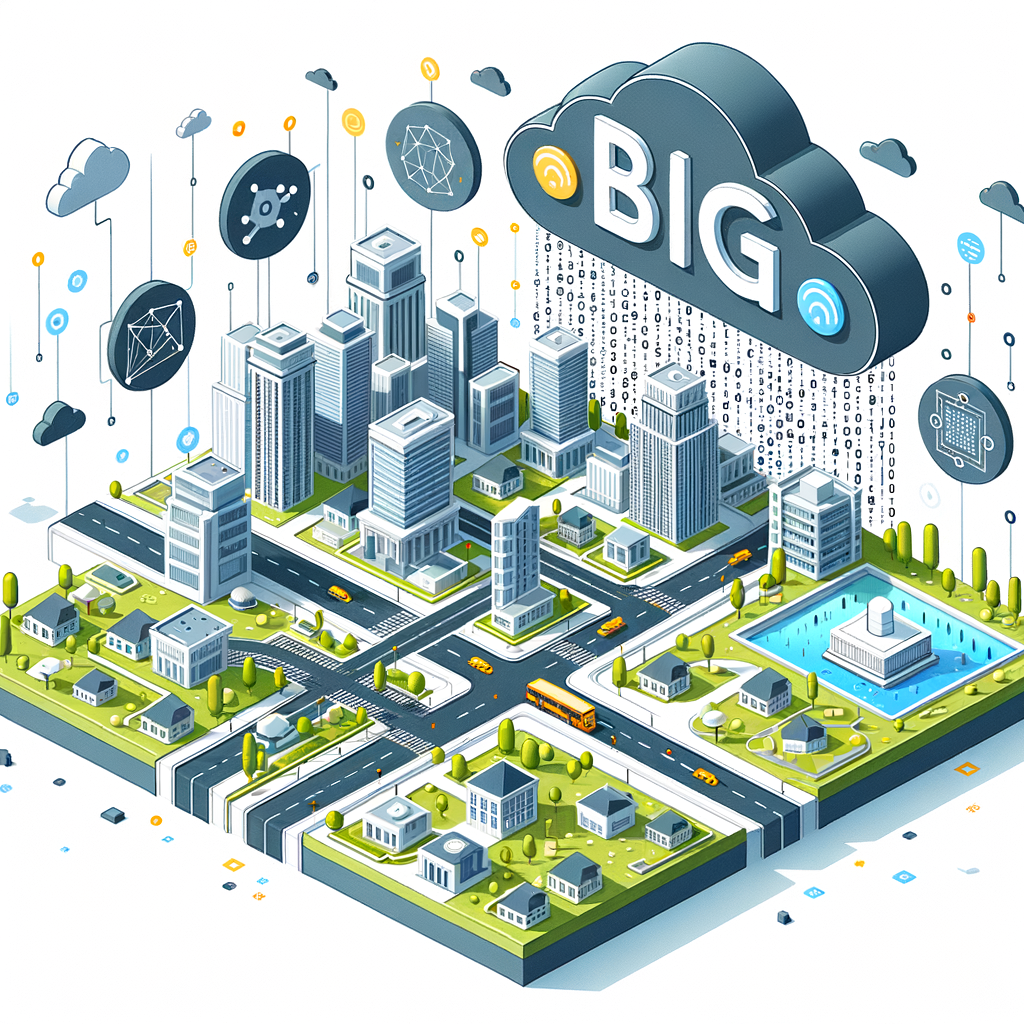
One of the most significant impacts of smart city technologies on urban planning is the enhanced ability to collect, analyze, and utilize data. Traditional urban planning relies heavily on historical and often static data; however, smart city technologies enable real-time data collection from various sources, such as sensors, cameras, and IoT devices scattered throughout the urban environment. This influx of real-time data allows urban planners to make more informed decisions that reflect current conditions and emerging trends.
For instance, traffic management systems benefit significantly from real-time data analytics, enabling city planners to design traffic flow patterns that mitigate congestion and reduce travel times. By analyzing data on vehicle movements, pedestrian flows, and public transport usage, planners can develop adaptive traffic signals and manage roadway usage more efficiently. Similarly, data-driven insights into energy consumption patterns can guide the development of smarter grids and renewable energy integration, ensuring that the city’s energy demands are met sustainably.
Furthermore, data analytics plays a crucial role in understanding urban dynamics and citizen behavior. By examining data from social media interactions, mobile usage, and community surveys, planners can gain valuable insights into the needs and expectations of the populace. This knowledge translates into more citizen-focused urban development projects, leading to enhanced public satisfaction and engagement. In essence, smart city technologies transform urban planning into a more agile and responsive field, where data-driven decision-making is at the forefront of sustainable development.
Improved Infrastructure and Resource Management
Smart city technologies have a profound impact on infrastructure and resource management within urban environments. By integrating intelligent systems into essential infrastructure, cities can optimize resource allocation, reduce waste, and enhance service delivery. For example, smart water management systems utilize sensors to monitor usage patterns, detect leaks in real-time, and automate the distribution of water resources. This efficient management ensures a reliable supply of clean water, minimizes waste, and reduces costs.
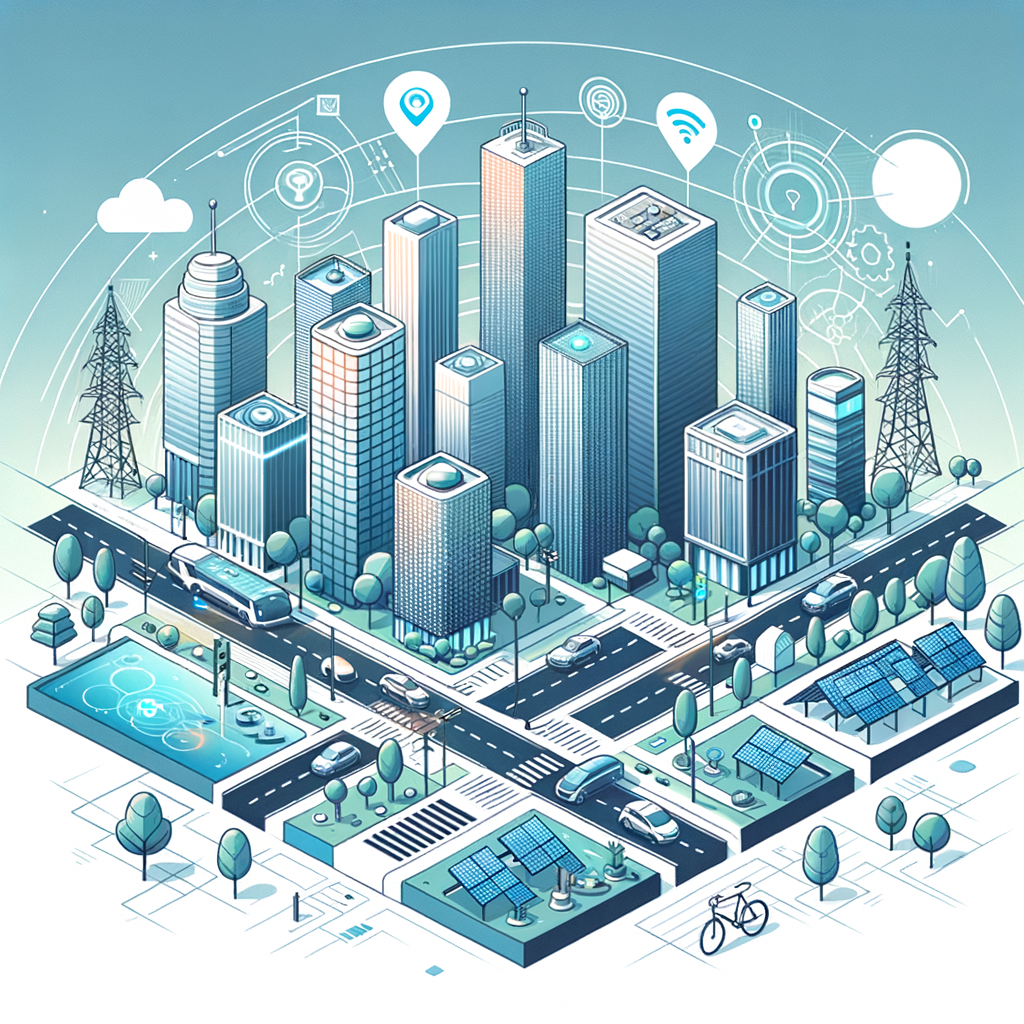
Similarly, waste management in smart cities is significantly more efficient due to smart bins that communicate fill levels to waste collection services. This connectivity enables more strategic scheduling of waste pickups, reducing unnecessary trips, and minimizing carbon emissions. Moreover, the smart grid systems within these cities facilitate intelligent electricity distribution, conserving energy and accommodating renewable sources such as solar and wind power. The integration of these technologies provides planners and city administrators with the ability to manage resources with unprecedented precision and foresight.
The networking of urban infrastructure also plays a critical role in ensuring public safety and enhancing emergency response capabilities. Smart city technologies enable rapid communication between emergency services and affected areas, improving response times and coordination. Additionally, predictive analytics allow cities to anticipate potential issues, whether due to natural disasters or infrastructure failures, and devise appropriate risk mitigation strategies. Consequently, urban planners now incorporate these technologies into emergency preparedness plans, ensuring cities are resilient and capable of responding effectively to threats.
Elevating the Quality of Urban Life
The development of smart cities fundamentally transforms the quality of life within urban centers. By creating more sustainable, efficient, and livable environments, smart city technologies cater to the needs of residents and improve overall satisfaction. For instance, integrating IoT with public transportation networks ensures seamless connectivity, reducing transit times, and increasing convenience. Features such as real-time tracking of buses and trains and dynamic scheduling based on commuter demand simplify everyday commuting experiences.
Additionally, smart cities prioritize environmental sustainability, directly impacting urban health and quality of life. Through advanced monitoring systems that track air quality, noise levels, and other environmental factors, cities can implement strategic policies aimed at pollution reduction and environmental preservation. Green spaces and urban farms become more accessible and integrated into the city fabric, enhancing residents’ well-being and mitigating urban heat island effects. Urban planners can thus emphasize environmentally-friendly designs that champion the harmonious co-existence of urban living and nature.
Moreover, smart city technologies empower citizens through digital platforms that facilitate engagement and participation in civic activities. Enhanced communication channels between government agencies and citizens promote transparency and accountability, fostering a culture of trust and cooperation. Citizen-centric apps, online feedback portals, and community forums encourage residents to voice concerns, provide feedback, and actively participate in urban development processes. This participatory approach not only empowers citizens but also ensures that urban planning is inclusive and reflective of community needs.
Encouraging Economic Growth and Innovation
The infusion of smart city technologies into urban planning acts as a catalyst for economic growth and innovation. By fostering environments that are conducive to business development, smart cities attract investment, create jobs, and spur technological advancements. Enhanced connectivity, smart infrastructure, and efficient service delivery create a thriving ecosystem for businesses to flourish and innovate. This growth is particularly evident in sectors such as technology, clean energy, and urban mobility, which are pivotal to smart city initiatives.
Moreover, smart cities encourage the development of smart industries and entrepreneurship, promoting innovation hubs and tech incubators that contribute to regional economic vitality. As cities become more interconnected, opportunities for collaboration and knowledge sharing increase, attracting talent and fostering skill development. Urban planners play a pivotal role in facilitating these economic opportunities by integrating spaces for innovation and industrial development into city plans while aligning them with sustainability goals.
In fostering economic growth, smart cities also provide a robust platform for implementing green initiatives that enhance economic resilience. Through energy-efficient buildings, renewable energy projects, and sustainable transportation solutions, smart cities reduce costs and leverage economic advantages that come with sustainable policies. Urban planning, therefore, must integrate such technologies and methodologies to maximize economic benefits while ensuring environmental sustainability remains paramount.
Conclusion
As urban populations continue to rise, the integration of smart city technologies into urban planning is no longer optional; it is a necessity. These technologies significantly enhance the ability of cities to address a myriad of complex urban challenges, from resource management and infrastructure efficiency to citizen engagement and economic development. Therefore, urban planners must embrace these technologies to create resilient, responsive, and thriving urban environments.
The impact of smart city technologies is multifaceted, affecting various aspects of urban life and planning, including improved data collection, infrastructure management, quality of life, and economic growth. By incorporating real-time data analytics, planning can be more adaptive and precise, responding effectively to the needs of residents and the environment. Furthermore, the focus on sustainability and citizen engagement ensures that urban development remains inclusive and equitable, empowering communities to shape the cities of the future.
Ultimately, the corresponding evolution in urban planning driven by smart city technologies holds the promise of transforming cities into dynamic centers of innovation, sustainability, and human well-being. For urban planners, the challenge lies in effectively harmonizing these technological advancements with strategic development goals to maximize benefits and foster an inclusive urban future. As we move forward, the collaboration between technology and urban planning will define the landscapes of our cities and shape the way we inhabit them, creating spaces that are not only functional but also enrich the lives of their residents.