Shared mobility has moved from a niche urban experiment to a permanent part of city transportation systems, and its effect on traditional public transit is now one of the most important questions in urban mobility planning. Shared mobility refers to transportation services used on demand by multiple users rather than owned privately, including ride-hailing, carsharing, bikesharing, scooter sharing, vanpools, and demand-responsive shuttles. Traditional public transit usually means fixed-route, fixed-schedule services such as buses, subways, commuter rail, trams, and ferries operated by public agencies or regulated contractors. The relationship between these modes is not simple competition. In practice, I have seen shared mobility both strengthen and weaken transit, depending on price, street design, regulation, and how well services connect.
This topic matters because cities are trying to reduce congestion, emissions, travel inequality, and household transportation costs at the same time. Public transit remains the most space-efficient way to move large numbers of people through dense corridors, yet many trips begin or end far from major stops. Shared mobility can solve that first-mile and last-mile problem, fill gaps during off-peak hours, and give riders more flexible choices. It can also draw passengers away from buses and trains, increase vehicle miles traveled, and make curb management harder. For transportation agencies, the stakes are financial as well as operational. Fare revenue, ridership trends, labor needs, capital planning, and service design all change when travelers can compare transit with app-based alternatives in seconds.
As a hub article under urban mobility and transportation, this guide covers the broad miscellaneous landscape around shared mobility and public transit. It explains where substitution happens, where complementarity is strongest, how data and regulation shape outcomes, what equity issues cities must address, and which policy tools actually work. The key point is direct: shared mobility does not automatically help or harm transit. Its impact depends on context, and cities that treat it as part of an integrated network perform better than cities that let each mode evolve in isolation.
How Shared Mobility Changes Ridership Patterns
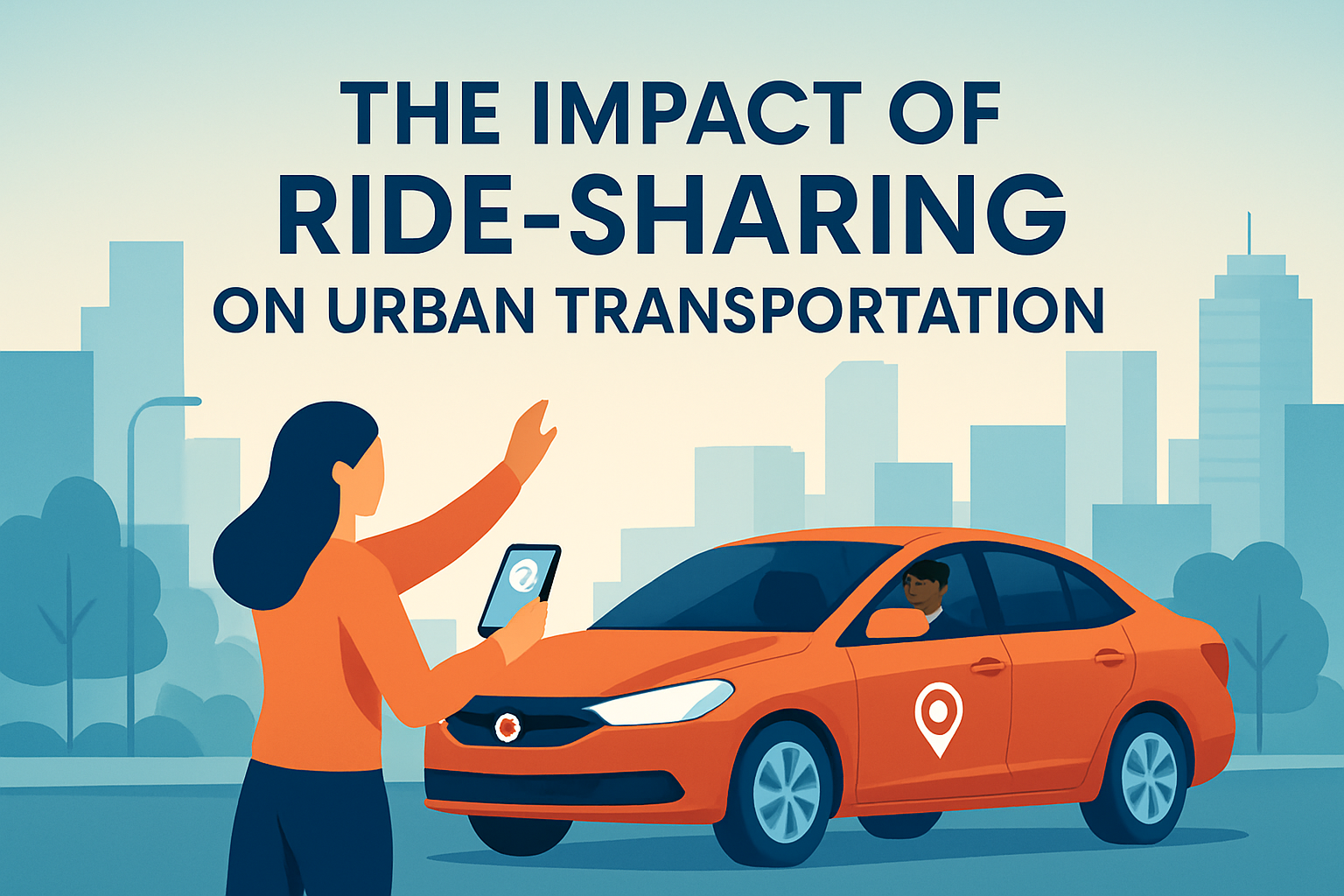
The most immediate impact of shared mobility on traditional public transit is ridership redistribution. Ride-hailing services such as Uber, Lyft, Didi, and Bolt often attract people who would otherwise ride buses, especially at night, in low-density districts, or on trips requiring multiple transfers. Academic studies in major North American cities have linked ride-hailing growth with declines in bus ridership, while effects on rail are more mixed because rail tends to serve faster, higher-capacity corridors where transit keeps a clear travel time advantage. In dense downtowns, I have repeatedly observed that rail remains resilient when stations are frequent and service is reliable, but local bus routes become vulnerable if app-based trips are inexpensive and waiting times are short.
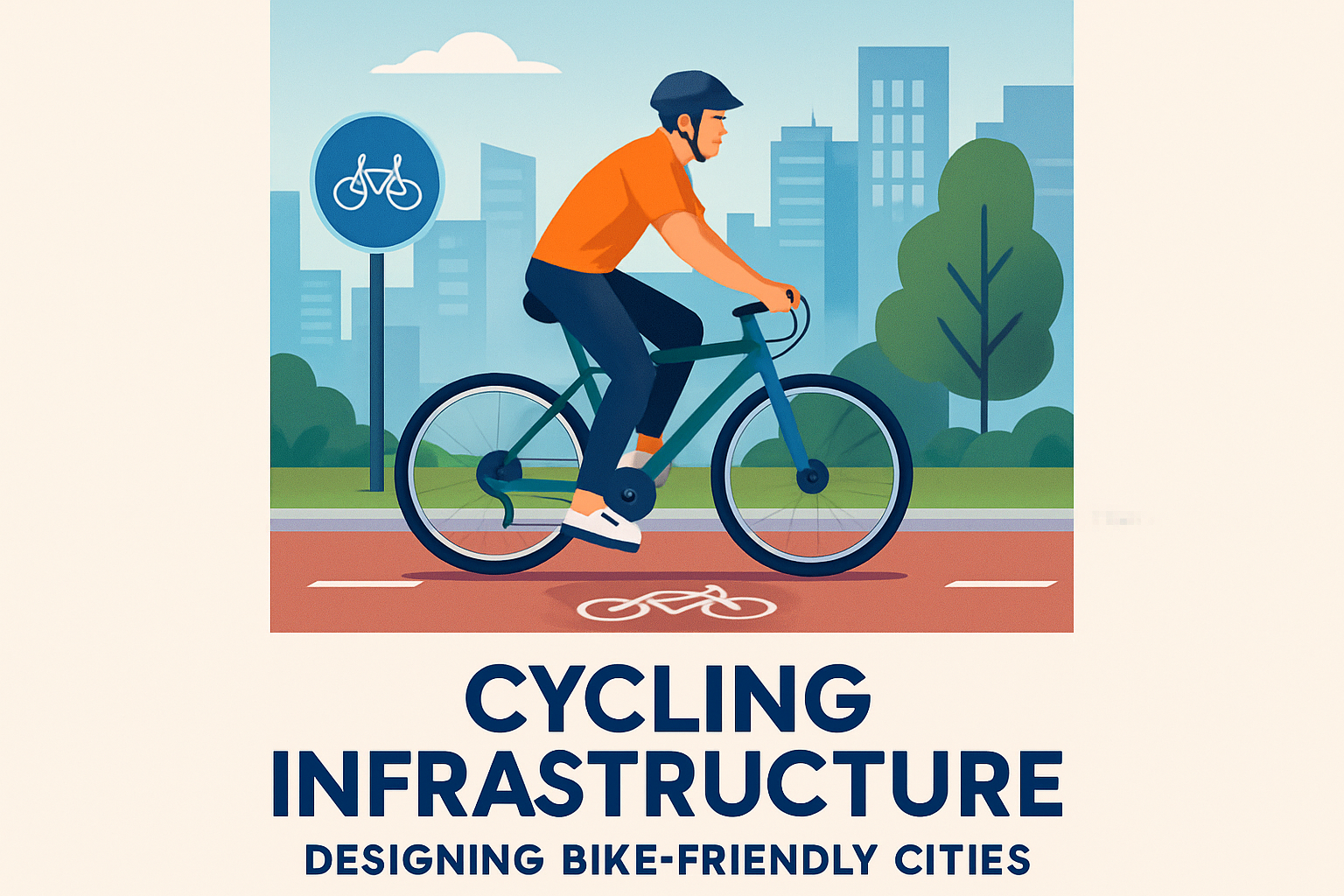
At the same time, bikeshare and scooter share can increase transit use by extending station catchment areas. A rider who once considered a subway station too far away may be willing to cycle the final mile. Systems such as Citi Bike in New York, Divvy in Chicago, and Vélib’ in Paris have shown that shared micromobility often clusters around transit nodes for exactly this reason. When integrated thoughtfully, shared mobility can convert a difficult access trip into a seamless multimodal trip. Demand-responsive microtransit can do something similar in suburban settings where fixed-route buses struggle to maintain frequent service. The question is not whether shared mobility affects ridership, but which mode affects which corridor, at what time, and for which users.
Where Shared Mobility Competes and Where It Complements
Competition is strongest when shared mobility offers a door-to-door trip that is significantly faster, more comfortable, or more predictable than transit. This is common in dispersed land-use patterns, in neighborhoods with infrequent bus service, and during late evenings when headways widen. Airport trips are a classic example. If a transit rider must transfer twice with luggage, ride-hailing has an obvious appeal. The same applies to cross-town travel that bypasses radial rail lines. In those cases, shared mobility substitutes directly for transit and can weaken the ridership base needed to sustain frequent service.
Complementarity is strongest when transit handles the high-capacity trunk segment and shared mobility handles access or distribution. In cities with strong rail networks, station-area bikeshare docks often improve network reach without replacing the main line. Paratransit and on-demand feeder shuttles can support mobility for older adults and passengers with disabilities when they are designed to connect to major transit corridors rather than duplicate them. I have worked on service reviews where the most effective pattern was clear: use buses and rail where demand is dense and directional, then use flexible services where demand is scattered and variable. That division preserves the core efficiency of public transit while expanding practical coverage.
| Shared mobility mode | Typical effect on transit | Best use case | Main risk |
|---|---|---|---|
| Ride-hailing | Often substitutes for bus trips | Late night, low-density, special-purpose trips | Higher congestion and reduced bus ridership |
| Bikeshare | Often complements rail and frequent bus | First-mile/last-mile station access | Uneven station coverage across neighborhoods |
| Scooter share | Can complement short urban trips | Short connections in dense mixed-use areas | Sidewalk clutter and safety concerns |
| Carshare | Limited direct impact on daily transit use | Occasional trips without private car ownership | Can support auto dependence if poorly sited |
| Microtransit | Complements transit when used as a feeder | Suburban connectors, low-demand zones | High cost per passenger if overexpanded |
Congestion, Street Space, and Network Efficiency
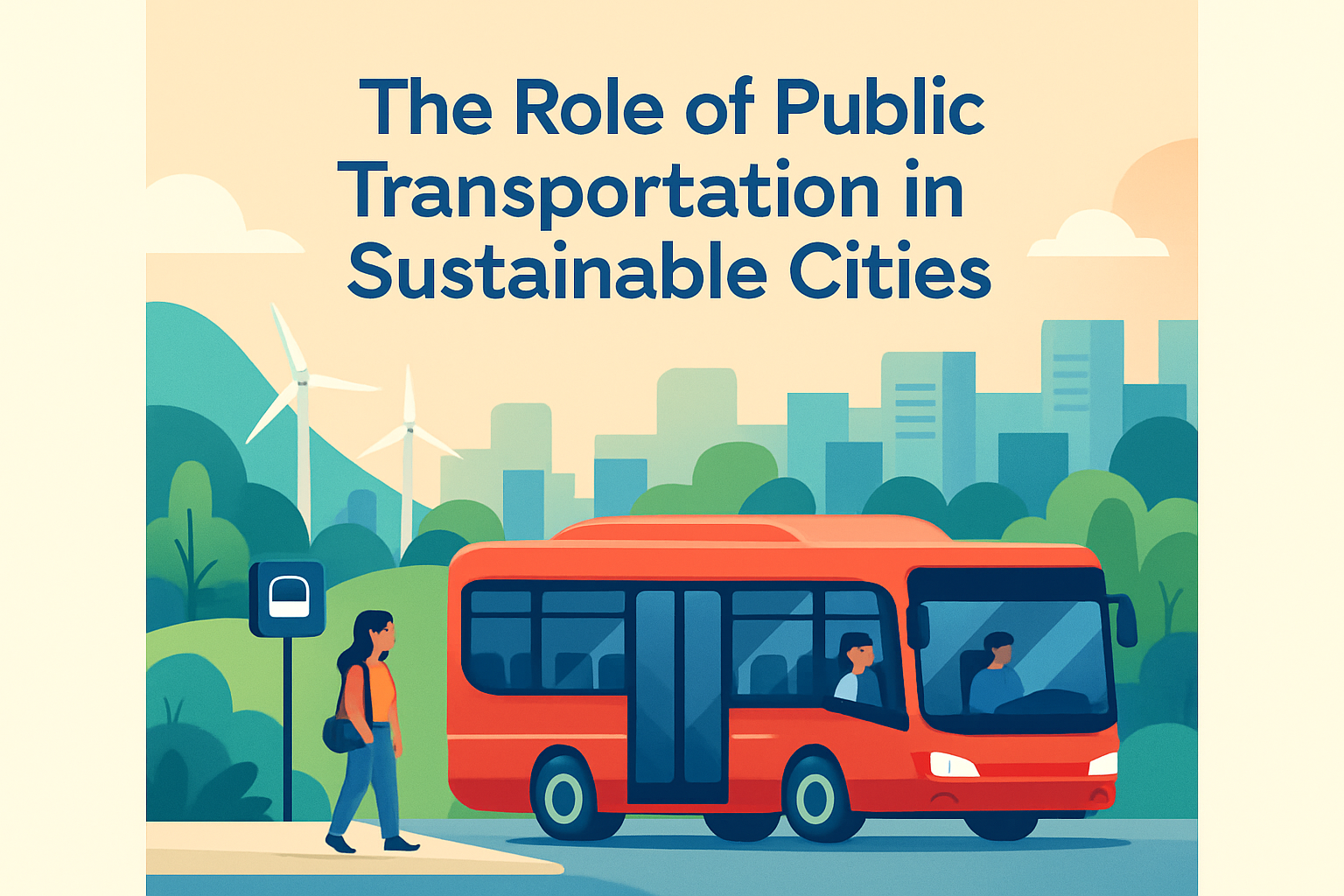
Traditional public transit excels at moving many people in limited street space. A full bus or train can replace dozens of private or for-hire vehicles, which is why transit is central to any serious congestion strategy. Shared mobility complicates this equation. Ride-hailing vehicles spend time traveling without passengers, repositioning between trips, and circulating while waiting near high-demand destinations. Research from San Francisco, New York, and London has shown that these deadhead miles contribute meaningfully to traffic. When a city absorbs large numbers of low-occupancy app-based trips in already crowded corridors, buses slow down, schedule adherence worsens, and transit becomes less attractive, reinforcing a negative feedback loop.
Micromobility affects street space differently. Bikes and scooters require far less road space than cars, but they still need safe infrastructure, parking management, and clear operating rules. If cities reallocate curb and lane space strategically, shared micromobility can reduce short car trips and improve transit access. If they do not, the result is conflict at the curb, blocked sidewalks, and chaotic pickup zones. The practical lesson from implementation is straightforward: mode performance depends on street design. Transit-only lanes, protected bike lanes, geofenced scooter parking, and designated pickup areas are not details. They are the operating conditions that determine whether shared mobility supports or undermines the wider network.
Equity, Accessibility, and Affordability
Any honest assessment of shared mobility and public transit must address equity. Traditional transit serves a broad public mission: affordable access to jobs, education, healthcare, and civic life. Shared mobility providers respond primarily to market demand unless regulation requires broader service. That difference matters. Ride-hailing availability is often strongest in affluent districts and at high-demand times. Surge pricing can make a trip unaffordable exactly when demand is greatest. Unbanked riders, people without smartphones, travelers needing wheelchair-accessible vehicles, and residents of low-income or peripheral neighborhoods can face serious barriers.
Public agencies have tried several remedies, with mixed results. Subsidized first-mile and last-mile partnerships can help if eligibility is defined clearly and booking is available without advanced digital literacy. Integrated fare products work better than isolated pilot programs because they reduce friction for users. For example, allowing a transit smartcard or agency app to unlock bikeshare lowers the barrier to trying multimodal travel. Accessibility also requires vehicle standards, not just service promises. A mobility system is not equitable if wheelchair users must wait far longer than other passengers or pay more for equivalent trips. In project reviews, I have found that cities succeed when they measure outcomes by who is served, not by how innovative the platform looks.
Environmental Effects and Sustainability Tradeoffs
The environmental impact of shared mobility depends heavily on what trips it replaces. If bikeshare replaces short car journeys, emissions fall and street efficiency improves. If ride-hailing replaces walking, cycling, or transit, emissions and congestion usually rise. This substitution effect is one of the most important facts in the entire debate. Many early claims about shared mobility assumed widespread car ownership reduction, but real-world evidence is more conditional. Carshare can reduce private vehicle ownership for households that can rely on transit for most daily travel and reserve cars for occasional needs. In contrast, ride-hailing has often increased vehicle miles traveled because convenience stimulates extra trips and because drivers travel between fares.
Electrification changes the picture but does not eliminate core tradeoffs. Electric shared vehicles reduce tailpipe emissions, yet they still consume road space and can still displace efficient transit trips. Battery charging logistics, fleet turnover, and lifecycle emissions also matter. For scooters and bikes, vehicle durability and collection practices affect net sustainability. A city seeking climate gains should prioritize high-occupancy transit, active transportation, and shared modes that clearly replace private car use rather than cannibalize existing low-carbon trips. The strongest environmental strategy is integration: frequent transit on main corridors, safe walking and cycling access, and shared services targeted to genuine gaps.
Data Integration, Payment Systems, and Governance
Integration is where many city strategies succeed or fail. Riders judge the network as one experience, even when multiple operators are involved. If trip planning, payment, and service information are fragmented, shared mobility feels like a separate market rather than part of public transportation. Agencies that use open standards such as GTFS for transit data and GTFS-Flex for flexible services can improve journey planning across modes. Mobility platforms that combine real-time arrivals, bikeshare availability, and fare comparison give users practical decision support. In my experience, simple improvements such as unified payment and coordinated wayfinding do more to support multimodal travel than flashy pilot branding.
Governance is equally important. Public agencies need data-sharing rules, performance benchmarks, privacy protections, and clear operating permits. Without reliable trip data, cities cannot evaluate whether shared mobility is improving access, duplicating frequent transit, or increasing congestion in sensitive corridors. At the same time, privacy and commercial confidentiality must be protected carefully. Effective regulation does not mean suppressing private innovation. It means setting public-interest conditions: service coverage requirements, accessibility targets, curb management rules, emissions standards, and integration with transit planning. When those conditions are absent, the market optimizes for convenience and revenue, not network efficiency or social benefit.
Policy Lessons and the Future of Transit in a Shared Mobility Era
The strongest policy lesson is that traditional public transit should remain the backbone of urban mobility, while shared mobility should be shaped to fill specific gaps. Cities that protect bus speed with dedicated lanes, invest in frequent all-day service, and coordinate station access tend to get better outcomes than cities that allow transit quality to erode while expecting apps to compensate. Microtransit should not replace productive fixed routes; it should serve low-density areas where conventional service is structurally inefficient. Ride-hailing should be managed with congestion pricing, pickup controls, and accessibility obligations in dense cores. Bikeshare and scooter share should be linked directly to transit stops and protected by safe street design.
Looking ahead, the most promising model is not mode-versus-mode competition but a layered mobility system. High-capacity rail and bus rapid transit move large volumes. Local buses provide coverage. Shared bikes, scooters, and on-demand shuttles solve short connectors and off-peak gaps. Regional fare integration, account-based ticketing, and mobility hubs can tie these layers together. The impact of shared mobility on traditional public transit will remain significant, but it does not have to be destructive. If cities define clear roles, measure actual outcomes, and prioritize public goals over novelty, shared mobility can expand access without weakening the transit network that cities still fundamentally depend on.
Shared mobility has changed how people compare travel options, but it has not changed the core economics of moving large numbers of people through busy urban corridors. Public transit remains unmatched for capacity, spatial efficiency, and broad social value. Shared mobility adds flexibility, convenience, and new ways to connect to the network, yet those benefits appear only when services are regulated, integrated, and targeted carefully. Left unmanaged, some shared modes reduce bus ridership, increase congestion, and widen access gaps. Managed well, they can strengthen first-mile and last-mile connections, improve off-peak coverage, and help households reduce car dependence.
For city leaders, planners, and operators, the practical takeaway is clear. Do not ask whether shared mobility is good or bad for transit in the abstract. Ask which service solves which problem, for which riders, in which places, under which rules. That framing leads to better investment choices, better metrics, and better outcomes. If you are building an urban mobility strategy, start by protecting frequent transit, then connect shared mobility where it adds measurable value. That is how cities create transportation systems that are more efficient, more inclusive, and more resilient.
Frequently Asked Questions
1. How does shared mobility affect traditional public transit ridership?
Shared mobility can both compete with and complement traditional public transit, depending on the service type, trip purpose, pricing, and local transit quality. In some cases, ride-hailing, carsharing, and scooter sharing attract riders who might otherwise take a bus or train, especially for short urban trips, late-night travel, or journeys where transit is perceived as slow, indirect, or inconvenient. This can reduce ridership on certain fixed routes, particularly in dense areas where travelers have many alternatives. At the same time, shared mobility can also strengthen transit by solving the “first-mile/last-mile” problem, helping people reach rail stations, bus hubs, or corridors that are too far to walk comfortably. Bikeshare and scooter share are especially important in this role because they can extend the practical reach of high-capacity transit without requiring cities to expand parking or road capacity.
The overall effect is rarely uniform across an entire transit network. High-frequency rail lines and core bus corridors often remain strong because they move large numbers of people efficiently, especially during peak commuting periods. However, lower-frequency routes, suburban feeders, and off-peak services may be more vulnerable to substitution by on-demand mobility options. Researchers and transit agencies increasingly find that shared mobility’s impact depends heavily on whether it is integrated into the public transportation system or left to operate independently. When cities coordinate fares, trip planning, curb management, and station access, shared mobility is more likely to support transit rather than undermine it. In other words, shared mobility does not automatically replace public transit, but it can reshape who uses transit, when they use it, and which parts of the system remain most essential.
2. Is shared mobility a threat to public transit, or can it improve the overall transportation system?
Shared mobility is not inherently a threat, but it can become one if cities and transit agencies fail to manage how it interacts with the broader transportation network. If ride-hailing and similar services draw large numbers of riders away from buses and trains, increase congestion in downtown areas, and absorb political support for transit investment, the result can be a weaker public transportation system overall. This is especially concerning because traditional transit remains the most space-efficient and equitable way to move large volumes of people in busy corridors. A full bus or train can carry far more passengers per unit of street space than privately occupied vehicles or many app-based services. If shared mobility encourages more individual car-based trips, cities may see slower buses, more traffic, higher emissions, and reduced fare revenue for transit agencies.
However, when used strategically, shared mobility can improve the entire transportation system by filling service gaps that fixed-route transit cannot serve efficiently. Demand-responsive shuttles, vanpools, and microtransit can provide coverage in low-density suburbs, industrial zones, or late-night periods where running full-size buses is costly and underused. Bikeshare and scooter sharing can connect neighborhoods to stations and reduce dependence on park-and-ride lots. Carsharing can help households reduce private car ownership, making them more likely to rely on transit for daily travel. The key distinction is whether shared mobility is treated as a substitute for public transit or as a complementary layer within a multimodal network. The strongest urban mobility systems typically use each mode for what it does best: high-capacity transit for major corridors, and flexible shared services for access, distribution, and specialized trip needs.
3. What are the biggest benefits of integrating shared mobility with public transit?
One of the biggest benefits is improved accessibility. Shared mobility can help more people reach transit stops and stations, particularly in areas where walking distances are long, topography is difficult, or local street networks are not pedestrian-friendly. This is especially valuable in suburban and outer-urban areas, where transit agencies often struggle to provide frequent neighborhood coverage without high operating costs. A well-integrated bikeshare, scooter share, carshare, or demand-responsive shuttle service can extend the catchment area of a transit station and make the overall network more useful to more people. This can increase ridership on core transit lines while improving mobility for residents who do not own cars or prefer not to drive.
Integration also improves convenience and customer experience. When travelers can plan, book, and pay for multimodal trips in one app or through a single payment system, the transportation network feels less fragmented. Real-time information, coordinated schedules, and clearly designed transfer zones make it easier for people to combine a train ride with a shared bike or use a shuttle to connect to a bus rapid transit corridor. Another major benefit is cost efficiency. Transit agencies do not need to run fixed-route service at high frequency everywhere if shared mobility can provide flexible access in lower-demand contexts. In some cases, replacing lightly used routes with carefully designed on-demand connections can preserve mobility while directing transit resources toward high-ridership corridors. Integration can also advance policy goals related to sustainability, equity, and reduced congestion, provided cities ensure that these services are available across neighborhoods and not only in affluent, high-demand districts.
4. What challenges do cities face when balancing shared mobility and traditional public transit?
Cities face a complex set of regulatory, operational, and equity-related challenges. One of the most difficult issues is making sure shared mobility supports public goals rather than simply responding to market demand. Private mobility providers tend to concentrate service where trips are most profitable, which often means dense, higher-income neighborhoods and popular commercial districts. Traditional public transit, by contrast, has a public service mission that includes serving lower-income communities, older adults, people with disabilities, and neighborhoods with lower trip volumes. If shared mobility expands without oversight, it can worsen existing disparities by improving options for already well-served users while leaving more vulnerable populations dependent on underfunded transit. This is why cities must think carefully about service requirements, data sharing, accessibility standards, and geographic coverage obligations.
Another major challenge is congestion and curb management. Ride-hailing vehicles, delivery traffic, buses, bikes, scooters, and pedestrians all compete for limited street space, especially around major transit hubs. Without clear policies, pickups and drop-offs can slow buses, create safety conflicts, and reduce the efficiency of transit operations. Data governance is also a persistent issue. Cities need reliable information to understand travel patterns, assess substitution versus complementarity, and regulate services effectively, but private operators may be reluctant to share detailed operational data. Fare integration, labor concerns, public accountability, and long-term financial sustainability also complicate decision-making. Balancing innovation with public interest requires strong institutional capacity, cross-agency coordination, and a clear vision of how all transportation modes should work together rather than in competition.
5. What does the future relationship between shared mobility and public transit look like?
The future is likely to be increasingly multimodal, with public transit remaining the backbone of urban mobility while shared mobility plays a more targeted and supporting role. In large and growing cities, buses, subways, commuter rail, light rail, and bus rapid transit will still be essential because no on-demand mode can efficiently replace high-capacity transit in dense travel corridors. The more realistic future is one where shared mobility helps people access those core services, covers niche or low-density markets, and offers flexible options when traditional transit is unavailable or less practical. As technology improves, cities may use integrated platforms that combine trip planning, booking, payment, service alerts, and incentives across transit and shared mobility options. This could make travel more seamless and help travelers choose lower-emission, higher-efficiency modes.
At the same time, the future relationship will depend on policy choices. If cities prioritize public transit, street design, and equitable access, shared mobility can become a powerful tool for expanding mobility without increasing private car dependence. If they allow uncoordinated growth driven only by convenience and short-term market demand, shared mobility could continue to pull riders from transit and add traffic to already congested corridors. Emerging models such as Mobility as a Service, integrated fare systems, and public-private partnerships suggest that collaboration will become more common. The most successful systems will likely be those that treat shared mobility not as a replacement for buses and trains, but as a complementary set of services designed to make the entire transportation network more flexible, inclusive, and resilient.