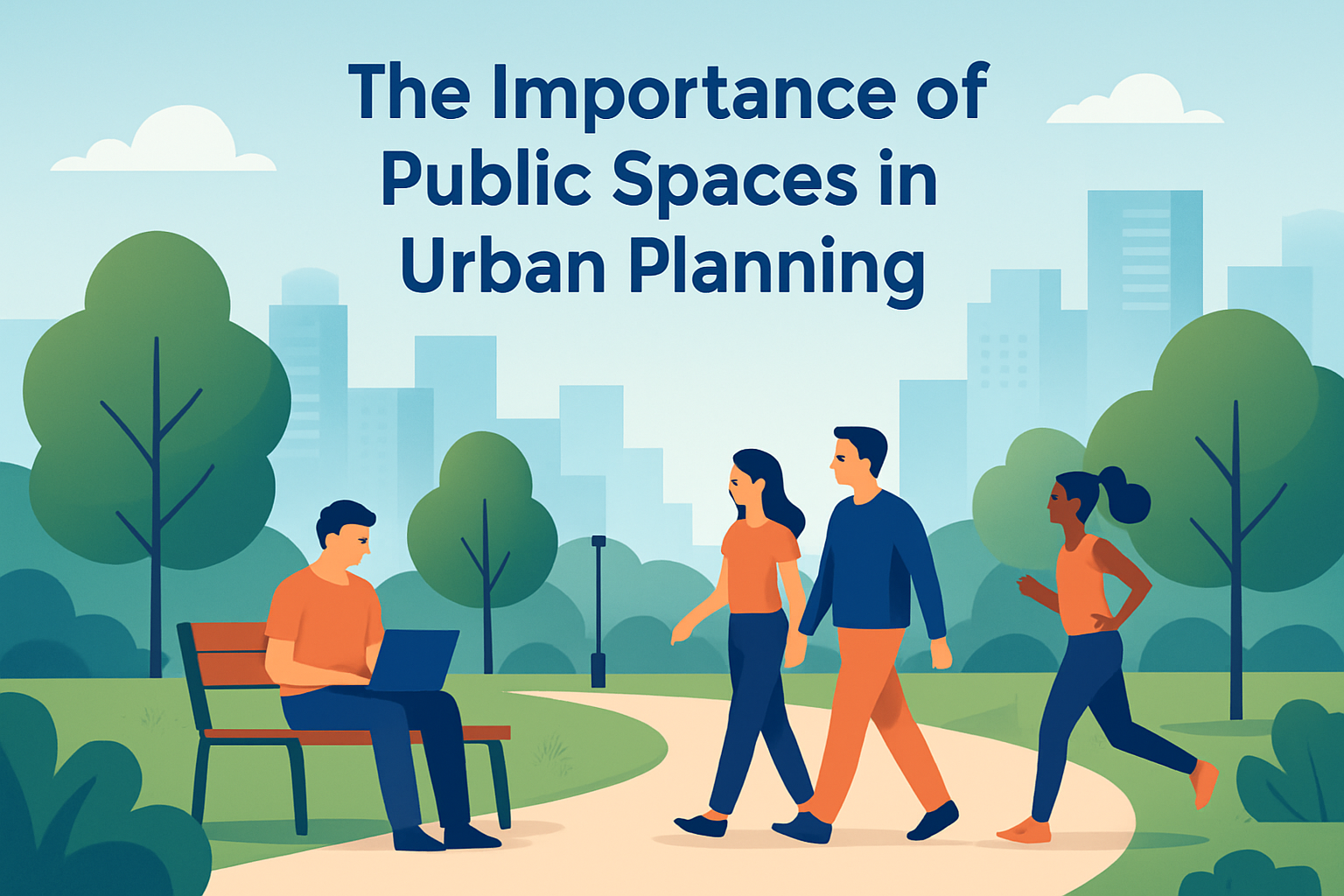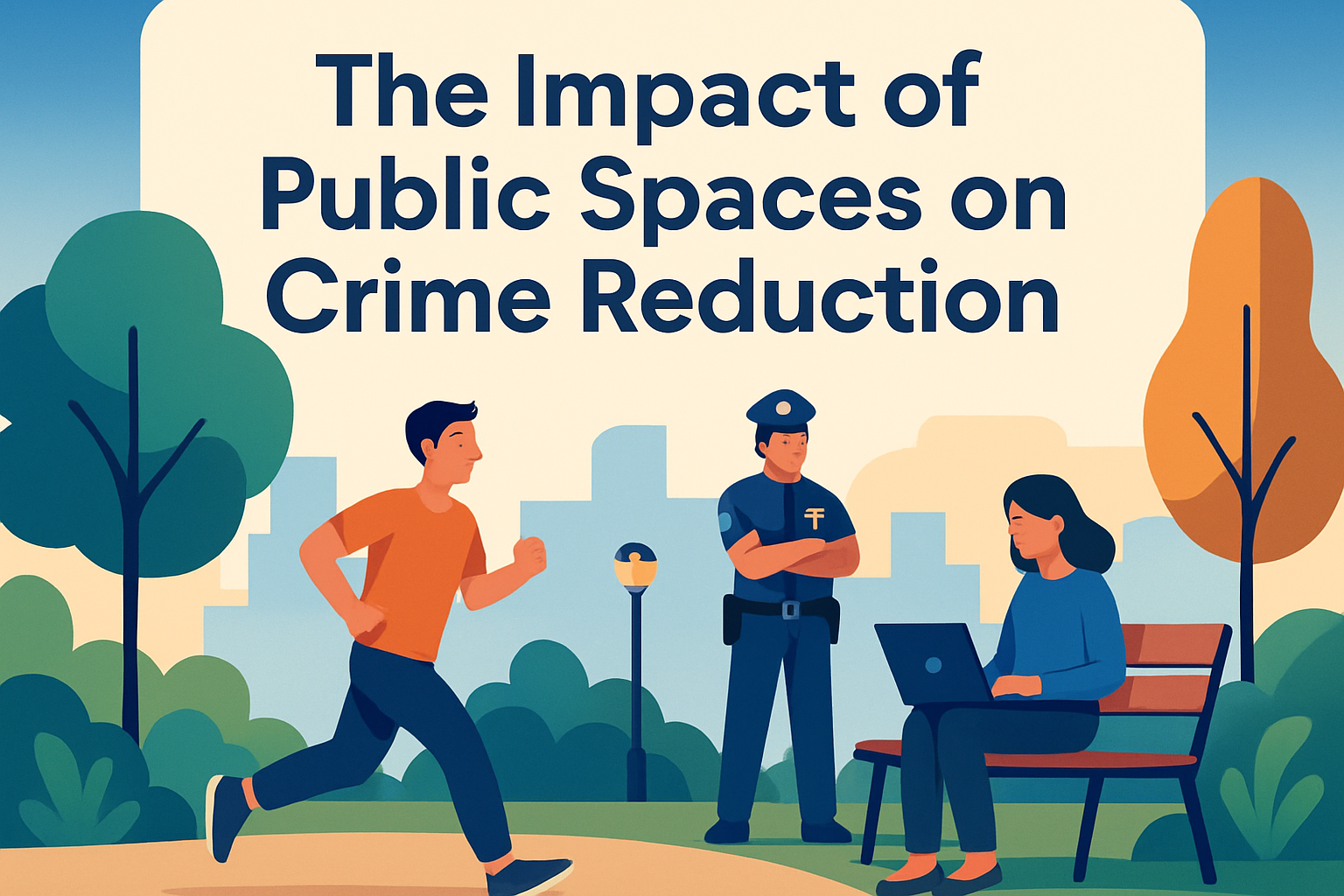
Public spaces, such as parks, plazas, streets, and community centers, play a critical role in the fabric of urban life. They are the places where communities gather, residents meet, and civic activities unfold. While the significance of public spaces in fostering social interactions and community engagement is widely acknowledged, their impact on crime reduction is an area that has garnered increased attention in recent years. By definition, public spaces are areas open and accessible to people of all ages, interests, and backgrounds. They serve as the heart of community life and have the potential to influence behaviors and societal trends.
The relationship between public spaces and crime is multifaceted and complex. Numerous studies have demonstrated that well-designed and well-maintained public spaces can lead to a reduction in crime rates and can create safer communities. This article delves into this intricate relationship and explores how public spaces contribute to crime reduction. Understanding this dynamic is crucial for urban planners, policymakers, community leaders, and residents alike as they design and utilize spaces that ultimately form the backbone of their communities.
Encouraging Positive Social Interactions
One of the primary ways in which public spaces impact crime reduction is by encouraging positive social interactions. When people frequently interact in positive and meaningful ways, a sense of community and mutual understanding develops. Public spaces provide the venues for these interactions to occur naturally. For instance, parks are often filled with families and friends participating in activities like picnicking, playing sports, or simply taking walks.
Consider Central Park in New York City as a real-world illustration. This iconic public space attracts millions of visitors yearly and is renowned for its beauty and vibrancy. Through its myriad of activities, Central Park supports a reduction in crime in the surrounding areas. People are more likely to look out for one another, and any unusual or suspicious activities are quickly noticed and addressed. This informal social surveillance helps deter potential criminal behavior, creating a perceived safe environment within and near the park.
Increasing Foot Traffic and Natural Surveillance
Moreover, public spaces contribute to crime reduction by increasing foot traffic and thereby enhancing natural surveillance. Jane Jacobs, the influential urbanist, introduced the concept of “eyes on the street,” which refers to the increase in natural surveillance when there are more people in public spaces. This visibility contributes to crime prevention, as potential offenders are less likely to commit crimes when there is a high chance of being observed by passersby.
Consider the example of pedestrian-friendly streets in Amsterdam. These streets are bustling with activity due to their design that encourages walking and cycling. From cafes to street performances, the lively atmosphere keeps the streets abuzz with people. This constant presence of people acts as an informal surveillance system that discourages criminal activities. Moreover, local businesses benefit, reinforcing the cycle of increased foot traffic and reduced crime.
Improving Lighting and Urban Design
Lighting and urban design are additional factors within public spaces that influence crime levels. Well-lit areas are typically less prone to crime, as good lighting removes opportunities for criminals to hide. This principle is integrated into urban planning. An example can be found in Detroit’s crime reduction initiatives, where improved street lighting was a key strategy.
Urban design also plays a role. In community centers or public parks where amenities are thoughtfully arranged to be inclusive for all ages, crime rates tend to decrease. Spaces are designed to minimize hidden corners and encourage easy movement, adding to the overall perception of safety. Such changes invite more people to use the space, adding layers of natural surveillance.
Facilitating Social Services and Community Engagement
Beyond these physical elements, public spaces often serve as hubs for social services and community engagement programs, which can address root causes of crime. Many public spaces host activities, workshops, and services aimed at providing education and support to local residents. For example, community centers might provide after-school programs for children, job training for adults, or wellness workshops for seniors.
- After-school programs for children and teenagers
- Job training and employment support services
- Health and wellness programs
- Community policing and awareness workshops
By offering these services in public spaces, communities can engage isolated individuals and provide resources to underserved populations, addressing issues such as unemployment, lack of education, and substance abuse, which are often linked to crime.
Case Studies and Evidence of Success
Several case studies illustrate the effectiveness of public spaces in reducing crime. One example is the transformation of Medellín, Colombia. Once known as one of the most dangerous cities in the world, Medellín underwent a significant urban renewal process. Public spaces were expanded and connected through infrastructure like the metrocable system, which improved access to amenities and integrated marginalized communities.
| Location | Initiative | Outcome |
|---|---|---|
| Medellín, Colombia | Urban renewal and metrocable system | Reduction in crime rates |
| New York City, USA | Central Park revitalization | Enhanced community safety |
| Amsterdam, Netherlands | Pedestrian-friendly street design | Decreased criminal activities |
The transformation positively impacted crime rates and improved the quality of life for residents. The integration of social programs and education initiatives within these public spaces has further strengthened community bonds and contributed to sustained crime reduction.
Challenges and Considerations
Despite the positive impact of public spaces on crime reduction, there are challenges and considerations that must be addressed. Community buy-in is crucial for the success of any public space initiative, as opposition can stymie progress. Involving community stakeholders in the planning process ensures that spaces meet the needs of diverse groups.
Additionally, maintenance and ongoing funding are critical components. A neglected public space can quickly devolve into a blight rather than an asset, attracting rather than deterring criminal behavior. Ensuring these spaces are well-kept and vibrant requires a long-term commitment from local government and residents.
Technological Integration in Public Spaces
In recent years, technology has played an increasing role in enhancing the effectiveness of public spaces in crime reduction. Surveillance cameras and emergency call boxes are now common features in many public areas. These tools help law enforcement respond quickly to incidents and act as an additional deterrent to potential criminals.
Furthermore, smart technology, such as intelligent lighting systems that adjust based on activity levels, enhance safety in public spaces. These systems not only conserve energy but also increase visibility during high-traffic times, contributing to both environmental sustainability and personal security.
Empowering Communities through Involvement
Empowering local communities through involvement in public space development is another promising avenue for crime reduction. Community-led initiatives, where residents have a hand in designing and maintaining public spaces, encourage a sense of ownership and pride. This involvement can transform a space into a thriving community asset.
For example, in a small neighborhood park in London, the introduction of community gardening not only beautified the area but also fostered a sense of belonging among participants. As residents collaborated on the garden, they formed connections that strengthened their commitment to the community’s safety and well-being.
Conclusion: The Role of Public Spaces in Creating Safer Communities
In conclusion, public spaces significantly impact crime reduction by promoting social interactions, increasing surveillance, offering essential services, and supporting community engagement. The benefits extend beyond crime reduction, contributing to improved quality of life, stronger community ties, and vibrant urban environments. For urban planners and policymakers, investing in the thoughtful design and maintenance of public spaces is an opportunity to create safer, more inclusive communities.
As we look towards the future, continuing to incorporate community voices in the development and maintenance of these spaces is vital. Residents should feel empowered to shape the spaces that affect their lives. For policymakers, the call-to-action includes ensuring consistent funding and prioritizing sustainable, inclusive urban design. Together, communities, local governments, and organizations can leverage the many benefits of public spaces to foster safer, welcoming environments for all.
Frequently Asked Questions
1. How do public spaces contribute to crime reduction in urban areas?
Public spaces, when designed and maintained well, can play a significant role in reducing crime in urban environments. The presence of open, well-lit, and frequently used public spaces can deter criminal activities. These areas encourage natural surveillance, often termed as “eyes on the street,” where community members and passersby provide informal monitoring of space, discouraging illicit activity. By fostering community engagement, public spaces help build social bonds among residents, enhancing social cohesion, which can lead to collective efficacy where community members take joint responsibility for maintaining order and safety in their vicinity.
Moreover, the presence of public amenities in these spaces, like parks and recreation areas, attract regular foot traffic. This consistent human presence makes it challenging for crime to go unnoticed and unchallenged. Public spaces can effectively bridge the gap between different community groups, promoting inclusiveness and diversity, further contributing to a sense of security. In this way, thoughtfully designed public spaces can support a culture of safety and vigilance, inherently discouraging criminal activity.
2. What are some specific design elements in public spaces that can help deter crime?
There are a variety of design elements that can make public spaces safer and minimize the likelihood of crime. Landscaping and urban design strategies that enhance visibility and eliminate potential hiding places are essential. For instance, pruning trees and maintaining healthy foliage ensures clear lines of sight throughout the space. Adequate lighting is another critical factor; well-lit areas can reduce fears and discourage wrongdoers during nighttime.
The strategic placement of amenities, such as benches, paths, and playgrounds, encourages legitimate use and continuous occupancy by different segments of the population. Incorporating activity generators like cafes or kiosks can create lively environments that offer both entertainment and a level of informal oversight. Walkable pathways can further encourage pedestrians, creating a constant flow of people and subsequent surveillance. The use of physical features like fences or barriers can also define the boundaries of the space and direct the flow of people, making it easier to associate activity within these spaces with responsible behavior. Additionally, the inclusion of community art or culturally significant installations can foster pride and a sense of ownership among locals, discouraging crime due to enhanced community spirit.
3. Are there examples of cities that have successfully used public spaces to reduce crime?
Yes, several cities around the world have effectively utilized public spaces as a tool for crime reduction. A well-documented example is New York City’s Bryant Park, which underwent a significant transformation in the 1990s. Once known as a hotbed of illicit activities, it was redesigned to include better lighting, more seating areas, and diverse amenities, vastly improving safety and attracting visitors of diverse demographics.
In Bogota, Colombia, significant efforts were made under the leadership of Antanas Mockus and Enrique Peñalosa to redesign public spaces, introducing extensive bike paths, walking trails, and parks, all of which contributed to a dramatic decrease in crime rates and enhanced community well-being. Similarly, Toronto, Canada, through its “Tower Renewal” initiative, introduced green spaces around high-rise residential buildings, focusing on community-centric activities that successfully reduced crime rates.
These transformations emphasize how concerted efforts in redesigning public spaces can cultivate safer neighborhoods and foster community spirit, leading to reduced crime rates and enhanced quality of life for residents.
4. How can community involvement in public space management impact crime levels?
Community involvement is crucial in the successful management and upkeep of public spaces, playing a direct role in crime reduction. When community members are engaged in the planning, development, and maintenance of public spaces, they develop a sense of ownership and pride in these areas. This sense of ownership leads to increased personal investment and vigilance in maintaining a safe and welcoming environment.
Involving the community in decision-making processes ensures that the spaces meet the genuine needs of the residents, thus encouraging their frequent use and cultivating a vibrant and active community atmosphere. Community-led initiatives like neighborhood watch programs, local cleanup days, and community events foster interaction and collective responsibility among residents. Such activities build stronger social networks, allowing residents to collaboratively uphold norms of behavior and safety. These networks serve as informal deterrents to criminal behavior, as individuals are less likely to commit crimes where they feel accountable to a watchful community.
5. What challenges might cities face when using public spaces to combat crime?
While the potential of public spaces in crime reduction is substantial, there are challenges that cities might encounter when attempting to leverage these spaces for safety. One significant challenge is the initial investment required for the design and development of safe public spaces, including costs related to infrastructure, lighting, maintenance, and security. Additionally, urban areas with longstanding socio-economic disparities might face resistance to change or skepticism from communities who feel neglected or underserved.
There’s also the potential issue of displacement, where improved public spaces might lead to gentrification, causing marginalized groups to be pushed out of their communities due to rising costs. Maintaining a balance between enhancing public spaces and preserving the community’s cultural identity is intricate and requires thoughtful engagement with local residents.
Furthermore, coordinating different stakeholders, including municipal authorities, community groups, local businesses, and law enforcement, can prove to be complex. These groups must synchronize efforts to ensure that improvements align with the broader goals of social equity and not just aesthetic enhancement. Long-term commitment from all involved parties is crucial for sustained success in crime reduction through public space initiatives.