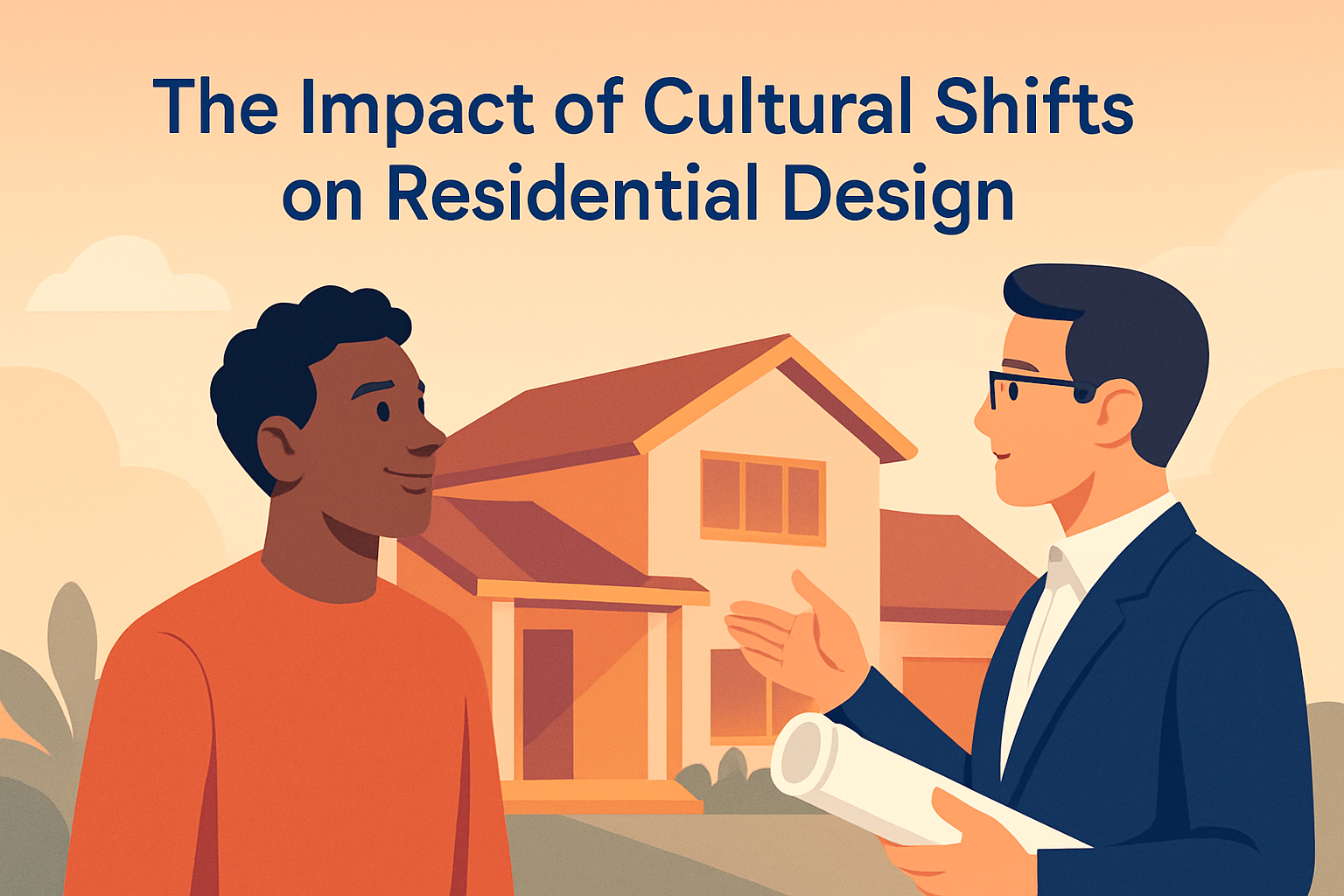
In a rapidly evolving world, cultural shifts are profoundly influencing the way we design and perceive residential spaces. Cultural shifts refer to the transformation in the values, norms, and behaviors of a society that lead to changes in various aspects of life, including our homes. These shifts might stem from technological advancements, globalization, environmental awareness, or evolving social norms. Residential design matters because our homes are not just shelters; they are a reflection of our identities, lifestyles, and values. As cultures evolve, so too must the spaces in which we live.
The importance of understanding how cultural shifts impact residential design lies in the potential for improved living experiences. By aligning design with cultural trends, homeowners and designers can create spaces that are not only functional but also deeply resonant with the people who inhabit them. This understanding enables the development of homes that cater to current needs while being adaptable to future changes. Thus, grasping the interplay between culture and design is crucial in crafting innovative and meaningful residential environments.
Technology and Smart Homes
The integration of technology into residential spaces has been one of the most significant cultural shifts impacting home design. The advent of smart home technology has changed the way we interact with our living environments. Smart homes, equipped with devices such as smart thermostats, lighting, and security systems, offer enhanced convenience, efficiency, and security.
For instance, the ability to control home appliances through a smartphone app exemplifies how technology simplifies daily life. These advancements are a response to the modern lifestyle’s demand for multitasking and efficiency. Residential designs now often incorporate smart home infrastructure from the start, enabling seamless technology integration and future upgrades.
Let’s illustrate the increasing prevalence of technology in homes through the following examples:
- Smart Thermostats: Automatically adjust the climate settings based on occupancy and weather conditions.
- Intelligent Lighting: Control lighting schedules, dimming, and color via voice commands or apps.
- Automated Security Systems: Integrate surveillance cameras, motion detectors, and remote door locks for enhanced safety.
This shift not only reflects technological advancement but also indicates a cultural emphasis on convenience and control. Homes are now expected to be interactive and responsive, aligning with a lifestyle that prioritizes ease and efficiency.
Sustainability and Eco-Friendly Living
Environmental consciousness and sustainability are now at the forefront of cultural shifts influencing residential design. With growing awareness about climate change and environmental degradation, people are increasingly seeking eco-friendly living solutions. This shift has led to the adoption of sustainable design principles, focusing on reducing the ecological footprint of homes.
An example of this is the rise of passive house standards, which prioritize energy efficiency through superior insulation, airtightness, and solar orientation. These homes require minimal energy to maintain a comfortable temperature, thus reducing dependence on non-renewable resources. Solar panels, rainwater harvesting systems, and green roofs are also becoming common in residential design, reflecting a commitment to sustainability.
Consider the following components that make homes more sustainable:
- Green Building Materials: Use of recycled or natural materials to minimize environmental impact.
- Water Conservation Features: Low-flow fixtures and greywater recycling systems to reduce water use.
- Energy-Saving Technologies: Solar panels and energy-efficient appliances to lower energy consumption.
The embrace of sustainable design represents a cultural shift towards environmental stewardship and responsible living. These homes not only benefit the planet but also offer healthier living environments for occupants, promoting a sense of well-being and connection to nature.
Globalization and Cross-Cultural Influences
Globalization has blurred the boundaries between cultures, leading to cross-cultural influences in residential design. Exposure to diverse architectural styles, materials, and traditions allows for a rich blend of design elements, resulting in unique and personalized living spaces.
For example, the integration of Japanese minimalism with Scandinavian functionality has become a popular trend in contemporary design. This fusion combines the Japanese concept of simplicity and mindfulness with the Scandinavian principle of practicality and coziness, creating homes that are aesthetically pleasing and highly functional.
Here are some examples of cross-cultural influences in home design:
- Bohemian Decor: Incorporates elements from various cultures, emphasizing eclectic and artistic expressions.
- Mediterranean Architecture: Features open spaces, stucco walls, and tile roofing inspired by Mediterranean coastal regions.
- Zen Gardens: Incorporation of Japanese Zen principles to create peaceful outdoor and indoor environments.
These multicultural influences not only diversify design possibilities but also allow individuals to express their identities and personal histories through their homes. The cross-pollination of ideas enriches residential design, making it more inclusive and dynamic.
Changing Family Dynamics
Cultural shifts in family structure and dynamics have significant implications for residential design. The traditional nuclear family model is evolving, with an increase in single-parent households, multi-generational living, and co-housing arrangements. Residential designs must adapt to these new living arrangements to meet diverse needs.
| Family Dynamic | Design Adaptation |
|---|---|
| Single-Parent Households | Compact, multifunctional spaces that support work-life balance. |
| Multi-Generational Living | Incorporation of private living quarters within a shared home structure. |
| Co-Housing Communities | Shared amenities and communal areas fostering social interaction. |
An example of design adaptation is the creation of flexible spaces within homes. Rooms that serve multiple functions, such as a dining area that doubles as a workspace or a guest room that converts into a playroom, accommodate changing family needs. This flexibility allows homes to evolve with occupants, providing comfort and practicality.
The shift in family dynamics highlights the need for residential designs that offer adaptability and support diverse lifestyles. Homes are moving towards designs that promote connectivity and communal living while respecting privacy and individual needs.
Urbanization and Compact Living
The trend towards urbanization has driven a cultural shift towards compact living. As more people move to cities in search of opportunities, space becomes a premium commodity. Residential design in urban areas must creatively address the challenge of limited space while maintaining comfort and functionality.
One approach to compact living is the use of micro-apartments, which utilize innovative design solutions to maximize space. Features like folding furniture, modular storage, and open-plan layouts are employed to make small spaces livable. These designs reflect a cultural shift towards minimalist living, where quality is prioritized over quantity.
Consider the elements commonly found in compact living spaces:
- Multi-Purpose Furniture: Convertible sofas, extendable tables, and wall-mounted desks.
- Space-Saving Innovations: Murphy beds, retractable walls, and loft areas.
- Integrated Storage Solutions: Built-in shelves and cabinetry that optimize every inch of space.
As cities continue to grow, the demand for compact living solutions will persist. These designs cater to urban lifestyles, emphasizing efficiency and minimalism while maintaining comfort and style.
Conclusion
The impact of cultural shifts on residential design is profound and multifaceted. From the integration of smart technology to the embrace of sustainability, cross-cultural influences, evolving family dynamics, and the demands of urban living, these shifts shape the way we create and inhabit our homes.
The key takeaway is that residential design is not static but rather an ongoing reflection of cultural values and trends. By understanding these shifts, homeowners and designers can create spaces that resonate with contemporary lifestyles, enhancing comfort, functionality, and personal expression.
As we move forward, staying informed about cultural trends in residential design is crucial. Whether you are planning a home renovation or simply wish to refresh your space, consider how cultural influences can enhance your living environment. Embrace innovation and creativity, and let your home be a testament to the vibrant and ever-evolving landscape of contemporary culture.
Frequently Asked Questions
1. How have cultural shifts impacted the way residential spaces are designed?
Cultural shifts have a massive impact on residential design, primarily because these spaces reflect our evolving lifestyles, values, and norms. Take the rise of remote work, for instance. With more people working from home, there’s been a noticeable trend towards incorporating functional office spaces into home designs. People are prioritizing comfort, natural light, and ergonomic furniture in home offices that were rarely considered a necessity a few decades ago.
Moreover, as societal focus on sustainability and environmental consciousness grows, eco-friendly designs and materials in housing have become more significant. Homeowners and developers are increasingly opting for energy-efficient appliances, solar panels, and sustainable building materials because there’s a growing awareness and responsibility toward reducing carbon footprints. Cultural shifts also include changes in family dynamics, such as multigenerational living, which influences home designs to include separate living areas under one roof. As culture evolves, so does the function and aesthetics of our homes, acting as both a mirror and a mechanism for meeting new lifestyle standards.
2. In what ways have technological advancements contributed to cultural shifts in residential design?
The integration of technology into our lives has undeniably shaped residential design in innovative ways. Smart homes, equipped with responsive and automated systems, have become more common. Features such as smart lighting, climate control, and security systems not only contribute to a home’s convenience but also align with a cultural shift towards efficiency and sustainability. These technologies enable homeowners to manage their energy consumption better, fostering an eco-conscious lifestyle.
Additionally, technology has fostered new forms of connection, fundamentally altering how we interact with our spaces. For instance, with the advent of the Internet of Things (IoT), household devices can interconnect, offering seamless control and management through smartphones and voice-activated systems. The demand for high-speed internet and strong connectivity has transformed traditional infrastructure, leading to the intelligent integration of communication networks within homes. These advancements have encouraged a cultural view of homes as dynamic, adaptive environments rather than static dwellings.
3. How does globalization affect residential design, and what cultural markers are most vivid?
Globalization has led to a fascinating melting pot effect in residential design by introducing diverse architectural styles, materials, and techniques across borders. This has resulted in a blend of international aesthetics and functionalities in homes, allowing cultural influences from one part of the world to easily find their way into another. For example, you might find Japanese minimalist influences shaping the spatial efficiency and simplicity in Western homes, while Middle Eastern design may offer intricate tile patterns and dynamic use of indoor-outdoor spaces lending to a home’s character.
Additionally, as cultural awareness and appreciation broaden, there’s an increasing desire for personalized spaces that reflect individual or familial heritage. Homeowners are more inclined to incorporate globally-inspired elements that speak to their cultural identity, such as sourcing artisanal crafts or materials from abroad. This approach shifts homes beyond mere living spaces into curated environments that celebrate global diversity and personal lineage, often incorporating unique design elements and bespoke decor that narrate a global story.
4. What role does environmental awareness play in influencing residential design trends?
Environmental awareness has become a driving force behind many modern-day residential design trends. As society becomes increasingly conscious of the ecological impact of human activities, there’s a growing emphasis on sustainable living. This shift is reflected in residential design through the adoption of green architecture, which emphasizes low-impact, resource-efficient homes. These might include the integration of passive solar design, rainwater harvesting systems, and native landscaping.
Incorporating sustainable materials is another trend, with designs showcasing reclaimed wood, recycled metal, or rapidly renewable resources like bamboo not only for finishes but as structural elements. The emphasis on creating healthy indoor environments has led to designs that prioritize air quality through strategic ventilation systems, non-toxic building materials, and the use of plants to naturally purify air. As such, eco-conscious design choices are increasingly viewed not just as environmental necessities but as enhancements to a homeowner’s quality of life.
5. How are evolving social norms reflected in current residential design practices?
Social norms have undergone significant changes, directly impacting residential design by shifting the focus towards inclusivity, flexibility, and adaptability. Modern homes are now designed to embody a spirit of openness and connectivity, deviating from rigid, compartmentalized layouts. This trend acknowledges diverse family models and living arrangements, from shared living spaces that foster communal interaction to private retreats designed for personal downtime.
Moreover, as societies evolve towards gender neutrality and cultural inclusivity, home designs lean away from historically gendered spaces like “his and her” areas, opting for more neutral, universally functional environments. Adapting to the needs of diverse and multi-generational families, designs often include versatile spaces able to serve multiple functions, such as transformable guest rooms or lounges that double as workspaces. As social understandings of community, privacy, and individuality develop, residential designs continue to adapt, offering living environments that respect and enhance these evolving values.