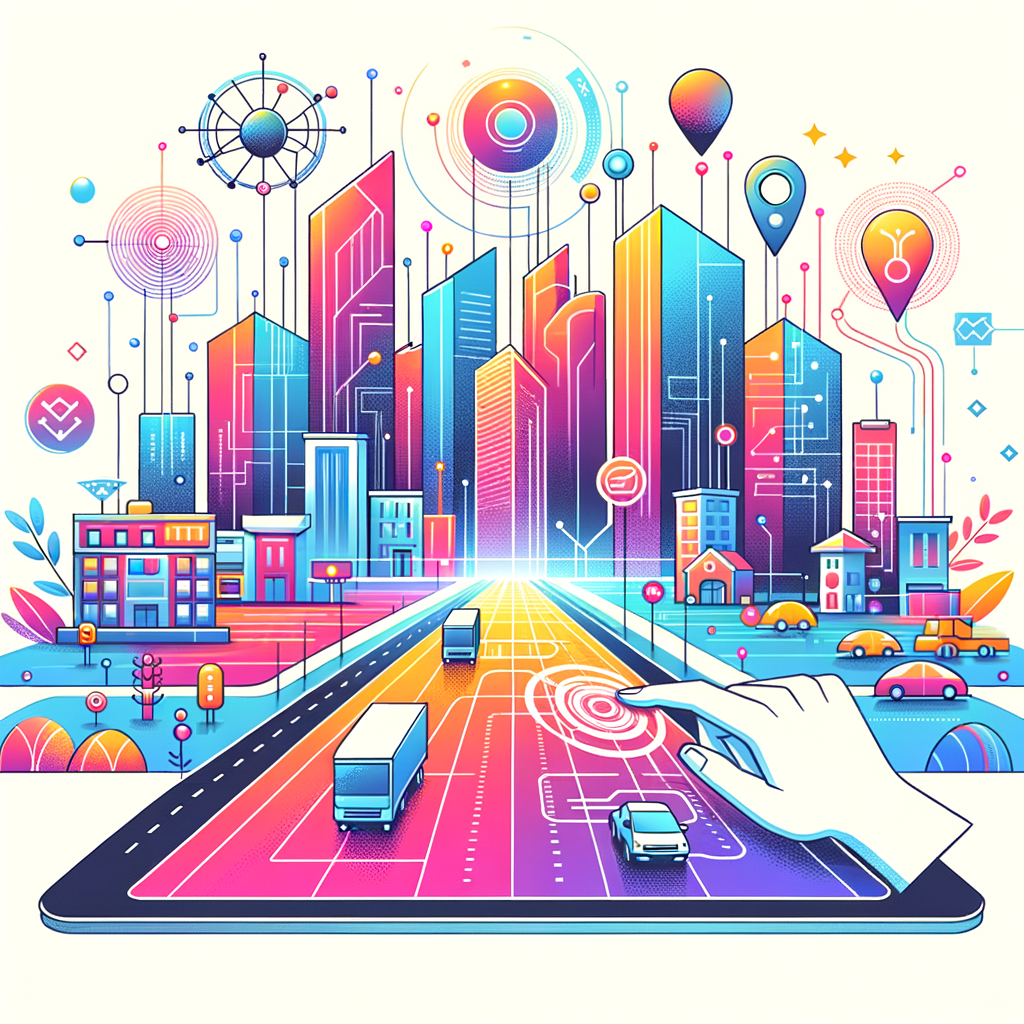
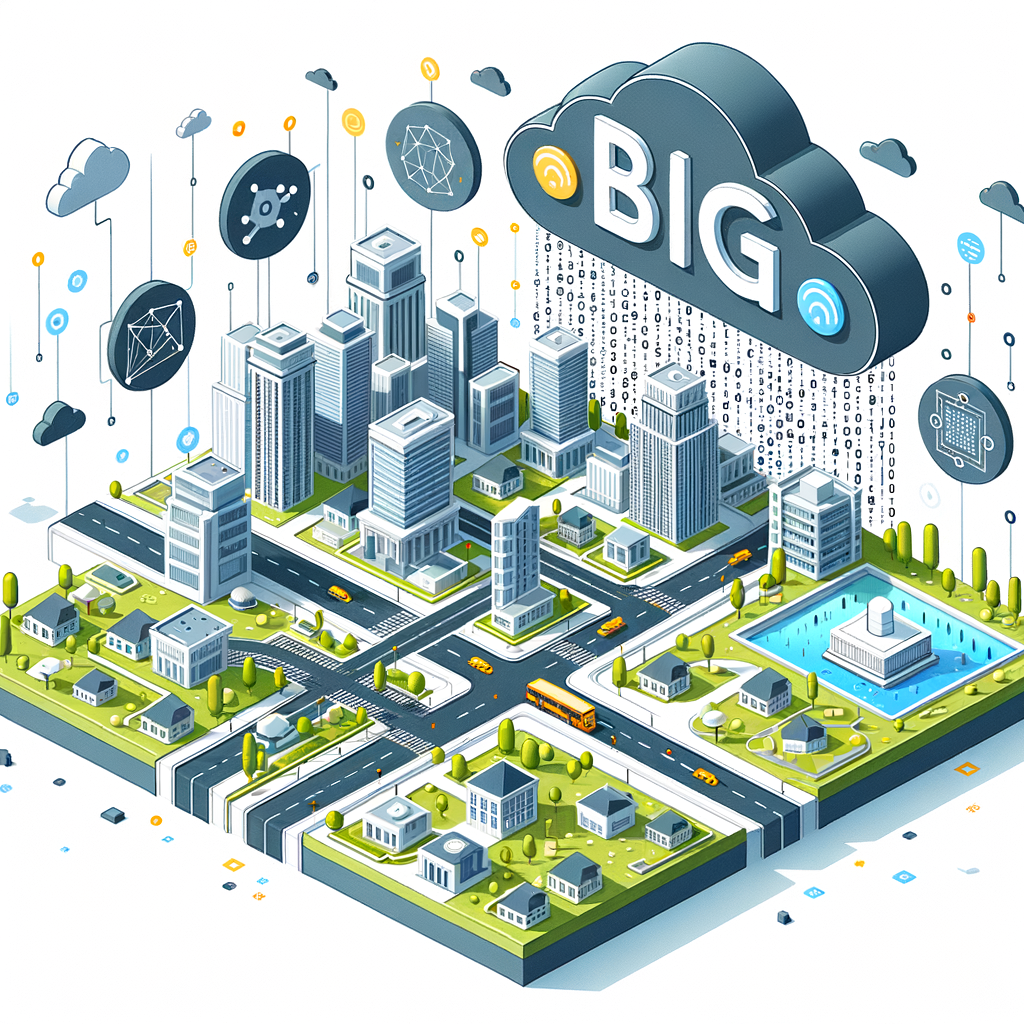
The rise of smart cities signifies a global transition towards technologically integrated urban landscapes that prioritize efficiency, sustainability, and improved quality of life. Central to the ethos of smart cities is the incorporation of innovative technologies that facilitate intelligent decision-making and enhance urban living. While public infrastructure and services garner much attention, the role of public art and cultural displays should not be underestimated in these environments. Public art serves as a connective tissue linking a city’s identity, community well-being, and visual aesthetics while acting as a platform for cultural expression and engagement. As cities worldwide evolve into smart cities, the integration of art and culture within this technological framework is paramount. This article explores how smart cities are innovating public art and cultural displays, using technology to broaden accessibility, foster community engagement, and uphold cultural heritage in an ever-dynamic urban context.
Historically, public art has been an integral facet of urban life, reflecting a city’s cultural, political, and social narratives. With the advent of smart technology, cities are reimagining how art can interact with the environment and the community. This transformation is driven by a confluence of technologies, including digital platforms, interactive media, data analytics, and sustainable design practices. Public art and cultural installations are not only aesthetic landmarks but components of a larger dialogue on urban innovation and human experience within smart cities.
Through this lens, understanding the innovations in public art and cultural displays can reveal indicative tactics and methodologies that smart cities employ. These tactics often align with principles promoting inclusivity, participation, sustainability, and technological integration. By dissecting these approaches, we can appreciate how cities use art to narrate unique cultural stories, enrich public spaces, and thus enhance community vitality. This inquiry is not only about the art itself but also the relationships and experiences it cultivates. As we navigate this exciting intersection of technology, art, and urban design, it becomes crucial to examine this landscape thoroughly.
Integrating Technology into Public Art
The transformation of public art in smart cities largely revolves around integrating advanced technologies to reframe how art is created, displayed, and interacted with. Digital installations have emerged as a modern staple, where technology acts not only as a medium but as an experience in itself. For instance, projection mapping allows artists to transform urban environments into dynamic canvases that shift and change. Architectural surfaces become living, breathing entities showcasing dynamic imagery that captivates and invites audience interpretation. This interaction encourages viewers to become participants, bridging the gap between art and observer.
Furthermore, augmented reality (AR) plays a significant role in revolutionizing public art spaces. By overlaying digital information onto physical surroundings, AR enables an enriched visual experience. Visitors can interact with artworks through their smart devices, accessing layers of information and narratives that enhance understanding and engagement. This detachment of art from physical constraints invites perpetual growth, allowing installations to evolve and respond to contemporary issues or teem with historical significance in a current context.
Additionally, kinetic art installations that use sensors and data to respond to environmental variables form a dialogue between technology and nature. These responsive art forms not only serve as aesthetic installations but also provide insightful data on urban environments. For example, environmentally-responsive sculptures that react to weather changes or pedestrian activity transform public spaces into adaptive experiences that reflect the living conditions of their locations. This innovation is a harmonious blend of art, environment, and technology.
Enhancing Community Engagement and Accessibility
Smart cities prioritize not only innovation but also inclusivity, making public art and cultural displays more accessible to diverse communities. One of the key benefits of integrating technology into public art is enhanced accessibility. Interactive installations that use multilingual audio guides, tactile elements, and smartphone applications extend the reach of art to a broader audience, including those with disabilities. These innovations pave the way for more inclusive public spaces where individuals from different walks of life can interact with and appreciate cultural offerings.
Moreover, technology-driven art installations foster community engagement by promoting participatory experiences. By leveraging platforms such as social media and interactive apps, smart cities encourage citizens to contribute to the artistic process, creating spaces that not only display art but also involve the community in its creation. Crowdsourced art projects are an excellent example, allowing communities to come together to contribute personal stories and artworks. These projects cultivate a sense of ownership and pride, reinforcing the connection between the citizenry and their shared urban spaces.
Furthermore, new technologies facilitate dialogue between communities and their public art. Interactive displays can host community forums, polls, and feedback systems, allowing for continuous dialogue on public art’s role and relevance. This transparency in creative processes promotes a deeper connection and investment from the community, ensuring that cultural displays reflect their unique characteristics and aspirations. Cities thus become interactive canvases where stories, identities, and dreams are projected and preserved for broader interpretation.
Preserving and Evolving Cultural Heritage in Smart Cities
Smart cities are tasked with the dual responsibility of preserving cultural heritage while also pioneering innovations that redefine urban living. Public art and cultural displays are instrumental in this balancing act, creating a bridge between the past and the future. Technology provides unprecedented opportunities for the preservation and evolution of cultural heritage, ensuring that it remains accessible and relevant to future generations.
Digitizing cultural artifacts offers a viable solution for preservation, creating detailed virtual replicas that can be explored and studied without the risk of physical deterioration. In smart cities, virtual reality (VR) and AR can recreate historical sites and artifacts, offering immersive experiences that cater not only to tourists but also to the educational sector. This technology enables history to be experienced firsthand, extending educational reach and inviting global audiences to engage with cultural heritages specific to a city’s history.
Smart technologies also allow cultural narratives to be updated and retold in dynamic ways. Digital storytelling tools can be used to present a city’s historical legacy with modern relevance, thus keeping cultural stories alive. Furthermore, digital archiving ensures that oral histories, folklore, and cultural anecdotes are stored and shared with future generations. In this way, smart cities use technologies to not only safeguard existing cultural heritages but also to let them evolve.
By embracing technology, cultural displays in smart cities can adapt and extend these narratives, becoming more resilient and intertwined with the city’s identity. Thus, these urban environments provide fertile ground for cultural continuity and innovation, creating diverse and multifaceted urban narratives.
Sustainability and Eco-Friendly Installations
Amid the focus on technological advancements, smart cities also embrace sustainability, integrating eco-friendly practices into public art and cultural displays. Sustainability is at the forefront of urban development, and public art is no exception. Cities are incorporating sustainable materials, energy-efficient lighting, and renewable resources into art installations to minimize environmental impact and promote ecological awareness.
Installations powered by solar energy, for instance, highlight the potential for sustainable practices within urban environments. These installations often double as educational tools, raising awareness about environmental issues among the public. Moreover, the use of recycled and biodegradable materials in creating art fosters sustainable design principles, encouraging innovation in materials sourcing and artistic expression.
Additionally, by utilizing data-driven approaches to monitor and optimize resource consumption, smart cities can ensure that public art remains environmentally responsible. Converting public spaces into green art installations not only elevates aesthetic value but also contributes positively to the city’s ecological footprint. The success of such initiatives can serve as a benchmark for future projects, establishing best practices for sustainable urban development.
Echoing the essence of a smart city’s innovation, these eco-friendly public art displays advocate for the planet through creative expression, fostering symbiosis between art and nature.
Conclusion
The transformation of public art and cultural displays in smart cities exemplifies the dynamic interplay between technology, culture, and urban innovation. These cities leverage smart technologies to enhance public art, making it more interactive, accessible, and community-oriented while ensuring cultural heritage is preserved and sustained through evolution. By fostering inclusivity and sustainability, smart cities create urban landscapes that are not only technologically sophisticated but also rich in cultural narratives and human-centered experiences.
In doing so, smart cities challenge conventional boundaries, redefining how we perceive and interact with our surroundings. By elevating the role of public art, these cities make a bold statement about the place of culture and humanity within tech-driven futures. As more cities adopt smart technologies to reshape urban experiences, the involvement of art becomes increasingly important—a necessary tool for fostering communities, preserving identity, and bridging generations.
Ultimately, smart cities that embrace public art and cultural displays as integral to their identity create a thriving, vibrant atmosphere where innovation and tradition coexist harmoniously. This blend of cutting-edge technology and cultural expression ensures cities remain lively, meaningful, and relevant even as they are transformed by the tides of modernization and technological progress.