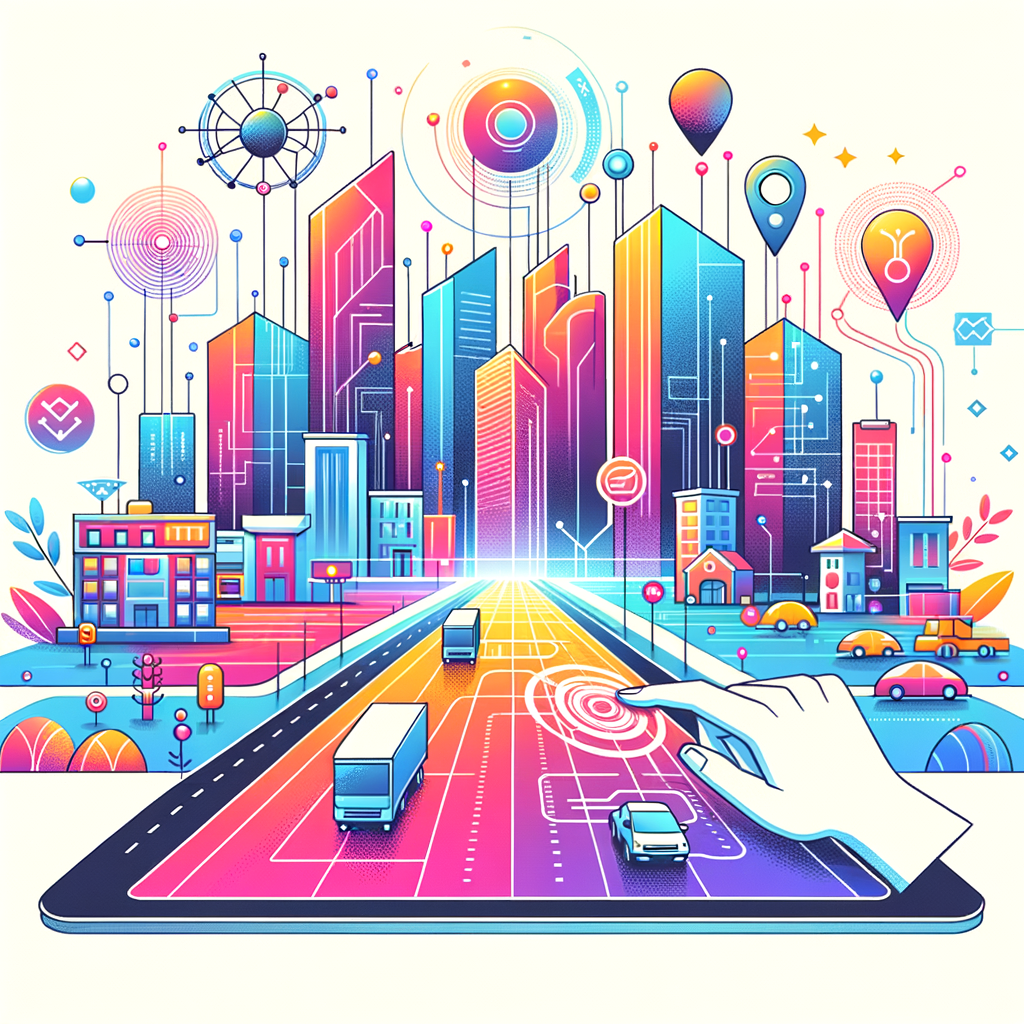
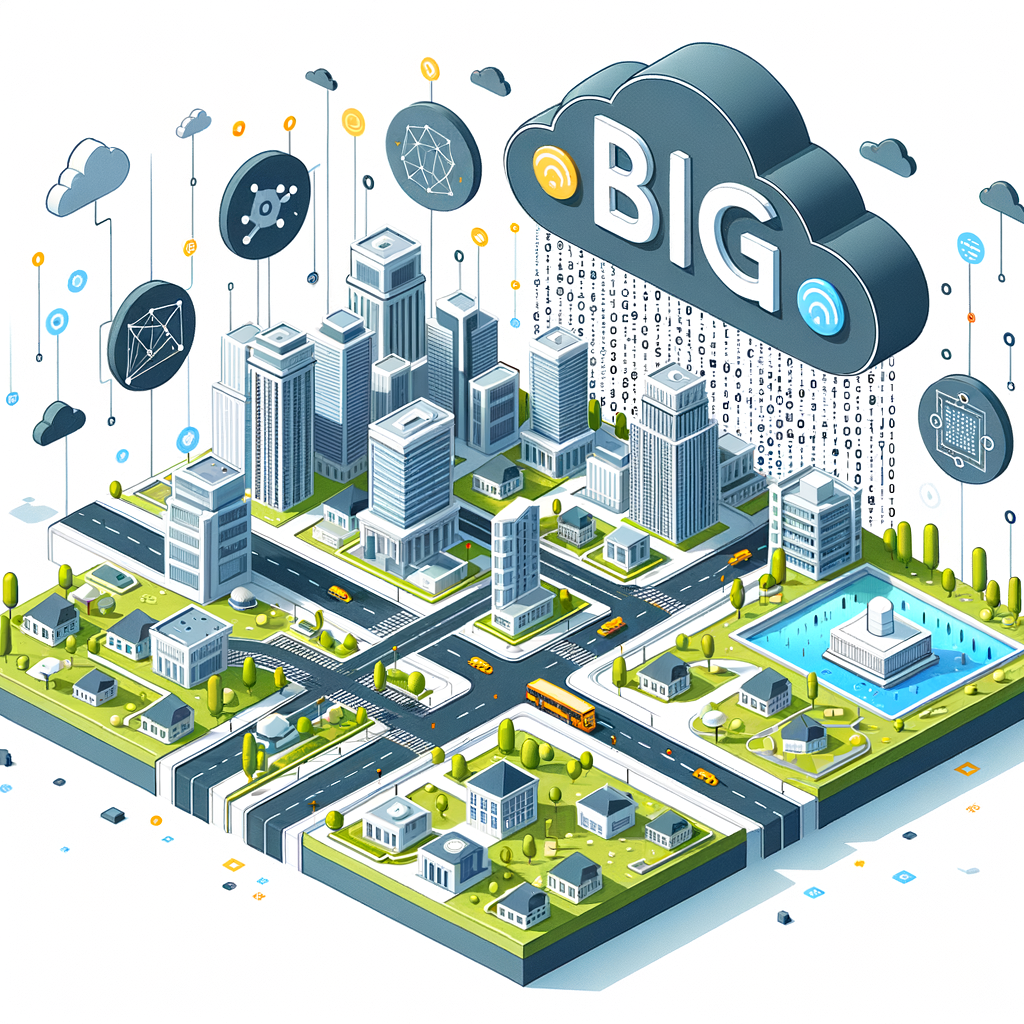
In recent years, the emergence of smart cities has revolutionized various aspects of urban living, leading to significant improvements in public transportation efficiency. Smart cities utilize advanced technologies and data-driven solutions to address urban challenges, among which public transportation holds a significant place. As cities continue to grow, the demand for efficient, sustainable, and reliable transportation systems becomes increasingly urgent. Integrating technology into transportation planning and management offers solutions to longstanding inefficiencies, making commuting faster, more convenient, and environmentally friendly. This evolution has been spurred by developments in digital connectivity, real-time data analytics, and Internet of Things (IoT) technologies. This article explores how the various aspects of smart city technology improve public transportation efficiency, focusing on specific innovations, their impact, and future potential.
Real-Time Data Analytics
One of the cornerstones of improved public transportation in smart cities is the use of real-time data analytics. This technology retrieves and processes transit performance, traffic patterns, and commuter behaviors data. By analyzing this data, transit authorities can make informed decisions to enhance service frequency, reduce congestion, and manage transit resources efficiently. Commuters benefit from real-time updates on travel times, delays, and alternative routes delivered through smartphone apps and smart transit displays. This instant feedback loop ensures that public transport can adapt swiftly to changes, offering reliability and optimized service.
Intelligent Transportation Systems (ITS)
Intelligent Transportation Systems (ITS) are another pivotal innovation in smart cities. These systems encompass a range of technological solutions aimed at improving transport efficiency and safety. Through ITS, cities deploy traffic management solutions such as adaptive traffic signals. These signals adjust in real-time based on current traffic conditions, optimizing flow and reducing bottlenecks. Furthermore, ITS improves the coordination between different transit systems, allowing for seamless transitions. This has been particularly effective in alleviating congestion and ensuring time-efficient public transport schedules.
Connected Vehicles and Smart Infrastructure
The integration of connected vehicle technologies with smart infrastructure significantly bolsters public transportation efficiency. Connected vehicles communicate with each other and with city infrastructure to share information on travel conditions and potential hazards. This communication enhances the safety and reliability of public transit fleets by anticipating issues before they arise. Additionally, smart infrastructure includes features such as smart bus stops that provide real-time information to passengers and optimize passenger flow and resource allocation. These infrastructure elements not only improve convenience for commuters but also reduce the environmental impact by improving fuel efficiency and lowering emissions.
Enhancing Commuter Experience Through IoT
The Internet of Things (IoT) plays a crucial role in enhancing the commuter experience in smart city public transportation networks. IoT supports various applications, such as smart ticketing systems that allow for contactless payments and travel cards, reducing boarding times and streamlining the fare collection process. Additionally, IoT-enabled devices provide commuters with essential information to improve their journey experience. Features such as accurate real-time bus/train arrival notifications, vehicle crowd-sourced condition reports, and suggestions for less crowded routes contribute to a more comfortable and predictable commute, encouraging more people to opt for public transportation.
Sustainability and Environmental Impact
Smart cities also focus on creating sustainable public transportation systems. By incorporating energy-efficient technologies and renewable energy sources, cities reduce the carbon footprint associated with transit systems. Electric buses, trams, and subways that consume less energy and reduce pollution are becoming increasingly common. Moreover, smart city initiatives also promote bicycle-sharing programs and pedestrian-friendly infrastructure to encourage eco-friendly commuting options. These green practices not only contribute to the city’s sustainability goals but also further enhance public transportation efficiency by integrating multi-modal transit options that reduce dependency on traditional car travel.
Predictive Maintenance and Reliability
Predictive maintenance is a technological advancement that smart cities leverage to improve public transportation efficiency. By using sensors and data analytics, transportation authorities can predict when a vehicle component is likely to fail or requires maintenance. This proactive approach minimizes unplanned downtime and disruptions, ensuring public transportation systems remain reliable and punctual. Predictive maintenance extends the lifespan of transit vehicles and infrastructure while optimizing maintenance schedules and reducing costs, resulting in more efficient operations and fewer passenger inconveniences.
Case Studies: Successful Smart City Implementations
Examining successful implementations offers valuable insights into how smart cities improve public transportation efficiency. Cities like Singapore, Amsterdam, and Barcelona have invested heavily in intelligent transportation networks, achieving notable results. Singapore utilizes an extensive ITS that directs traffic flow and prioritizes public transport vehicles, reducing transit times significantly. Similarly, Amsterdam’s smart ticketing system seamlessly integrates different modes of transport, reducing complexity for commuters. Barcelona’s bike-sharing system and solar-powered bus stops exemplify sustainable practices that enhance public transport networks. These case studies demonstrate how technology, when effectively applied, can transform urban transit landscapes.
Challenges and Future Directions
While smart city technologies present significant benefits, challenges remain. Implementing these systems often requires substantial investment, robust data infrastructure, and collaborative government and industry partnerships. Privacy concerns related to data collection need to be addressed through transparent policies and practices. Moving forward, cities must focus on extending smart technologies to underserved areas, ensuring equitable access to benefits. Continued advancements in artificial intelligence and machine learning hold promise for predictive analytics, autonomous vehicles, and further customization of transit experiences. By fostering innovation and embracing technology, smart cities can continue to enhance public transportation efficiency, ultimately improving quality of life for urban residents.
Conclusion
The integration of smart city technologies into public transportation systems proves essential for enhancing efficiency, reliability, and sustainability. Through the use of real-time data analytics, intelligent transportation systems, connected vehicles, IoT, and environmentally sustainable practices, cities can address the growing urbanization challenges. These technologies allow for precise, responsive, and streamlined public transportation networks that meet the needs of modern commuters. As the world continues down the path of digital transformation, smart cities will play an increasingly vital role in shaping public transportation systems that are robust, efficient, and conducive to sustainable urban growth. The continued investment in and development of smart transport solutions are poised to deliver profound benefits, making urban living more connected and efficient for all.
Frequently Asked Questions
1. What role do smart cities play in public transportation efficiency?
Smart cities leverage cutting-edge technology and data analytics to enhance the efficiency of public transportation systems. These urban areas utilize sensors, IoT devices, and platforms to gather real-time data about traffic patterns, public transit usage, and commuter preferences. This data empowers city planners and transport administrators to make informed decisions, optimize routes, and predict demand more accurately. Additionally, smart cities integrate digital ticketing solutions and mobile apps to improve user experience by offering real-time updates, route planning options, and seamless payment methods. This data-centric approach ensures that public transportation not only meets the demands of the present but can also adapt to future growth, making commutes more efficient, reducing congestion, and decreasing travel times.
2. How does technology enable better management of public transport systems in smart cities?
Technology is the backbone of efficient public transportation management in smart cities. With the introduction of AI and machine learning, predictive analytics can anticipate peak travel times and deploy additional resources accordingly. GPS and real-time location systems keep track of buses, trains, and shared transportation services, allowing operators to manage schedules and routes dynamically. Digital signage and mobile notifications help convey timely information to commuters, reducing wait times and enhancing the user experience. Transportation management platforms also facilitate the analysis of service performance and user feedback, encouraging continuous improvement and adaptation of services. In essence, technology in smart cities turns public transit systems into agile, responsive networks that cater to the scheduling complexities of a growing urban population.
3. What are some specific technologies used in smart city public transportation?
Smart cities employ a range of specific technologies to transform public transportation. Internet of Things (IoT) devices are used for gathering data across transit modes, such as buses and trains, which helps in monitoring vehicle health and performance. Cloud computing supports the processing and storage of immense datasets from these devices, providing the computational power necessary for real-time analytics. Smart ticketing systems, allowing contactless payments via RFID, NFC, or QR codes, streamline boarding processes and reduce queuing times. Moreover, advanced traffic management systems utilize AI algorithms to adjust traffic signals in real-time, easing congestion and prioritizing public transport. These technologies operate in unison to craft an interconnected transport ecosystem that is resilient and responsive to both current demands and future needs.
4. How do smart cities use data to improve public transportation?
Data is the lifeline for enhancing public transportation in smart cities. By amassing data from numerous sources, such as public transit cards, GPS tracking, and passenger feedback, smart cities formulate a comprehensive understanding of commuter behavior and transit system dynamics. This data is evaluated to identify pain points in transit networks and uncover trends and patterns that can guide infrastructure planning and resource allocation. Furthermore, data visualization tools assist stakeholders to interpret complex datasets effectively and make strategic decisions. This data-driven methodology not only optimizes efficiency but also promotes more sustainable urban mobility solutions by encouraging the use of public transport over private vehicles.
5. What impact do smart cities have on sustainability and environmental goals with respect to public transportation?
The integration of smart transportation initiatives within smart cities significantly advances sustainability and environmental goals. Smart cities strive to reduce carbon footprints by enhancing public transit accessibility and reliability, thereby encouraging more residents to opt for mass transit over individual cars. The adoption of electric buses, smart traffic signal controls, and eco-friendly scheduling systems diminishes emissions, noise pollution, and energy consumption. Data analytics help planners design routes and schedules that reduce fuel waste and minimize environmental impact. The holistic approach of integrating cycling paths and pedestrian-friendly zones further promotes environmentally conscious commuting. Consequently, smart cities not only improve the efficiency of public transportation but also contribute to a greener, healthier urban landscape.