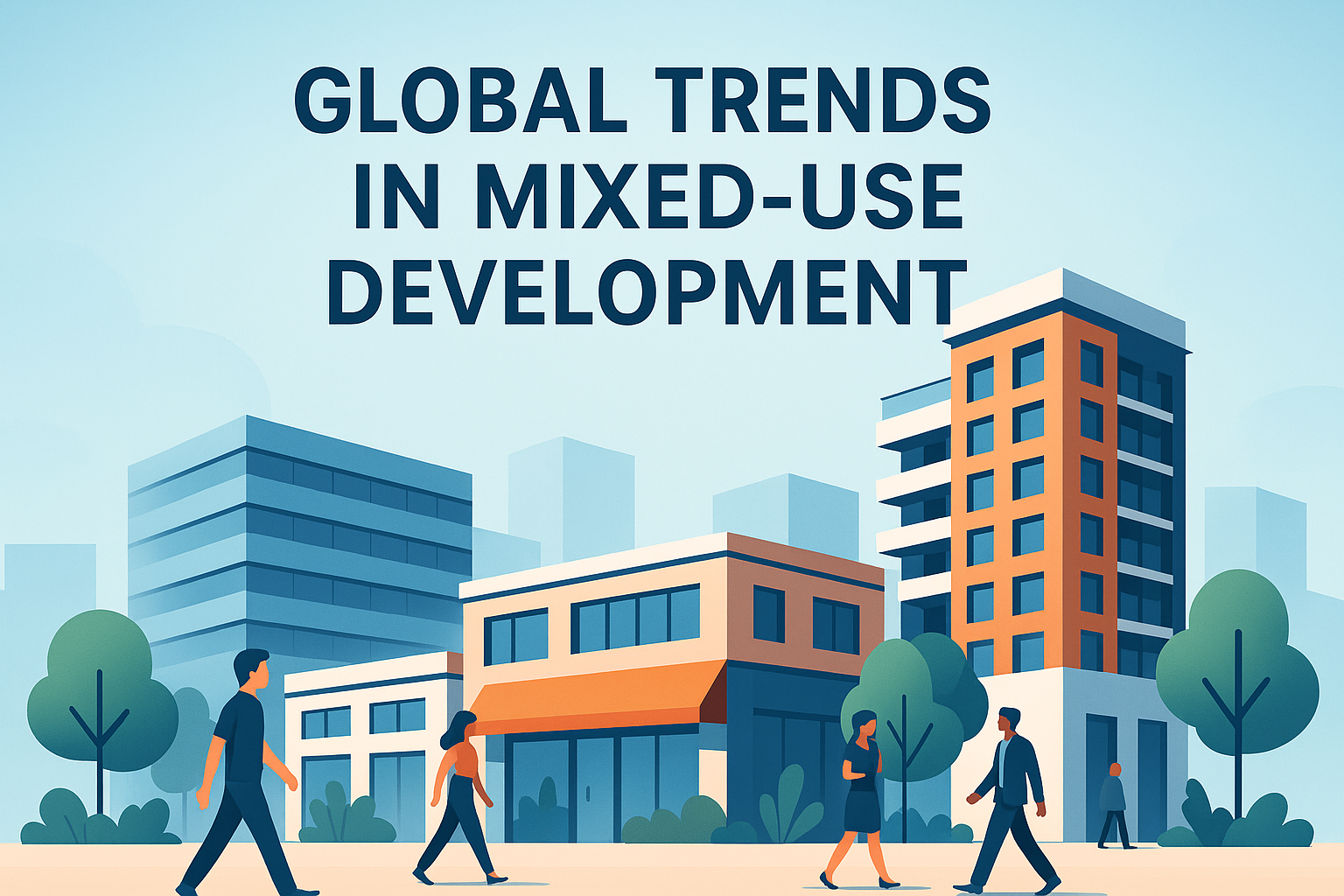
In the ever-evolving landscape of urban design, mixed-use development has emerged as a pivotal trend in city planning. At its core, mixed-use development refers to the integration of various functions such as residential, commercial, cultural, institutional, and/or industrial uses within a single development. Unlike monofunctional zones, which isolate different facets of everyday life, mixed-use developments endeavor to create vibrant, dynamic spaces where people can live, work, and play. This multifaceted approach not only optimizes land use but also fosters economic growth, environmental sustainability, and social cohesion.
The significance of mixed-use development cannot be overstated. As cities grapple with increasing populations, escalating real estate prices, and the pressing need for sustainability, mixed-use projects offer a solution. By creating multifunctional spaces, cities can reduce the reliance on automobiles, thereby lessening traffic congestion and pollution. Moreover, these projects promote community engagement, enhance walkability, and facilitate a more balanced work-life ecosystem. They have become instrumental in revitalizing underutilized urban areas and directly contribute to more resilient economic structures.
With its potential to revolutionize urban living, understanding global trends in mixed-use development is crucial for city planners, developers, and stakeholders alike. Whether it’s the bustling avenues of New York City or the quaint streets of a European town, mixed-use developments are setting the tone for how we design and inhabit our urban environments.
Historic Roots and Modern Evolution
The concept of mixed-use development is not new. Historically, cities evolved organically with mixed functionalities where residential and commercial activities coexisted. Think of ancient Rome’s bustling marketplaces or 19th-century European cities where living above one’s shop was commonplace. These historical precedents laid the groundwork for modern mixed-use projects.
Today, the shift towards such developments is driven by necessity as much as by design. Cities like Berlin have harnessed the power of mixed-use spaces to restore derelict industrial regions. The redevelopment of the Spreebogen district is a prime example. This former wasteland is now a thriving hub of offices, residential areas, and cultural spaces, illustrating the effective transformation of forgotten urban landscapes into vibrant living spaces.
Economic Impacts and Community Benefits
Economically, mixed-use developments can significantly boost local economies. These projects attract businesses due to their strategic location, increased foot traffic, and built-in customer base. For instance, Battery Park City in New York seamlessly integrates residential living with business spaces, parks, and community centers. This kind of urban planning not only enhances property values but also reduces urban sprawls, saving on infrastructure costs.
Beyond the economic, mixed-use developments provide substantial social benefits, fostering a sense of community and belonging. By incorporating public spaces, they create venues for social interactions and events, as seen in Melbourne’s Federation Square. This synergy between different urban uses encourages diversity, reduces crime rates, and leads to healthier, more engaged communities.
Sustainability and Environmental Considerations
A growing concern in urban development today is sustainability. Mixed-use developments are at the forefront of this green transformation. By blending different functions within a single footprint, they minimize land use and encourage public transportation, walking, and cycling. An excellent case in point is the Vauban district in Freiburg, Germany. This car-free neighborhood relies on solar energy and has integrated housing, workspaces, and green spaces, exemplifying a sustainable urban lifestyle.
These developments not only reduce the carbon footprint but also enhance urban resilience against environmental challenges. By creating self-contained communities, they decrease dependence on external resources and infrastructure, laying the groundwork for sustainable urban growth.
Design Innovations and Technological Integration
The architectural landscape of mixed-use developments has undergone significant innovation, incorporating advanced technology and smart design principles. Across the globe, developers are incorporating cutting-edge technologies to create smarter, more efficient developments. Singapore’s Marina Bay Sands exemplifies this trend with its futuristic design and state-of-the-art amenities, seamlessly integrating nature with urban life.
Technology plays an instrumental role in these projects by optimizing energy use, enhancing security, and improving overall urban management. Leveraging smart grids, sensors, and IoT, developers can create responsive environments that cater to dynamic urban needs.
| City | Project | Main Feature |
|---|---|---|
| New York City | Hudson Yards | Integration of public spaces with private development |
| London | King’s Cross | Mixed-use redevelopment with a focus on cultural spaces |
| Tokyo | Roppongi Hills | Vertical layout incorporating multiple functionalities |
Challenges and Criticisms
Despite their many benefits, mixed-use developments are not without challenges and criticisms. One major concern is the potential for gentrification, displacing low-income residents in favor of more affluent demographics. This critique is evident in many redeveloped areas in London where housing affordability remains a contentious issue.
Moreover, the complexity involved in planning and executing mixed-use projects can be formidable. Balancing diverse interests, regulatory hurdles, and zoning laws requires meticulous planning and collaboration among varied stakeholders. Ineffective execution can lead to issues like traffic congestion or inadequate service provisions, detracting from the project’s intended benefits.
Emerging Trends in Mixed-Use Developments
As cities around the globe continue to expand and evolve, certain trends in mixed-use developments have begun to emerge, reflecting a heightened focus on innovation and adaptability. A notable trend is the rise of micro cities – small, self-contained mixed-use developments that replicate the convenience and dynamism of larger urban centers. Projects like the SmartCity in Malta seek to create fully functional urban environments on a smaller scale, offering a promising blueprint for future urban development.
Another burgeoning trend is the incorporation of co-working and co-living spaces within mixed-use developments, catering to the evolving preferences of millennials and the gig economy workforce. Cities like Amsterdam are at the forefront of this approach, integrating flexible working environments and communal living spaces to enhance connectivity and collaboration.
Conclusion
In examining the global trends in mixed-use development, it becomes clear that these multifaceted urban designs hold transformative potential for cities worldwide. By reviving underutilized spaces and integrating various land uses, mixed-use projects are reshaping how we think about urban living. Not only do they promote sustainability and economic growth, but they also create spaces that enhance community, culture, and livability. With the growing emphasis on smart technologies and sustainability, the future of mixed-use development promises to unlock new opportunities for innovation in urban planning.
For individuals interested in engaging with these transformative trends, understanding the underlying principles and successful global case studies offers valuable insights. Whether you are a city official, developer, or a resident looking to be part of a vibrant community, participation in mixed-use developments illustrates a commitment to sustainable and inclusive urban futures. As we contemplate the cities of tomorrow, mixed-use developments stand out as a key element in shaping equitable and livable urban environments. These developments are pathways not just to enhanced urban functionality, but to a richer cultural and social landscape.
With these insights in tow, stakeholders are encouraged to embrace mixed-use development as a viable model for the future and to actively engage in the planning and execution of these initiatives for more connected and thriving urban spaces.
Frequently Asked Questions
1. What is mixed-use development and why is it gaining popularity worldwide?
Mixed-use development is an innovative approach to urban planning that combines residential, commercial, cultural, institutional, and sometimes even industrial spaces within a single development or neighborhood. This concept is gaining traction globally because it supports diverse, vibrant communities and offers a solution to the challenges posed by urban sprawl. Traditionally, city planning has segregated different functions, leading to zones where people live, other areas where they work, and separate spaces where they relax and have fun. This older model often results in longer commutes, increased traffic congestion, and less efficient use of space. On the contrary, mixed-use developments are integrated and multidimensional, allowing a seamless interaction of lifestyle elements. Their design focuses on creating pedestrian-friendly environments where amenities are easily accessible. The benefits of this setup are manifold: it reduces the need for automobile travel, bolsters local businesses due to increased foot traffic, and enhances the overall quality of life for residents. These developments also cater to the rising demand for ’15-minute cities’ where everyday needs are within a short walking distance, further contributing to their global popularity.
2. How does mixed-use development contribute to sustainability?
Mixed-use development contributes significantly to sustainability by promoting sustainable urban growth. By integrating different uses within the same area, mixed-use projects can help reduce urban sprawl, minimizing the environmental impact of cities. First and foremost, these developments often incorporate green design principles, including energy-efficient buildings, green roofs, and shared infrastructure, which result in a reduced carbon footprint. The pedestrian-friendly design minimizes dependence on cars, leading to lower emissions and promoting healthier living through increased walking and cycling. Moreover, mixed-use developments are typically located in urban centers where infrastructure already exists, rather than on undeveloped land. This preserves natural landscapes and reduces the need for new infrastructure. Additionally, these developments often incorporate open spaces and parks, which help maintain biodiversity and provide residents with green spaces. Another aspect of sustainability is economic resilience. By having various types of activities and businesses within the same area, mixed-use developments generate more stable economic conditions. They create versatile spaces adaptable to changing circumstances and economic contexts, thereby contributing to long-term urban sustainability.
3. What challenges are associated with implementing mixed-use developments?
While mixed-use developments offer numerous benefits, they come with their own set of challenges that can complicate their implementation. One of the primary challenges is the complexity of planning and design. Mixed-use projects must cater to a diverse range of needs, balancing residential, commercial, and other uses within a compact area. This requires careful planning to ensure harmony and functionality among different components, often resulting in a more complex and costly design and regulatory process. Another significant challenge is zoning laws and regulations. Many places still have zoning laws that segregate different types of land uses, posing a legal hurdle to developing integrated projects. In some cases, stakeholders need to navigate through cumbersome rezoning processes or gain special approvals to realize mixed-use visions. The financing of mixed-use developments can also be problematic. Investors and developers typically specialize in specific types of real estate, such as residential, office, or retail properties. Mixed-use projects demand a broader expertise and comfort with multiple risk profiles, which can make securing financial backing more challenging. Finally, community resistance can also be a hurdle. Sometimes local residents are resistant to change, especially if they fear the new development may lead to gentrification, increased traffic, or changes to the community character. Thus, developers and city planners must work hard to communicate the long-term benefits and inclusivity of mixed-use projects effectively.
4. Can mixed-use development help address urban housing shortages?
Yes, mixed-use developments can play a vital role in addressing urban housing shortages. They offer a viable solution by increasing the availability of housing within urban areas, utilizing space more efficiently than traditional monofunctional zoning models. By integrating residential units with other urban functions like retail, office spaces, and public amenities, mixed-use developments support more intensive land use. This integration can lead to building upwards in denser configurations, allowing for more residential units in constrained urban environments where space is at a premium. Moreover, mixed-use developments can offer a range of housing types, from affordable to luxury options, depending on zoning and community needs. This flexibility helps cater to diverse population groups, including young professionals, families, and seniors, contributing to a balanced and inclusive community. Furthermore, by promoting a lifestyle that reduces reliance on motor vehicles and enables proximity to workplaces and amenities, mixed-use developments align well with the urban lifestyle of many city dwellers, making them a practical solution in times of housing scarcity.
5. How does mixed-use development impact the local economy?
Mixed-use development can have a profound and positive impact on the local economy. By bringing together various functions within a single area, these projects stimulate economic activities and catalyze local business growth. One of the key economic benefits is the increased foot traffic that mixed-use developments generate. As people live, work, and play in the same area, local businesses benefit from consistent patronage throughout the day and evening. This diverse economic activity encourages small businesses like cafes, restaurants, retail shops, and service providers to flourish. In addition to fostering entrepreneurship and small business growth, mixed-use developments can attract larger businesses and employers. The vibrant environment and modern infrastructure make these areas desirable places to locate offices and business operations, providing job opportunities for residents and stimulating economic growth. Furthermore, mixed-use developments often increase property values due to their attractiveness and convenience, thereby boosting local tax revenues. These enhanced revenues can be reinvested into community improvements and public services, creating a positive cycle of economic development and community well-being. Overall, by cultivating inclusive, dynamic communities, mixed-use developments foster sustainable economic growth, generate employment, and enhance the quality of life for local residents.