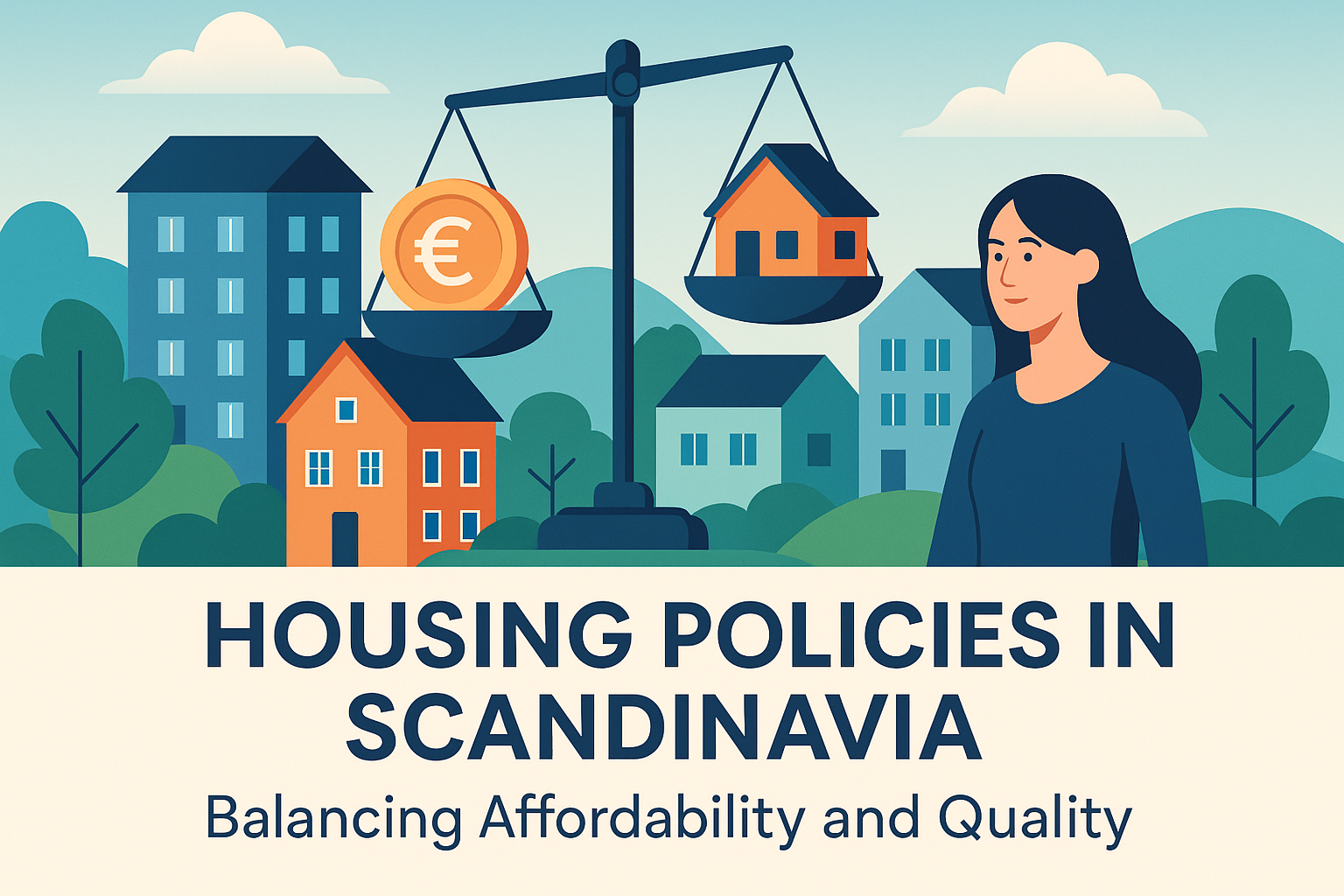
Introduction to Rent Control Policies
Rent control, a form of regulation often implemented by governments, primarily aims to cap the price landlords can charge tenants for rental accommodation. This intervention is designed to make housing affordable, especially for those who might otherwise be priced out of the rental market. Rent control policies vary widely from one geographical area to another, reflecting economic conditions, cultural norms, political landscapes, and the pressing needs of the local populace. Understanding rent control policies is crucial as it directly impacts tenants’ affordability, landlords’ profitability, and the overall housing market dynamics.
Key terms, such as “price ceiling,” “tenancy protection,” and “landlord incentives,” often feature prominently in discussions around rent control. A “price ceiling” specifically refers to the maximum amount that can be charged for rent within a controlled region. “Tenancy protection” ensures that tenants cannot be unjustly evicted or overcharged. “Landlord incentives” may include measures allowing landlords to increase rental prices when they make improvements to properties, thus balancing tenant protection with landlord investment.
Rent control matters in contemporary society because housing affordability remains a critical issue worldwide. With increasing urbanization, more people are living in cities, exerting pressure on housing markets. Rent control policies aim to alleviate this strain, ensuring that lower and middle-income families can afford a place to live within urban centers. From a societal perspective, rent control shapes the economic fabric by influencing where people can live, access to amenities, and overall life quality.
Diverse Approaches to Rent Control
The diversity in rent control policies worldwide highlights the complex nature of housing issues and the geographical and cultural factors that shape them. Different regions adopt unique strategies, tailoring regulations to better fit their socio-economic landscape.
In New York City, for instance, rent control has a long history dating back to the early 20th century. The policy is split into two segments: rent-controlled and rent-stabilized apartments. Rent-controlled apartments are more tightly regulated, often keeping rents exceptionally low but only applicable to buildings built before 1947 and occupied by the same tenant or their successor since then. This aspect of rent control in New York City tries to preserve affordable housing in an increasingly expensive market.
Meanwhile, Berlin has employed a “rent price brake” as its rent control policy. This mechanism allows for rental prices to be increased by a specified rate, linked to inflation and other economic indicators but sets a limit that helps maintain affordability. In contrast, Berlin’s method allows for more flexibility than New York’s, reflecting its role as a major hub in the European Union where housing demand remains high.
Pros and Cons of Rent Control
While rent control policies aim to keep housing affordable, they come with distinct advantages and disadvantages that stakeholders must consider.
One significant advantage of rent control is providing financial stability to tenants. With rents capped, tenants enjoy predictability in their housing expenses, allowing them to budget better and invest money in other sectors of the economy. It can also protect long-term residents from being displaced as property values rise in urban areas, thus maintaining community stability.
However, critics argue that rent control can discourage investment in rental housing. Landlords may find the reduced incentives challenging, leading them not to upgrade or maintain properties, thus deteriorating the housing stock. Furthermore, a critical downside of tightly regulated rent control, as seen in New York, is a decreased availability of affordable apartments as landlords convert them to higher-end units or sell them altogether.
On the flip side, California, with its statewide rent control policy enacted in 2019 through the “California Tenant Protection Act,” allows for annual rent increases of up to 5% plus inflation, but not exceeding 10%. This balance aims to ensure rent affordability while also safeguarding landlords’ interests by allowing for periodic increments tied to inflationary trends.
Real-World Impacts of Rent Control
Rent control policies directly affect local housing markets, communities, and economies. Real-world examples help illustrate these impacts more vividly.
San Francisco, known for its high cost of living, implements rent control policies that have reportedly kept rents at least partially within reach for long-term residents. The policy allows for annual rent increases but maintains strict rules on which circumstances might lead to higher hikes. This regulation has successfully protected a segment of tenants, enabling them to remain in the city, maintaining socio-economic diversity.
On the other end is Stockholm, where rent control involves a queue system. Rents are set based on cooperative agreements, but due to the appeal of copious housing subsidies, waiting lists can span over a decade – creating a severe shortage in available rental units. This scarcity demonstrates one downside of strict rent control where renters have low turnover, impacting market dynamism and accessibility.
Evaluating Rent Control Through the Lens of Market Economics
Understanding rent control from a market economics perspective helps discern potential outcomes of such interventions on supply and demand dynamics.
Basic economic theory suggests that setting a price ceiling on rents can lead to lessened supply. Landlords may be less willing to rent out properties when profits are mitigated, deterring new construction and property investment. Over time, this can result in lower housing quality and less choice for tenants.
Furthermore, rent control might inadvertently create a “shadow” market where transactions occur outside legal frameworks. Tenants may sublet properties at higher-than-cap rates or landlords might charge additional fees abusively. Anti-fraud measures become crucial to counter this and ensure the intended beneficiaries truly receive the policy’s benefits.
- Rent Control Models:
- New York City’s Dual Control System
- Berlin’s Rent Price Brake
- California’s Tenant Protection Act
- Stockholm’s Cooperative-Agreement-Based System
Policy Design: A Global Perspective
Effectively designed rent control policies require balancing tenant protections with landlord interests and market stability, which can differ vastly worldwide.
In a comparative context, Singapore’s approach is noteworthy. Although the government does not impose rent controls, extensive public housing programs ensure housing affordability. Residents can purchase government-subsidized flats, alleviating pressures from the rental market. This strategy displays how policy tools other than rent control can achieve affordability goals.
In contrast, Ontario, Canada, implements a centralized rent control regime combined with housing development incentives. The policy permits landlords to increase rents once every 12 months, with annual caps mirrored by Ontario’s inflation rate. This model merges elements of predictability in price setting while encouraging continuous property upkeep and investment.
Conclusion and Key Takeaways
Rent control policies offer multifaceted approaches to addressing housing affordability and stabilization challenges in urban environments. The global diversity in policy design underlines the necessity of tailoring solutions to reflect socio-economic specificities and existing housing market conditions.
From New York’s age-specific regulations to Berlin’s inflation-tethered price caps, systems must strike a balance between tenants’ needs for affordability and landlords’ requirements for profitability. The spectrum of models globally underscores the importance of a nuanced approach—to ensure policies benefit all stakeholders in the complex housing ecosystem.
For policymakers and housing advocates, learning from existing frameworks and outcomes remains vital. As cities continue evolving and facing socio-economic pressures, devising flexible, adaptive, and inclusive rent control policies that address modern realities becomes imperative. Engaging in dialogue, actively soliciting feedback from affected communities, and ongoing adjustments help formulate approaches that reinforce housing security while catalyzing sustainable urban growth.
To those engaged in housing policy or market analysis, staying informed about emerging trends and regional adaptations remains pertinent. Engaging in these discussions openly can lead to innovative solutions and synergistic policies that succeed in alleviating pressing housing challenges.
Whether a tenant, landlord, policy maker, or academic, understanding and communicating the implications of rent control policies enhances our collective capacity to create homes that foster growth and opportunity. Delve further into local policies to see how they align with global strategies and contribute to more secure, vibrant communities. Consider reaching out to local housing authorities or engaging with community meetings to push for equitable and sustainable solutions reflective of contemporary needs.
Frequently Asked Questions
1. What are rent control policies and why are they implemented?
Rent control policies are regulations set by governments to limit the amount of rent a landlord can charge tenants for residential housing. These policies are introduced to ensure that rental housing remains affordable, especially for lower- and middle-income families who might struggle to compete in an open market with steadily increasing rents. By capping rent levels, governments aim to provide some stability in the rental market, allowing tenants to budget more effectively and reducing the pressure of potentially exorbitant rent hikes. Additionally, rent control can help stabilize neighborhoods by preventing the displacement of long-term residents due to spiraling housing costs. Governments typically implement these policies in response to a housing crisis or in areas where the demand for rental accommodations significantly outpaces supply.
2. How do rent control policies differ across geographical areas?
Rent control policies can vary dramatically from one area to another, with distinct regulations reflecting the local economic conditions, political climate, cultural attitudes towards property rights, and housing needs. For example, in some regions, rent control policies might be stringent, setting rigid caps on both the rental price and the percentage by which rent can be increased annually. In contrast, other areas might adopt a more flexible approach, allowing for incremental rent increases tied to inflation or specific local indices. There are also distinctions in how these policies are enforced and monitored. Some jurisdictions have dedicated agencies to oversee rent control, ensuring both landlords and tenants adhere to the rules, while others rely on broader local or state government bodies. These differences can also be influenced by the supply of housing, the geographic constraints on housing expansion, and historical precedents of housing regulation.
3. What are the common criticisms of rent control policies?
Critics of rent control argue that, while these policies intend to increase housing affordability, they may have unintended negative consequences. One major criticism is that rent control can discourage investment in the rental housing market. Landlords, faced with reduced profits from the capped rental income, may be less inclined to invest in property maintenance or new housing developments, potentially leading to a decline in housing quality and availability. This could, in turn, exacerbate the housing shortage rent control seeks to alleviate. Furthermore, detractors argue that rent control can create disparities in the housing market, where existing tenants benefit from lower rents, while new tenants face higher rates in the unregulated portion of the market. Another complaint is that rent control can inadvertently benefit higher-income tenants who occupy rent-controlled properties, thus diverting resources from those most in need of affordable housing.
4. What are some successful examples of rent control policies?
Some cities and regions have been cited as examples of successful rent control implementations, where policies have effectively balanced tenant protections with market incentives for landlords. For instance, in Berlin, Germany, rent control laws are coupled with broader housing initiatives, including substantial public investment in new housing projects, which aim to maintain a balanced market over time. In Stockholm, Sweden, rent control is effectively managed through a system that ties rents not only to inflation but also to average salaries and housing maintenance standards, ensuring that rent control supports broader economic growth. These examples demonstrate that when rent control is part of a comprehensive housing policy strategy, incorporating development planning and tenant support systems, it can provide stability without discouraging investment in the housing sector. Such systems often involve collaboration between government entities, property owners, and rental market stakeholders to ensure mutual benefits and sustainable practices.
5. How do rent control policies impact the overall economy?
Rent control policies can have varied impacts on the overall economy, often dependent on the design and implementation of these regulations. On one hand, by stabilizing rent prices, these policies can increase disposable income for tenants, allowing households to spend money on other goods and services, thereby stimulating local economic activity. This stability can also foster a more predictable economic environment, encouraging broader consumer confidence. On the other hand, if poorly implemented, rent control can reduce the incentive for property maintenance and new property investments, potentially stunting the growth of the housing market and leading to an overall reduction in housing quality and availability. This could drive down property values and affect property taxes, ultimately impacting local government revenues. Moreover, any economic benefits or drawbacks largely depend on how well the rent control policies are integrated with broader housing and economic strategies, balancing tenant protections with market viabilities. To minimize adverse effects, it is crucial for rent control to be part of a multi-faceted approach to housing that includes elements like public housing expansions, incentives for private investments, and robust tenant-landlord mediation frameworks.