Introduction to Coastal Urban Planning
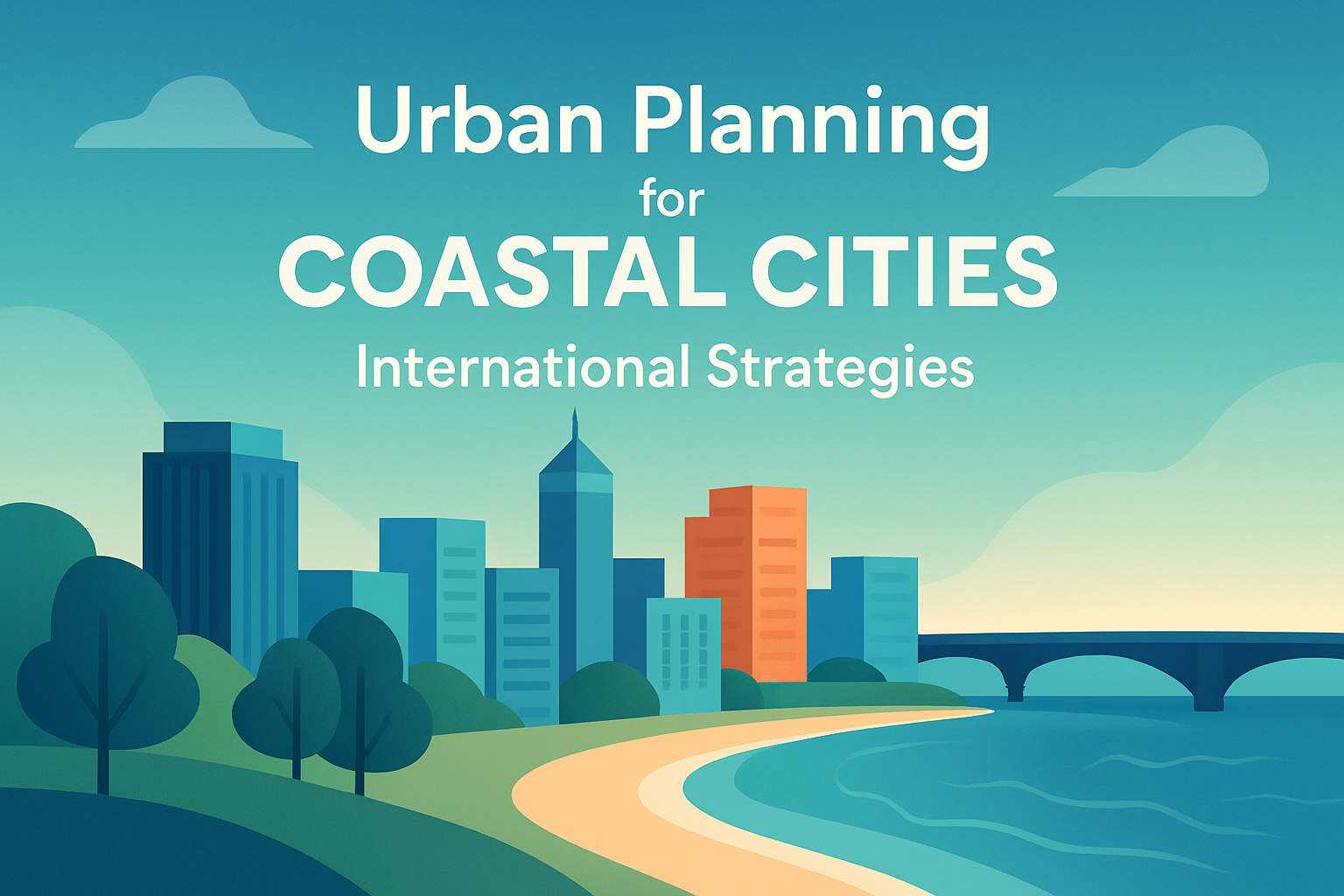
Urban planning is essential for the sustainable development and resilience of coastal cities. As these urban areas thrive near bodies of water, they face unique challenges such as rising sea levels, increased storm intensity, and coastal erosion. Coastal urban planning involves designing cities that can withstand and adapt to these challenges while providing a high quality of life for their residents. It also involves considerations like infrastructure development, environmental conservation, and socio-economic growth, which must be balanced to ensure the long-term viability of the city.
Understanding key terms is crucial in this context. “Resilience” refers to the ability of a city to absorb and recover from climatic and environmental shocks. “Sustainability” emphasizes the need for developing infrastructure without depleting natural resources, ensuring ecological balance for future generations. “Adaptation” involves modifying infrastructure and policies to minimize climate change impacts. Addressing these terms in coastal urban planning is vital for safeguarding the growth and prosperity of coastal cities around the world.
The importance of urban planning in coastal cities cannot be overstated. As the climate crisis intensifies, the risks faced by these cities increase. Proactive planning helps mitigate these risks, protecting economies, safeguarding populations, and preserving ecosystems. Additionally, effective planning ensures that the natural beauty and economic opportunities presented by coastal locations are not lost to unplanned urban sprawl or environmental degradation.
Strategies for Resilient Infrastructure
For coastal cities, one of the primary concerns is the resilience of infrastructure. Resilient infrastructure can withstand extreme weather events such as hurricanes and floods while minimizing damage and facilitating quick recovery. The New York City Special Initiative for Rebuilding and Resiliency (SIRR) is an illustrative example. Post the devastation brought by Hurricane Sandy in 2012, this initiative implemented comprehensive infrastructure upgrades. These include elevating electrical infrastructure, constructing floodwalls, and integrating green spaces to absorb stormwater.
By reinforcing critical infrastructure, coastal cities can reduce disaster-related disruptions and economic losses. This strategy often involves upgrading existing buildings to meet higher, more stringent standards against climate threats and building new structures designed to be flood-resistant. The emphasis on resilient infrastructure is not only a measure against destruction but also a step towards sustainable urban growth.
Environmental Conservation and Management
Coastal cities often possess rich biodiversity and ecosystems that must be preserved. Urban planning must integrate environmental conservation strategies to protect this natural heritage. Singapore is a prime example of successful environmental management. Known for its “City in a Garden” concept, Singapore blends urban and natural environments, demonstrating a commitment to conservation through policies ensuring more green spaces, water catchment areas, and urban biodiversity.
Implementing strict zoning laws and engaging in habitat restoration are common strategies. Protecting mangroves, wetlands, and coral reefs not only preserves biodiversity but also enhances the city’s resilience against coastal erosion and storm surges. These natural barriers play a critical role in absorbing wave energy and reducing the impact of flooding, thus providing an effective ecological shield for coastal cities.
Community Involvement and Governance
Successful urban planning requires active community participation and transparent governance. In the Netherlands, the Room for the River Program actively involves local communities in its planning processes. By considering local input, concerns, and traditional knowledge, planners can create strategies that are both practical and culturally acceptable.
Empowering communities enables more effective responses to climate risks and fosters social cohesion. Governance structures that promote public participation, accountability, and multi-level collaboration inspire trust and ensure that urban planning considers diverse perspectives. This leads to more inclusive and equitable urban environments where adaptation measures are supported by the populace.
Economic Strategies and Sustainable Tourism
Coastal cities are often hubs of tourism, which significantly contributes to their economies. Sustainable tourism strategies are essential to balance economic growth with environmental and social considerations. Barcelona exemplifies sustainable tourism by implementing the Strategic Plan for Tourism 2020. This plan seeks to minimize tourism’s environmental impact while maximizing socio-economic benefits.
The strategic limitation of tourist numbers, diversification of tourism activities, and promotion of eco-friendly practices help preserve cultural and natural assets. Furthermore, urban planning that integrates sustainable tourism encourages the development of infrastructure that supports both residents and tourists, leading to economic prosperity without compromising ecological integrity.
Technological Innovations in Urban Planning
Technological advancements are aiding urban planners in designing smarter, more resilient cities. The use of Geographic Information Systems (GIS), drones, and data analytics facilitates comprehensive urban planning. For instance, in Venice, Italy, cutting-edge monitoring systems track rising water levels, providing timely alerts and data for effective management.
| City | Technology Used | Purpose |
|---|---|---|
| New York City | Predictive Data Models | Infrastructure Resilience |
| Singapore | Smart Sensors | Monitor Environmental Quality |
| Venice | Water Level Monitoring Systems | Flood Management |
These technological tools enable better risk assessment and resource allocation, contributing to the efficient adaptation and mitigation of climate risks. Integrating technology into urban planning not only enhances resilience but also promotes innovation, making coastal cities more attractive for investment and habitation.
Conclusion: Embracing Sustainable Urban Growth
In conclusion, urban planning for coastal cities requires a multifaceted approach. Successful strategies involve reinforcing infrastructure, conservation efforts, community engagement, economic considerations, and leveraging technology. Learning from international examples, like New York City’s resilience initiatives, Singapore’s conservation efforts, and the Netherlands’ community involvement, offers valuable lessons for coastal city planners worldwide.
The key takeaway is that proactive, inclusive, and forward-thinking planning can significantly mitigate the risks posed by climate change to coastal cities. By adopting these strategies, city planners and policymakers not only protect their communities but also set the stage for sustainable urban growth. It is imperative that cities continue to innovate and adapt to climate challenges by incorporating comprehensive urban planning approaches.
As a call-to-action, coastal city stakeholders, including government officials, urban planners, and community leaders, should prioritize resiliency and sustainability in their urban development agendas. Engaging in collaborative efforts and exchanging knowledge globally will further aid in the development of robust urban ecosystems equipped to face the uncertainties of the future.
Frequently Asked Questions
1. What is the significance of urban planning for coastal cities?
Urban planning is crucial for coastal cities because these areas are uniquely vulnerable to a variety of environmental and socio-economic challenges. As cities develop near bodies of water, they often face issues like rising sea levels, increased storm intensity, and coastal erosion. Thoughtful urban planning helps address these issues by designing infrastructure, communities, and transportation systems that enhance resilience and sustainability.
Effective urban planning involves creating strategies to protect coastal areas from flooding, erosion, and other climate-related events while ensuring the city remains a desirable place to live. This includes incorporating innovative architectural designs, improving drainage systems, and implementing green spaces that absorb excess water. In addition to environmental concerns, urban planning must also consider economic and social factors. Maintaining a high quality of life for residents involves balancing development with natural preservation, ensuring affordable housing, maintaining commercial viability, and supporting public health initiatives. By taking a proactive and integrated approach, urban planning can guide coastal cities toward long-term sustainability and resilience against the challenges posed by their unique geographical locations.
2. How do international strategies contribute to the management of coastal urban areas?
International strategies play a vital role in the management of coastal urban areas by providing frameworks, guidance, and resources that can be adapted to diverse local contexts. These strategies often involve collaboration between countries, organizations, and scientific communities to address global challenges like climate change, sea-level rise, and environmental degradation.
One example is the Paris Agreement, which unites countries worldwide in combating climate change to limit global warming. This impactful international strategy encourages the reduction of carbon emissions, fostering a global effort to mitigate the effects of climate change on coastal areas. Additionally, international organizations like the United Nations and the International Maritime Organization work to establish regulations and best practices for sustainable urban development, such as promoting renewable energy and sustainable transportation. Access to international funding and expertise can help coastal cities develop innovative solutions to their specific challenges. By adopting international strategies, coastal cities can build on shared knowledge and experiences to create more resilient urban environments, improve disaster preparedness and response, and ensure a sustainable future for their residents.
3. What are common challenges faced by coastal cities in urban planning?
Coastal cities encounter several common challenges in urban planning due to their unique geographical location and environmental context. One prominent challenge is rising sea levels, which threaten to inundate low-lying areas, resulting in potential loss of land, homes, and infrastructure. Coastal urban planners must create strategies to cope with these rising seas, such as constructing seawalls, implementing managed retreat, and developing elevated structures.
Another challenge is increased storm intensity resulting from climate change, which can lead to more frequent and severe flooding events. Urban planners must design drainage systems and flood defenses capable of handling these heightened demands. Coastal erosion also presents a significant challenge as it can undermine the stability of coastal infrastructure, making it essential to incorporate stable building designs and natural buffers like sand dunes or mangroves. Additionally, rapid urbanization in coastal cities puts pressure on existing infrastructure, housing, and resources, leading to overcrowding, pollution, and potential declines in quality of life. Planners must balance growth with environmental preservation and address socio-economic disparities by integrating affordable housing and accessible public services. By recognizing and addressing these challenges, urban planners can contribute to building sustainable, resilient coastal communities.
4. How does coastal urban planning improve the resilience of cities to climate change?
Coastal urban planning significantly enhances the resilience of cities to climate change by adopting strategies and innovations that accommodate and adapt to environmental changes. Firstly, resilient infrastructure development is a key component, involving the construction of flood-resistant buildings, elevated transportation routes, and robust drainage systems to handle increased precipitation and storm surges.
Incorporating green infrastructure such as parks, wetlands, and green roofs can help absorb excess rainwater and provide natural buffers against coastal erosion, while also reducing the urban heat island effect by cooling surrounding areas. Urban planners also focus on the diversification and decentralization of critical resources like water, energy, and food supplies to reduce reliance on vulnerable systems. Another approach is the promotion of sustainable urban design, encouraging the construction of energy-efficient buildings, sustainable transport networks, and disaster-resilient communities. Importantly, effective communication and community engagement are fundamental in building city-wide awareness and preparedness for climate-related risks. By implementing these strategies together, coastal urban planning enhances the capacity of cities to withstand and recover from climate impacts while promoting long-term sustainability and quality of life for their residents.
5. What role do technology and innovation play in coastal urban planning?
Technology and innovation have transformed coastal urban planning by providing advanced tools and solutions that support sustainable and resilient city development. For instance, Geographic Information Systems (GIS) enable planners to analyze spatial data and map areas at risk of flooding or erosion, allowing for data-driven decision-making. Remote sensing technologies like satellites and drones provide real-time monitoring of environmental changes, improving disaster response and management.
Innovative building materials and construction techniques enhance the durability and efficiency of infrastructure, such as using adaptive architectural designs that can withstand extreme weather conditions or implementing permeable pavements to improve drainage and reduce surface runoff. Renewable energy technologies such as solar panels, wind turbines, and geothermal systems reduce greenhouse gas emissions and promote sustainable energy consumption in urban areas. Smart city technologies, including IoT devices, sensors, and data analytics, support efficient resource management, traffic optimization, and environmental monitoring. Technological advancements facilitate collaboration and knowledge-sharing between regions and countries, further enhancing the effectiveness of coastal urban planning efforts. Through embracing technology and innovation, coastal cities can future-proof their infrastructure and communities while addressing the environmental and social challenges they face.