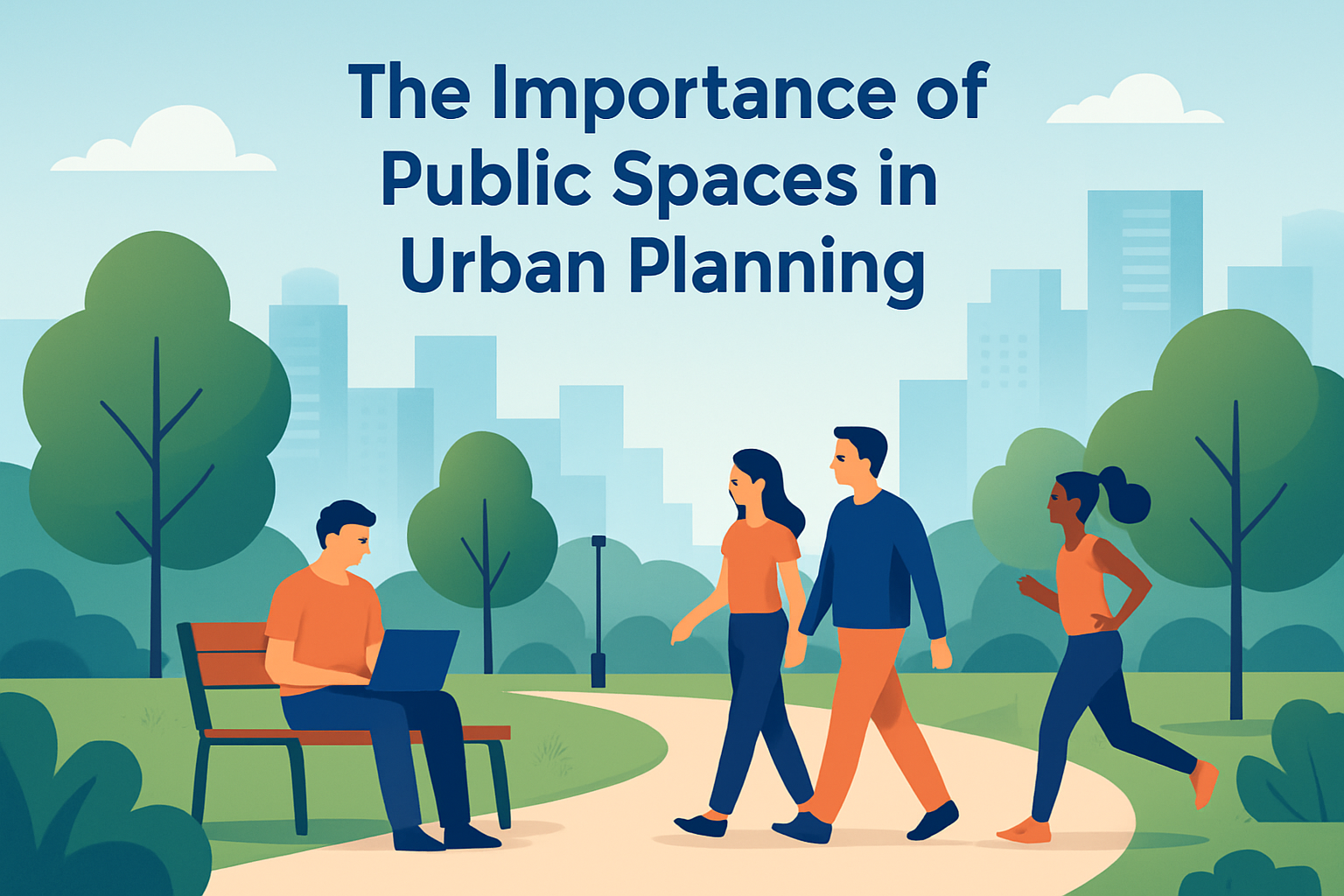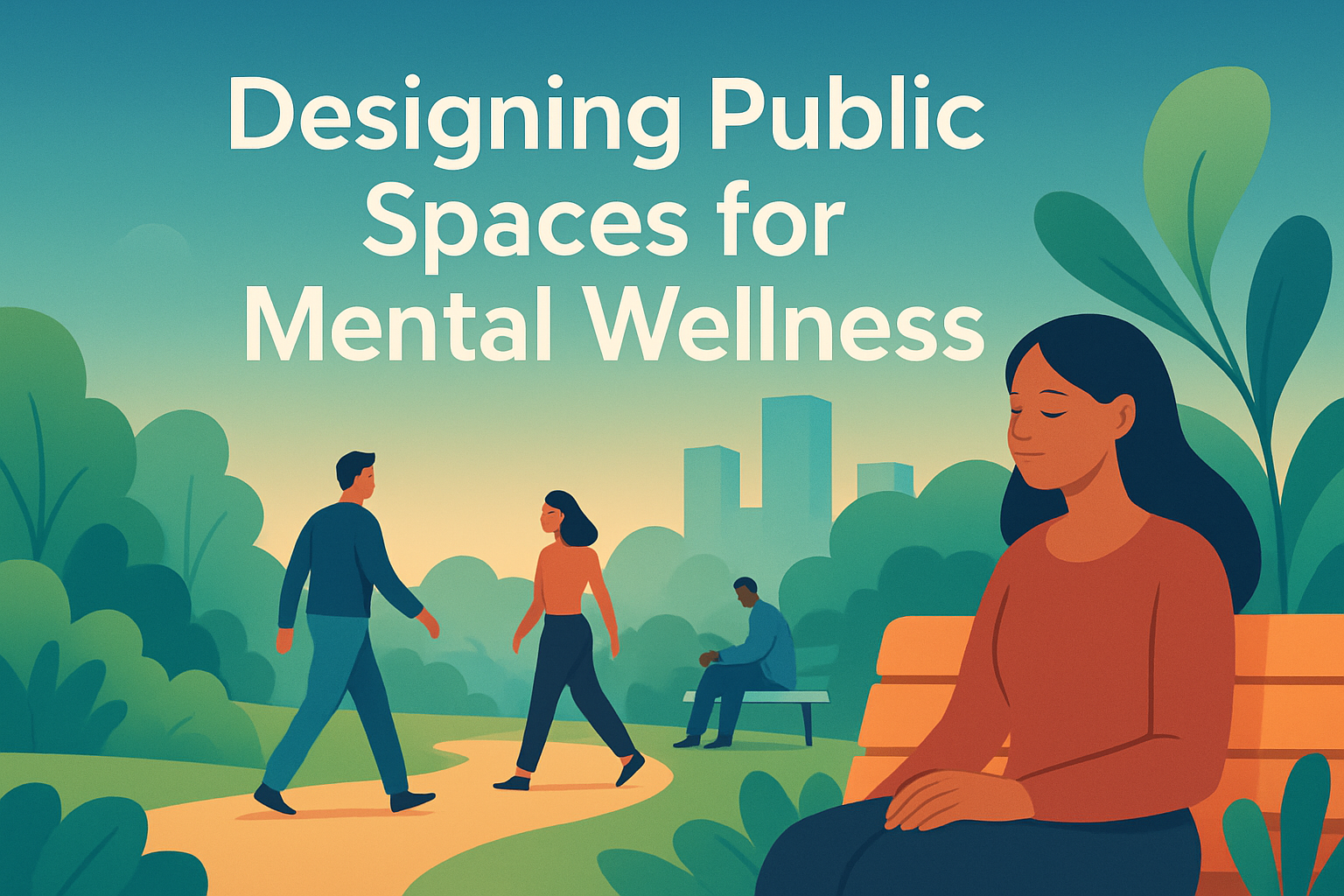
In today’s fast-paced world, the design of public spaces plays a crucial role in our overall mental health and well-being. Public spaces, ranging from parks to plazas, are not just mere facets of environmental design but are essential components that foster community interaction, relaxation, and rejuvenation. Mental wellness refers to our emotional, psychological, and social well-being, influencing how we think, feel, and act. Design elements in public spaces can directly impact mental wellness by creating environments that support comfort, encourage social connections, and offer solace from daily stressors. Recognizing the significance of this impact is imperative given that mental wellness is now a topic of global concern. As we continue to face societal pressures and urbanization, thoughtfully designed public spaces become vital havens that promote mental resilience and vitality. This article will delve into the ways public spaces can be crafted to enhance mental wellness, showcasing real-world examples and clear explanations to elucidate the connection between our built environments and mental health.
The Role of Green Spaces in Mental Health
Green spaces, such as parks, gardens, and nature reserves, have been shown to have a profound impact on mental health. These areas provide people with access to nature, which is known to reduce anxiety, stress, and depression levels. For instance, a study conducted in Toronto found that people who lived near green spaces reported a 15% decrease in feelings of depression compared to those without access to such environments. The principles of biophilic design, which involves integrating nature into architectural concepts, emphasize the importance of natural elements in human environments. As city planners are becoming increasingly aware of the health benefits that green spaces offer, efforts are being made to include more parks and natural landscapes in urban planning.
One exemplary city is Singapore, renowned for its extensive gardens and green initiatives. The Gardens by the Bay, a lush, futuristic park in Singapore, is a remarkable example of how integrating green spaces into urban design can improve mental health. The park’s attention to biodiversity, with its towering Supertree Grove and expansive flower dome, serves as a serene refuge and encourages citizens and tourists alike to partake in restorative, tranquil experiences. This focus on green infrastructure demonstrates the powerful role nature plays in fostering mental wellness, offering a calm and rejuvenating escape from metropolitan life.
Community Spaces: Encouraging Social Interaction
Community spaces are integral to combating social isolation, which is an increasing problem among urban populations that significantly affects mental health. Public spaces designed with community interaction in mind encourage individuals to engage with one another, fostering a sense of belonging and reducing feelings of loneliness. Public squares, community centers, and interactive installations are just some ways urban environments are being leveraged to promote social bonds and enhance mental wellness.
The Public Square in New York City serves as a prime example of how these community-centric spaces effectively foster interaction and connect people. Designed with amphitheaters, public seating, and art installations, the square becomes a bustling social hub. Events, performances, and markets are frequently held, creating opportunities for community members to come together, share experiences, and build relationships. Interactive community spaces like these not only enhance social interaction but also promote a sense of security and mental well-being.
Incorporating Mindfulness and Reflection in Urban Design
Designing spaces for mindfulness and reflection plays a crucial role in supporting mental health. These areas are intentionally crafted to offer peaceful environments that allow individuals to pause and engage in mental introspection. Meditation gardens, quiet sitting areas, and tranquil water features enable people to escape distractions and focus on personal contemplation and relaxation.
A notable implementation of mindfulness in public space design is the High Line in New York City. This elevated linear park, resurrected from an old railway line, incorporates elements that encourage mindfulness and relaxation, such as water features and reading nooks. These contemplative spaces invite visitors to slow down, take a breath, and immerse themselves in a restorative atmosphere right in the heart of the city. Utilizing ambient sounds and visual aesthetics, these areas facilitate a mindful experience beneficial to mental well-being.
Inclusive Design: Access for All
Inclusive design ensures that public spaces are accessible and welcoming to all individuals, regardless of age, ability, or background. Emphasizing inclusivity in public space design is essential for mental wellness as it fosters a sense of equality and community engagement, breaking barriers and reducing feelings of exclusion.
- Accessibility: Ramps, braille signage, and auditory guides are crucial for making spaces navigable for individuals with disabilities.
- Cultural Sensitivity: Incorporating multilingual signs and designing spaces that respect cultural norms ensure everyone feels welcomed.
- Age Considerations: Features like playgrounds, tactile boards, and wide pathways cater to numerous age groups, allowing all to interact meaningfully.
Maggie’s Centres in the United Kingdom exemplifies inclusive and compassionate design in public spaces. These cancer care centers are designed with the intent to provide physical access to all, including those undergoing medical treatments and their families. With considerations for a variety of physical abilities and cultural backgrounds, spaces like Maggie’s Centres foster environments where individuals feel included, understood, and supported, thereby enhancing the mental wellness of all users.
The Impact of Art and Creativity
Art and creativity are powerful tools for enhancing mental wellness in public spaces. Artistic elements integrated into the design can stimulate the mind, evoke emotion, and promote cognitive engagement. Creative elements such as murals, sculpture installations, and performance stages can transform public spaces into vibrant and stimulating environments that nurture mental health and well-being.
An effective example of art-driven mental wellness in public spaces is Millennium Park in Chicago. The park’s Crown Fountain and Cloud Gate sculpture, affectionately known as “The Bean,” are more than just iconic landmarks. They engage visitors through interactive elements and reflective surfaces that inspire self-expression, provide aesthetic pleasure, and stimulate the senses. Artistic installations in public spaces like Millennium Park not only enhance the visual landscape but also encourage individuals to experience the creative power of art, facilitating an enriched mental well-being.
Sustainable Design for Long-Term Wellness
Sustainability is an emerging consideration that directly affects the long-term wellness benefits of public spaces. Sustainable designs stress ecological benefits and foster environments that promote health and psychological well-being. Elements such as energy-efficient lighting, waste recycling stations, and sustainable planting schemes collectively offer multiple benefits for mental health by creating spaces that are soothing, environmentally responsible, and future-focused.
| Design Element | Wellness Impact | Example Initiative |
|---|---|---|
| Energy-efficient Lighting | Reduced eye strain and anxiety | Street lighting retrofits in Copenhagen |
| Recycling Stations | Environmental responsibility and community pride | Waste management initiatives in Zurich |
| Sustainable Planting | Enhanced air quality and natural beauty | Green rooftops in Vienna |
The Strategic Plan for Green City Plan proposed by Melbourne, Australia, perfectly illustrates the importance of sustainable design. The plan aims to increase the city’s canopy cover and integrate green pavilions that connect communities with nature, reducing stress with environmentally conscientious designs. This blend of sustainability and landscape design highlights the commitment to fostering mental wellness through ecological harmony.
Conclusively Enhancing Mental Wellness through Design
The design of public spaces is a critical component in promoting mental wellness, offering profound benefits ranging from stress relief to community engagement. By integrating green spaces, fostering community interaction, encouraging mindful reflection, ensuring inclusivity, highlighting art’s creative power, and adopting sustainable practices, public spaces can be curated to enhance overall mental well-being. In identifying these elements, it becomes increasingly evident that well-designed public spaces are not mere luxuries but necessary environments for mental health.
As individuals and members of society, it is crucial to advocate for and participate in the development of public spaces that prioritize mental wellness. By contributing our perspectives, supporting sustainable initiatives, and engaging with these environments, we can collectively enhance our mental well-being. Moving forward, we are tasked with being mindful stewards of our environments, encouraging designs that nurture mental health for current and future generations.
We invite you to explore your local public spaces with a newfound awareness of their design’s impact on mental wellness. Consider how these spaces nurture your mental health and think about ways they might be improved. Your involvement and feedback can be integral to shaping public spaces that support mental wellness for all.
Frequently Asked Questions
1. How can public spaces be designed to promote mental wellness?
Designing public spaces for mental wellness involves integrating several thoughtful elements that cater to emotional, psychological, and social well-being. First, incorporating natural elements such as greenery, water features, and open sky views can significantly enhance relaxation and reduce stress. Nature works wonders for our mental health by offering a calming and refreshing environment. Secondly, creating diverse settings within a public space allows for various activities catering to different age groups and interests. This includes spaces for exercise, leisure, and social gatherings, which encourage community interaction, a critical component for mental wellness. Additionally, mindful design should consider accessibility, ensuring individuals with disabilities can enjoy and benefit from these spaces. Incorporating art, sensory play areas, or zones designed for mindfulness and meditation can also foster a sense of creativity and tranquility, contributing positively to mental health.
2. Why is the integration of nature important in public spaces for mental wellness?
Nature is a fundamental component in the design of public spaces aimed at enhancing mental wellness. Spending time in nature has been proven to reduce stress, anxiety, and depression while boosting happiness and overall mental well-being. The presence of trees, plants, and water bodies can create a serene atmosphere that provides a necessary escape from the hustle and bustle of urban life. Natural light exposure, fresh air, and the chance to visually and physically interact with natural environments encourage users to slow down and reflect, both of which are beneficial for emotional health. Furthermore, these natural settings encourage physical activities like walking, jogging, and meditation, which are essential for maintaining a balanced mental state.
3. What role do public spaces play in fostering community interaction and its impact on mental wellness?
Public spaces are integral to fostering community interaction, which plays a significant role in enhancing mental wellness. These spaces serve as accessible meeting grounds for people of all ages, fostering social connections and a sense of belonging. When individuals engage with one another, it helps build community ties and social support networks, which are vital for mental health resilience and emotional support. Events and activities organized in public spaces bring together diverse groups, promoting cultural understanding and shared experiences. These interactions can combat feelings of loneliness and isolation, offering individuals a chance to make new friends, share experiences, and build trust. The sense of being part of a community contributes to an individual’s self-esteem and happiness, which are key components of mental well-being.
4. How do sensory elements in public spaces affect mental wellness?
Sensory elements in public spaces can have a profound impact on mental wellness by stimulating or calming the senses in ways that enhance our mood and emotional stability. Visual stimulation through colors, textures, and art can inspire curiosity and creativity, lifting spirits. Sounds from water features or bird songs can reduce stress and promote relaxation, while the scent of flowers and plants can create an inviting, soothing environment. Tactile elements like the textures of walking paths, benches, or art installations engage users in a multi-sensory experience, enriching their interaction with the environment. Incorporating sensory elements encourages mindfulness, allowing individuals to pause and experience the present moment keenly. This conscious engagement with the senses can help diminish anxiety and promote a sense of peace and fulfillment.
5. Are there any challenges in designing public spaces that cater to mental wellness, and how can they be overcome?
Designing public spaces for mental wellness does come with challenges, including limited space, budget constraints, and competing interests among stakeholders. One challenge is balancing the diversity of user needs while maintaining an inclusive environment for all community members. Overcoming these challenges requires collaborative planning with input from urban planners, psychologists, landscape architects, and the community, ensuring diverse perspectives and needs are met. Finding innovative solutions for integrating nature and sensory elements within urban environments, where space is scarce, calls for creative design approaches such as vertical gardens or multifunctional fixtures. Engaging local artists and volunteers in implementing low-cost design solutions can also foster community ownership and spread financial resources effectively. By placing mental wellness at the heart of public space design, we can transform these areas into nurturing environments that support a healthier, happier society.