Introduction to Public Spaces and Urban Aesthetics
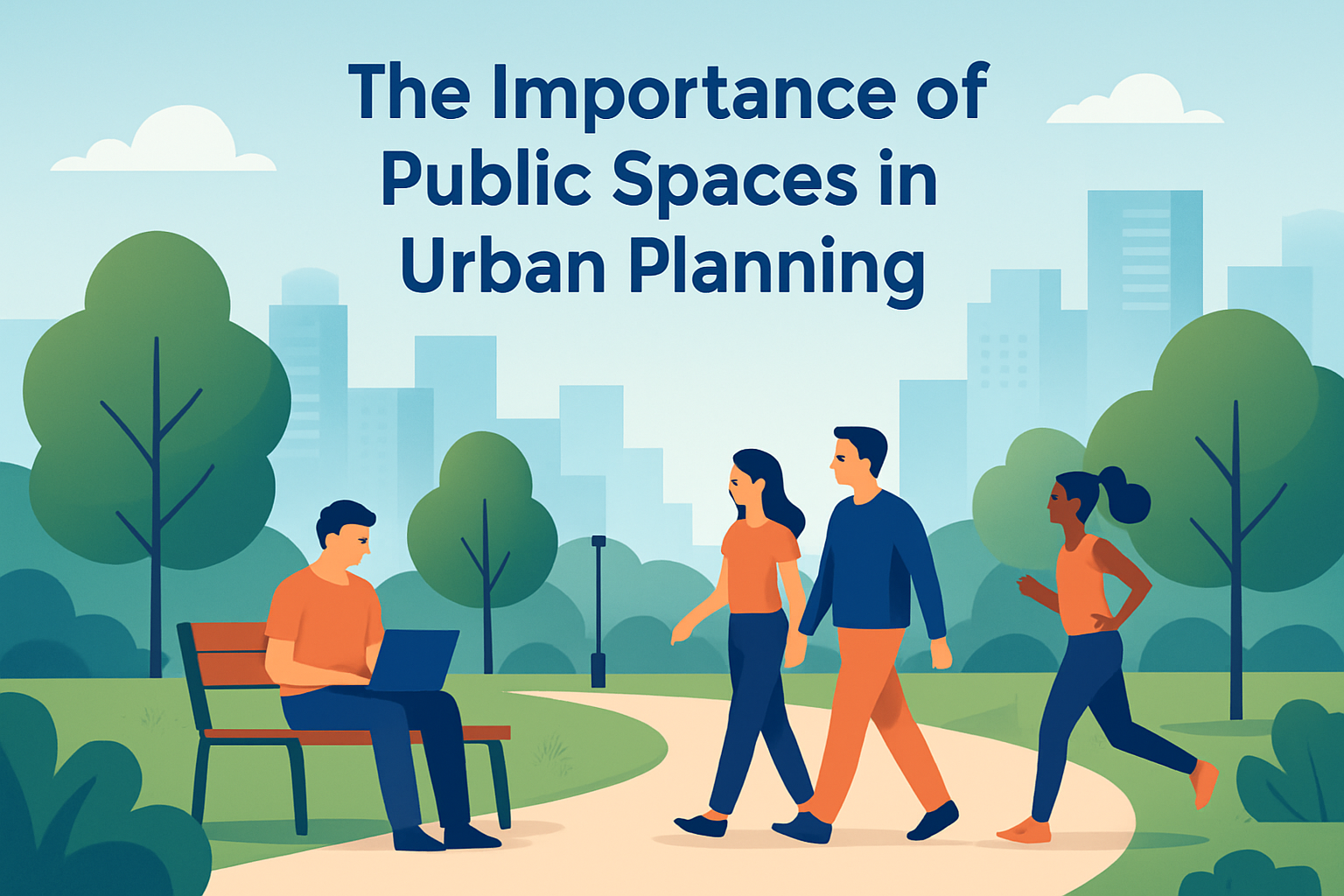
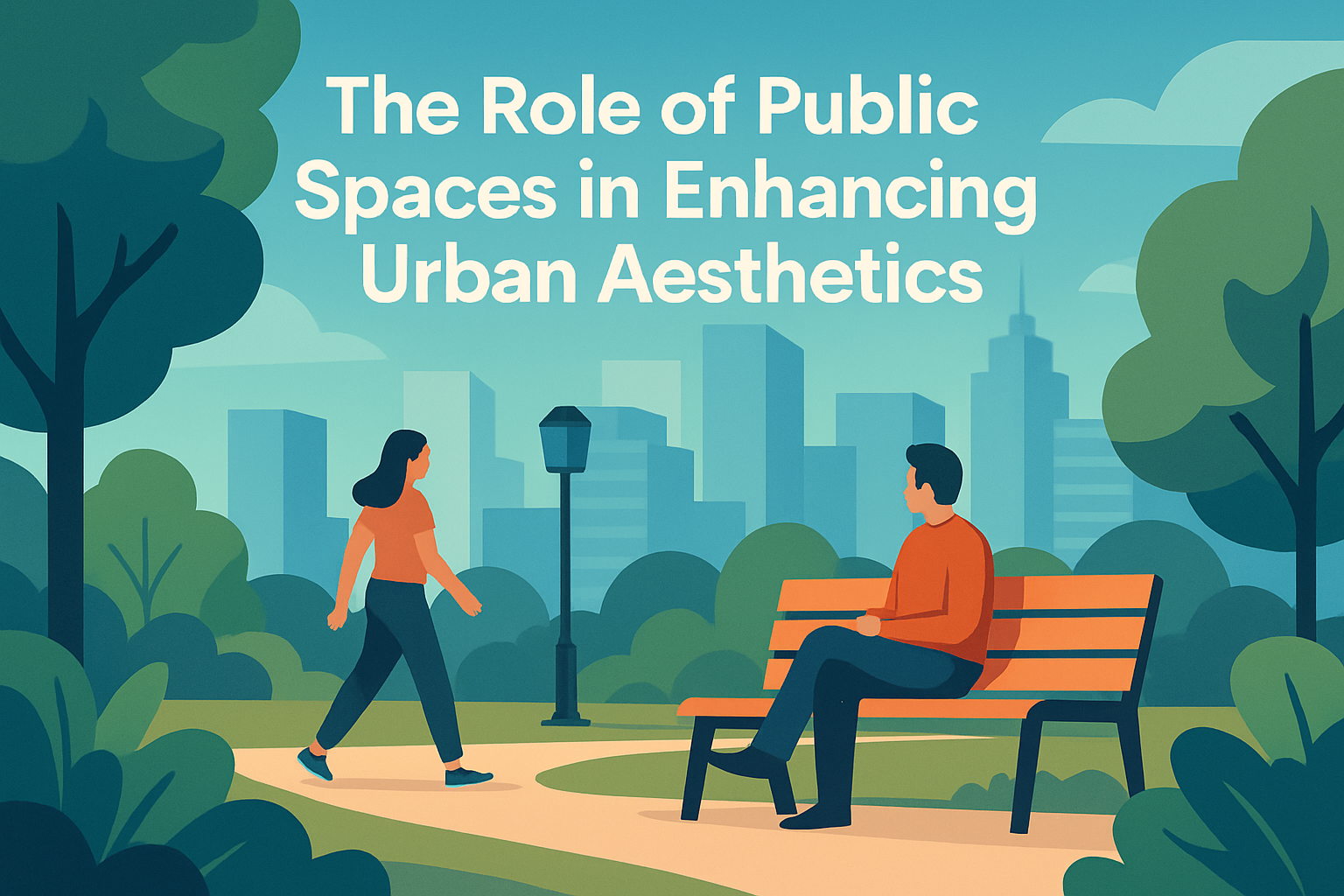
Public spaces in urban settings play a crucial role in shaping the aesthetic appeal of a city. They are the tangible and intangible elements that contribute to the visual and functional experience of metropolitan areas. But, what exactly are public spaces, and why do they hold such significance in urban aesthetics? Public spaces can be defined as areas accessible to all, such as parks, streets, squares, and plazas. These areas are significant because they act as the physical embodiment of a city’s culture, history, and social fabric. They provide opportunities for recreation, interaction, and appreciation of the natural environment.
Urban aesthetics, on the other hand, refers to the visual and sensory quality of an urban area. It encompasses architectural design, greenery, tidy streets, public art, lighting, and more. It matters because aesthetically pleasing cities often experience boosted tourism, increased property values, and enhanced quality of life for residents. Well-designed public spaces are integral to this equation as they offer a sense of place and belonging, bridging connections between people and the urban environment. This symposium on public spaces and urban aesthetics delves into how these areas enhance cities and enrich lives.
Designing Public Spaces for Functional Aesthetics
Effective design of public spaces focuses on functionality without sacrificing aesthetic value. Consider Singapore’s iconic Gardens by the Bay as a real-world example. This public park, spanning over 101 hectares, creatively combines nature with futuristic structures. It showcases the integration of eco-friendly innovation and captivating visuals. The park features vertical gardens, known as “Supertrees,” and conservatories with varied plant species, serving both ecological and aesthetic purposes. Visitors experience a blend of technology, sustainability, and beauty, making the park a central element of Singapore’s identity.
Functional aesthetics ensures that public spaces are not just visually appealing but also usable and welcoming. Designers must consider accessibility, safety, and comfort, along with visual components such as color, form, and scale. Public spaces should invite individuals to pause, converse, and engage with their surroundings, thus enriching the urban landscape.
The Influence of Public Art in Urban Areas
Public art plays a significant role in enhancing the aesthetics of urban environments. It transforms mundane cityscapes into vibrant, engaging locales. Take New York’s High Line as an example – a repurposed railway turned green space elevated above the streets of Manhattan. The space features sculptures, murals, and installations along its length. Each artwork adds color, character, and conversation, encouraging both locals and tourists to explore the walkway.
Public art serves multiple functions. It can commemorate cultural heritage, address social issues, or celebrate creativity. Moreover, art makes public spaces visually stimulating and emotionally resonant. Through art, cities distinguish themselves, providing visual narratives that enhance metropolitan cultural expressions.
Greenery and Sustainable Urban Development
Green spaces are an essential element of public areas that significantly influence urban aesthetics. Parks, gardens, and street trees not only beautify cities but also promote environmental health and well-being. The city of Curitiba in Brazil demonstrates how greenery can transform urban aesthetics. Known for its progressive urban planning, Curitiba integrates expansive green spaces into its infrastructure. The city’s parks and botanical gardens offer residential areas natural charm, making them attractive and livable.
Integrating greenery into urban settings also supports biodiversity, reduces urban heat, and improves air quality. Cities with vibrant green infrastructures emphasize sustainability, ensuring that urban beauty coexists with ecological responsibility. Public green spaces nurture a connection with nature, making them vital aspects of effective urban aesthetic strategies.
Community Space and Social Interaction
Community-centric spaces foster social interaction, contributing to both visual and social dynamics of urban areas. A striking example is the Millennium Park in Chicago. More than just a park, it serves as a cultural hotspot with its myriad of performing arts venues, installations like the famous Cloud Gate sculpture, and open spaces for festivals. Millennium Park has become a social nucleus where residents and visitors converge.
Public spaces designed for community engagement enhance urban aesthetics by inviting diverse social interactions. Features such as playgrounds, amphitheaters, and picnic areas enable inclusivity and foster communal bonds. These spaces provide a canvas for cultural expressions, bringing the city’s spirit into public view. Cities benefit aesthetically and socially by prioritizing environments where people can gather, share experiences, and build connections.
Conclusion: Envisioning Future Urban Spaces
The role of public spaces in enhancing urban aesthetics is indispensable. By integrating well-designed landscapes, visionary art, lush greenery, and community-focused areas, cities create visually and socially appealing environments. These spaces elevate the quality of metropolitan life, making urban areas more livable, lovable, and sustainable.
As urban development continues to evolve, focusing on public spaces enhances both aesthetics and quality of life, offering daily respite and inspiration for citizens. City planners, architects, and communities must collaboratively prioritize the development of such environments, fostering urban settings that reflect cultural, environmental, and social values.
Let us envision future cities that celebrate and leverage their public spaces as key aesthetic and communal assets. Engage with local city planning efforts, support local art initiatives, and participate in community activities that reflect the importance of public spaces. Together, we can shape urban aesthetics that enrich our lives and future generations.
Invest in public spaces to transform urban aesthetics for a brighter, more beautiful future.
Frequently Asked Questions
1. What is the significance of public spaces in urban aesthetics?
Public spaces are incredibly important in enhancing urban aesthetics as they are the heartbeat of city life and serve as the stage upon which urban life plays out. They encompass all the areas accessible to everyone, such as parks, streets, plazas, and squares, and their influence extends beyond mere visual appeal. Urban aesthetics reflect how a city feels to its residents and visitors, and public spaces are integral to this experience. They foster social interactions, convey cultural values, and can significantly elevate the visual character of a city.
These spaces contribute to the beauty of a city by incorporating greenery, incorporating architectural design elements, and harmoniously integrating with the urban fabric. They bring balance and contrast, softening the often harsh lines of urban architecture with natural elements like trees and gardens. Moreover, they provide venues for art, such as sculptures and murals, which further enhances the aesthetic experience. Ultimately, public spaces offer a sense of identity and place, enabling a city to tell its unique stories.
2. How do public spaces promote community engagement and connectivity?
Public spaces serve as important platforms for community engagement and help to weave the social fabric that holds urban communities together. These open, accessible areas encourage interaction among diverse groups of people by providing a common ground for gathering, mingling, and sharing experiences. As hubs of activity, they bring together people of different ages, backgrounds, and social standings, fostering inclusivity and understanding.
Such spaces often host community events, markets, art installations, and public performances, which draws residents out of their homes and into communal spaces. This not only enhances community pride and a sense of belonging but also encourages local businesses and supports the local economy. By enabling such vibrant exchanges, public spaces help to create stronger, more connected urban communities.
3. In what ways do public spaces influence the economic vitality of urban areas?
Public spaces can tremendously boost the economic vitality of urban areas, acting as catalysts for economic development. Well-designed public spaces attract visitors, tourists, businesses, and investors, thereby increasing the foot traffic to nearby establishments such as cafes, shops, and restaurants. This influx of people and activities can stimulate local economies by supporting retail and service industries.
Furthermore, desirable public spaces can increase property values in surrounding areas, encouraging private investment and redevelopment efforts. The presence of lively, attractive spaces can enhance business climates and make areas more appealing for professionals and companies seeking vibrant and dynamic places for their operations. In essence, public spaces are economic assets that help nurture the flourishing urban environments necessary for sustained growth and prosperity.
4. What role do public spaces play in enhancing environmental quality in cities?
Public spaces play a crucial role in enhancing the environmental quality of urban areas by offering ecological benefits that relieve some of the pressures of city living. One of the primary ways these spaces improve environmental conditions is through the incorporation of green spaces such as parks, gardens, and trees, which help to reduce urban heat, improve air quality, and support biodiversity within the city.
Trees and shrubs absorb carbon dioxide and airborne pollutants, thus mitigating the impacts of pollution while cooling the environment through the shading of streets and buildings. Vegetation also helps manage urban water runoff by facilitating rainwater absorption and reducing flooding and erosion risks. Moreover, public spaces often serve as habitats for urban wildlife, fostering biodiversity by providing homes and food sources for various species.
Through these ecological functions, public spaces not only beautify cities visually but also support the health and well-being of urban residents, contributing to a sustainable and liveable urban future.
5. Can the design and planning of public spaces impact urban sustainability efforts?
Yes, the design and planning of public spaces have a significant impact on urban sustainability efforts. Well-conceived public spaces can become integral components of municipal strategies to promote sustainability by encouraging environmentally conscious behaviors and efficient resource use. For instance, incorporating green infrastructure such as rain gardens, permeable pavements, and native plantings can enhance natural water management and reduce the carbon footprint of urban areas.
By promoting walkability and connectivity, public spaces support sustainable transportation modes like walking, biking, and the use of public transit, thereby reducing car dependency and associated emissions. Moreover, these spaces can serve as educational tools that raise awareness about environmental issues and foster community engagement in sustainability initiatives through programs and events.
In summary, public spaces designed with sustainability in mind not only enhance urban aesthetics but also empower cities to address environmental challenges and create a resilient, eco-friendly urban future.