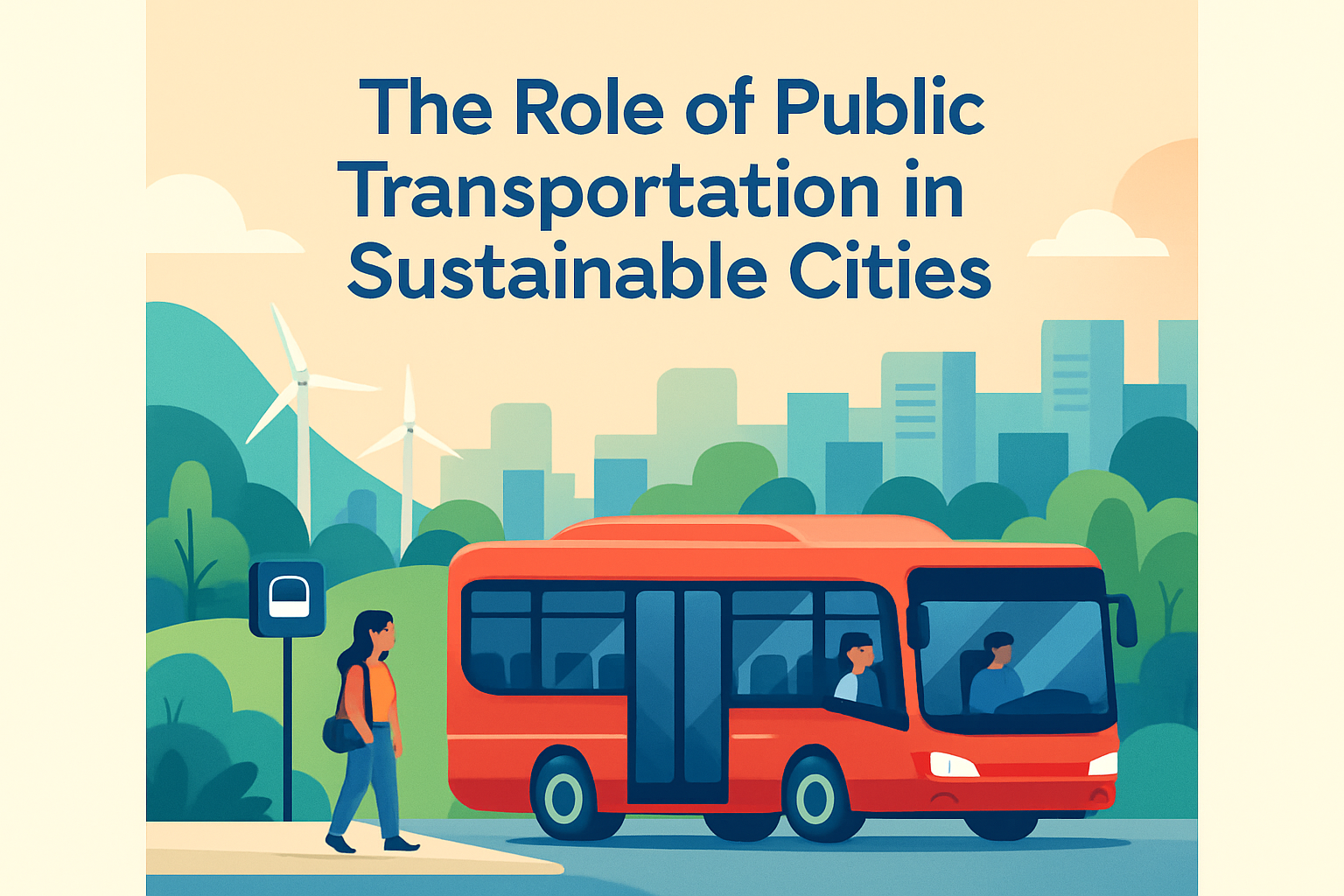
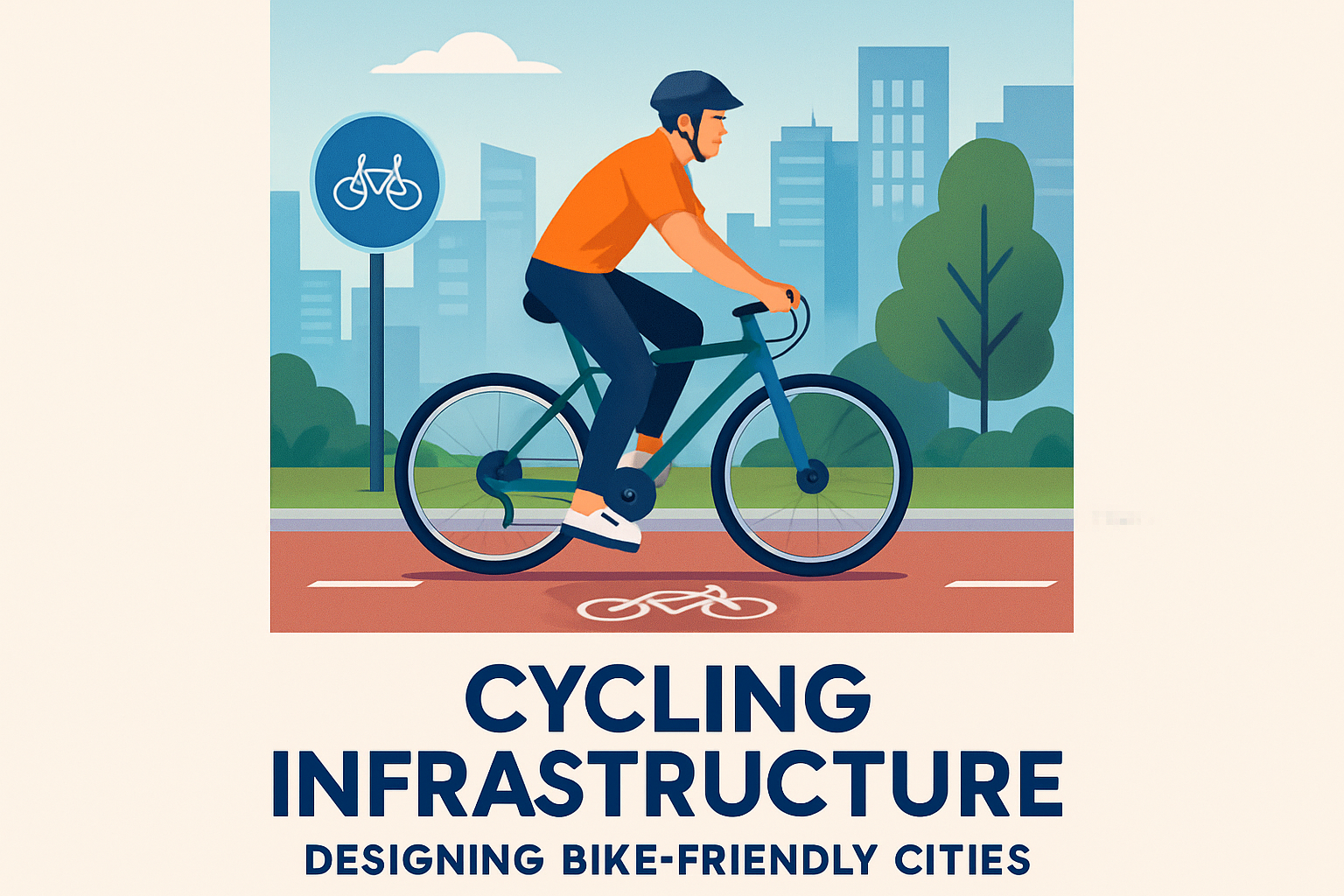
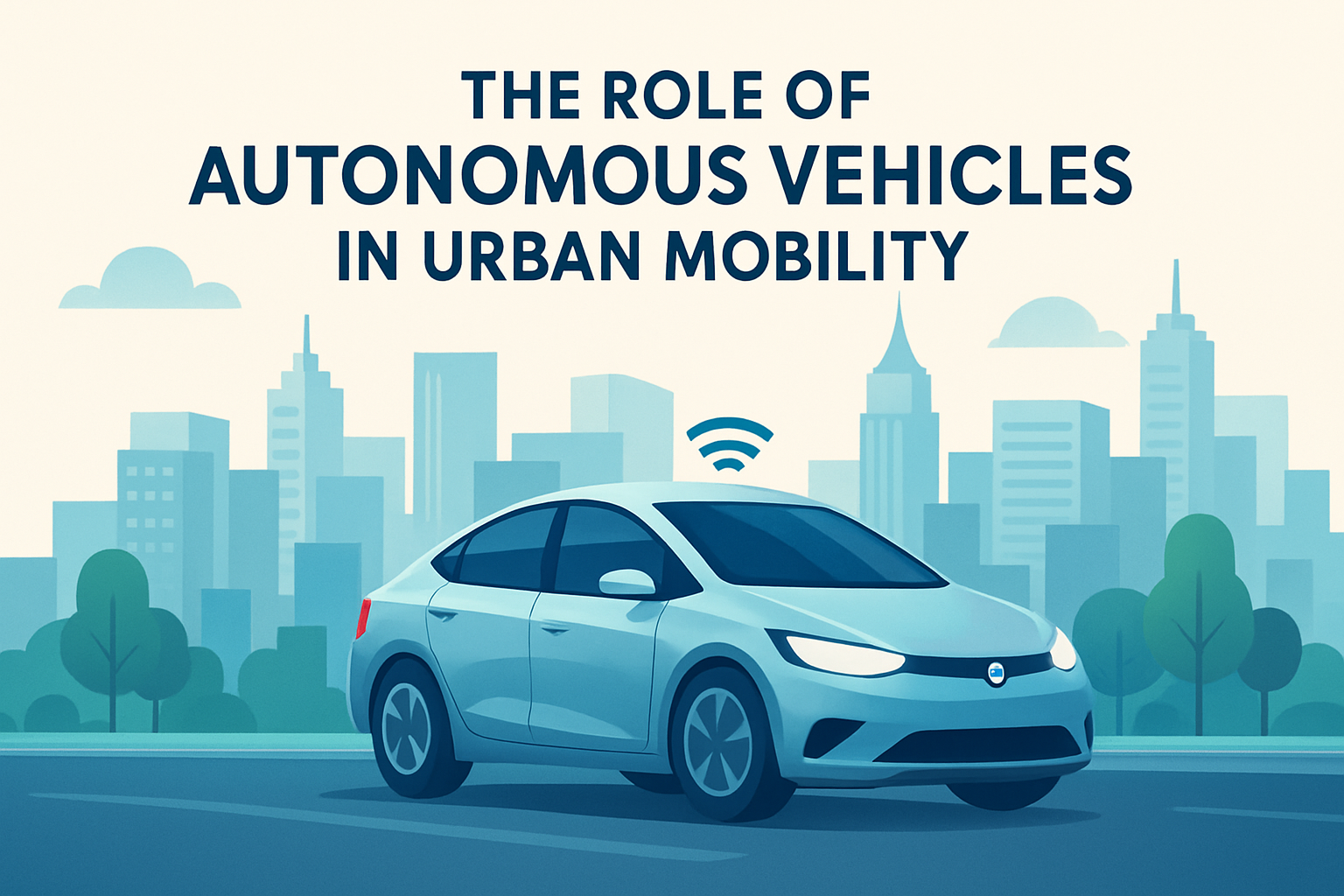
Designing for intermodal transportation solutions means planning journeys, places, and systems so people and freight can move smoothly across multiple modes, such as rail, bus, bicycle, walking, rideshare, trucking, ferries, and air cargo, without needless friction. In practice, intermodal design is not only about infrastructure; it also includes schedules, digital wayfinding, fares, curb management, station layout, accessibility, safety, and the governance needed to make separate operators work like one network. I have worked on mobility programs where a perfectly good rail line underperformed because transfer paths were confusing, bus bays were badly placed, and payment systems were fragmented. That experience makes one point clear: the transfer is the trip. When intermodal connections are intuitive and reliable, cities reduce congestion, improve equity, and expand economic opportunity. When they fail, travelers default to private cars or less efficient freight routes, even if the core service is strong. This hub article explains the essential components of intermodal transportation solutions, the design principles that matter most, the role of technology and policy, common mistakes, and the metrics organizations should track when building an integrated urban mobility system.
What Intermodal Transportation Solutions Include
Intermodal transportation solutions coordinate two or more travel modes within a single journey or logistics chain. In passenger mobility, a commuter might walk to a bus stop, transfer to commuter rail, then use a shared bike for the final mile. In freight, a container may move by ship, rail, and truck while staying in the same loading unit. The design challenge is to make these transitions efficient, legible, and resilient. That requires physical integration, such as colocated platforms and protected pedestrian links, and operational integration, such as timed transfers, real-time information, and compatible ticketing.
Good intermodal planning starts with trip purpose and user context. A daily commuter values consistency and low transfer stress. A parent traveling with a stroller needs elevators that actually work and enough platform width to maneuver safely. A warehouse operator cares about dwell time, gate throughput, and predictable handoff windows. Because these needs differ, successful systems use a layered design approach: network design at the regional scale, hub design at the station or terminal scale, and service design at the customer touchpoint scale. Agencies including the Federal Transit Administration, the American Public Transportation Association, and the International Association of Public Transport have long emphasized that integration must span infrastructure, information, and institutional coordination.
Intermodal hubs also serve as organizing devices for broader urban mobility and transportation strategies. A rail station with bus priority lanes, secure bicycle parking, pickup and drop-off zones, and mixed-use development can anchor transit-oriented growth. A port connected to inland rail terminals can reduce long-haul trucking pressure on highways. In both cases, the hub is more than a transfer point; it is a productivity asset. That is why this miscellaneous hub topic matters: intermodal transportation solutions touch every adjacent subject, from street design and micromobility to logistics digitization and climate policy.
Core Design Principles for Seamless Transfers
The best intermodal environments follow a small set of repeatable principles. First, minimize transfer penalty. Research and project modeling consistently show that travelers perceive transfer time as more burdensome than in-vehicle time, especially when wayfinding is poor or waits are uncertain. Second, preserve continuity. Users should understand where to go next without stopping to decode the environment. Third, design for universal access from the beginning, not as a retrofit. Fourth, build operational slack where failures cascade, such as elevators, crossovers, and bus holding areas. Fifth, match the design horizon to future demand so hubs can expand without reconstruction that cripples service.
On station projects, I typically evaluate transfer quality through five questions: How far is the walk? How many decision points exist? Can users see their destination? What happens during disruption? Is every path accessible? These questions sound basic, yet they reveal most of the hidden design failures. For example, if passengers exiting a train must cross a vehicular loop to reach buses, conflict risk rises and transfer confidence falls. If bike parking is hidden behind service alleys, uptake stays low even when racks are technically provided. If departures are displayed only on one concourse screen, crowding builds around that location and late-arriving passengers miss service.
| Design element | What good looks like | Common failure | User impact |
|---|---|---|---|
| Walking path | Direct, weather-protected, step-free | Long detours, stairs, poor lighting | Higher transfer stress and missed connections |
| Wayfinding | Consistent signage, landmarks, plain language | Mixed naming conventions, hidden exits | Confusion, dwell time, crowding |
| Scheduling | Timed connections at key periods | Independent timetables | Long waits and reduced trust |
| Fare system | One account or interoperable payment | Separate tickets and media | Boarding delays and abandonment |
| Accessibility | Reliable elevators, tactile guidance, audible info | Outages, gaps, inconsistent path design | Exclusion and legal risk |
These principles apply equally to large metropolitan hubs and smaller suburban interchanges. The difference is scale, not logic. A rural park-and-ride linked to demand-responsive transit still needs clear pickup zones, synchronized booking rules, and weather protection. A central city terminal simply has more modes, more users, and more failure points to manage.
Infrastructure, Streets, and the Hub as Public Space
Physical design determines whether an intermodal hub feels effortless or chaotic. Station geometry should reduce crossing movements and keep modal interfaces visible. Bus bays work best when arranged to limit backing maneuvers and support intuitive platform assignment. Pedestrian paths need generous clear widths, especially near fare gates, escalator landings, and concession areas. Vertical circulation must be distributed rather than concentrated in one location, because a single broken elevator or escalator can effectively sever an accessible route.
Street design around the hub is equally important. Many failed transfers happen outside the station box, where bus stops are offset by a block, crosswalk cycles are too long, or curbside activity overwhelms the frontage. Curb management is now a central intermodal issue because deliveries, ride-hailing, paratransit, taxis, private pickup, and micromobility all compete for limited frontage. The strongest designs assign curb space by function and time of day, using signage, geofencing, and enforcement to keep access predictable. Transport for London, for example, has shown how bus priority, legible stop placement, and disciplined curb allocation support high-throughput transfers even in constrained streets.
Hubs should also work as public places, not just circulation machines. Good lighting, active frontages, clear sightlines, seating, restrooms, and passive surveillance improve safety and comfort. Climate resilience belongs here too. Heat, flooding, and severe storms increasingly disrupt transfers, so canopies, drainage, backup power, and materials that withstand freeze-thaw cycles are not optional details. In freight settings, resilience means hardened pavements, protected signaling assets, secure staging areas, and redundancy in gate access. Intermodal transportation solutions succeed when infrastructure supports both everyday efficiency and abnormal operations.
Digital Integration, Data, and Customer Information
No modern intermodal system works well without digital coordination. Riders expect to plan, pay, and receive updates through a phone, while operators need shared data to manage disruptions in real time. The technical foundation usually includes schedule data, real-time vehicle positions, occupancy indicators where available, and service alerts distributed through apps, station displays, and web channels. In passenger transport, standards such as GTFS and GTFS Realtime have made multi-operator trip planning far more achievable. In logistics, terminal operating systems, electronic data interchange, and API-based visibility tools serve a parallel role by giving carriers and shippers a common view of handoffs and delays.
However, publishing data is not the same as designing a usable information system. Travelers need consistent naming, accurate platform assignments, countdowns they can trust, and disruption messages that explain alternatives in plain language. The most effective stations mirror digital information in physical space. If an app says use Exit B for tram connections, the concourse signage should use the same label and color. If an elevator is out of service, the accessible reroute should appear instantly across station screens, apps, and staff devices. Too many agencies still treat these functions separately, which forces users to reconcile contradictions on the fly.
Account-based ticketing has also become a major enabler of integrated urban mobility. Instead of storing value on a specific card, the customer account sits in the back office, allowing contactless bank cards, mobile wallets, and agency media to work together. This makes fare capping, concessions, and operator settlement easier across bus, rail, and shared mobility partners. The tradeoff is governance complexity. Revenue sharing, privacy compliance, procurement scope, and cybersecurity all become critical. Still, when designed properly, unified payment removes one of the most visible barriers to intermodal adoption.
Governance, Operations, and Policy Alignment
Most intermodal problems are institutional before they are architectural. Separate agencies often control rail, bus, roads, parking, airports, and land use, while private firms manage micromobility, ride-hailing, terminals, or freight assets. If these actors optimize their own piece without shared goals, the customer gets fragmentation. Effective intermodal governance starts with a lead entity or formal coordination mechanism that can set standards for schedules, signage, fares, data exchange, and performance reporting. In my experience, even modest governance improvements, such as a joint operations committee with decision rights during disruption, can produce outsized gains.
Policy alignment matters because pricing and regulation shape behavior. Free parking at peripheral stations may boost rail ridership but undermine bus access if land is consumed by surface lots instead of compact feeder services and development. Airport ground access policies can either encourage transit integration or lock in private vehicle dominance. Freight policy choices around truck delivery windows, low-emission zones, and terminal access fees influence whether rail-connected logistics become attractive. The design of intermodal transportation solutions therefore has to connect to parking policy, zoning, emissions targets, and capital programming, not just station plans.
Funding structures can also distort outcomes. Capital grants often support visible assets like stations and vehicles, while the ongoing operational budget needed for coordination, cleaning, maintenance, customer service, and data management remains thin. Yet users experience the system through operations every day. A beautiful interchange with unreliable transfers and poor staffing performs worse than a simpler hub that is managed with discipline. Agencies should tie funding to measurable integration outcomes, including transfer times, accessibility uptime, and information accuracy, rather than counting only boardings or ribbon-cuttings.
Measuring Performance and Avoiding Common Mistakes
Intermodal success should be measured from the user perspective first. Key passenger metrics include door-to-door travel time, average transfer penalty, missed-connection rate, walking distance between modes, elevator and escalator availability, crowding at decision points, fare transaction failure rate, and customer comprehension of wayfinding. For freight, critical indicators include dwell time, on-time handoff, crane or gate productivity, chassis availability, exception rate, and emissions per ton-mile. These metrics reveal whether the system actually functions as an integrated chain rather than a set of adjacent assets.
Common mistakes recur across projects. One is overemphasizing iconic architecture while neglecting circulation logic. Another is placing too much reliance on apps, assuming everyone has a smartphone, strong signal, and digital literacy. A third is failing to test operations under disruption. Designers often validate the perfect day but not the storm, event surge, signal failure, or elevator outage that exposes weak connections. I strongly recommend full-scale wayfinding walks, tabletop disruption exercises, and accessibility audits led by users with disabilities before opening day. These exercises consistently uncover issues that drawings miss.
Another frequent error is ignoring first-mile and last-mile conditions. A station can be well designed internally and still underperform because adjacent sidewalks are broken, bike routes disappear at the curb, or bus stops lack shelters. Intermodal planning must include the catchment area, not just the hub envelope. Finally, teams often underestimate maintenance. Signage fades, sensors fail, drainage clogs, and curb rules erode without enforcement. Long-term asset management is not a back-office concern; it is a core part of design quality because neglected details quickly become barriers to transfer confidence.
Designing for intermodal transportation solutions is ultimately about reducing friction across the entire journey, whether that journey carries a commuter, a tourist, a wheelchair user, or a freight container. The strongest systems combine clear physical layout, reliable operations, unified information, interoperable fares, and governance that aligns many operators around one customer experience. They also recognize tradeoffs. Not every hub can support every mode, and not every transfer can be perfectly timed. But every project can improve legibility, accessibility, resilience, and accountability.
As a hub within urban mobility and transportation, this topic connects directly to station design, bus network planning, complete streets, micromobility integration, transit-oriented development, freight logistics, curb management, and mobility data platforms. If you are shaping a city program, campus network, airport district, port connector, or regional transit interchange, start by mapping real user journeys instead of organizational charts. Measure the transfer penalty, fix the obvious friction points, and build standards that all partners must follow. Intermodal transportation solutions deliver their biggest benefit when the entire system feels like one coordinated service. Use this page as your launching point, then move deeper into each related article and turn fragmented mobility into connected movement.
Frequently Asked Questions
What does designing for intermodal transportation solutions actually involve?
Designing for intermodal transportation solutions involves much more than placing different travel modes near each other. At its core, it is the practice of creating a connected experience so people and goods can move smoothly between modes such as rail, bus, walking, cycling, rideshare, ferries, trucking, and air cargo. A well-designed intermodal system reduces friction at every step of a trip or shipment, from planning and booking to boarding, transferring, and arriving at the final destination.
In practical terms, this means coordinating physical infrastructure, operations, information systems, and governance. Physical design includes stations, sidewalks, bike facilities, loading zones, curb space, parking, freight transfer areas, signage, and platform layouts. Operational design includes scheduling, transfer timing, service frequency, incident response, and staffing. Digital design covers trip planning apps, real-time arrival information, fare payment systems, and wayfinding tools that help users make decisions with confidence. Governance is equally important because intermodal systems often depend on separate agencies, private operators, municipalities, and logistics providers working toward shared goals.
The best intermodal design also considers the full user journey rather than a single segment. For a passenger, that could mean walking safely to a bus stop, transferring to commuter rail, using a bike-share at the destination, and paying for the whole trip with one account. For freight, it could involve moving containers from a port to rail and then to truck distribution with minimal delay and handling. In both cases, successful design removes uncertainty, shortens transfer times, improves reliability, and creates an experience that feels coordinated rather than fragmented.
Why is intermodal transportation design so important for cities, regions, and supply chains?
Intermodal transportation design is important because most real-world trips and shipments do not begin and end on a single mode. People may walk to a bus, transfer to rail, and complete the last mile by bike or on foot. Freight may move by ship, rail, truck, and air depending on urgency, distance, and cost. When these transitions are poorly designed, users experience delays, confusion, missed connections, safety risks, and higher costs. When they are designed well, transportation becomes more efficient, resilient, and attractive.
For cities and regions, strong intermodal design supports mobility, economic development, and sustainability. It can reduce dependence on private cars by making transit, walking, and cycling work as a seamless network rather than isolated options. It can also improve access to jobs, education, healthcare, and commercial districts, especially for people who do not drive. From a public policy perspective, intermodal systems help make better use of limited urban space by moving more people and goods efficiently through coordinated services and facilities.
For supply chains, intermodal solutions improve flexibility and risk management. Businesses can combine the cost efficiency of rail or maritime transport with the local reach of trucking, while reducing bottlenecks through better terminal design, scheduling, and information sharing. This matters even more during disruptions such as weather events, labor shortages, equipment failures, or congestion. A thoughtfully designed intermodal network gives operators more options to reroute, rebalance, and recover. In short, intermodal design is not just a transportation topic; it is a strategic tool for competitiveness, reliability, safety, and long-term resilience.
What are the most important design elements in a successful intermodal hub or corridor?
A successful intermodal hub or corridor depends on a combination of physical clarity, operational coordination, and user-centered planning. One of the most important elements is intuitive layout. People should be able to understand where to go without stress, even if they are unfamiliar with the location. That means direct walking paths, short transfer distances, visible entrances, legible signage, adequate lighting, weather protection, and clear distinctions between passenger zones, bicycle access, pickup areas, and freight activity where relevant.
Another critical element is timing. Even a beautiful station can fail if schedules are poorly coordinated and transfers are unreliable. Effective intermodal design looks closely at headways, dwell times, layover needs, first-mile and last-mile connections, and contingency planning for delays. Real-time information systems are especially important because they help passengers and operators adapt when conditions change. Fare integration also plays a major role. If travelers have to navigate multiple payment systems, separate ticketing rules, or unclear transfer charges, the system feels fragmented. Integrated payment reduces barriers and makes multimodal travel more practical for everyday use.
Accessibility and safety must be built in from the start, not added later. This includes step-free access, tactile guidance, audible announcements, ramps, elevators, platform edge treatments, safe crossings, protected bike routes, personal security measures, and clear sightlines. For freight-oriented facilities, design priorities include efficient loading areas, truck circulation, rail access, cargo handling capacity, secure storage, and minimal conflict between heavy vehicles and public spaces. Finally, governance and maintenance matter just as much as the initial build. A hub only stays successful if agencies and operators continue to manage it as a connected system, with shared standards for service, cleanliness, information, and performance.
How do digital tools and data improve intermodal transportation design?
Digital tools and data improve intermodal transportation design by making networks more visible, responsive, and coordinated. In the planning stage, data helps designers understand travel demand, transfer patterns, bottlenecks, curb activity, dwell times, and user behavior across modes. This allows agencies and operators to identify where connections break down and where investments will have the greatest impact. Instead of designing in silos, teams can use integrated data to evaluate the complete journey, including access to and from stations, transfer quality, and service reliability.
For users, digital tools reduce uncertainty. Trip planners that combine bus, rail, bike-share, walking, rideshare, and other services into one interface make multimodal travel easier to understand and compare. Real-time information on arrivals, departures, delays, gate changes, and platform assignments helps travelers make informed decisions quickly. Digital wayfinding, mobile ticketing, account-based fare systems, and service alerts all contribute to a smoother experience, especially in busy hubs where small delays can cascade into missed connections.
On the operations side, data supports better coordination between agencies and private partners. It can inform schedule adjustments, platform management, curb allocation, freight dispatching, and incident response. Predictive analytics can help anticipate surges in passenger demand, cargo volumes, or congestion and enable proactive interventions. However, effective use of digital tools depends on good governance. Data sharing agreements, privacy protections, interoperability standards, and clear ownership of customer information are all essential. Technology is most valuable when it supports a coherent intermodal strategy rather than adding another disconnected layer for users to navigate.
What are the biggest challenges in implementing intermodal transportation solutions, and how can they be addressed?
One of the biggest challenges in implementing intermodal transportation solutions is institutional fragmentation. Different modes are often planned, funded, regulated, and operated by separate organizations with different priorities, timelines, and performance measures. A city transit agency, a freight railroad, a port authority, a private bus operator, and a rideshare platform may all influence the same corridor without sharing decision-making structures. This can lead to mismatched investments, inconsistent user information, and weak accountability for transfer quality. Addressing this challenge usually requires formal coordination mechanisms, such as joint planning frameworks, shared data standards, interagency agreements, and clearly defined responsibilities for customer experience across the whole journey.
Funding is another major issue. Intermodal improvements often involve many smaller but highly important investments, such as pedestrian links, curb redesign, integrated ticketing, signage, accessibility upgrades, and software integration. These may fall between traditional funding categories, making them harder to prioritize than large capital projects. A practical solution is to evaluate projects based on total system performance rather than single-mode metrics. When agencies measure outcomes such as transfer time, access to jobs, reliability, safety, and emissions reduction, the value of intermodal investments becomes easier to justify.
There are also design and operational challenges. Space is limited, especially in dense urban areas where competing demands include sidewalks, bike lanes, bus stops, loading zones, parking, and delivery activity. Safety conflicts can emerge when freight, transit, micromobility, and pedestrians interact in the same place. In addition, users may struggle with confusing fares, inconsistent branding, poor wayfinding, or inaccessible facilities. These issues can be addressed through careful curb management, context-sensitive design, universal accessibility standards, and customer-focused service design. The most effective intermodal solutions are iterative: they are tested, monitored, and refined over time. Success comes from treating the network as a living system that must evolve with travel behavior, technology, land use, and economic conditions.