Green transportation policies are the rules, incentives, investments, and standards governments use to cut pollution from how people and goods move. In practice, that includes fuel economy regulations, electric vehicle incentives, low-emission zones, public transit expansion, cycling infrastructure, congestion pricing, cleaner freight programs, and land-use decisions that shorten trips. I have worked on transport content and policy analysis long enough to see one constant truth: transport systems do not become cleaner through technology alone. They change when policy reshapes prices, street design, fleet purchasing, and the daily choices available to residents and businesses.
The impact of green transportation policies matters because transport is a major source of greenhouse gas emissions and urban air pollution. According to the International Energy Agency, transport accounts for roughly one quarter of global energy-related carbon dioxide emissions, with road vehicles responsible for the largest share. In cities, tailpipe emissions also contribute to nitrogen oxides and fine particulate matter, both linked to asthma, heart disease, and premature death. At the same time, transportation determines access to jobs, schools, health care, and public life. A policy that lowers emissions but makes mobility less affordable will face resistance; a policy that improves air quality, reliability, safety, and household costs can build lasting support.
This hub article explains how green transportation policies work, what outcomes they produce, where they succeed, and where they fall short. It treats the subject broadly because the field is broader than electric cars. A complete green transportation strategy touches buses, rail, sidewalks, freight corridors, charging networks, parking policy, procurement standards, and zoning. It also requires attention to equity, because low-income households often bear the highest burden from pollution while having the fewest travel options. Understanding the impact of green transportation policies means looking at climate results, public health, city budgets, business logistics, and the everyday experience of moving through urban areas.
What Green Transportation Policies Include
Green transportation policies fall into several practical categories. Regulatory policies set limits or standards, such as vehicle emissions rules, zero-emission bus procurement targets, and clean fuel standards. Financial policies change costs through subsidies, tax credits, road pricing, parking reform, and grants for charging stations or bike lanes. Infrastructure policies build alternatives, including bus rapid transit corridors, protected cycling networks, wider sidewalks, intermodal freight terminals, and electric vehicle charging depots. Planning policies shape demand by encouraging transit-oriented development, mixed-use neighborhoods, and shorter supply chains. Information policies support route optimization, real-time transit data, eco-driving training, and standardized emissions reporting for fleets.
These categories often work best in combination. A city can offer electric vehicle rebates, but adoption will remain uneven if apartment residents cannot reliably charge at home. A transit agency can buy battery-electric buses, but service quality will not improve if buses remain stuck in mixed traffic. A congestion charge can cut traffic entering a central district, but public acceptance rises when the same policy visibly funds better transit and safer streets. The strongest policy packages align technology, infrastructure, and behavior. That is why cities like London, Oslo, and Amsterdam are studied so often: each paired restrictions on high-emission travel with attractive lower-emission alternatives.
Another core point is that freight and passenger transport need different policy designs. Passenger policy often focuses on mode shift, accessibility, and household affordability. Freight policy must consider delivery windows, payload requirements, depot access, vehicle uptime, and grid capacity for commercial charging. When policy ignores these operational realities, compliance costs rise and environmental gains shrink. Good green transportation policy starts with how transport systems actually function on the ground.
Environmental and Public Health Effects
The clearest impact of green transportation policies is lower emissions, but the type of reduction depends on the policy. Vehicle efficiency standards reduce fuel use per mile. Zero-emission vehicle mandates eliminate tailpipe emissions from cars, vans, and buses. Transit, cycling, and walking investments can reduce vehicle miles traveled, which matters because even efficient vehicles create congestion, road wear, tire particulates, and energy demand. Clean freight policies can sharply reduce diesel pollution in warehouses, ports, and dense urban corridors where exposure is concentrated.
Air quality benefits usually arrive faster than climate benefits. When a city electrifies buses or restricts older diesel vehicles, nearby residents often experience local improvements in nitrogen dioxide within months. Climate gains accumulate over years as fleets turn over and grid electricity becomes cleaner. This distinction matters in policymaking because residents respond strongly to immediate health improvements. Studies on low-emission zones in European cities have found measurable reductions in traffic-related pollutants, while electric bus deployments have lowered noise and removed visible exhaust in neighborhoods with heavy bus traffic.
Noise reduction is an underappreciated benefit. Electric buses, delivery vans, and bikes reduce engine noise, especially at low speeds. That improves street comfort, supports outdoor commerce, and reduces stress in dense districts. Safety can improve too, though only if street design changes with the policy. If electric vehicles simply replace gasoline cars one for one on dangerous streets, crash risk remains. If policy also funds narrower lanes, protected intersections, lower speed limits, and better crossings, cities can reduce both emissions and injuries.
There are environmental tradeoffs. Electric vehicles shift emissions from tailpipes to power generation and manufacturing, especially battery production. The overall impact is still lower in most major markets, particularly as grids decarbonize, but the benefit is not uniform. A coal-heavy grid reduces near-term climate gains. Battery supply chains raise concerns about mining impacts and labor conditions. Well-designed policy addresses these issues through recycling standards, grid cleanup, vehicle right-sizing, and a stronger emphasis on reducing unnecessary car trips rather than only changing drivetrain technology.
Economic and Social Impacts on Cities and Households
Green transportation policies affect household budgets, employer costs, municipal finance, and land values. For households, the biggest variable is whether policy expands affordable alternatives to driving. Frequent transit, safe cycling routes, and walkable neighborhoods can reduce car dependence, which is significant because car ownership is expensive. In many markets, the combined cost of vehicle purchase, fuel, insurance, maintenance, parking, and depreciation consumes a large share of income. When a family can avoid a second car, the financial relief is often greater than any fuel savings from a more efficient vehicle alone.
For cities, green transport investment can produce long-term economic value through better accessibility. Reliable transit and safer streets improve labor market reach, letting employers draw from a larger workforce. Main streets with slower traffic and better pedestrian space often see stronger retail performance because foot traffic increases and curb space is managed more productively. I have seen this dynamic repeatedly in corridor redesigns: initial fear about losing parking gives way to better storefront visibility, more predictable deliveries, and higher dwell time.
Equity remains the hardest policy test. Subsidies for new electric cars tend to benefit higher-income households unless they include used vehicles, point-of-sale discounts, and charging support for renters. Congestion pricing can be progressive if revenues fund better buses for lower-income commuters, but regressive if alternatives are weak. Transit electrification benefits communities exposed to diesel exhaust, yet agencies can struggle with upfront capital costs and workforce training. The central question is not whether green transportation policy has winners and losers; it does. The real test is whether policymakers identify those effects early and design compensation, exemptions, and reinvestment that preserve fairness without undermining the environmental objective.
Which Policies Deliver the Strongest Results
No single policy solves urban transportation emissions. The strongest results usually come from layered packages that reduce trip demand, shift trips to cleaner modes, and clean up remaining vehicles. The table below summarizes how common policy types typically perform.
| Policy | Main mechanism | Best use case | Common limitation |
|---|---|---|---|
| Low-emission zone | Restricts high-polluting vehicles | Dense urban centers with air quality problems | Can shift traffic to nearby areas |
| Congestion pricing | Prices scarce road space | Busy city cores with transit alternatives | Needs strong public communication |
| Electric bus procurement | Removes diesel tailpipe emissions | High-ridership bus networks | Requires depot charging and utility coordination |
| Protected bike network | Enables mode shift from short car trips | Trips under five miles | Must be connected, not fragmented |
| Transit-oriented development | Shortens trips and supports transit use | Growing corridors and station areas | Benefits arrive over longer timelines |
Congestion pricing is particularly effective because it addresses both emissions and network efficiency. London and Stockholm showed that charging for peak road use can reduce traffic volumes, speed up buses, and cut emissions in central districts. What makes it durable is not the fee alone but the package around it: clear exemptions, strong enforcement, visible transit improvements, and transparent use of revenue. Low-emission zones are similarly effective for local air quality, especially where older diesel fleets remain common. However, they work best when paired with fleet upgrade support for small businesses and transit agencies.
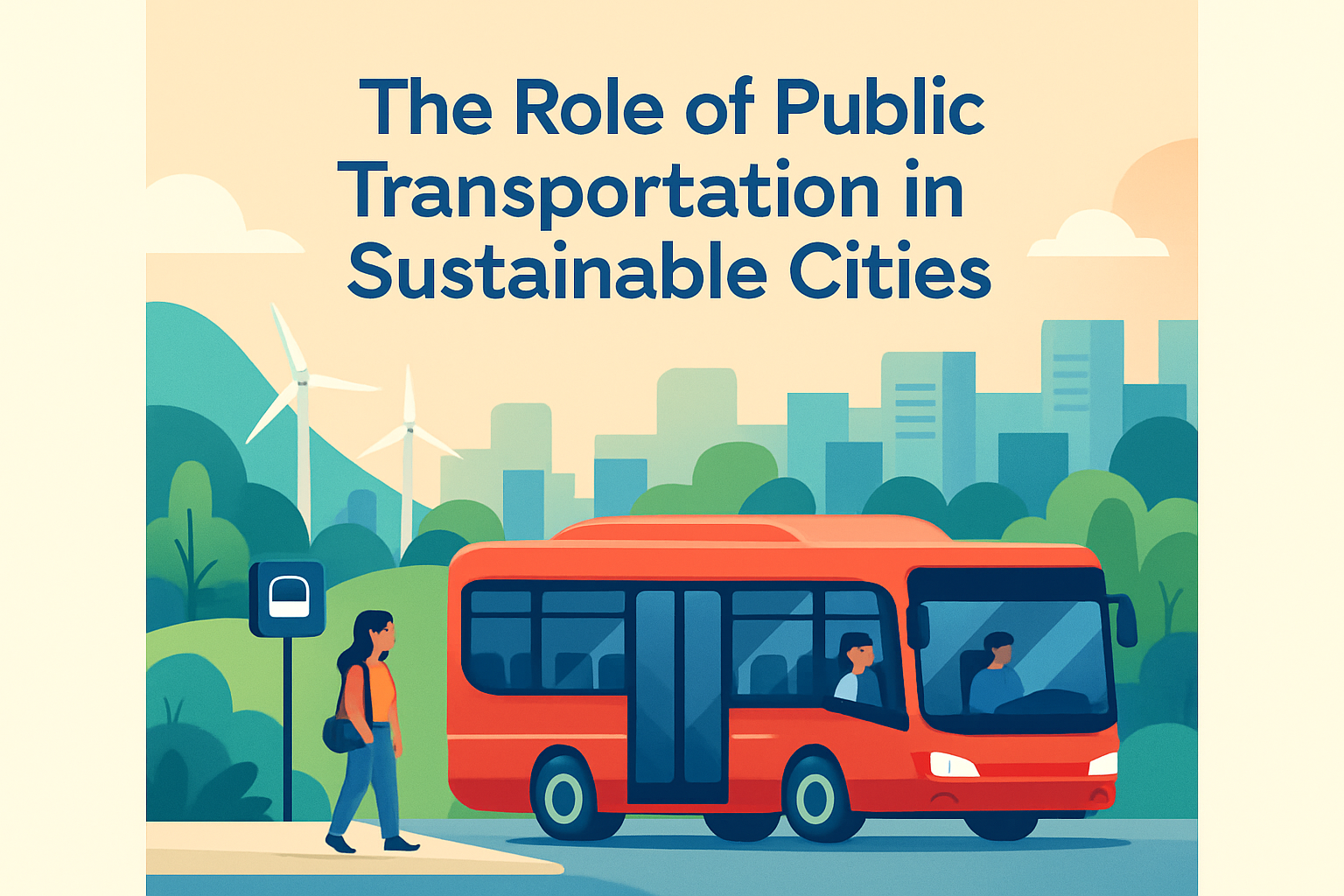
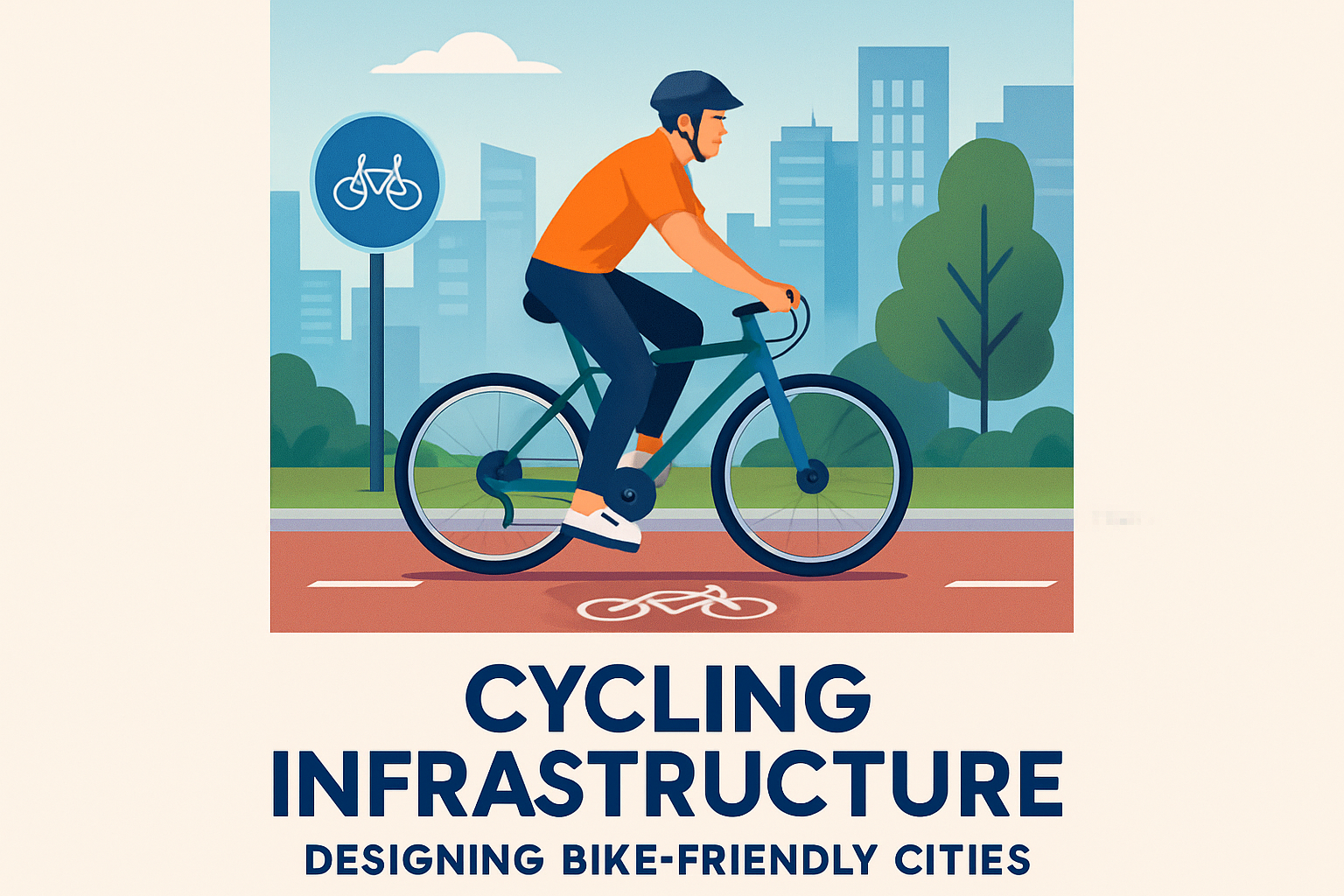
Protected cycling infrastructure consistently delivers more mode shift than painted lanes because perceived safety determines whether most people will ride. Bus rapid transit also performs well when cities provide center-running lanes, off-board fare payment, frequent service, and signal priority. On the vehicle side, electrifying buses and municipal fleets often offers cleaner and more controllable outcomes than waiting for private car turnover. Public fleets can be procured on schedule, tracked closely, and charged at known depots.
Implementation Challenges and Practical Solutions
The main barriers to green transportation policy are political resistance, funding gaps, institutional fragmentation, and delivery capacity. Political resistance usually appears when costs are immediate and benefits are diffuse. Drivers notice a new charge or parking reform right away; they may not immediately credit the policy for cleaner air or faster bus service. The solution is specific communication tied to visible improvements. Agencies that publish corridor-level results, such as travel time savings, pollution reductions, and reinvestment maps, build credibility faster than agencies that rely on broad claims.
Funding is another challenge, especially for transit electrification and street redesign. Capital grants help, but lifecycle costing is more persuasive than purchase price alone. Electric buses often cost more upfront yet can reduce fuel and maintenance costs over time, depending on duty cycle, electricity tariffs, and battery replacement assumptions. Successful agencies model total cost of ownership carefully, coordinate with utilities early, and phase procurement to match charging infrastructure upgrades. For freight, cities need designated loading policy, curb management technology, and incentives for depot charging, not only vehicle mandates.
Institutional fragmentation slows progress because transport, land use, utilities, housing, and public works are often managed separately. In practice, a charging rollout can fail because utility interconnection takes longer than vehicle procurement, or a transit corridor can underperform because zoning still favors low-density development around stations. Strong implementation requires cross-agency governance, clear milestones, and standardized metrics. Useful measures include vehicle miles traveled, mode share, tailpipe emissions, access to frequent transit, serious injury rates, and household transportation cost burden.
Public trust improves when pilots are used intelligently. Temporary bus lanes, open streets, curbside freight zones, and pop-up bike lanes let agencies test designs before permanent capital work. Not every pilot succeeds, but pilots reduce risk, generate local data, and make policy more adaptable. The lesson from cities that sustain momentum is simple: start with measurable problems, test practical solutions, publish results, and expand what works.
How This Hub Connects the Wider Topic
As a hub within urban mobility and transportation, this page connects the many miscellaneous issues that shape greener movement. Readers exploring this subject should look beyond headline topics and follow the links between them. Electric vehicles depend on charging access, grid planning, and battery recycling. Transit improvements depend on service frequency, fare policy, dedicated lanes, and station-area development. Cycling success depends on intersection design, end-of-trip facilities, and maintenance, not just lane mileage. Freight decarbonization depends on depots, curb rules, route software, and regional logistics patterns. Parking reform influences mode choice as much as fuel price does.
The impact of green transportation policies is therefore cumulative. Cities make the biggest gains when they stop treating each intervention as a standalone project and instead manage mobility as a connected system. If you are building a content plan or policy agenda under this subtopic, use this hub as the starting point: compare policy tools, examine tradeoffs, and then go deeper into the linked themes that turn broad climate goals into street-level results.
Green transportation policies succeed when they make clean travel practical, not symbolic. The evidence is clear: standards lower vehicle emissions, pricing manages scarce road space, transit and cycling investments reduce car dependence, and smarter planning shortens trips altogether. The most effective strategies combine these tools, measure outcomes honestly, and protect affordability for households and small businesses. They also acknowledge limits, from grid constraints to political opposition, and address them through phased implementation, transparent revenue use, and better coordination across agencies.
For city leaders, planners, and informed residents, the main benefit is not just lower carbon emissions. It is a transport system that is healthier, quieter, safer, and more resilient. Cleaner buses improve neighborhood air. Better sidewalks and bike networks widen access. Well-designed pricing and parking reform reduce delay and fund alternatives. Over time, these choices shape where people live, how businesses deliver goods, and how public space is shared.
If you want to understand urban mobility and transportation in practical terms, start with the policies that change daily behavior and long-term investment at the same time. Use this hub to identify which tools fit your city, your corridor, or your organization, and then explore the connected articles that break each policy area into actionable detail.
Frequently Asked Questions
1. What are green transportation policies, and why do they matter?
Green transportation policies are the laws, incentives, standards, public investments, and planning decisions designed to reduce the environmental impact of how people and goods move. They cover a wide range of actions, including stricter vehicle fuel economy rules, electric vehicle purchase incentives, investments in buses and rail, safer cycling and walking infrastructure, congestion pricing, low-emission zones, cleaner freight programs, and land-use policies that reduce the need for long car trips. While these measures may look different on the surface, they all aim at the same outcome: cutting emissions, improving air quality, reducing traffic-related harm, and making transportation systems more efficient and resilient.
They matter because transportation is one of the largest sources of greenhouse gas emissions in many countries, and it is also a major contributor to local air pollution, noise, traffic congestion, and household transportation costs. A transport system shaped around cleaner vehicles, better transit, and shorter, more practical trips can deliver benefits far beyond climate goals. It can improve public health, support energy security by lowering dependence on fossil fuels, expand mobility options for people who do not drive, and create more livable communities. In practical policy terms, green transportation is not just about replacing gas cars with electric ones; it is about improving the entire system so that cleaner, safer, and more affordable choices become easier to use every day.
2. How do green transportation policies reduce emissions in real-world transportation systems?
Green transportation policies reduce emissions through several connected pathways. First, they improve vehicle efficiency by requiring automakers and fleet operators to use less fuel per mile. Second, they accelerate the shift to cleaner energy sources, especially through electric vehicle incentives, charging infrastructure programs, and zero-emission fleet mandates. Third, they reduce the number of high-emission trips by making public transit, biking, walking, and shared mobility more practical and attractive. Fourth, they manage demand through tools like congestion pricing, parking reform, and low-emission zones, which discourage the most polluting or inefficient travel patterns.
In real-world systems, the most effective results usually come from combining these approaches rather than relying on one single solution. For example, electric buses can cut tailpipe pollution, but their impact grows much more when transit service is frequent, reliable, and well connected. Cleaner freight standards reduce truck emissions, but gains are stronger when freight routes are optimized and distribution systems are modernized. Land-use decisions also matter more than many people realize. When housing, jobs, schools, and services are spread far apart, people tend to drive longer distances. When communities are designed so daily needs are closer together, emissions fall because trips become shorter or shift to transit, walking, and cycling. That is why policy analysis consistently shows that transport emissions fall fastest when governments address vehicles, infrastructure, pricing, and urban form together.
3. Do green transportation policies help the economy, or do they mainly increase costs?
Well-designed green transportation policies can do both in the short term and the long term, which is why careful policy design matters. Some measures require upfront public or private investment. Expanding transit networks, building charging infrastructure, upgrading freight equipment, or creating protected bike lanes all cost money. Businesses may face compliance costs under stricter emissions standards, and consumers may initially see higher sticker prices for cleaner vehicles or new fees under congestion pricing systems. Those concerns are real and should be taken seriously.
At the same time, focusing only on upfront costs misses a large part of the economic picture. Cleaner transportation can reduce fuel spending, lower health costs linked to air pollution, cut time lost in traffic, and reduce the economic damage associated with climate change and volatile oil prices. Public transit investment can connect more workers to jobs. Walkable and bike-friendly areas can support local business activity. Electric fleets often have lower operating and maintenance costs over time. Freight efficiency programs can save companies money through lower fuel use and better logistics. In many cases, the strongest economic returns come when policy targets are paired with practical implementation support, such as rebates, financing tools, phase-in periods, workforce training, and infrastructure improvements. The bottom line is that green transportation policy is not simply a cost burden or a guaranteed economic win; it is a strategic transition whose results depend on how well governments balance ambition, timing, fairness, and real-world feasibility.
4. What role do public transit, cycling, and walking play in green transportation policy?
They play a central role because not every transportation problem can be solved by switching vehicle technology alone. Even if every car were electric, cities would still face traffic congestion, road safety risks, parking pressure, land consumption, and unequal access to mobility. Public transit, cycling, and walking policies address those broader challenges by giving people viable alternatives to driving, especially for short trips and daily commuting. This is essential because reducing emissions is not only about cleaning each vehicle; it is also about reducing unnecessary car dependence and making the whole transport network more efficient.
Public transit moves large numbers of people using less space and, when powered by cleaner energy, with much lower emissions per passenger. Cycling and walking infrastructure make short urban trips cleaner, healthier, and often faster in dense areas. They also improve first-mile and last-mile connections to buses and trains, which makes transit systems more useful. Importantly, these modes often deliver major equity benefits. Not everyone can afford a private vehicle, and not everyone is able or willing to drive. A transportation system that includes reliable transit, safe sidewalks, and protected bike routes gives more people access to work, education, healthcare, and daily needs. From a policy standpoint, that is why the strongest green transportation strategies are multimodal. They do not treat transit, biking, and walking as side issues. They recognize them as essential parts of a lower-carbon, more inclusive, and more practical mobility system.
5. What makes a green transportation policy successful over the long term?
Long-term success usually depends on consistency, integration, and public trust. Consistency matters because transportation systems change slowly. Vehicles last for years, infrastructure lasts for decades, and land-use decisions can shape travel behavior for generations. That means policies need stable funding, clear targets, and predictable rules so households, businesses, automakers, transit agencies, and local governments can plan ahead. If incentives are temporary, standards are unclear, or investments are fragmented, the transition tends to stall or become more expensive than necessary.
Integration matters because transportation outcomes are shaped by many policy areas at once. Vehicle standards, transit funding, electricity grid readiness, freight logistics, zoning, parking rules, road pricing, and street design all interact. A city can promote electric vehicles, but if it also encourages sprawl and underfunds transit, emissions reductions may be weaker than expected. Likewise, congestion pricing works better when people have strong alternatives, such as frequent transit and safe cycling routes. Successful policy also depends on fairness. People are more likely to support change when they can see that costs and benefits are being distributed reasonably. That may mean targeted rebates for low-income households, protections for small businesses, investments in underserved neighborhoods, and careful design for rural and suburban areas with fewer travel options. In the end, the most effective green transportation policies are not just environmentally sound. They are practical, durable, data-driven, and built around how people actually travel.