Urban food waste sits at the intersection of climate policy, household economics, public health, logistics, and city planning. In simple terms, food waste means edible food that is discarded before consumption, while food loss usually refers to shrinkage earlier in the supply chain, such as spoilage during transport or storage. In dense cities, the distinction matters because the causes and solutions differ across apartments, restaurants, schools, supermarkets, wholesale markets, and municipal systems. I have worked with city sustainability teams and food recovery operators, and the pattern is consistent: urban food waste is rarely caused by a single failure. It emerges from forecasting errors, confusing date labels, inadequate cold storage, oversized portions, fragmented donation rules, and waste contracts that make disposal easier than prevention.
The scale is significant. The United Nations Environment Programme has estimated that households, food service, and retail together waste hundreds of millions of tonnes of food globally each year, and cities account for a large share because they concentrate people, purchasing power, and commercial kitchens. The impacts are immediate. Wasted food represents wasted water, fertilizer, labor, packaging, refrigeration energy, and transport fuel. Once sent to landfill, organic waste generates methane, a potent greenhouse gas. At the neighborhood level, excess food waste can increase hauling costs, attract pests, and strain sanitation systems. At the same time, cities often struggle with food insecurity, meaning edible surplus and unmet need exist side by side.
Addressing urban food waste therefore requires a system view. A good city strategy does not focus only on composting, and it does not frame donation as the sole answer. The most effective approach follows a hierarchy: prevent surplus where possible, redistribute edible food quickly and safely, divert inedible scraps to animal feed or industrial uses where regulations allow, and then process remaining organics through composting or anaerobic digestion. This hub article explains the full landscape, from household behavior and restaurant operations to municipal policy, measurement methods, digital tools, and financing models. If a city, property owner, retailer, or community organization wants practical strategies to reduce waste and capture value, the core principles are clear, measurable, and already proven in real urban settings.
Why urban food waste happens
Urban food waste is created by mismatched timing between supply and demand. Retailers overstock to avoid empty shelves. Restaurants prepare for peak demand that may not materialize. Households buy aspirationally, then lose track of ingredients in crowded refrigerators. In multifamily housing, limited kitchen space and irregular shopping patterns often increase reliance on convenience purchases, which can lead to duplication and spoilage. Wholesale markets discard produce for cosmetic reasons even when it remains perfectly edible. Schools and hospitals generate plate waste when menus do not reflect preferences, dietary needs, or serving schedules.
Date labeling is another major driver. “Best by,” “sell by,” and “use by” are commonly misunderstood, even though many labels indicate quality rather than safety. In my work reviewing cafeteria and retail waste logs, products were often discarded while still acceptable because staff lacked clear guidance. Cold chain weakness also matters. A few hours at the wrong temperature can shorten shelf life dramatically for dairy, seafood, cut produce, and prepared foods. Finally, contractual and operational incentives can be misaligned. If disposal is cheap and labor is tight, businesses may choose the fastest option rather than the most efficient one.
Measuring waste before trying to fix it
Any credible food waste reduction plan starts with measurement. Cities and businesses that skip this step usually overinvest in the wrong solution. The standard practice is to separate waste into categories such as prep waste, spoilage, expired inventory, unsold prepared food, and plate waste. Weighing each stream over several weeks reveals where action will produce the largest gains. The U.S. Environmental Protection Agency’s Wasted Food Scale and the Food Loss and Waste Accounting and Reporting Standard are useful references because they create consistent definitions and reporting boundaries.
Measurement should connect waste to money and emissions. A hotel buffet may see vegetable trimmings as unavoidable, yet tracking can show that overproduction of cooked items costs far more than prep waste. Retailers often learn that markdown timing is more important than total stock levels. Municipalities benefit from route-level data, contamination rates in organics bins, and seasonal patterns tied to holidays or tourism. Digital tools such as Leanpath in commercial kitchens or Winnow Vision for AI-assisted tracking help identify recurring errors, but simple scales and spreadsheets also work when used consistently. The essential rule is straightforward: measure by source, not just by total tonnage, because prevention depends on understanding exactly where waste originates.
Prevention strategies in homes, restaurants, and retail
Prevention delivers the highest value because it avoids purchasing, handling, and disposal costs simultaneously. In households, the strongest interventions are practical rather than ideological: meal planning, visible storage, freezing surplus portions, and understanding labels. Refrigerators set at or below 4 degrees Celsius and freezers at minus 18 degrees Celsius materially improve shelf life and food safety. Cities can support these habits through public campaigns, multilingual guidance, and apartment-friendly storage education aimed at renters with limited space.
In restaurants and institutional kitchens, prevention depends on forecasting and production control. Batch cooking reduces overproduction by preparing smaller quantities more frequently. Menu engineering helps by reducing the number of low-selling items that require unique ingredients prone to spoilage. Trayless dining in cafeterias has repeatedly reduced plate waste because diners take less food at once. Portion flexibility also matters. Offering half portions, side substitutions, or made-to-order service often lowers waste without reducing customer satisfaction.
Retailers have a different toolkit. Better demand forecasting, dynamic markdowns, and improved stock rotation consistently outperform broad disposal programs. Some supermarkets now use machine learning systems to predict demand by weather, holidays, and neighborhood events. Others create dedicated shelves for imperfect produce or near-date items, normalizing value-based purchases. Packaging can help too: resealable bags, smaller pack sizes, and humidity control for greens all extend usability. The strongest retail programs train staff to act early, because markdowns are most effective before quality visibly declines.
Redistributing edible surplus safely and quickly
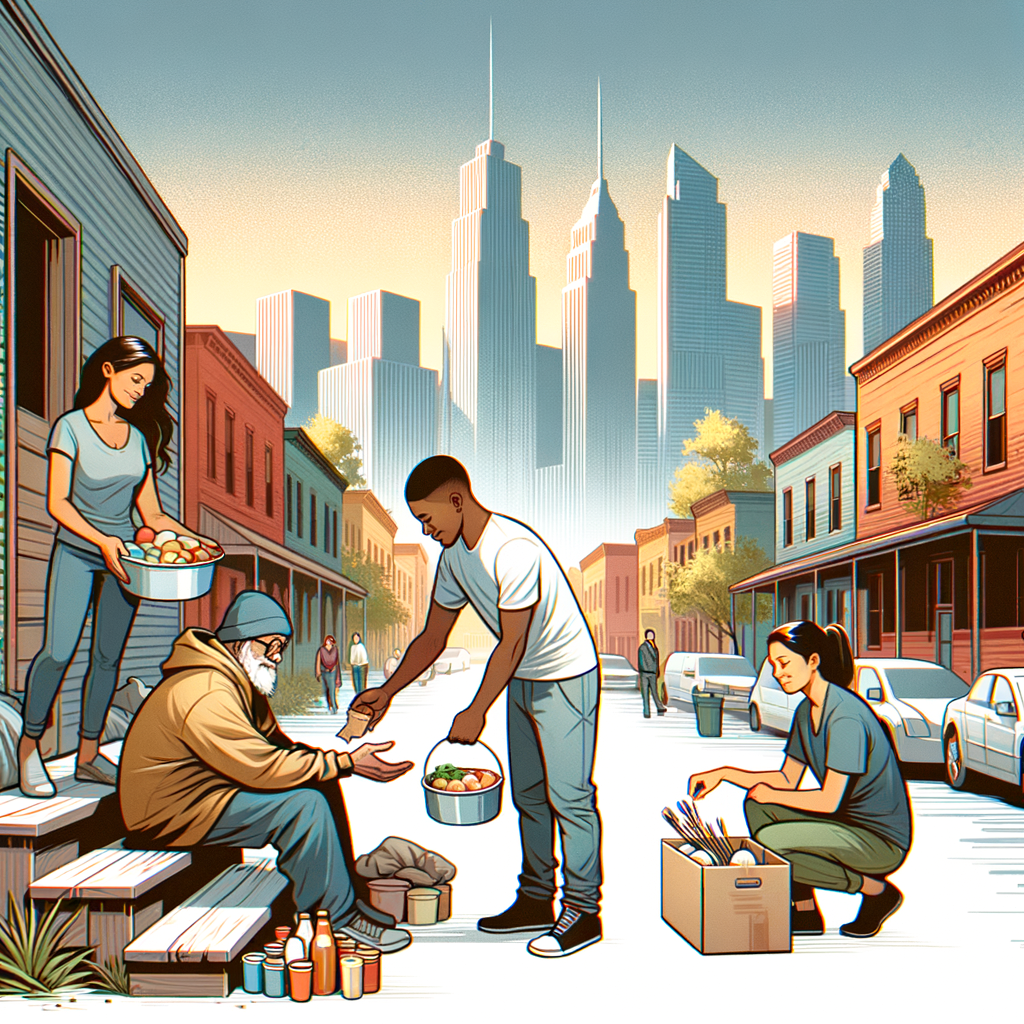
Once surplus exists, the next priority is getting edible food to people. Food rescue programs work best when they are designed around time, temperature, and logistics rather than goodwill alone. Prepared foods need rapid pickup, insulated transport, and clear chain-of-custody records. Shelf-stable goods require less urgency but still need inventory controls. Organizations such as Feeding America member food banks, City Harvest in New York, and FareShare in the United Kingdom have shown that urban redistribution can operate at scale when routing, storage, and partner screening are disciplined.
Liability is often overstated as a barrier. In the United States, the Bill Emerson Good Samaritan Food Donation Act provides significant protection for good-faith donors, and many countries have analogous frameworks or local guidance. The real obstacles are usually labor, transportation, and packaging. Restaurants may lack staff to cool, label, and stage donations after a busy service. Retail stores may not have consistent pickup windows. Technology platforms including Too Good To Go, Olio, and Copia help match surplus with buyers or nonprofits, but they only succeed when physical operations are reliable.
| Source | Typical edible surplus | Best recovery method | Main operational risk |
|---|---|---|---|
| Supermarkets | Bakery items, produce, dairy near date | Scheduled donation and markdowns | Inconsistent sorting by staff |
| Restaurants | Prepared meals, surplus ingredients | Rapid pickup by rescue partner | Temperature control after service |
| Schools | Sealed milk, whole fruit, packaged items | Share tables and same-day redistribution | Food safety rules misunderstood |
| Hotels | Buffet overproduction, banquet leftovers | Forecasting plus donation protocols | Highly variable event demand |
Managing unavoidable scraps through organics systems
Not all food waste can be prevented or donated. Bones, shells, coffee grounds, spoiled inventory, and contaminated scraps require downstream management. For cities, separate organics collection is the foundation. When food scraps are mixed with general trash, landfill remains the default and methane emissions rise. Source-separated organics can instead go to composting or anaerobic digestion. Composting produces soil amendments that improve water retention and soil structure, while anaerobic digestion generates biogas and digestate. Dense cities often favor enclosed systems because they better control odor, vectors, and contamination.
Program design determines results. Residents need simple sorting rules, durable kitchen caddies, and building-level signage that works for multiple languages and literacy levels. In high-rise properties, collection room design is crucial. If organics bins are too far away, too small, or poorly maintained, participation falls. Commercial generators often need service requirements, contamination thresholds, and staff training written into contracts. Some cities mandate separation for large businesses first, then expand to multifamily buildings after processing capacity grows. That sequencing is practical because commercial streams are larger and easier to train consistently. The lesson from successful programs is clear: infrastructure, enforcement, and education must advance together.
Policy, pricing, and procurement levers cities can use
Municipal governments influence food waste through ordinances, purchasing standards, and pricing signals. Pay-as-you-throw systems, where trash disposal costs increase with volume, create a direct incentive to reduce organics in residual waste. Disposal bans on commercial food scraps, used in places such as Massachusetts and parts of Europe, push large generators toward donation and diversion. Standardized date label reforms reduce consumer confusion. Health departments can also modernize guidance on safe recovery practices so schools, caterers, and retailers understand what is permitted.
Public procurement is an underused tool. Cities buy food for schools, hospitals, shelters, and events, so contract specifications can require waste tracking, right-sized portions, reusable serviceware where appropriate, and donation plans for surplus. Grants and low-interest financing can support refrigerated storage, neighborhood compost hubs, and anaerobic digestion infrastructure. Building codes can help as well by reserving space for organics bins and loading access in new multifamily developments. The most effective policy packages balance mandates with implementation support, because compliance improves when businesses can access training, hauler options, and clear technical standards.
Community behavior change and the role of local partnerships
Food waste falls fastest when cities combine operations with culture change. Residents are more likely to participate when messaging is specific: store herbs in water, freeze bread, rotate older items to the front, and understand that leftovers are a planned meal, not an afterthought. Community fridges, gleaning networks, school share tables, and neighborhood compost volunteers build visible norms around valuing food. Trusted messengers matter. Tenant associations, faith groups, chefs, teachers, and public housing managers often reach people more effectively than generic campaigns.
Partnerships also solve practical gaps. Universities can analyze waste audits. Startups can provide routing software or smart-bin sensors. Food banks can train donors on labeling and safe handling. Property managers can integrate organics instructions into lease packets and move-in orientations. In several cities I have supported, the strongest results came when sanitation departments worked directly with housing agencies and local nonprofits, because residents encountered a coherent system instead of fragmented messages. Urban food waste is not a niche sustainability issue. It is a city management issue that touches affordability, resilience, public health, and climate performance all at once.
Addressing urban food waste requires priorities in the right order. First, measure where and why waste occurs. Second, prevent surplus through forecasting, storage, training, and portion control. Third, recover edible food using clear safety protocols and dependable logistics. Fourth, process unavoidable scraps through organics systems designed for dense neighborhoods and commercial corridors. Across every step, policy should reward prevention, not just diversion, and public education should translate broad goals into simple daily actions.
The main benefit is practical: reducing food waste saves money, lowers emissions, improves sanitation, and redirects edible food to people who need it. Cities do not need a perfect system to begin. They need baseline data, a waste hierarchy, reliable partners, and the willingness to fix operational details that are often ignored. For this subtopic hub, the takeaway is simple. Treat urban food waste as infrastructure, behavior, and governance combined, then build solutions that match each setting. Start with one building, one campus, one market district, or one municipal contract, measure the results, and scale what works.
Frequently Asked Questions
What is the difference between urban food waste and food loss, and why does that distinction matter?
Urban food waste generally refers to edible food that is thrown away before it is eaten, often at the household, restaurant, cafeteria, grocery, or institutional level. Food loss, by contrast, usually happens earlier in the supply chain, such as during harvesting, transport, storage, handling, or distribution. In cities, this distinction is important because the drivers are different and so are the solutions. A family in a small apartment may waste food because of overbuying, limited storage space, or confusion over date labels, while a wholesale distributor may face food loss because of poor cold-chain management, delays in delivery, or damaged packaging.
Understanding the difference helps city leaders, businesses, and residents focus resources where they will have the greatest effect. For example, policies aimed at food waste may prioritize consumer education, restaurant portion management, donation systems, and neighborhood compost collection. Efforts aimed at food loss may focus more on refrigeration infrastructure, inventory tracking, logistics coordination, and better storage at markets and distribution hubs. In practical terms, treating all discarded food as one single problem can lead to weak policy design. Cities that separate food waste from food loss can collect better data, set more realistic targets, and build tailored interventions across households, schools, supermarkets, and municipal systems.
Why is food waste such a serious issue in urban areas?
Food waste is especially serious in cities because large populations, concentrated consumption, and complex distribution systems magnify its economic, environmental, and social effects. When edible food is discarded in urban areas, the waste does not only represent lost groceries or missed meals. It also represents wasted land, water, energy, labor, packaging, fuel, and refrigeration used to produce and move that food. In addition, when food waste ends up in landfills, it can generate methane, a potent greenhouse gas that contributes significantly to climate change. For dense urban areas already working to meet climate targets, reducing food waste is often one of the more practical and measurable strategies available.
The issue also touches household budgets and public health. For families, especially those facing high housing and utility costs, discarded food means avoidable spending. For businesses such as restaurants, caterers, and supermarkets, waste directly reduces margins through spoilage, poor forecasting, oversized portions, and inventory mismanagement. At the same time, cities often contain both large volumes of wasted edible food and high levels of food insecurity, which highlights a distribution problem as much as a disposal problem. Municipalities also bear financial costs through collection, hauling, landfill fees, contamination in waste streams, and the need to maintain sanitation systems. Because urban food waste influences climate policy, affordability, infrastructure, and equity all at once, it has become a central issue in modern city planning.
What are the most effective strategies cities can use to reduce food waste?
The most effective urban strategies combine prevention, recovery, and recycling rather than relying on any single measure. Prevention should come first because the most sustainable food is the food that gets eaten. Cities can support prevention by funding public education on meal planning, storage, date labels, and portioning; encouraging schools and public institutions to track waste; and helping businesses adopt inventory software, demand forecasting tools, and standardized kitchen practices. Restaurants can reduce waste through menu engineering, flexible portion sizes, and better use of ingredients across dishes. Supermarkets can improve stock rotation, discount near-date items, and create “imperfect produce” programs that keep cosmetically flawed but edible food in circulation.
The next layer is food recovery. Edible surplus from retailers, events, campuses, cafeterias, and food service operations can be redirected to food banks, mutual aid groups, community fridges, and nonprofit meal programs. This requires more than goodwill; it depends on transportation, cold storage, liability protections, safe handling rules, and reliable coordination platforms that connect donors with recipients quickly. Finally, unavoidable scraps such as peels, bones, and spoiled material should be diverted from landfills through composting or anaerobic digestion. Cities that succeed usually make these systems convenient and visible: separate organics bins, clear signage, procurement standards for public agencies, waste audits, and data reporting requirements. The strongest results typically come from citywide systems that align residents, businesses, haulers, schools, and food recovery organizations around shared goals and practical tools.
How can households and apartment residents reduce food waste in everyday city living?
Households are one of the most important places to tackle food waste, and urban residents often face specific challenges such as small kitchens, limited freezer space, irregular schedules, and frequent takeout habits. The most effective first step is to buy more intentionally. That means checking what is already at home, planning meals for the next few days, and avoiding impulse purchases of highly perishable items. In cities where shopping happens more frequently and in smaller trips, residents can use that pattern to their advantage by buying realistic amounts rather than stocking up on food they may not use in time.
Storage habits also matter. Learning which foods belong in the refrigerator, freezer, or pantry can significantly extend shelf life. Leftovers should be labeled and placed where they are easy to see, not pushed to the back of the fridge. Freezing bread, cooked grains, soups, chopped vegetables, and extra portions can prevent spoilage, even in small spaces, if residents use stackable containers and keep a simple inventory. It also helps to understand date labels: “best by” often refers to quality, not safety, and many foods are still fine after that date if stored properly. Finally, households can reduce waste by repurposing ingredients creatively, such as turning wilted vegetables into soup, stale bread into croutons, or overripe fruit into smoothies. For scraps that cannot be eaten, residents can use municipal organics collection if available, or participate in community composting programs. In dense apartment settings, convenience is everything, so simple routines and visible organization often make the biggest difference.
What role do restaurants, supermarkets, schools, and city governments play in solving urban food waste?
These institutions play a decisive role because they operate at scale and shape both supply and behavior. Restaurants can cut waste by measuring what is discarded in kitchens and on plates, adjusting portion sizes, improving prep practices, training staff, and using reservation or sales data to forecast demand more accurately. Supermarkets can redesign promotions that encourage overbuying, improve markdown systems for near-date food, strengthen cold storage, and partner with food rescue groups for safe redistribution. Schools, hospitals, and universities can revise procurement standards, monitor cafeteria waste, offer flexible meal portions, and build student or staff education into broader sustainability programs. In each case, tracking is essential. What gets measured can be managed, and waste audits often reveal preventable patterns that would otherwise remain hidden.
City governments provide the policy framework and infrastructure that allow these efforts to scale. They can set organics diversion targets, standardize waste sorting rules, support composting and anaerobic digestion capacity, fund public awareness campaigns, and update procurement standards for public institutions. Municipalities can also make food donation easier by clarifying health regulations, supporting logistics partnerships, and helping community organizations access refrigeration and transportation. Beyond regulation, cities can use planning and data to coordinate action across neighborhoods, commercial districts, schools, and wholesale markets. The most successful municipal strategies treat food waste not as a narrow sanitation issue, but as part of a larger urban agenda involving climate action, cost savings, public health, and food access. When local government aligns incentives, infrastructure, and education, it becomes much easier for businesses and residents to waste less food and keep more edible food in use.